Promo video versus video presentation
A promo video is a short piece about a product, service or event with a job to do: create interest and push toward an action. It lives in ads, on a website, in an email, in a feed, rarely runs past a minute, and almost always ends with a call to action.
A video presentation is wider. It explains the company, the product or the idea as a whole: who you are, what you do, why it works. These run at meetings, inside proposals, on the homepage, and in investor decks.
Short version: a promo video sells one step, a video presentation gives the whole picture. The same product can justify both, and they should not repeat each other.
The three formats, side by side
The boundaries blur: one asset can work as a website promo and as a paid ad. What changes is the acceptance test. An ad is judged on the first three seconds of retention; a website promo is watched longer and judged on click-through.
On budget the three split harder than on length: vertical video ads in an ad account call for a run of short versions to test, handcrafted videos cover the scenes where face and inflection matter, and mass vertical videos handle volume of variants tested and dropped fast. In AI video production all three can start from generated frames rather than a shoot, with the script and acceptance left to people.
| Promo video | Ad | Video presentation | |
|---|---|---|---|
| Job | show the product, drive one step | sell now | explain the company or solution |
| Length | 15–60 seconds | 6–30 seconds | 60–180 seconds |
| Placement | site, email, feed, pitch | ad account, TV | meeting, proposal, homepage |
| Call to action | required | required, hard | soft, at the end |
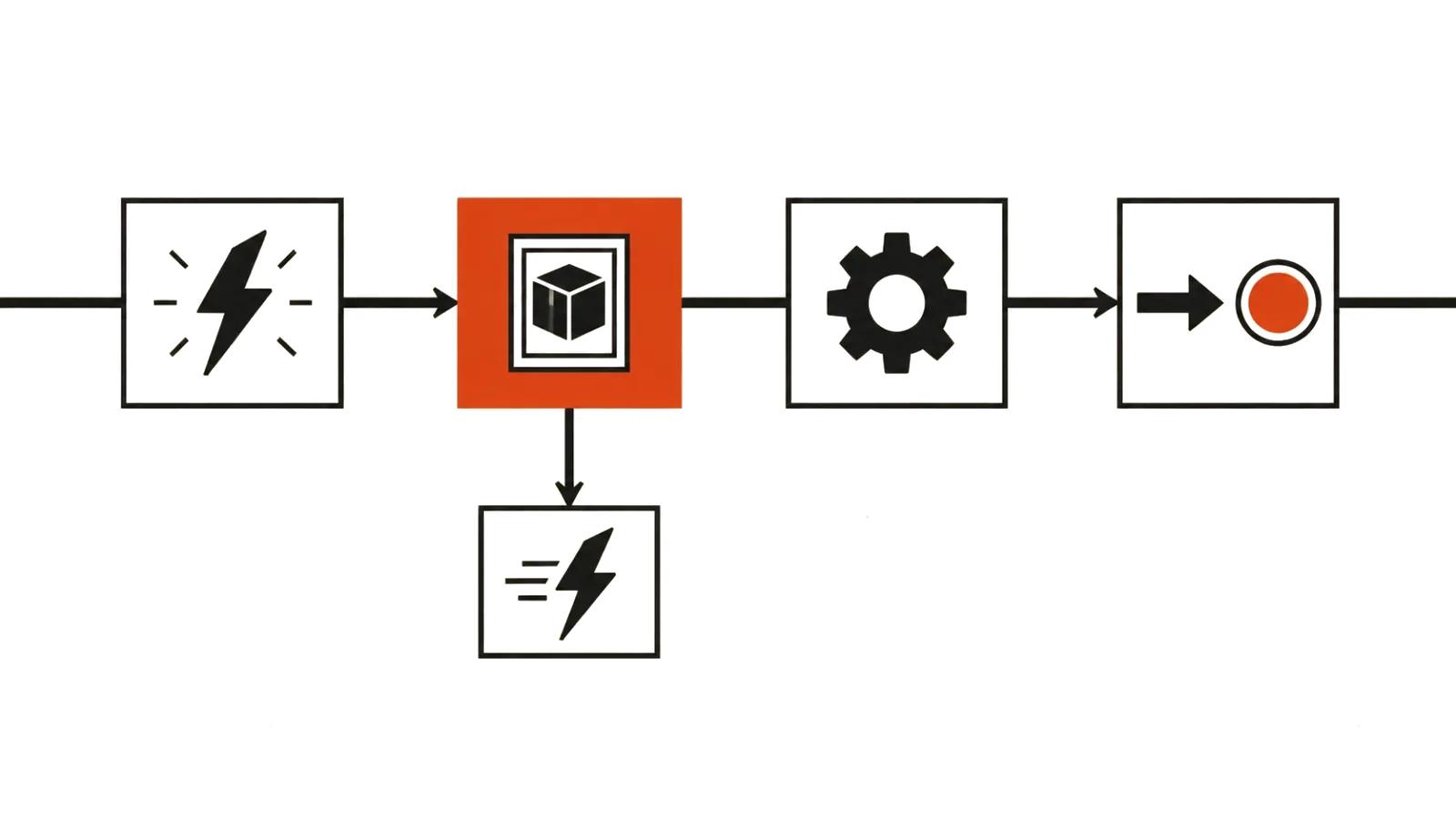
The script structure of a promo video
A workable 30–45 second shape looks like this.
Script a promo as a storyboard, not as prose: one column for what is on screen, one for what is heard. A line that cannot be shown turns into narration, and narration is where promo videos go to die.
One more rule: one idea per video. If the product solves three problems, that is three videos, not one ninety-second piece.
- Hook: the first two seconds show the result or the problem. No logo, no title card.
- Problem: one line about what is wrong without the product.
- Product in action: what actually happens, close up, without graphics over the frame.
- Proof: a number, a customer quote, a demonstration, a comparison — something checkable.
- Call to action: one action, one destination.
Video presentations: company, product, live talk
Three different jobs that get confused constantly.
A company presentation answers who we are, how long we have been around, who we work with, what we can do. People on camera, the workshop, the process all belong here. A product presentation explains how it is built and what changes for the customer. A presentation video for a live talk is a backdrop: slides, diagrams, short fragments that support a speaker rather than replace them.
What they share is that structure beats footage. A video with no answer to "why should I care" cannot be saved by better shooting or nicer motion graphics.
Length by placement
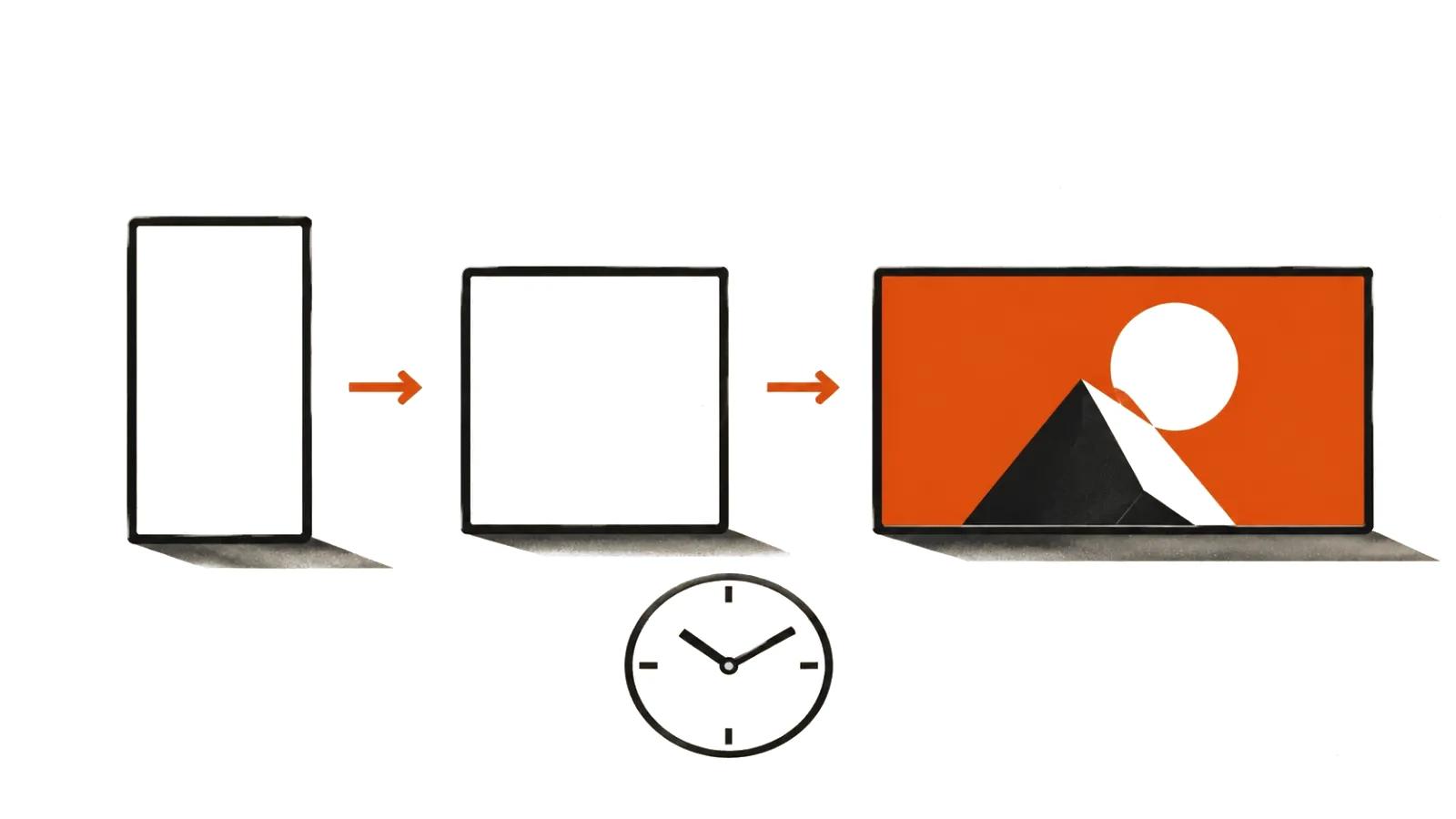
One script rarely ports across all of them: vertical and horizontal frame differently, and ads and websites run at different lengths. Production therefore counts versions, not a single video.
- Ad account: 6–15 seconds, vertical, sound optional.
- Feed and Reels: 15–30 seconds, vertical, captions on.
- Homepage: 45–60 seconds, horizontal is fine, button beside it.
- Email: 20–40 seconds, and the first frame has to work as a thumbnail.
- Meeting and proposal: 90–180 seconds, horizontal, with pauses for comment.
- Product page: 10–20 seconds, vertical, product in frame from the first second.
What AI handles, and what stays human
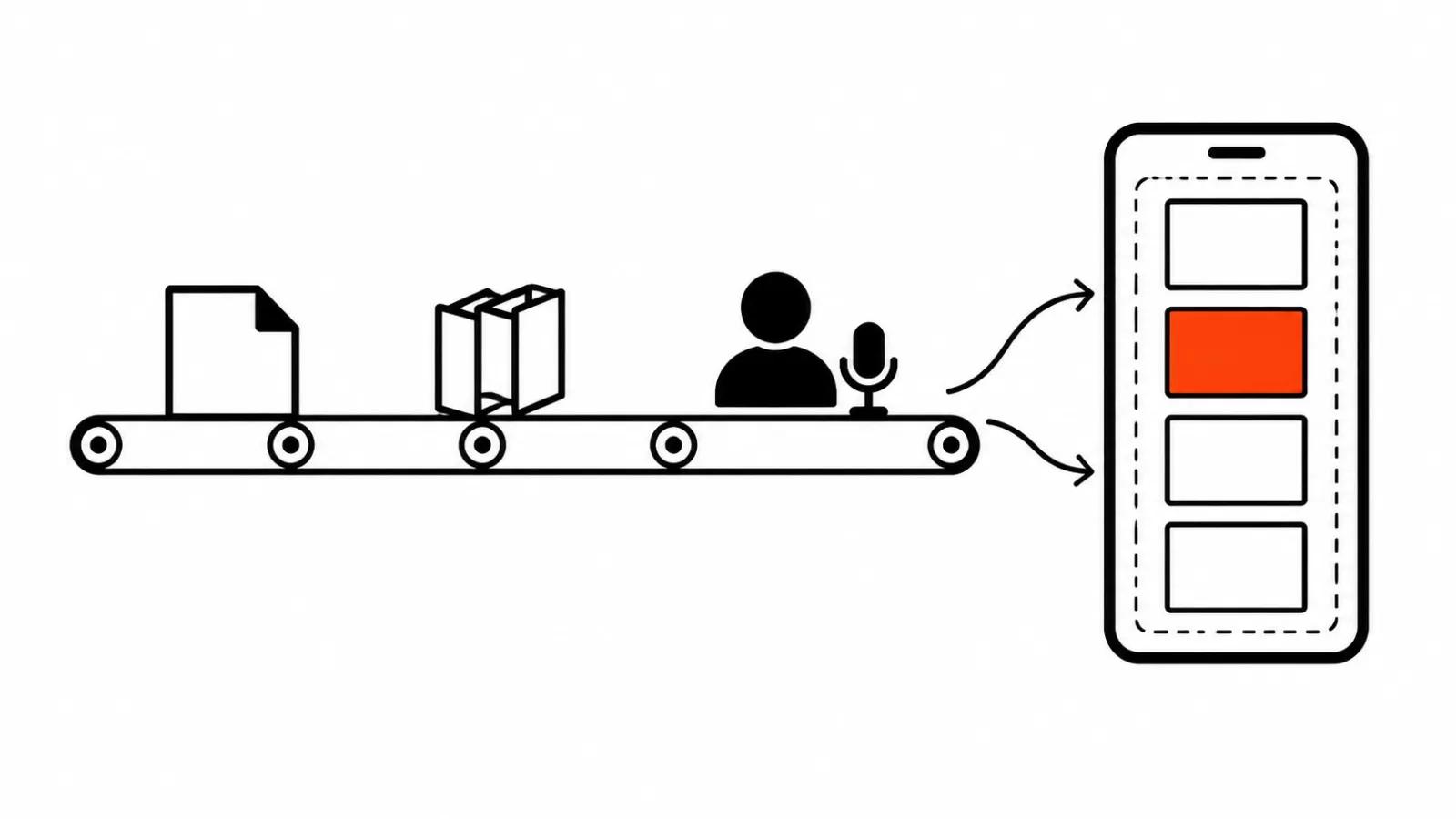
In AI video production the visual layer is largely handled: frame generation, product animation, characters, voiceover, and assembly of versions for formats and languages. That compresses iteration — three opening frames instead of one, a 15-second and a 45-second cut from the same material.
Meaning stays human. The script, the choice of proof, the order of arguments, the acceptance of every frame, final editing and sound are not automated, because that is where a video is won or lost. A model answers "how does this look" well and "why should this convince anyone" badly.
That split shows up in budget: staged production with a storyboard and frame-by-frame review is one track; a stream of cheap versions for testing is the other — one script, many deliveries, fast filtering.
Timelines, pricing and a brief checklist
In our own pricing, handcrafted videos start at $394 per video of up to 90 seconds with about a week of turnaround, and a series is priced per episode the same way. Mass formats run from $2.47 CPM (per 1,000 views).
A brief checklist — without these the script does not get written:
- one job for the video: lead, click, awareness;
- the audience and the situation they watch in;
- the main objection the video removes;
- the proof: a number, a case, a demonstration;
- placements and the three lengths you need versions for;
- what must not be shown or promised.