What was announced
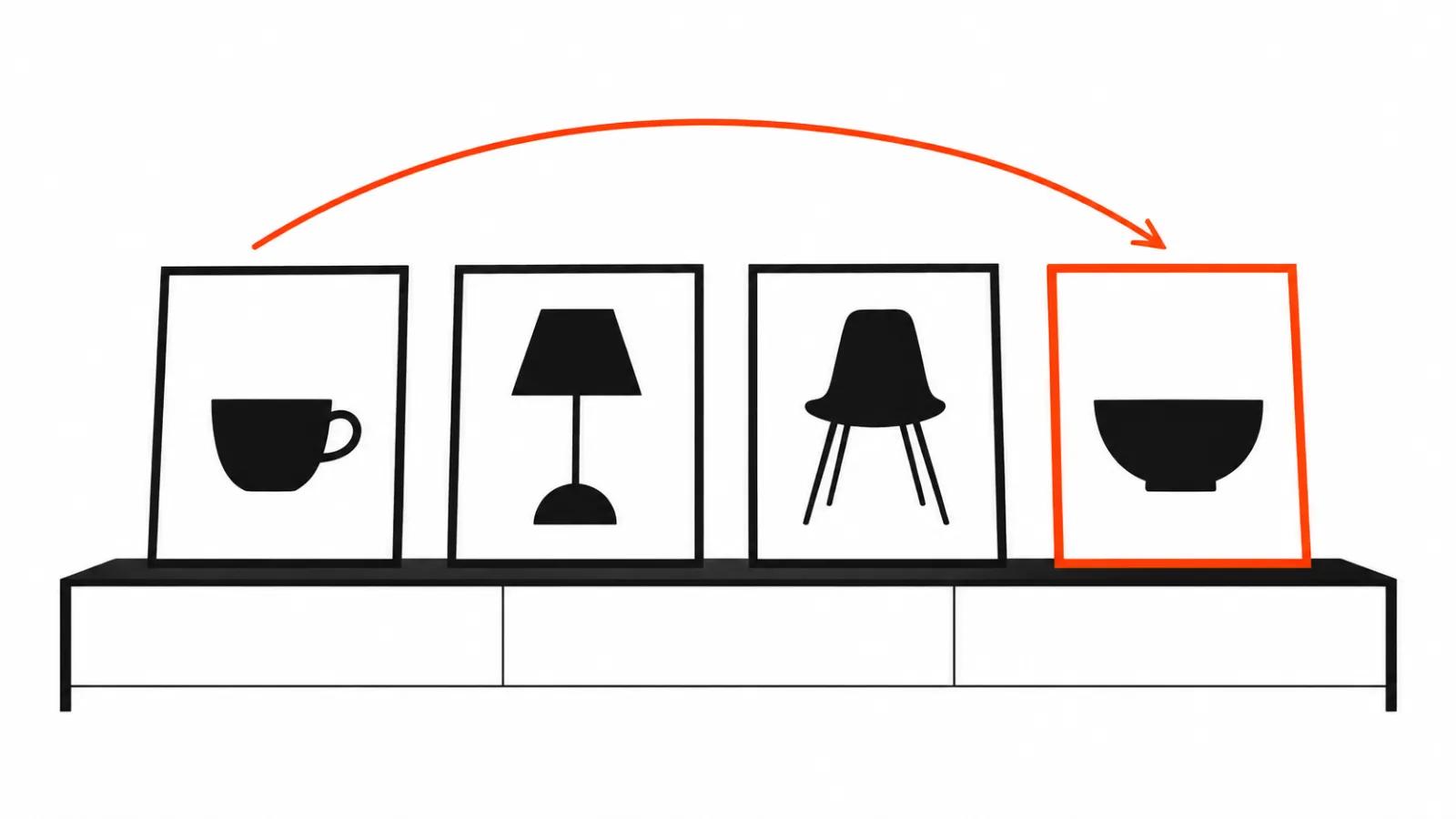
On 27 October Runway made Runway Ads available on every paid plan. The product connects ad accounts to an agent that generates ad variants and publishes the ones a team approves. In the Runway AI video line, this product starts its work from an account report.
Connections run to Meta, Google and TikTok. One dashboard shows spend and cost per result against the goal the workspace optimises for: subscriptions, purchases, leads, app installs or awareness.
The agent reads those numbers before it makes anything. You can ask which ads performed best and get the next variant built on them.
That is what separates it from an image generator. A generator does not care what happened in the account yesterday. This one starts from the report, so its suggestions tie back to money already spent.
Why volume became the bottleneck
Performance advertising rewards teams that test more ideas. The problem is that ad production does not scale as fast as budget.
Every new aspect ratio, every localisation, every product swap is a separate request for a designer or an editor. Most AI video production teams know that queue by heart. It grows, and testing stops.
Runway describes its own experience plainly: the marketing team was buried in requests for new formats. After moving to its own product, weekly ad volume grew from under 100 to roughly 1,000 with the same team.
Do the arithmetic. Five placements, three ratios and two languages produce thirty files from one story.
One variable per test
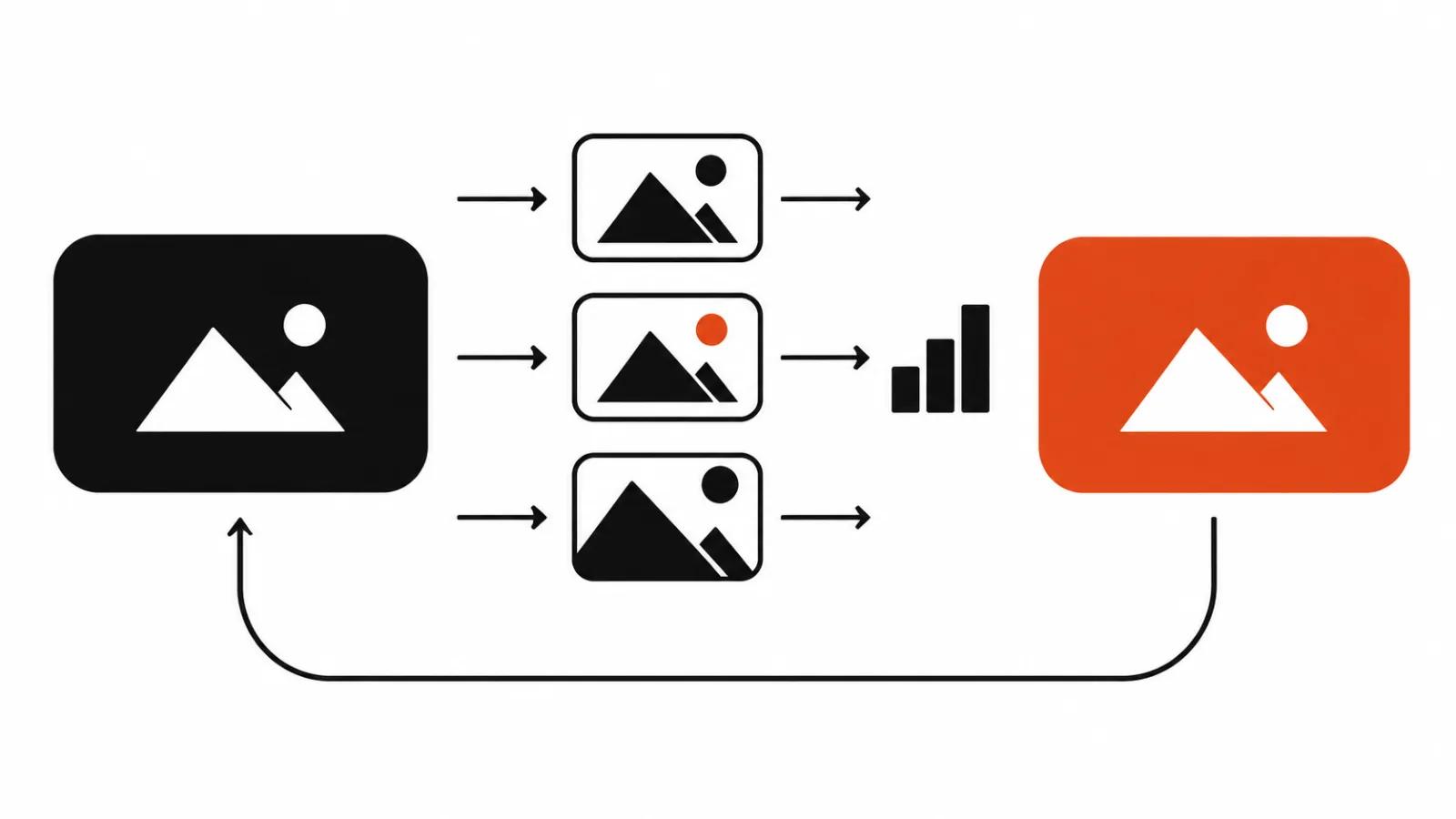
The test mechanics are careful. The Runway video generator takes an ad that already performs, or your own upload. The agent breaks it down, isolates one variable and returns on-brand variants in a single session.
That way a test answers a specific question: what moved the result, the headline, the opening frame or the call to action. Change everything at once and the gain cannot be attributed.
Variants are then localised and resized without leaving the tool. This is the work that usually creates the queue.
For AI video ads the loop is especially useful: one strong scene spreads into several versions for different placements, and each gets checked on its own.
One dashboard across platforms
The second layer is comparison. When an ad performs on TikTok, the agent can format variants for Meta or Google and carry it to channels it has not reached.
That answers an old pain: a winner lives in one account while other placements start their tests from zero.
Short-form video at scale works the same way: one idea, many cuts, different packaging per channel. The difference is who pays for the number of versions.
Brand kit and control
Every generation passes through the brand kit. At setup you start from your website or upload brand guidelines, and Runway drafts a kit for review: logos, colours, fonts and voice.
Once confirmed, the kit carries through every variant. That removes the main risk of mass generation, where ten versions look like ten different brands.
Approval before anything goes live
Publishing is not automatic. Every ad needs approval from someone on the team before it goes to a connected account.
Launch and pause are also available from Runway. For an agency that keeps the client approver in the loop and keeps responsibility for the creative in one place.
In Enterprise the product is enabled in Organization Settings and then per workspace. Free workspaces can upgrade to a paid plan to get access.
What the 41 percent means
Runway reports a 41 percent cut in cost per subscriber. That is the company's own figure about its own marketing, and it cannot be transferred to another project.
It shows the order of magnitude when a manual queue becomes a steady stream. The real number has to be measured on your data: how many tests you run a month and what one test costs.
For video ads with AI this is the first clear answer to the volume question. My test is simple. If producing one version takes more than a day, the tool pays for itself on volume. If you ship two ads a quarter, the gain will be modest.
What it means for a client
The market is moving toward ads as a consumable: cheap, frequent, replaceable. The winner is a system that tests hypotheses quickly, even when an individual spot looks plainer.
That changes the brief. A pack of versions with a clear rule about what each one tests replaces the single hero film.
It also changes the human role. Strategy, the first frame, the meaning and the brand stay with people. Multiplying versions goes to the machine.
I would add one honesty check to any such project. Take the best variant and the worst, show them to someone who has not seen the report, and ask what differs. If that person cannot tell, the test measured noise.