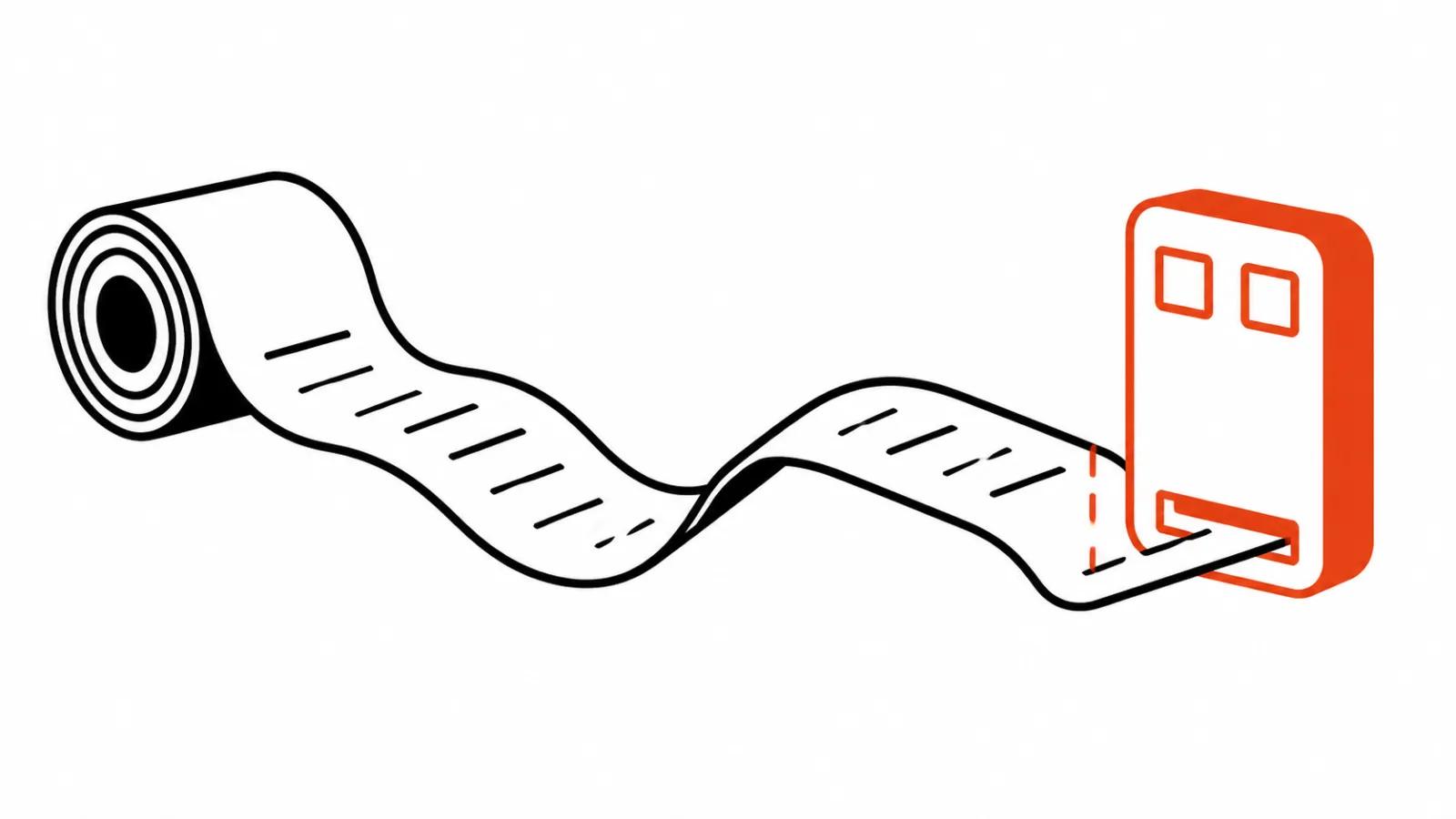
What Runway shipped on October 26
The company published "Introducing Runway App Studio" on October 26, 2026. Per the post, App Studio builds custom creative software inside Runway from a plain-language description.
The app gets its own interface and generates images, video and audio using the account's Brand Kits and Workflows. A creator can keep it private, share it with a team, or publish a link that any Runway account holder can open.
This is the company's account of its own product, so treat it as a claim until a project runs through it. Below is what is stated, where the edges are, and how I would test it.
From a document to an interface
Most production teams have a boring problem. A process exists, one person knows the order of steps, and everyone else arrives with the same question about how we do it here.
The old answers were a document, a call, or that knowledgeable person doing the work alone. App Studio offers a third option: pack the process into an interface with two input fields and hide the model chain behind it.
The post describes the shortcut for an existing workflow. An Agent session or a Workflow becomes an app in one click: the prompt, model chain and settings are locked, and a teammate sees only the inputs they actually need.
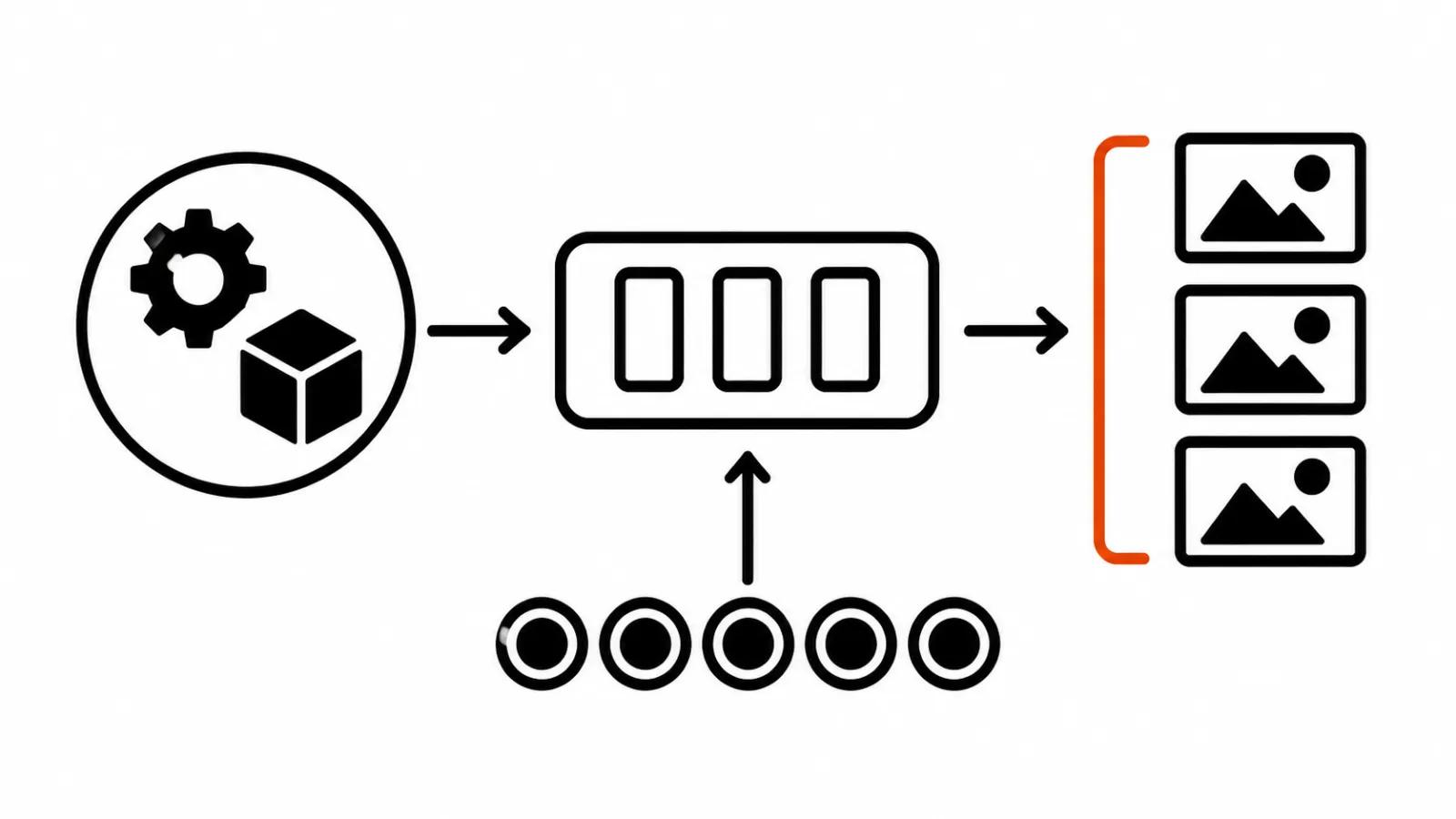
Six apps that ship at launch
The platform launches with its own set of apps, usable as they are or remixable.
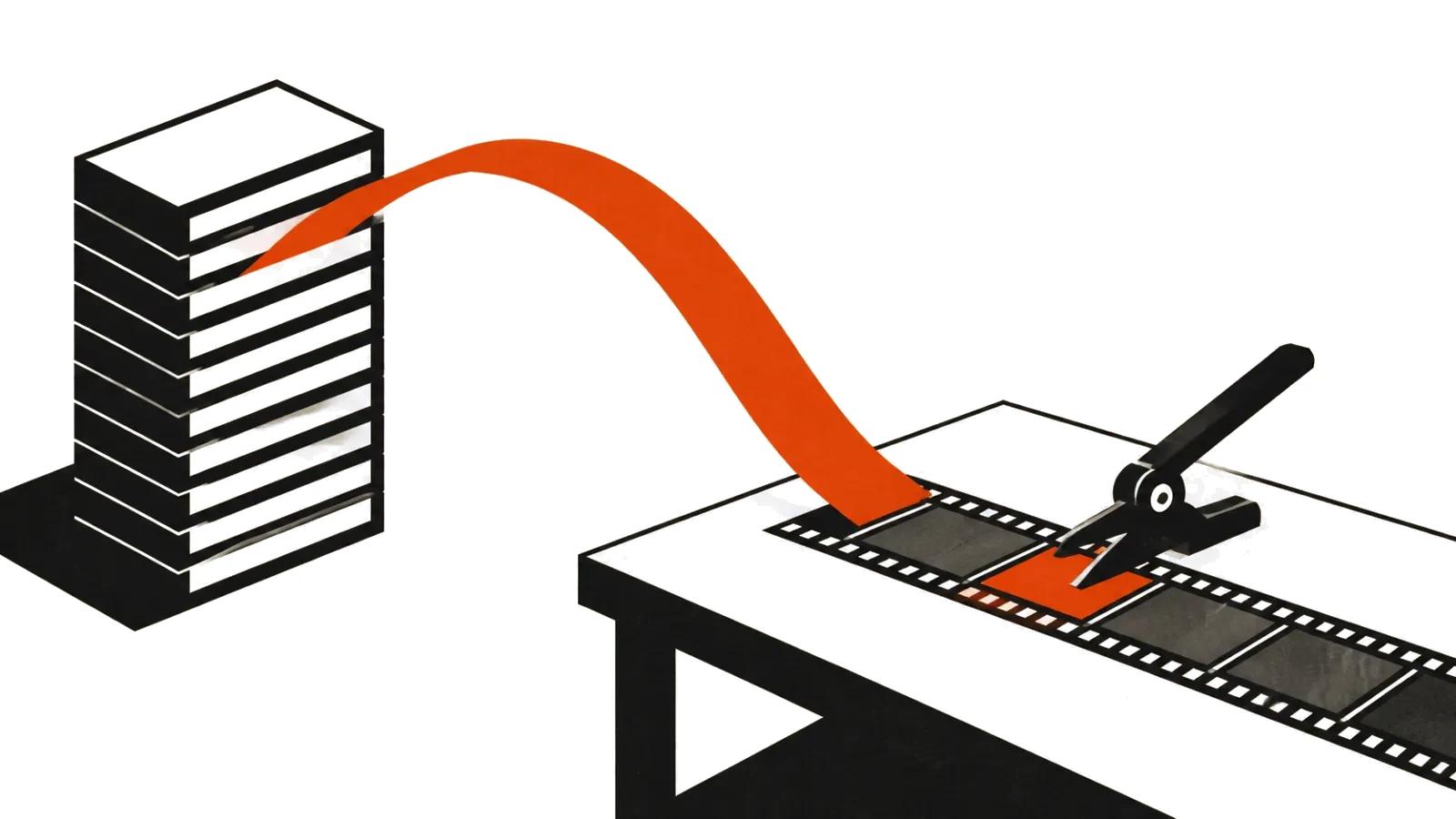
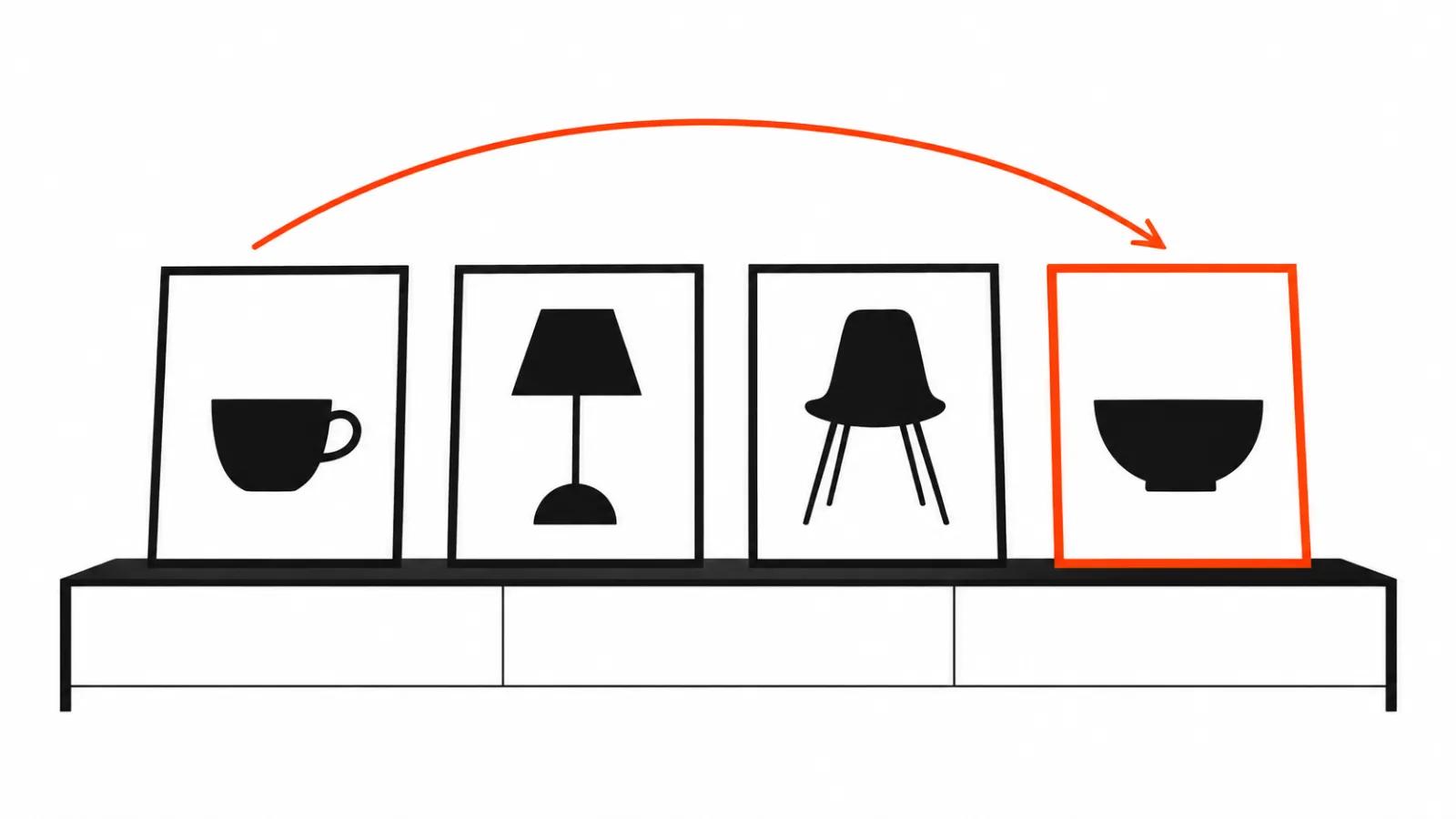
Character Swap casts a character into existing footage, so one spot can run in several markets with different faces, and a scene can be recast without a shoot day.
AutoComp swaps a product into existing footage while keeping labels and packaging accurate, and rolls a single spot across a product line.
Product Portfolio turns one product photo into a set of visuals for a launch, a catalog or an ecommerce page.
3D Camera Control sets camera position and movement in 3D space for previz, VFX, animation or an exact product angle.
Precise Edit marks an area of an image and retouches only that area, without rebuilding the frame.
Runway Pro builds a custom version of the platform around a specific pipeline, which the post calls one of the most requested tools among enterprise customers.
What is locked inside the app
One technical detail matters more than the list. An app runs the same models as the account, plus Brand Kits, Workflows, Assets and References. There are no API keys to manage and no hosting to set up, because publishing happens inside the platform.
The code stays visible, edits go in through language, every change can be previewed, and a creator can roll back to an earlier version. For a production team that means the tool does not become a black box that only a developer can repair.
The post says nothing about moving an app outside Runway, so plan on it living inside the platform.
What it changes for a studio
My claim: App Studio sells reproducibility. A client pays for the tenth video looking like the first one. Runway video generation stops being a button with a prompt, and the model becomes a part inside an interface the studio assembles.
That is a way out of the price-per-second conversation. When a client gets an interface where they upload a product photo and press a button, the deal is about a configured process with a clear owner.
The second effect is less comfortable. Once a process is packaged, it is easier to compare with someone else's. Experience used to explain the difference, and now the difference shows up in the number of buttons and the quality of the output at the input stage.
The third effect is scale. Short-form video at scale is assembled in series, and an app removes the need for a manager to remember the order of steps. Mistakes move from hands into the interface, which means they repeat systematically.
Access, rights and admin control
Output belongs to whoever runs the app on their own credits and saves to their Assets. The platform provides access control: an app is private by default, and team or enterprise accounts share it with colleagues, a project or the whole workspace.
An admin can turn App Studio off per workspace and decide whether public links are allowed. An enterprise app link requires sign-in with an existing account, and admins can see App Studio usage across apps.
The post says App Studio is included in every paid plan with no separate purchase, while building, running and hosting draw from the existing credit balance. Each app shows its usage, which is the only way to understand the economics before launch.
Money in this model follows runs. With one user the spend is predictable. When a department opens the link, credits burn faster, and that belongs in a pilot group test.
A one-week pilot
Pick one process that is done by hand today: product shots for a catalog, one video cut for several audiences, or a re-voiced version for another market.
Describe it as an app and limit the inputs to three fields. Hand it to two people who did not build it.
Measure credit spend and the number of revisions after delivery. If revisions stay where they were, the app did not solve the problem and needs a rewrite.
The conclusion
App Studio pushes the market toward tools. AI video production is no longer a novelty, while a packaged process with an interface is still rare.
A studio should treat this as a new product line: configure the process for the client's products and brand, with the client's team running it. Handcrafted videos stay where every scene needs its own direction.
For teams producing series, the only test that matters is reproducibility. If two operators get the same result, the saving is real.