What the box office showed
Sanxingdui opened in Chinese cinemas on October 23, 2026, distributed by Bona Film Group. It is the first fully AI-generated feature in the country to hold a theatrical release licence, the permit that puts a film on the same marquee as everything else.
By Thursday, October 29, the ticketing platform Maoyan counted about 1.42 million yuan in ticket sales, about $213,000. Production is estimated in the tens of millions of yuan. Even at the low end, the run returned less than a tenth of the money, and that figure comes before the cinemas' cut and the marketing spend.
Theatre occupancy had fallen to 0.2% by the same Thursday. In a 200-seat house that is less than half a viewer per screening. The market looked at the technology and went home.
The viewer called Zhang and the AI aftertaste
Global Times quotes a viewer surnamed Zhang. Seeing an AI film in a cinema was a novelty worth the ticket, and there the enthusiasm stops. His complaint is specific: the AI aftertaste is too strong and the plot falls apart.
A plot that falls apart is not a generator problem. A model renders a frame; it does not carry a character's arc for ninety minutes. The script and the shot list do that, and a person writes them.
Grok's Odyssey: seven minutes of soulless slop
In the same stretch xAI posted the first episode of its Odyssey on X, seven minutes cut in Grok Imagine. Musk has promised a full-length AI film by the end of 2026, faithful to the spirit of Homer. Foreign press called the first episode soulless slop.
Two releases in one week show the same gap. The picture already looks like cinema. The packaging into a story lags behind. Seven minutes get forgiven. Ninety do not.
What the director and the professor say
Feng Anrong runs an AI studio and traces the problem to a gap between the content and the market. Audiences buy a whole story when they go to the cinema, and a technology demo does not hold them. His line: one or two hits will not lift the industry.
Zhang Peng at Nanjing Normal University makes the same point from the other side: technology does not compensate for a weak story. An audience invests in a character's choices and fate, and the author invents those choices.
One caveat from Zhang Peng matters. He rejects the conclusion that AI only suits short form, and he puts the current weakness in long-form narrative control and in the production process. For inexpensive science fiction, fantasy and animation with a recognisable world, he expects workable results in three to five years. That timeline is about repeatable output, and a single lucky shot changes nothing.
Why 90 minutes rest on something else
Short video lives on a striking image and atmosphere. Fifteen seconds can be carried by one beautiful shot, and that is why advertising and music videos work.
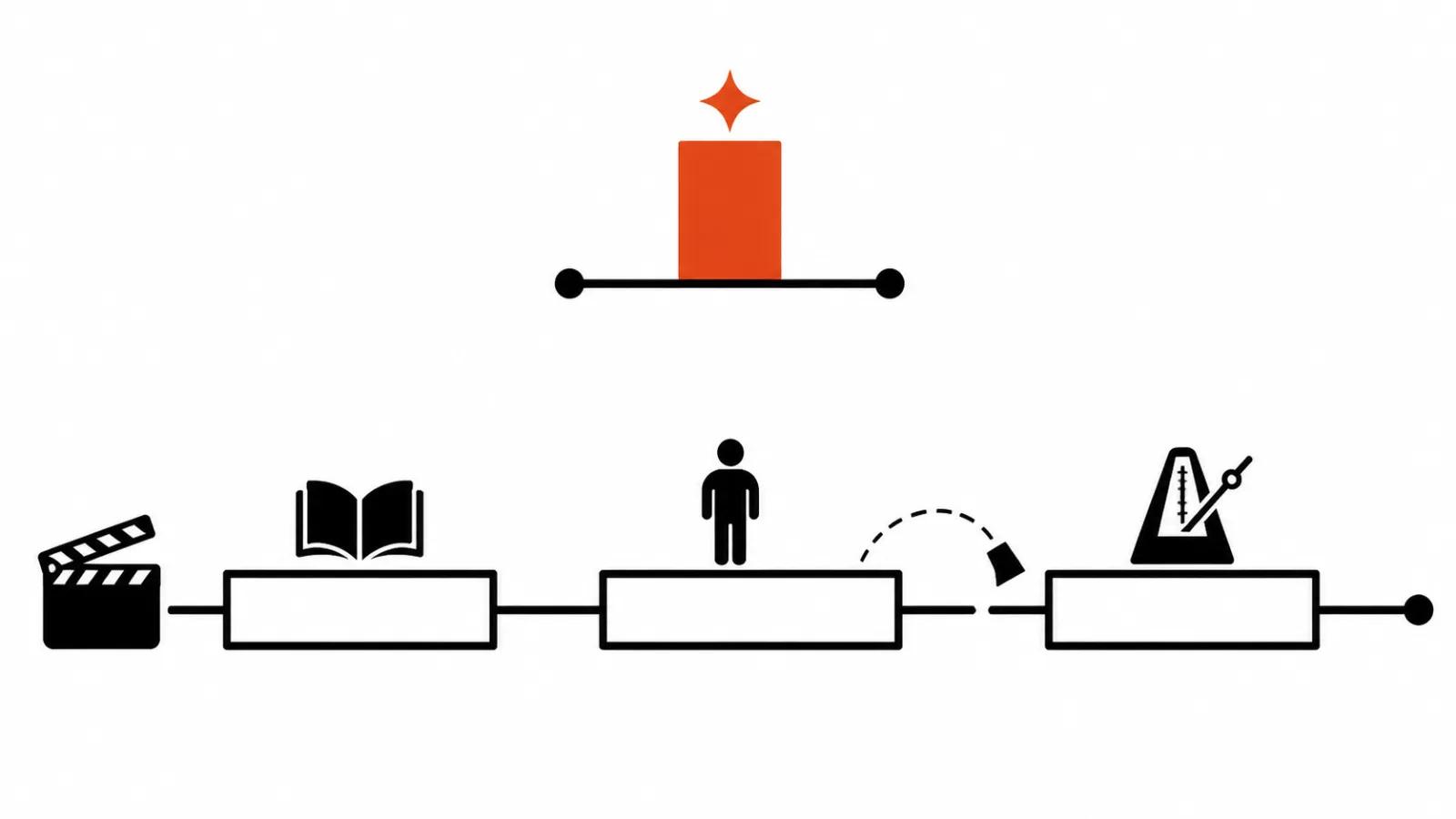
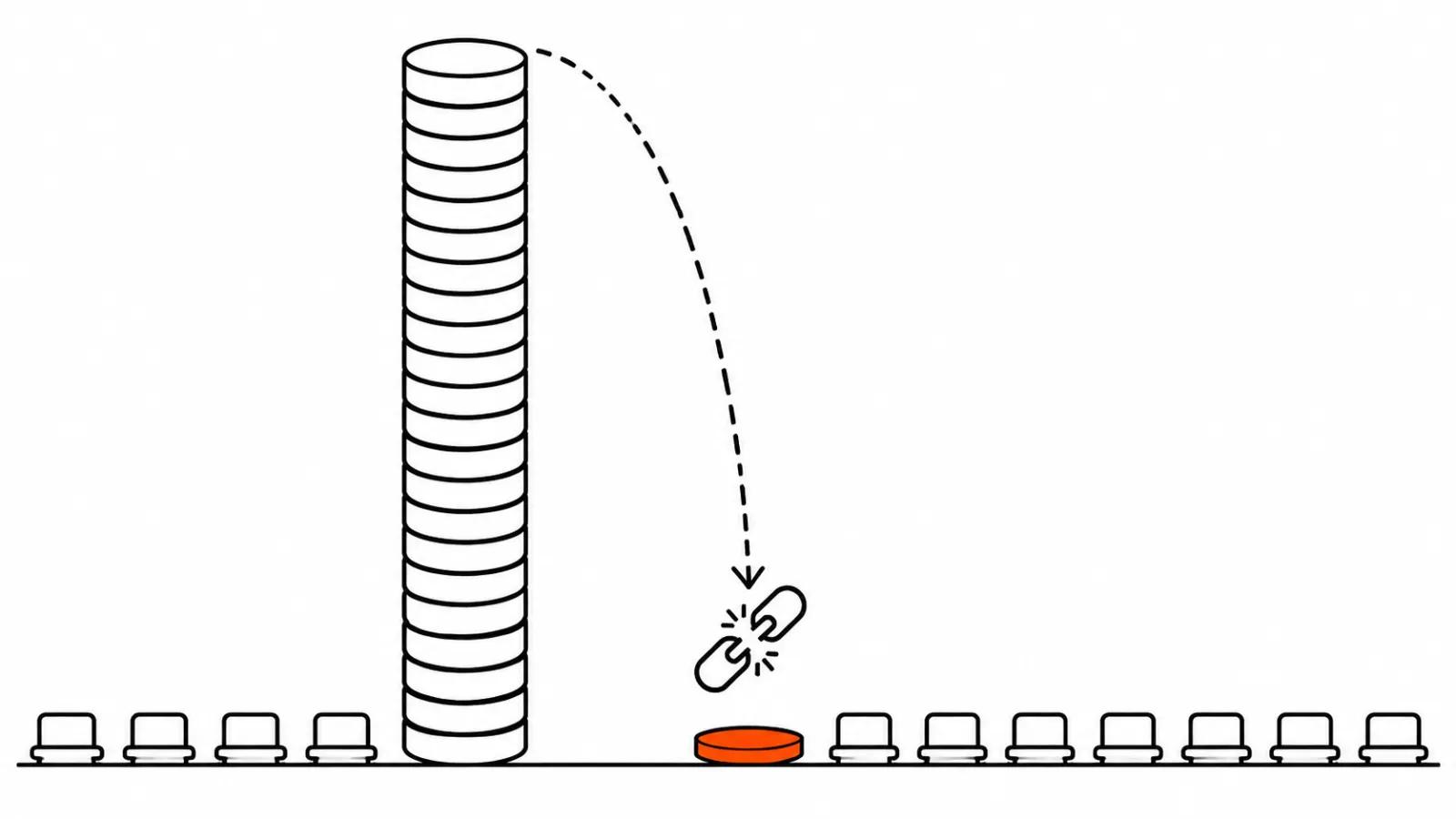
A feature needs three things at once: plot development, stable characters and pace. All three are management problems, where somebody has to remember what happened twenty minutes ago and what happens forty minutes from now.
A character whose face changes between scenes breaks trust in a second. Pace that sags in the middle empties the room. The generator does not spoil either one; it simply takes no responsibility for them.
Where AI video from a script already pays
My position is simple. The theatrical failure is a writing failure, and the generators had nothing to do with those numbers.
The formats that work today are short and specific. Ads, music videos, episodes of one to five minutes. The script is written around one product or one hook, the shot list fits into twenty frames, and a single visual idea holds the whole scene.
Episodes also beat features on cost. One hero, one world, reused assets, and a solid asset library saves more than any new model. For anyone building a channel, an AI YouTube channel (from $200 per month) is easier to start with a series: the plot exists, and viewers come back for the next episode.
What I would do in a studio this week
Three steps, no magic.
Then the arithmetic. Long form is carried by the script, the shot list and the person on the edit, and that is exactly the part you cannot hand to a model. When a video has to arrive turnkey, with drama and editing included, handcrafted videos from $190 do the job: they cost more than a bare render and they hold the story across the cuts.
For the step by step path, there is a separate guide on how to make a video from a script, from the first line of text to the final frame.
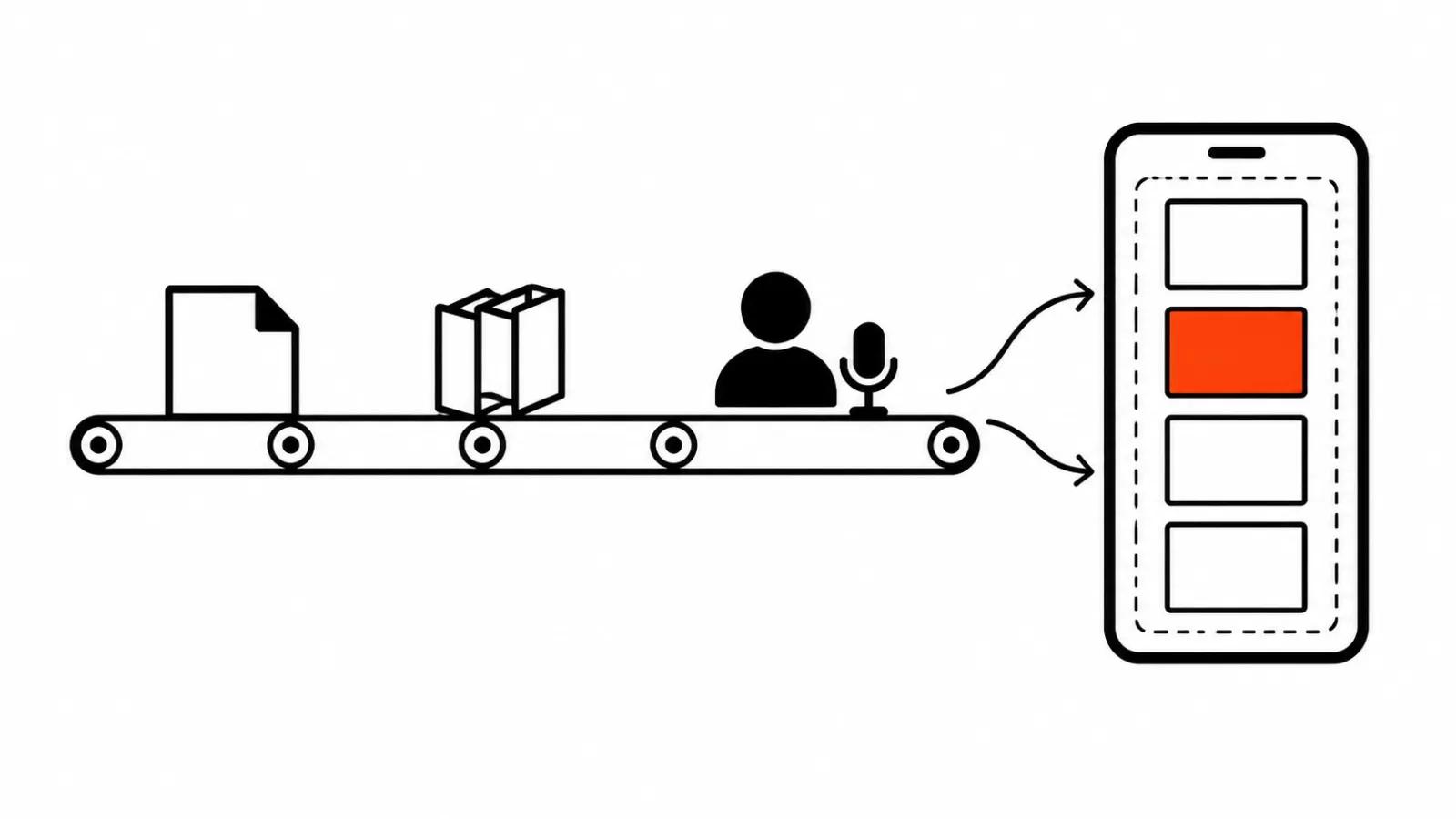
- Script and shot list before any generation. Twenty frames on paper cost less than twenty renders.
- One hero per series, with references for face and wardrobe. A model holds a face once you give it an anchor.
- A human on the edit. Cuts, rhythm and sound are manual work, and they decide whether anyone reaches the end.