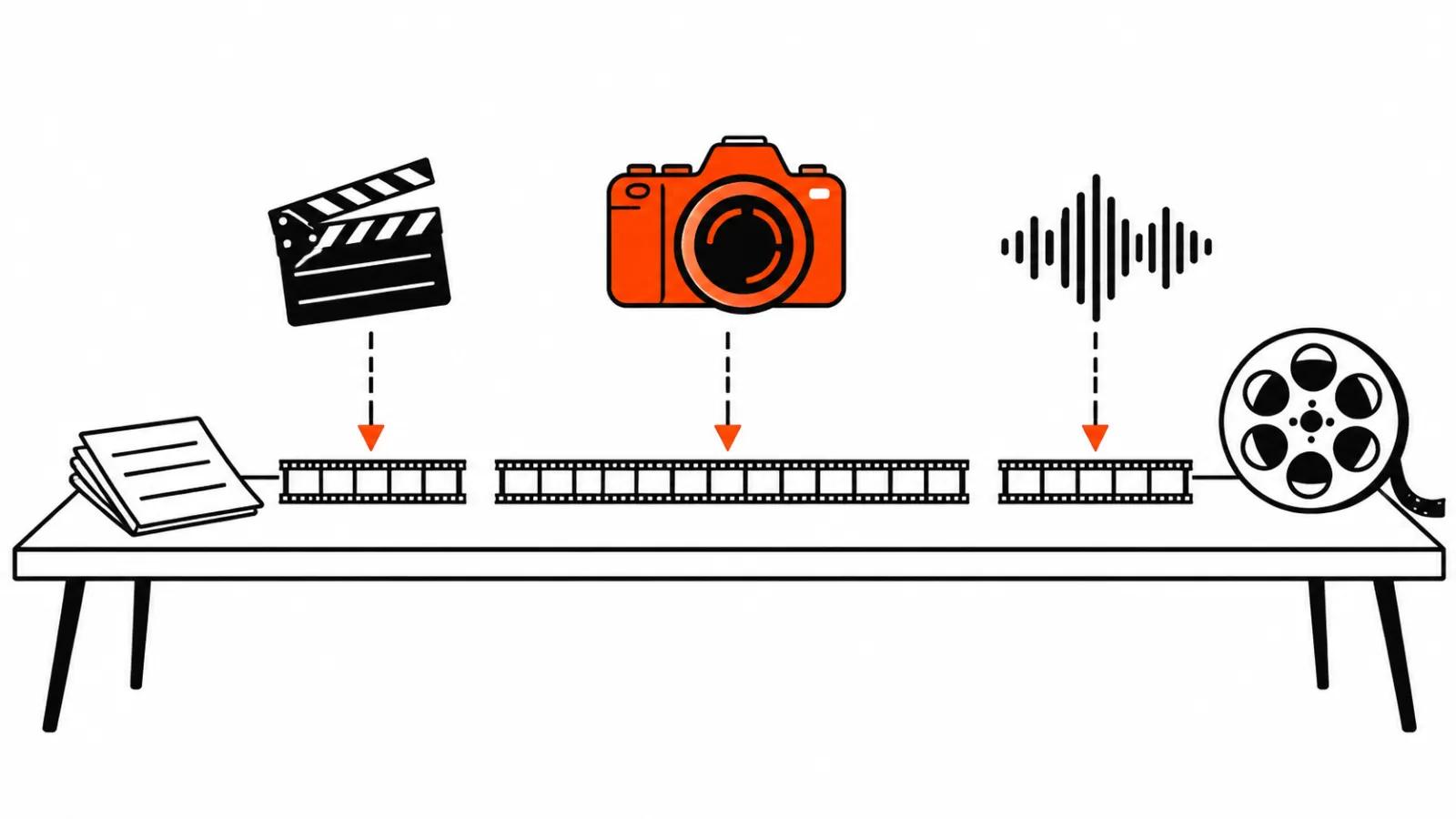
After the Sora shutdown the choice got wider
The top of the ranking now holds six models, each with its own shot limit and price per second. I covered the reasons for the shutdown in a separate piece on Sora, so this text stays practical: what to generate on in November and why one replacement will not cover it.
My position has not moved: there will be no new Sora. The slot she filled was composite, a draft engine, a product ad engine and a long-take engine at once. Each part has its own model now, and holding one universal tool costs more than holding two narrow ones.
Sora AI for making video: who took her place in the ranking
Artificial Analysis text-to-video, 7 November 2026: Wan 3.0 at 1172, Utopai X at 1169, MiniMax H3 768p at 1160, FLUX 3 Max at 1156, Seedance 2.5 at 1155, HeyGen Video 1 at 1153. Image-to-video with audio runs in a different order: Seedance 2.5 at 1159, Utopai X at 1147, Seedance 2.0 at 1135.
Two details here matter more than the positions. First, Gemini Omni 1.2 Flash, Kling 4.0 and Pika H3 Flex are not in the table yet, although they already carry drafts and fixes. Second, the gap between first and sixth place is 19 points, and your own material flips it easily.
The ranking tells you where a test should start. Your brief decides the rest, because product, light and motion differ across every job.
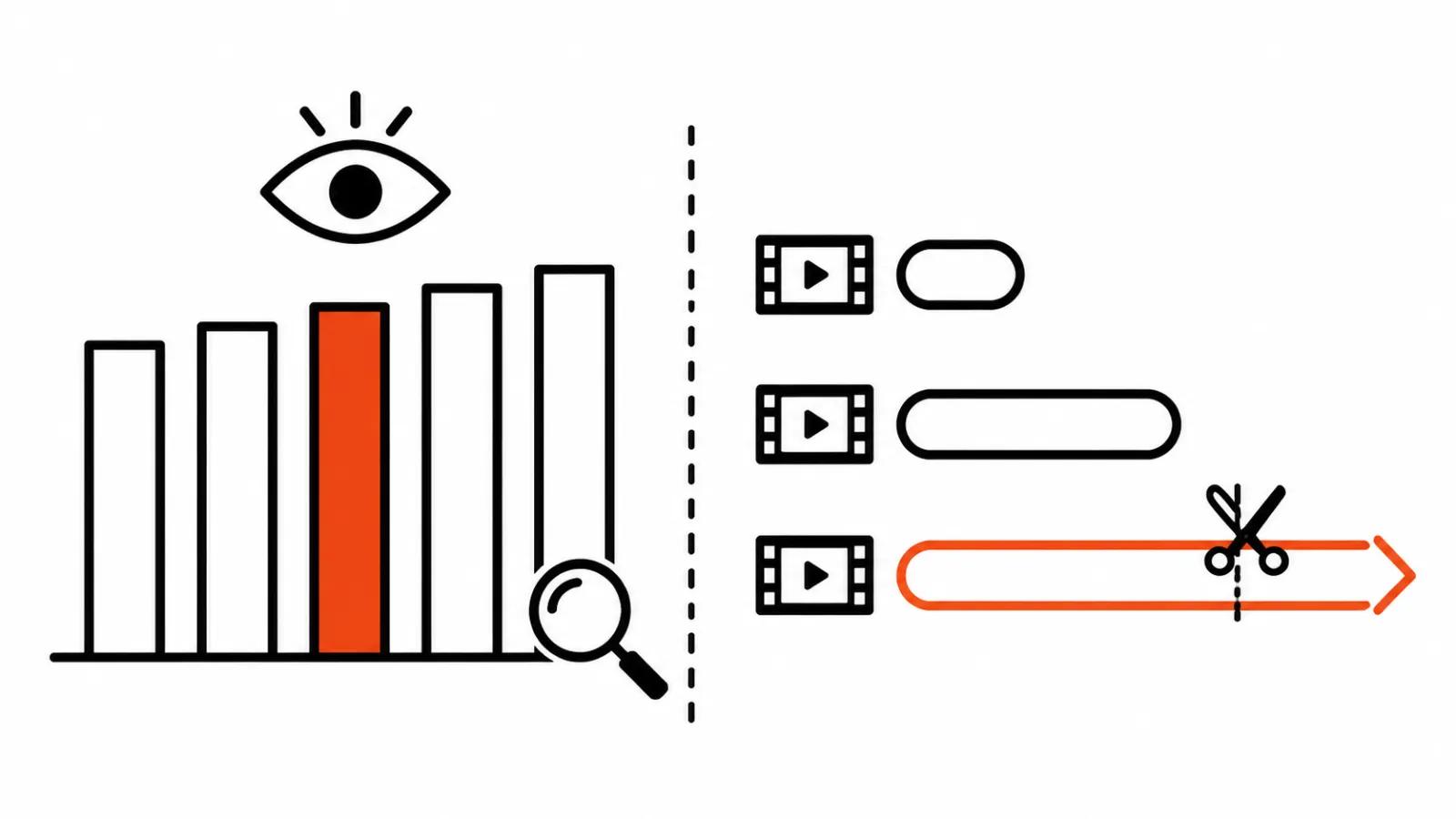
Shot length: 30 seconds rewrites the storyboard
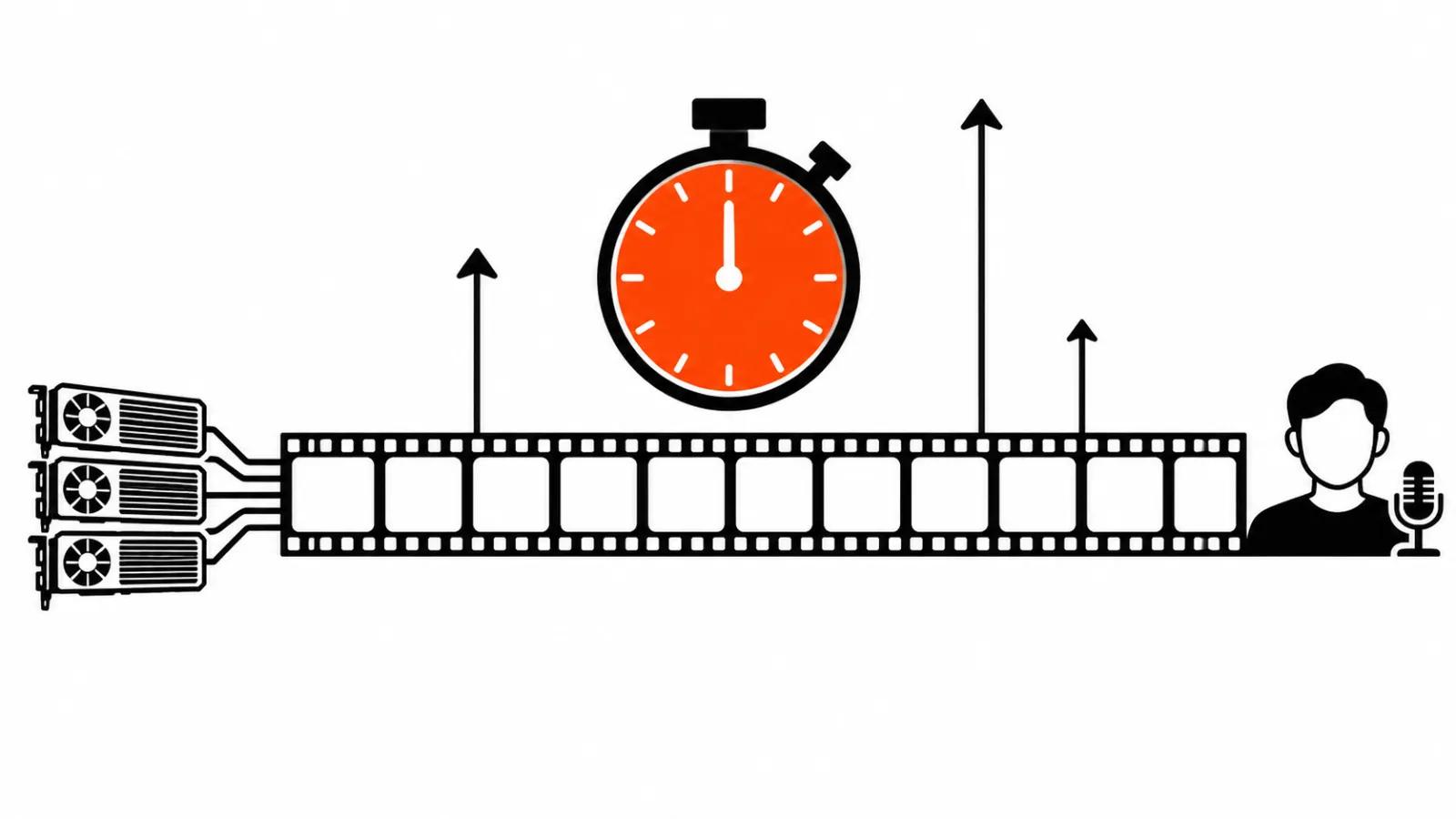
The Luma summary from 6 November: Seedance 2.5, Wan 3.0 and Kling 4.0 reach 30 seconds per pass, FLUX 3 reaches 20, Veo 3.1 reaches 8 with extension.
The difference shows up in the edit. A 30 second pass is one shot in place of three cuts, and no camera move is needed to hide a seam. Eight seconds with extension gives tighter control over each fragment and adds cuts.
A product film often needs 15 seconds when the script is written for one shot. A story that moves between locations needs 30 seconds, or two cuts.
Price per second: a draft costs less than a final
Gemini Omni 1.2 Flash shipped on 5 November: 3 to 15 seconds, about $0.07 per second at 720p, dialogue edits and SynthID marking. For a draft it is the best value on this list, because the fixes are spoken straight into the chat.
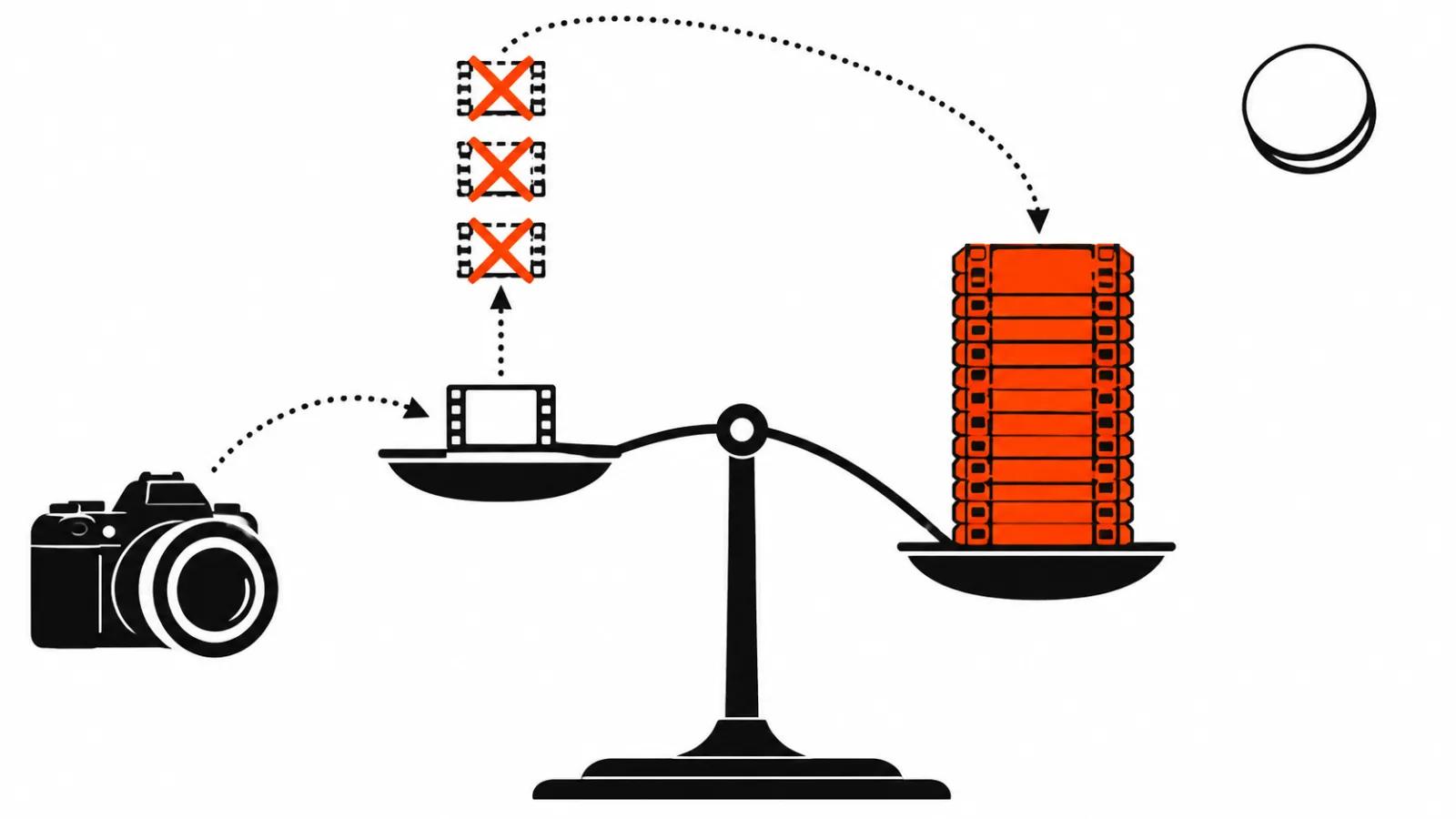
Kling 4.0 in the full version costs about $0.157 per second at 720p and $0.235 per second at 1080p. Runway keeps a 20 percent discount on Kling 4.0 through 30 November. Thirty seconds at 1080p lands near $7.05 at full price, or about $5.64 with the Runway discount, while a 15 second draft on Gemini Omni sits near $1.05.
Pika H3 Flex offers 15 free generations a day on Creator and Fancy plans until 15 November. That is enough to compare it against your chosen model on your own brief without topping up.
How to pick a video model for the shot
The order is short. Product ads with references: Seedance 2.5 or Kling 4.0, Seedance 2.5 leads image-to-video with audio, and Kling 4.0 takes up to 15 references. Cheap drafts and dialogue fixes: Gemini Omni 1.2 Flash. One long take with no cuts: the 30 second models. Your own hardware and private footage: open weights, where LTX-2.5 at 22 billion parameters (Luma, 6 November) and the open Wan builds live. I went deeper on that in the guide to a local model with audio.
One check comes before everything else. If faces and hands are in frame, the test starts there, because the ranking is scored on general scenes and each model fails its own way.
How we run it
In production we keep two or three models and switch per shot. We cost AI video production per film: drafts run on the cheap model, final frames on the model that holds the product and the reference.
Vertical ad sets ship as a series of versions, and that has its own logic: one model across every version produces similar faces, so versions get spread across tools. When the frame, the light and the face need a person in charge, handcrafted videos from $190 take over.
My conclusion
There is no single Sora replacement, and that is fine. The market now looks like an edit bay: each shot has a tool, and production work is holding the set and knowing which shot closes on which tool.
Were I running a studio that generated everything in Sora yesterday, I would take two weeks for tests, run my brief through Gemini Omni 1.2 Flash and Kling 4.0, price a second against the real length of the film, and only then commit to a plan. The 7 November ranking answers "what to look at". A test answers "what to work on".
One more thing. Tell the client which model goes to final. A model switch most often shows its drop on faces and hands. A sentence about two models in the pipeline is cheaper than redoing a batch.