Why the season shrank to twelve seconds
Guides for this season describe the same deliverable: a vertical 9:16 clip, twelve seconds long, with a slightly unsettling beat underneath. The short runtime is economics more than taste. One service in those write-ups charges 9.99 USD per clip, or 29 USD for five. A shorter scene means fewer retries before a usable take.
Next to the costume mechanics, feeds also carry Ghostface and Y2K horror, plus a pumpkin-head effect. All of them run on one trick: a familiar object, then a swap in the final frame.
Halloween video ideas: three formats that work today
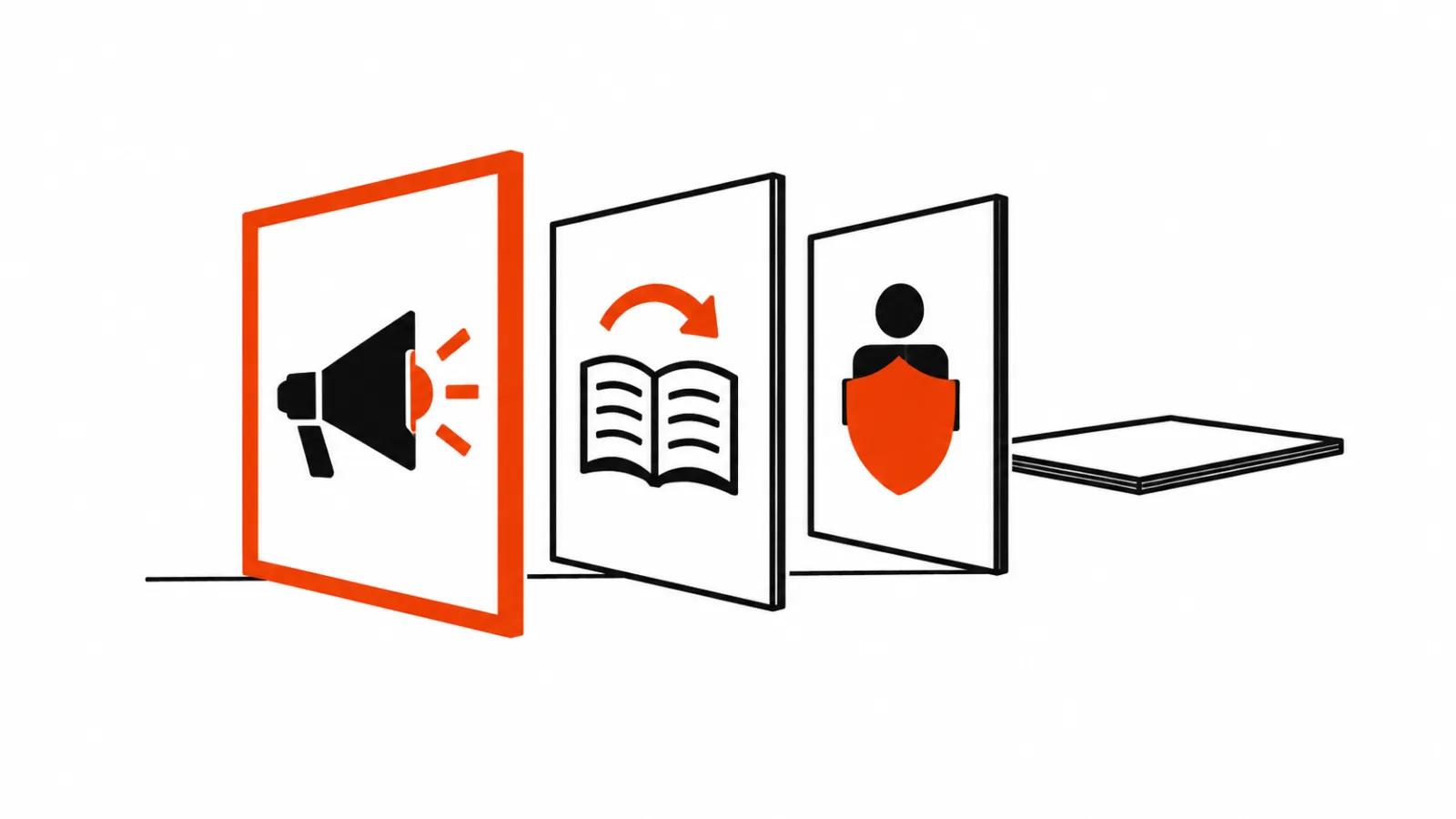
There are three mechanics this season, and each one fits in a single sentence. That matters for a generator, because a short instruction leaves less room for the model to wander off.
The first format holds attention longest, the third is the cheapest to produce. The second wins on volume: one shoot can be run through three costumes.
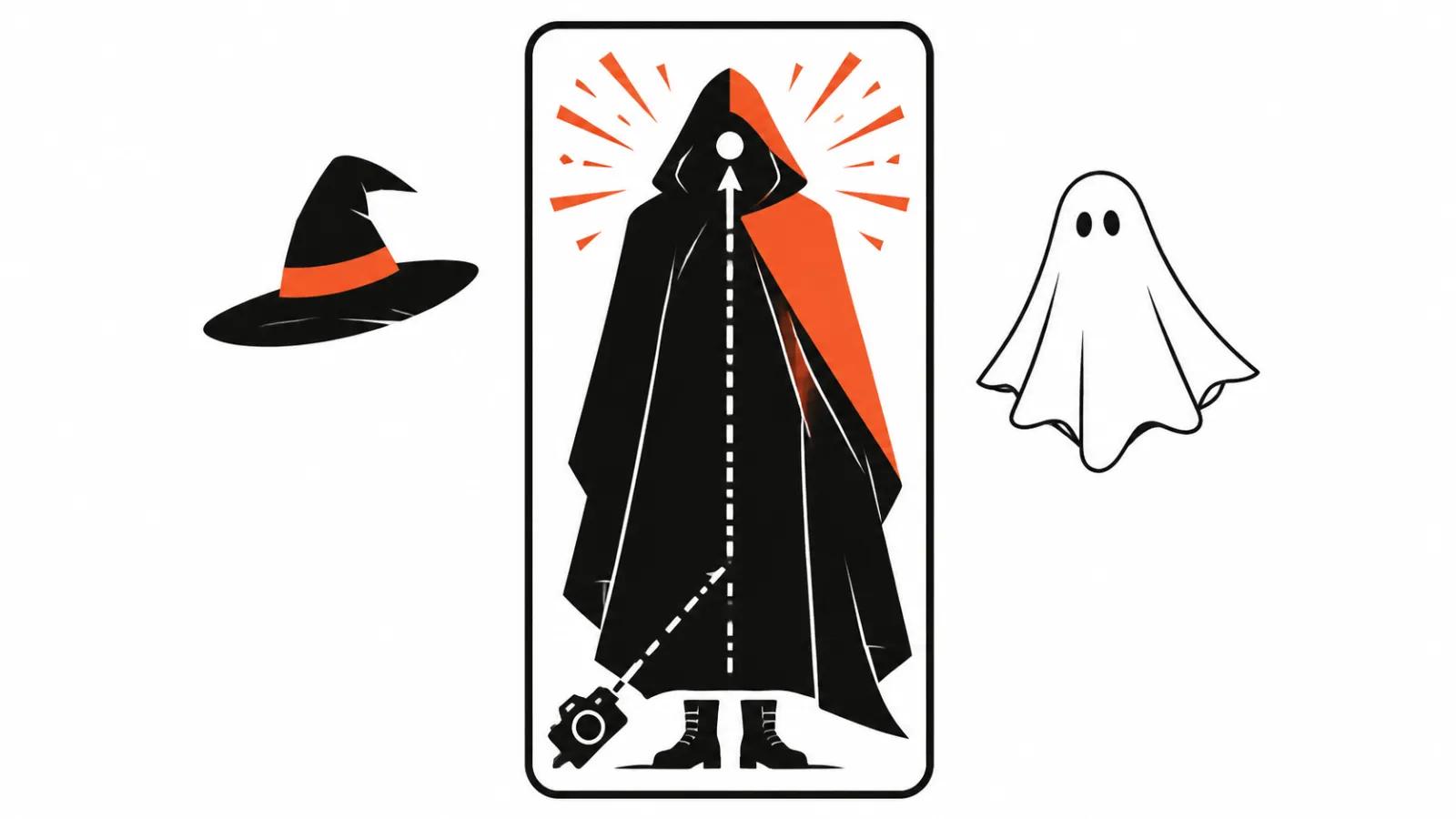
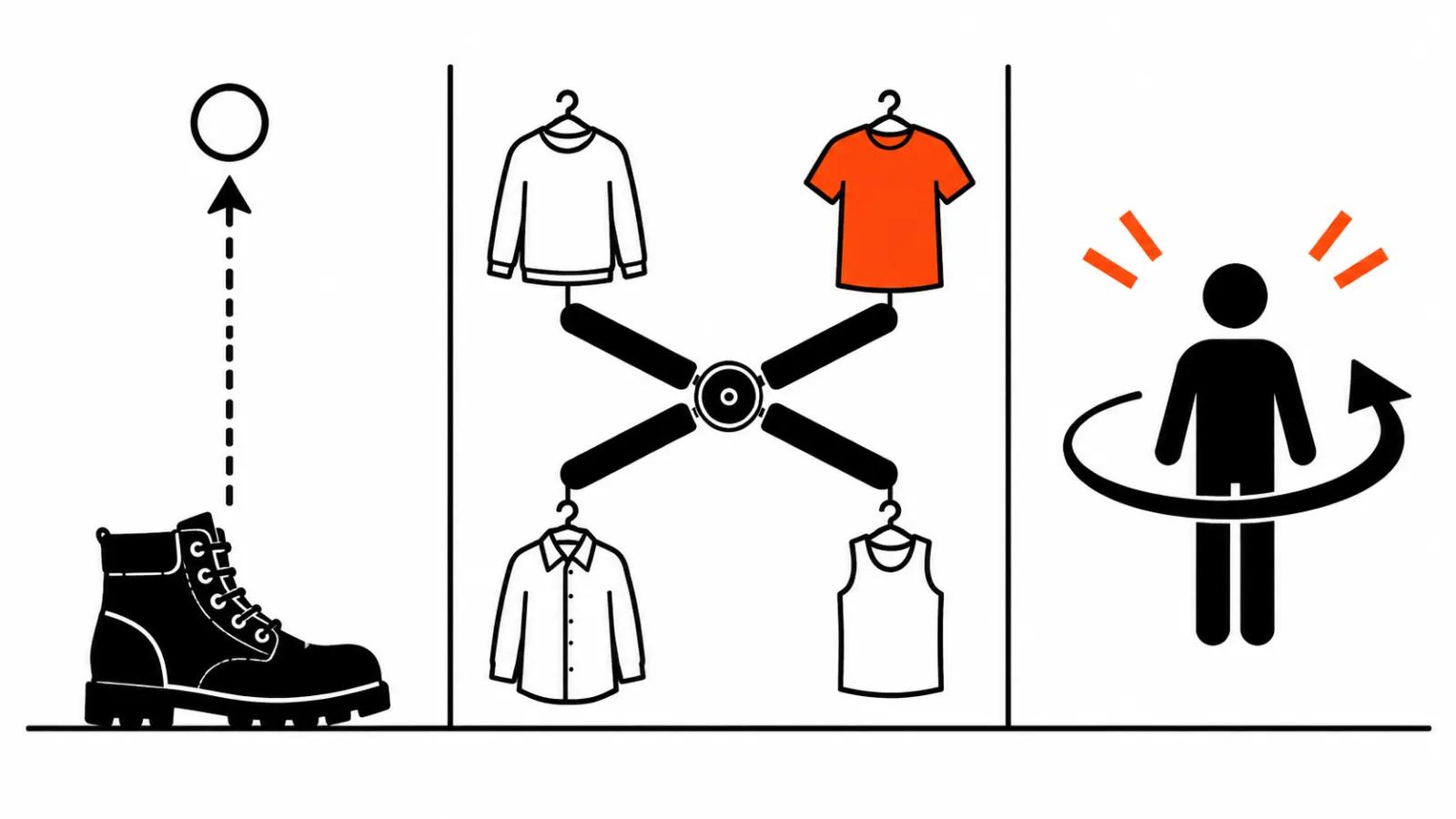
- Costume walk. The camera starts at the boots and climbs slowly along the costume until the face shows up in the last frame.
- Ceiling fan outfit change. Shot from above, through the fan blades, and every blade that passes swaps the outfit. One pass gives three or four looks.
- Spin transformation. A turn inside sparks, landing already dressed.
Choosing the model for the effect
Tool selection in the guides follows the kind of motion you need.
Kling handles controlled movement: reveal, turn, a multi-stage transformation. If the camera has to travel down the body and stop on the face, that is a Kling job. Pika is built for short playful effects such as melting and popping. She does funny better than frightening. Higgsfield gets picked for dramatic horror transformations and camera work.
The order of work stays fixed: a three-line beat sheet first, generation second. If an effect misses three times, switching models is cheaper than nursing the prompt.
Photos that survive generation
The source frame decides more than the prompt. The rules are plain: face to camera, soft light, no glasses, and for a full-height shot the legs have to be in frame. A phone portrait taken in a hallway works when the light is even.
One frame per costume. The fan and the spin are both assembled from several sources, and they all need to be shot from the same spot, otherwise the cut falls apart.
With a single half-height source, a face-swap service is the shorter route to the same result. I covered those separately.
What the services reject
The limits are roughly the same everywhere, and they sit in each service's terms.
Publish with the AI label switched on. Moderation reads it more kindly, and viewers comment less about being fooled.
- Characters and brands from films.
- Blood and weapons.
- Children in photos.
The "which costume" poll as brand engagement
The liveliest business format this season is a poll: which costume should I wear. Followers vote in the comments, and the next clip drops with the winner. The engagement comes from the mechanic itself, no prize needed.
Then the trick gets simple. A costume change turns into a product change: one scene, different items in frame. For a clothing store that is three looks in a single fan pass, for a coffee shop three packages, for a salon three haircuts.
When you need a dozen clips across cities and stores, AI video ads built on one template do the work. Where a real person has to carry the frame and their face holds the trust, handcrafted videos from 190 USD come with the price agreed before the first take.
TikTok video ideas that outlive October
The formats ignore the calendar. The ceiling fan swap moves into a holiday series, and a spin inside sparks reads as festive just as easily. In my December breakdown I walked through an AI Christmas video built on the same mechanic, along with the music-rights story that came with it.
My list of TikTok video ideas is wider than three mechanics: trend breakdowns and combinations that fit specific niches. Halloween is one seasonal chapter in it.
An evening is enough. Twenty minutes of phone footage, a couple of minutes per generation, and an edit that mostly means locking cuts to the beat.