How a dealership task differs from a product one
A car is bought differently from a household item. The deal is long, the price is high, the choice is tied to a city, and buyers research the market for months before their first visit. Video in this niche lives across the whole journey, so the requirements are different too.
Cox Automotive's 16th annual Car Buyer Journey study, published in January 2026, puts the numbers like this. Used-car buyers visited an average of 4.8 sites before purchase, and new-car buyers 4.0 sites. Completing every step in the showroom in person was the norm for 53 percent, only 7 percent bought fully online, and 63 percent called a blend of online and offline ideal.
The gap between intent and practice shows up at each step of the paperwork. Applying for financing online is wanted by 48 percent and done by 33 percent. Selecting F&I products online is wanted by 40 percent and done by 16 percent. Agreeing the final price online is wanted by 37 percent and done by 19 percent. According to a separate LinkedIn post citing the same report, 25 percent of new-car buyers in the US used an LLM or AI summaries in the buying process for the first time.
That gap is the story for video. A buyer is ready to go further online than the dealership currently takes them, and a clip that honestly shows the car, the options and the next step closes part of the distance.
The clips a dealership needs
The list is short, but every item covers its own step. Lengths and ratios for each placement are covered separately in the guide to video ad lengths by placement; what matters here is what actually gets made for a dealer.
A single-car walkaround. Body, cabin, key options, price. CarMagics, in a roundup dated 22 October 2026, recommends keeping such a walkaround to 45-90 seconds and a social clip to around 15 seconds.
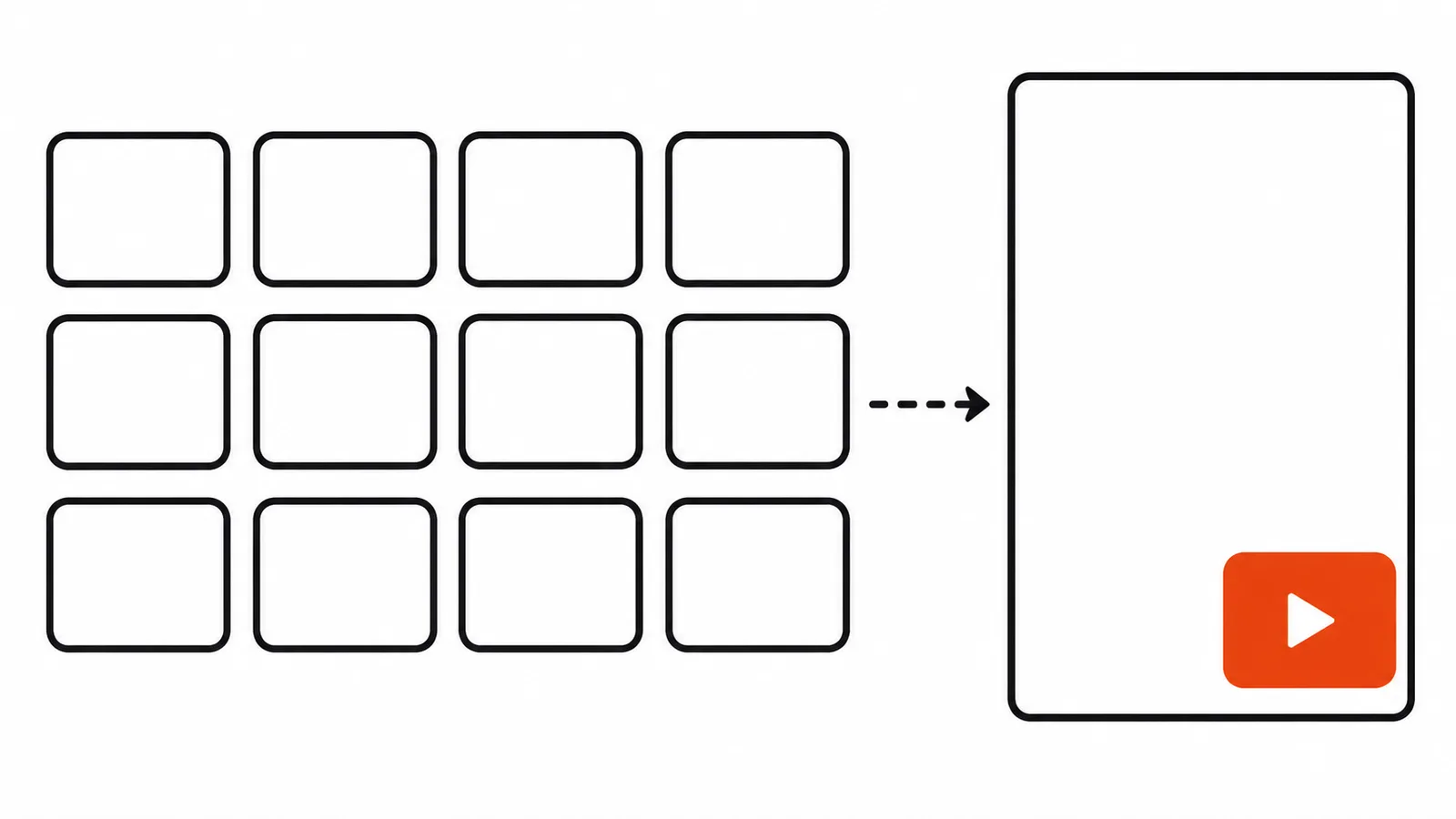
A short vertical clip for placements. This is where vertical videos for business do the work: one frame, one idea, a fast entry. Social formats route traffic to a model page or a landing page, and 9:16 vertical video ads are the main tool there.
A brand film for the dealership. It shows the showroom itself, the team, the service and the atmosphere of the place a buyer will drive to.
A landing-page video. It lays out the model, the terms and the next step for a visitor who is already on the site.
There is also a general case for video in this category. Think with Google, on its auto shopper demographics page, reports that over 70 percent of car buyers say online video helped them learn more about a vehicle they were considering. Men make up 70 percent of online auto buyers on the same page.
Vendors add a time-on-site argument. CarMagics, in the same 22 October 2026 roundup, cites a 2021 study by the vendors LESA and Vistadash across 100 dealerships, finding buyers spent 44 percent more time on dealer sites that carried vehicle video. That is a supplier study, and it is worth presenting as a vendor claim. It is not an independent measurement.
Where video works and how a dealer prices it
A dealer looks at a clip against its acquisition budget. CarMagics cites NADA data showing US dealers spent 739 dollars on advertising per new vehicle sold in 2025. That is the benchmark a dealership compares a video against. If every car sold carries 739 dollars of ad spend, a clip that runs for months across many buyers is measured on the same scale.
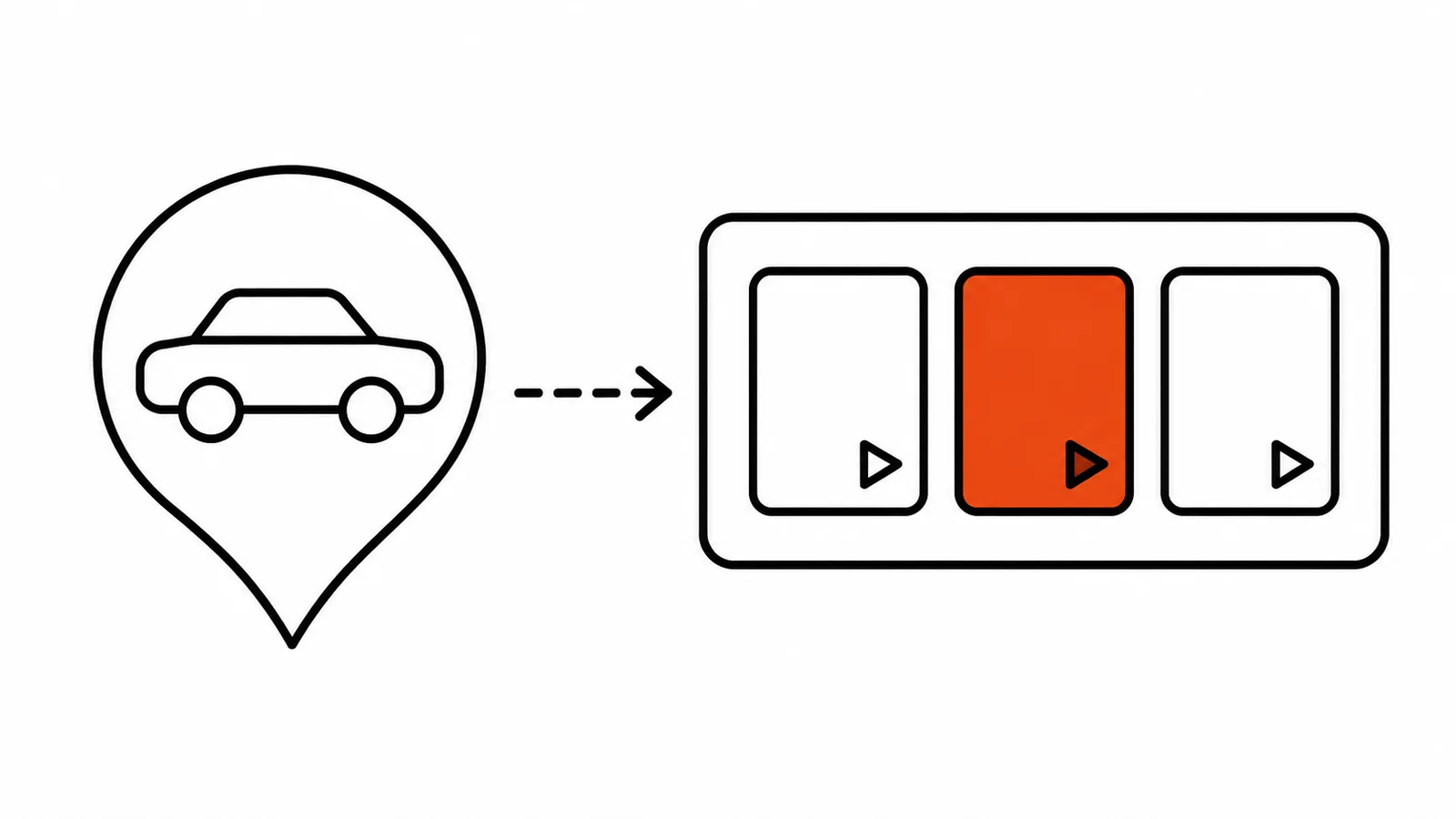
Geo dependence settles a lot here. A market overview of dealership marketing describes dealership promotion as geo dependent: a buyer searches for a dealership in their own city, and the purchase is stretched over time. Competition between dealerships is high, and budget spent reaching another region is almost always wasted.
Who takes the work on
There are four typical options. The dealership's own marketing team does part of it, usually simple clips made from photos and text. A videographer by the day films the actual cars and the showroom. A production vendor at scale ships mass formats in batches for each placement. Generation from car photos and whatever source material exists covers backgrounds, versions and unusual shots. Each path fits a task, and the question is what exactly has to be shown.
What the market's budget is made of
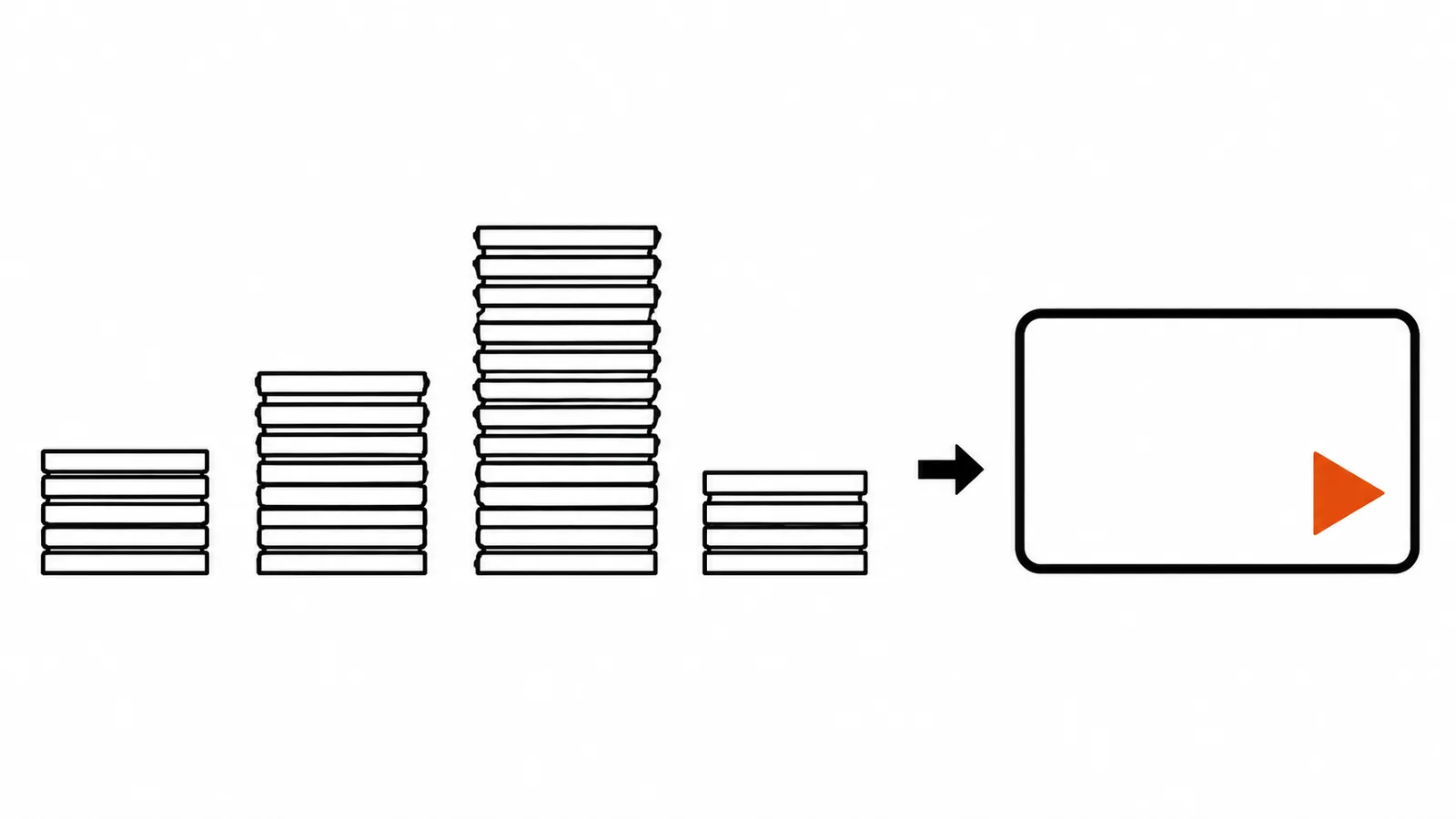
A market estimate comes together from several blocks. Crew days: how many days the team works. Crew size: operator, lighting, sound, director. Location: showroom, track, city. Graphics and animation. The number of versions per placement. Every extra shooting day multiplies crew and equipment costs, so the number of days is worth confirming before signing.
One detail matters in this niche. A narrative clip with a car almost always needs the real object filmed, because the exact trim, colour and price have to look accurate. A dealer cannot show a car that is not in stock, and cannot change the options on screen at will.
What can be generated and what cannot
The split is simple. Brand and atmosphere shots can be generated: background, city, showroom, mood inserts, transitions between scenes. Secondary scenes and placement versions are cheaper to cover with AI video production. That is how volume gets built without sending a crew out.
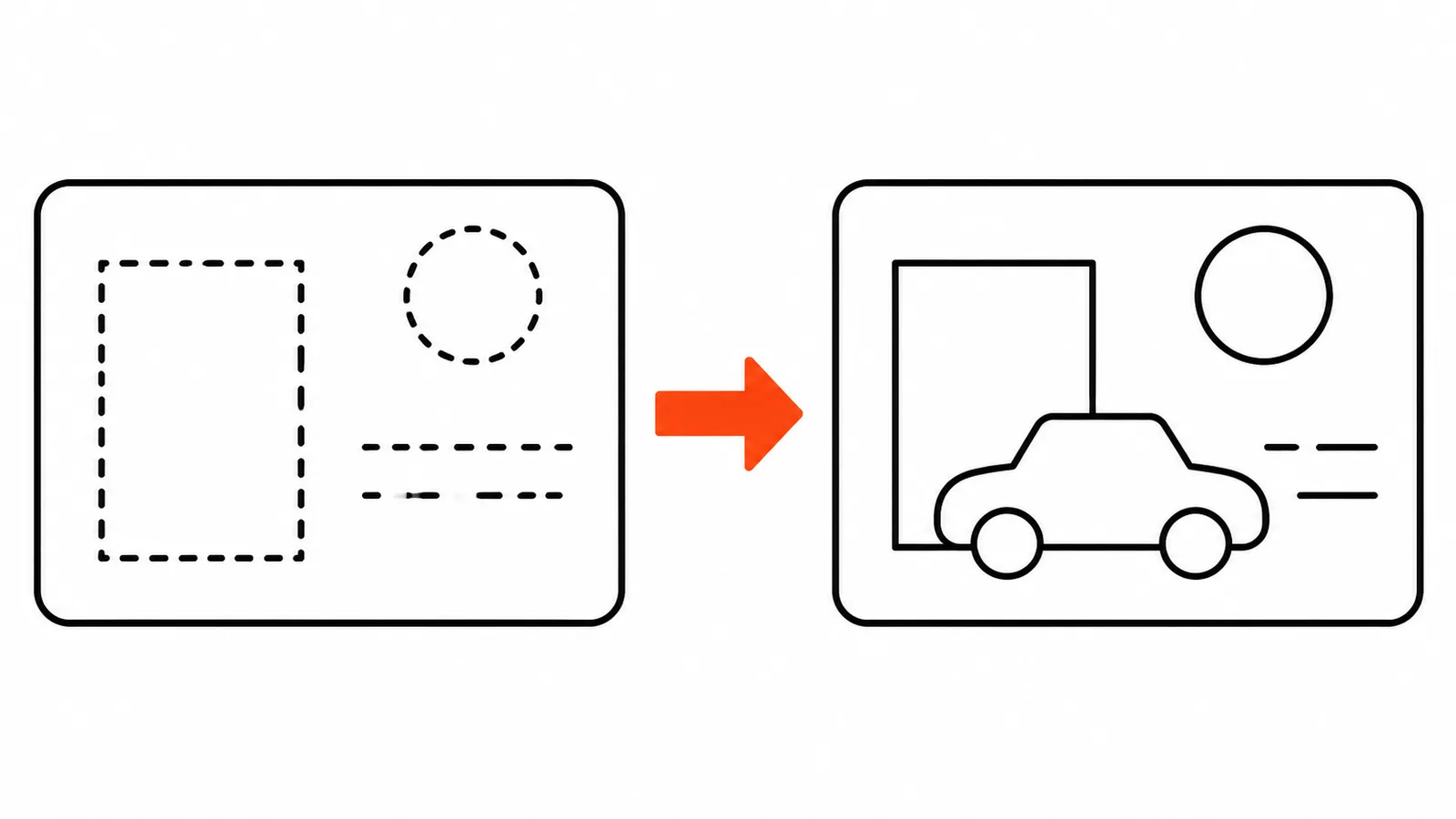
A specific car with real options and a price needs genuine source footage. Generation can supply the background and the motion, but it reproduces the texture of a particular vehicle only approximately, and that is exactly what a buyer checks. Where the exact trim has to be on screen, the camera stays.
Mistakes dealerships make
The first: a clip with no offer and no price. A pretty picture with no clear next step collects views and produces no leads.
The second: different cars under one template. One treatment laid over ten models reads as advertising without an address.
The third: ignoring geo. A clip with no city and no dealership address spends budget on an audience that will never drive over.
The fourth: no versions per placement. The same file does not perform equally in a vertical format and on a wide screen, and it ends up being redone. Separate ad creative versions are better assembled from a single shoot up front, one per placement.
The fifth: skimping on versions. A single treatment with no variants gives nothing to compare, and the next round has no baseline.
Our offer
For dealerships we produce both an AI commercial for a specific model and vertical formats at scale. Handcrafted videos run from $394 per video, up to 90 seconds, with editing and music included and a first batch in about a week. Vertical videos at scale and 9:16 vertical video ads are billed from $2.47 CPM. The full rate card for every format is on our pricing page. If the task is one model or a whole lineup, send a brief and we will quote it.
Reach us on Telegram @neurocartel_sup, WhatsApp +7 993 909-98-29, or email info@neurocartel.com.