What happened on 15 November
Gemini Omni 1.2 Flash went to general availability on 5 November, announced on Google's blog. Price is about 7 cents per second at 720p.
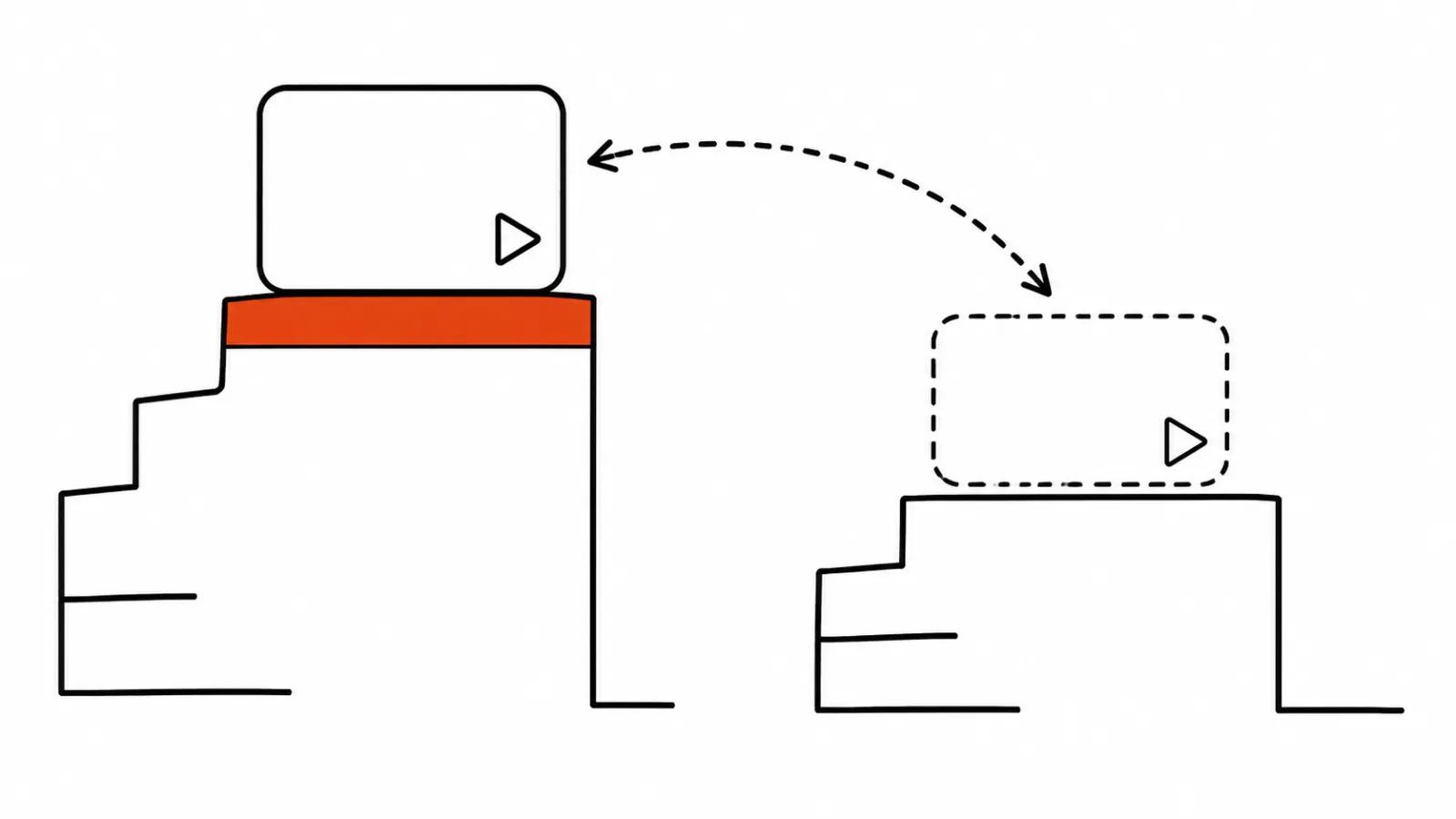
Ten days later, two public boards put the model in different places. Design Arena, its main video board, had Omni 1.2 Flash first at 1369 across 4,201 votes on 15 November. Then Omni 1.1 Flash at 1357, the original Omni Flash at 1338, HeyGen Video 1.0 at 1329 and Wan 3.0 at 1318. Five models inside 51 points, which is a very tight group.
Artificial Analysis had the same model fifth at 1152, with a rank range of 3 to 9. That table is text-to-video with audio, 34 models in it. The top is nearly a tie: Wan 3.0 at 1175 and Utopai X at 1172.
One model, one day, two different answers to "which AI video model is best". Here is where the gap comes from and what a client should do with it.
Two boards, two different questions
The first thing to understand about any video model ranking: the board answers its own question. Yours is not on the table.
Design Arena runs pairwise votes. A person sees two clips and picks the one they like. The score comes from how often a model wins its matchups. The board does not split voting by task, it has one general video feed. Which explains first place: in a blind side-by-side, Omni 1.2 Flash wins more often than anything else.
Artificial Analysis works differently. It splits models by task: text-to-video with audio, text-to-video silent, image-to-video, video editing. It publishes a rank range next to the score, because a sample of votes gives you an interval around a number. Fifth place with a 3 to 9 range means the model could land third or ninth on a different set of matchups.
The two scales are unrelated. 1369 on Design Arena and 1152 on Artificial Analysis say nothing about each other, and subtracting one from the other is meaningless. Both boards count honestly, they ask different questions: what people pick in a blind test, and how a model performs inside one task.
Top video models by task: four rows, four leaders
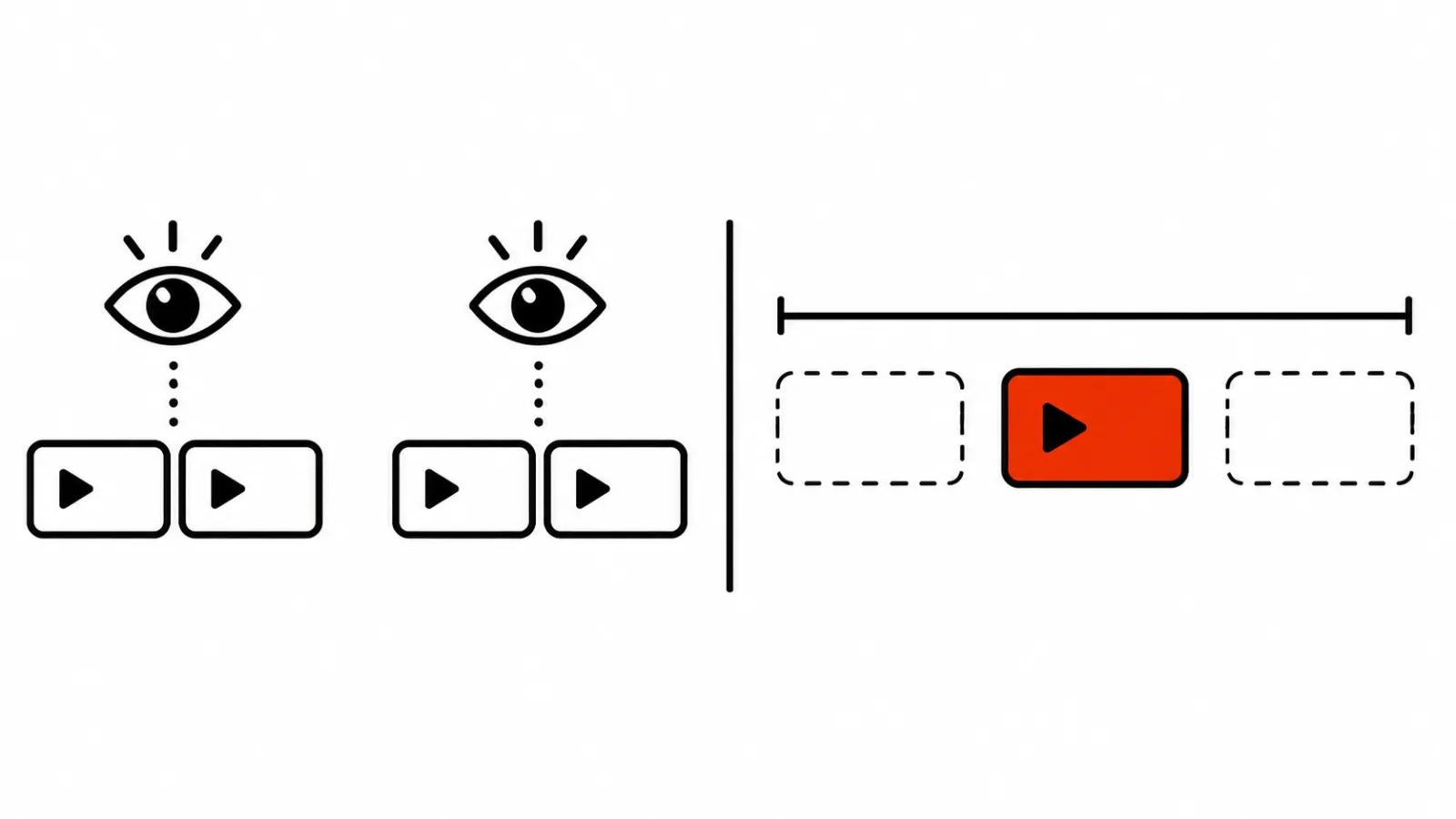
Sort the Artificial Analysis data by task and the picture changes line by line.
Text-to-video with audio: Wan 3.0 (1175) and Utopai X (1172) at the top, Omni 1.2 Flash fifth (1152). The gap between first and fifth is 23 points, which is noise next to the size of the rank range.
Text-to-video without audio: Omni 1.2 Flash seventh at 1113. Same product, different row, different place.
Image-to-video with audio: Omni 1.2 Flash fourteenth at 1085, while Seedance 2.5 holds 1161 in that row. For ad work built from a product photo or a still from a shoot, this is the row that matters, and the favourite there is a different model.
Video editing with audio: Wan 3.0 first at 1196, Omni 1.2 Flash second at 1164. The model sits close to the leader here, because cutting an existing clip is easier than building a scene from nothing.
The leader in text-to-video comes with a caveat. Utopai X launched on 30 September and lives only inside the PAI platform, with no public API. The score exists, wiring that model into your pipeline does not.
The price of a minute: a fourteen-fold spread
A score without a price decides nothing, so I read both numbers together.
In the Artificial Analysis rows, Omni 1.2 Flash costs $6.26 per minute. The previous Omni 1.1 Flash was $9.12. The new version is roughly 31 percent cheaper, and that is an argument for a series of clips. On one test shot the difference is not the deciding factor.
Then there is the wider market. Rows three to eight in text-to-video run from $2.40 for HeyGen Video 1 to $34.12 for Seedance 2.5 per minute. Fourteen times the price across models whose scores sit tens of points apart. For a client, that spread matters more than any single rank.
On the Google price, about 7 cents per second at 720p works out to roughly $4.20 per minute on that line. Different metric from the per-minute row on the board, same direction: entry into this model is cheap.
How to read a video leaderboard as a client
My routine takes five minutes.
Open the row for your task. Building a clip from a script means text-to-video. Building one from a product photo means image-to-video. Fixing an existing cut means video editing. A general ranking without task splits answers somebody else's question.
Look at the range. Fifth place with a 3 to 9 interval reads as "top ten", and arguing over two lines in that table is a waste of a meeting.
Put the price per minute next to it. A mid-table model at $2.40 and a leader at $34.12 give you different budgets for a run of twenty clips.
Then run your own test shot. One five-second frame from your scene, three models, a look at 100 percent zoom and on a phone. A leaderboard tells you what a model does on average, a test tells you what it did to your frame. The same logic drives the eight-task test across Seedance, Kling, Vidu and Wan.
What I do when a new model lands
Omni 1.2 Flash, as I read it: a cheap workable option for long series where consistency matters, and a weak option for ad work built from a product photo.
My check is simple. Take the worst frame in the client's scene, the one with fine texture and camera movement. Run it on two or three models from the top of the relevant row. Compare edges, mid-shot faces and how the background behaves between frames. The decision comes from that test, and the board stays as a budget reference.
When a job grows past a single shot into dozens per series, it turns into production work. AI video production usually runs in batches of versions, and that is where a consistent look across clips becomes a requirement. A person owns every frame in those batches, which is why handcrafted videos from $190 and a stream at up to $2.40 per 1000 views sit in different budgets with different accountability for the result.
One more habit that saves time: check the boards every two or three weeks. A daily look burns hours for nothing. Models ship faster than you can move a pipeline, and yesterday's first place usually slides to third by the next release. That already happened to Omni 1.1 Flash, which held second place until 1.2 arrived.
My conclusion
There is no such thing as "the best video model", and both boards prove it with their own numbers. Omni 1.2 Flash is first in Design Arena's blind voting and fifth in Artificial Analysis text-to-video, and both results are true because the questions differ.
What I tell a client to keep is three numbers: your task, the price per minute, the result of a test frame. Whoever picks a model off the top of a general table pays for somebody else's test.
If you want the earlier picture, we have an image-to-video leaderboard breakdown and a roundup of the best AI video models 2026. Read them with the date in mind, since these boards move every week.