Comparing AI video models: who tested what
The test ran on November 13 in The Paper, a Chinese news outlet, written by Wei Linhua. The setup is simple: four models, eight tasks, one main attempt per task. Full honesty here: this is one generation per task and a journalist's eye, so no statistics. For science that is thin; for practice it is enough, because a client also gets one result from a model for their money.
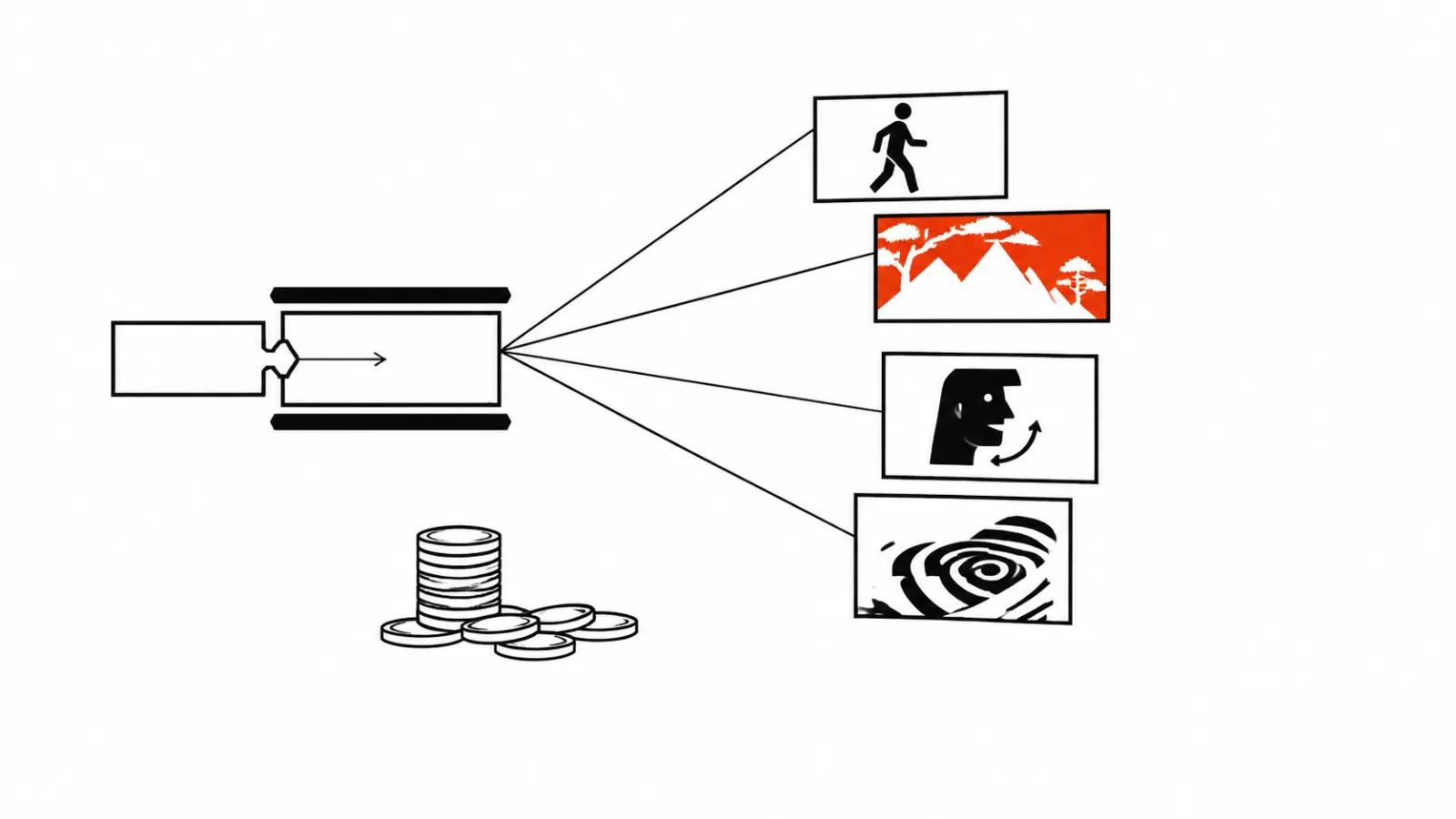
The tasks: a fight between two people in an office, four phases of emotion on one face (a lottery win that turns out to be an expired ticket), consistency across several references (two characters, props, a fruit stand scene). Then a nine-move dance routine, a person eating spaghetti and drinking juice, a Newton's cradle, light following a lighter flame across a face, and lip sync on a tongue twister. The set looks like a day of production: physics, emotions, props, a long action sequence and sound.
Props from references: the one clean win for Wan 3.0
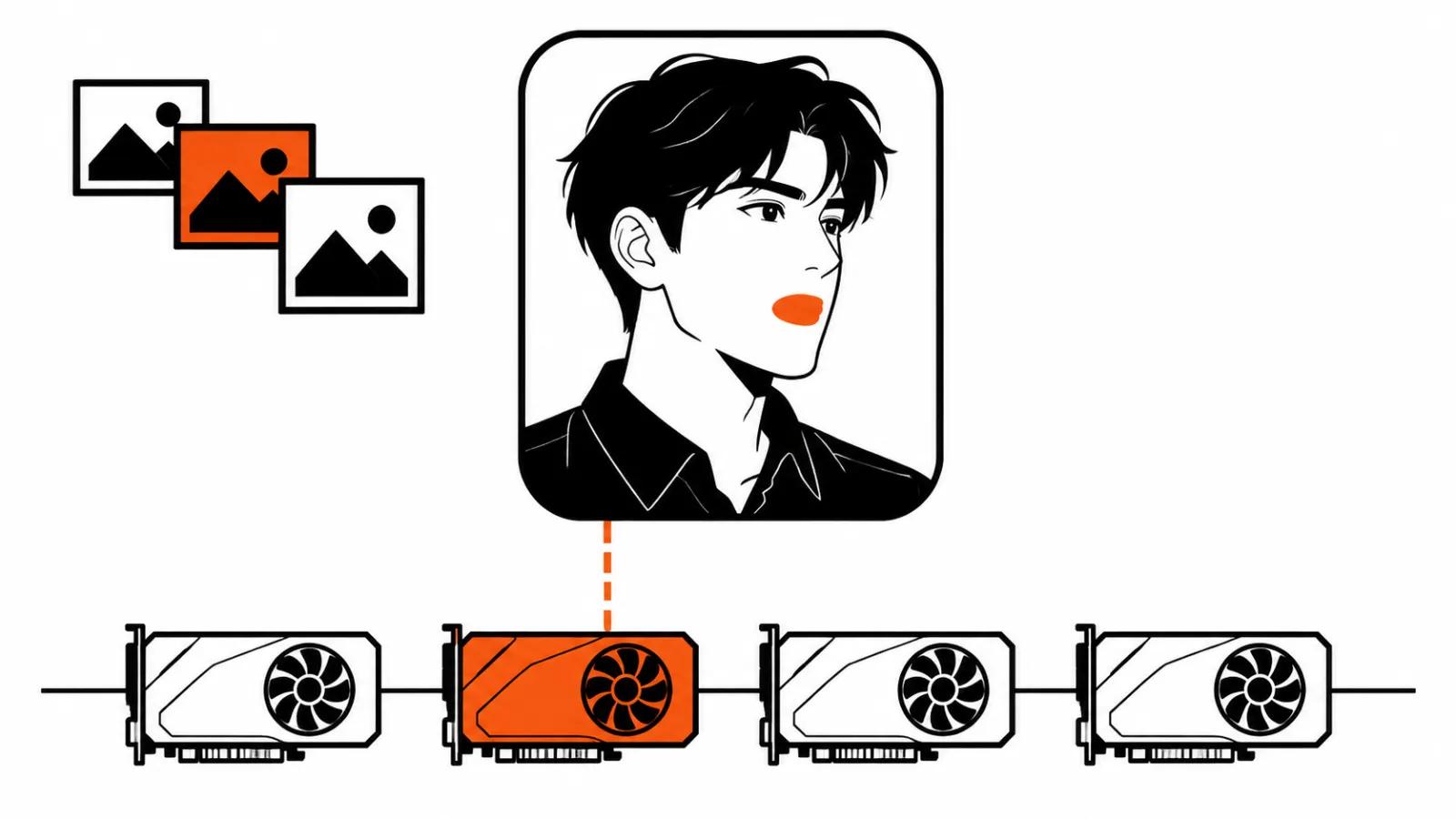
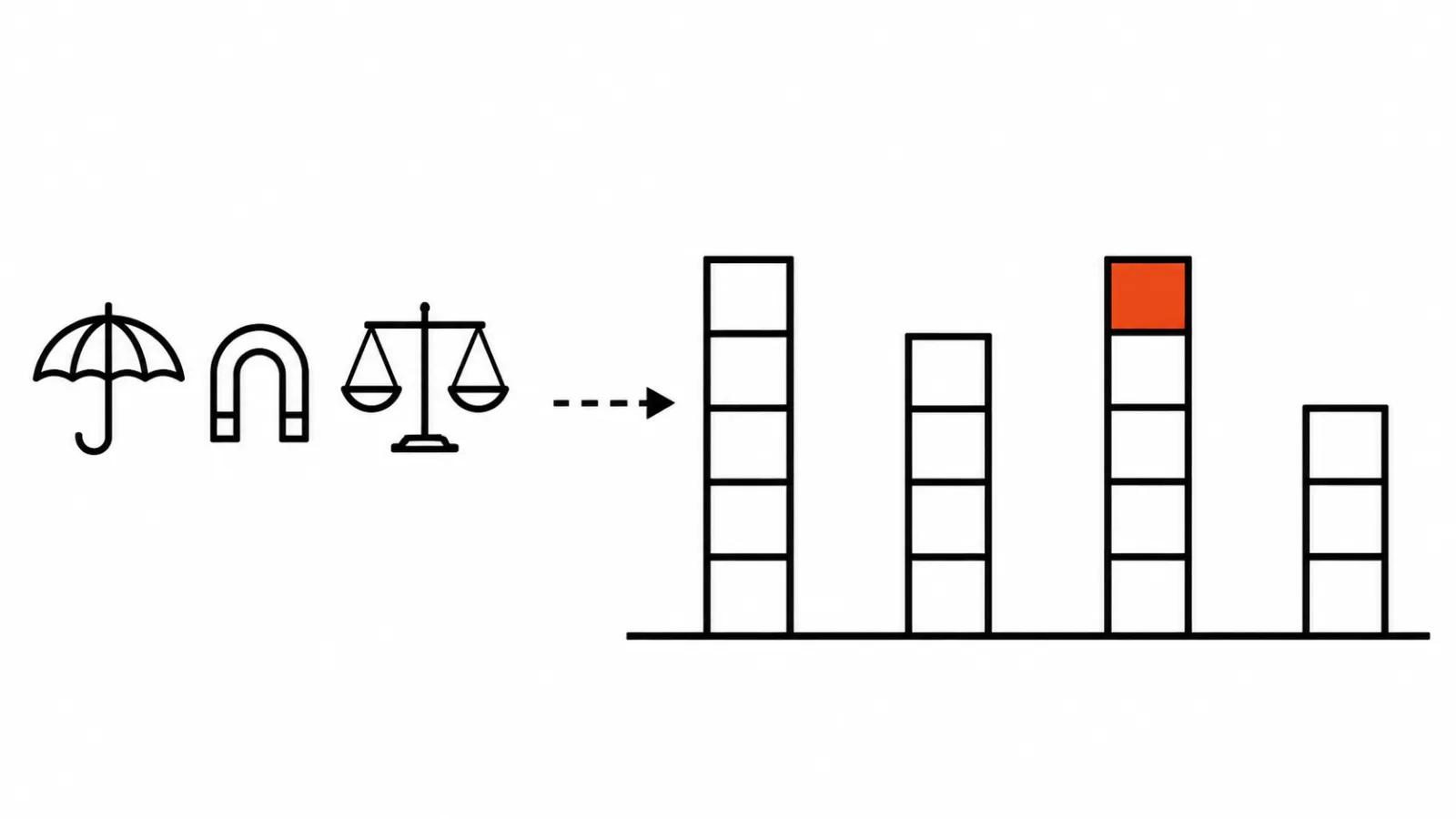
The most work-relevant part of the test. The models got references: two characters, a striped parasol, an electronic scale, a magnet, and a fruit stand scene. Only Wan 3.0 reproduced the props faithfully: the parasol matched one to one, the scale and the magnet stayed in place. Kling 4.0 repainted the base of the scale and changed the digits on the display. Seedance 2.5 lost one character's e-scooter and turned the magnet round. Vidu Q4 Preview got the parasol wrong and held everything else.
For product video this is the deciding skill. The product, the packaging and the logo have to look the same in every scene, otherwise the series falls apart. We have a detailed Wan 3.0 walkthrough if you want the model in full.
Seedance 2.5: staging, emotions, light
On complex and long instructions Seedance 2.5 was the strongest of the four. The office fight, the four-phase emotional shift, realistic people, the lighter light sweeping across a face: first place everywhere. In the nine-move dance it executed all nine moves and looked the most coherent, including the money-gun prop.
The flip side is speed. Ten seconds of footage took about ten minutes of generation without queue time, the slowest model in the test. And it stumbled on the references, as described above.
Kling 4.0: almost always second place
Kling 4.0 failed no task and landed in the top two almost every time. Its Newton's cradle was the best of the four: ball speed close to reality, nothing flies off. In the dance it skipped one move out of nine. On references it repainted the scale base and changed the digits, a familiar story by now.
The real strength of Kling is price and speed: ten seconds in about two minutes, and 15 seconds of 720p costs about 7.5 yuan, roughly a third of the Seedance 2.5 price. We wrote separately about how Kling 4.0 differs from 3.0, with the upgrade in detail.
Vidu Q4 Preview: acting skill paid for in re-rolls
Vidu Q4 Preview is the strongest actress of the four: it followed the fight prompt almost fully and gave the characters believable small reactions. You pay for that with re-rolls: the model needs more retries than the others. Small realism slips pile up too: the glasses flying through the air grew an extra temple bar, the spaghetti curled on its own between shots, and it stumbled over words in the tongue twister. Hard length cap as well: a clip runs at most 16 seconds. In exchange, ten seconds generate in 2 to 3 minutes.
What generation costs at Chinese platform pricing
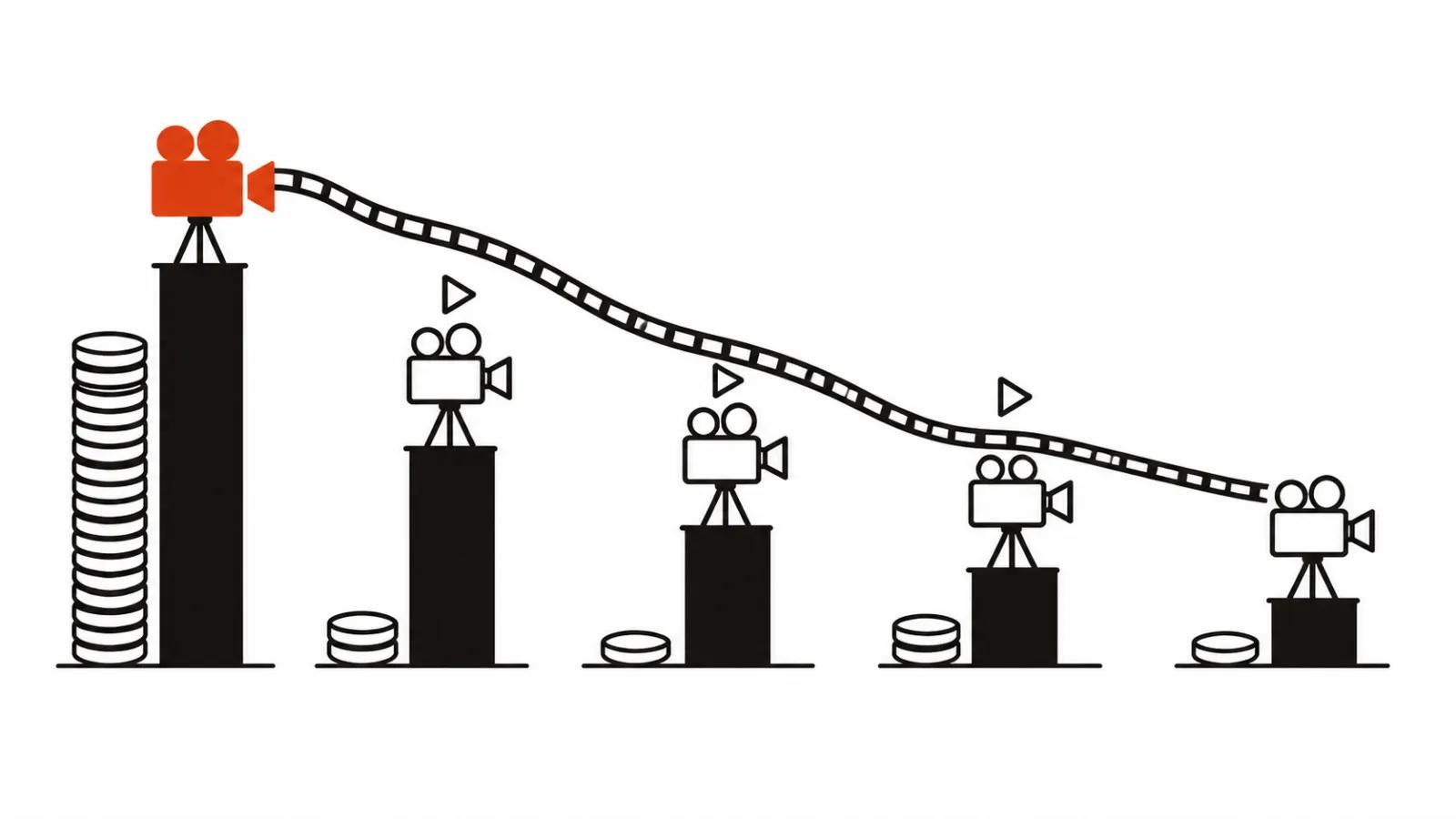
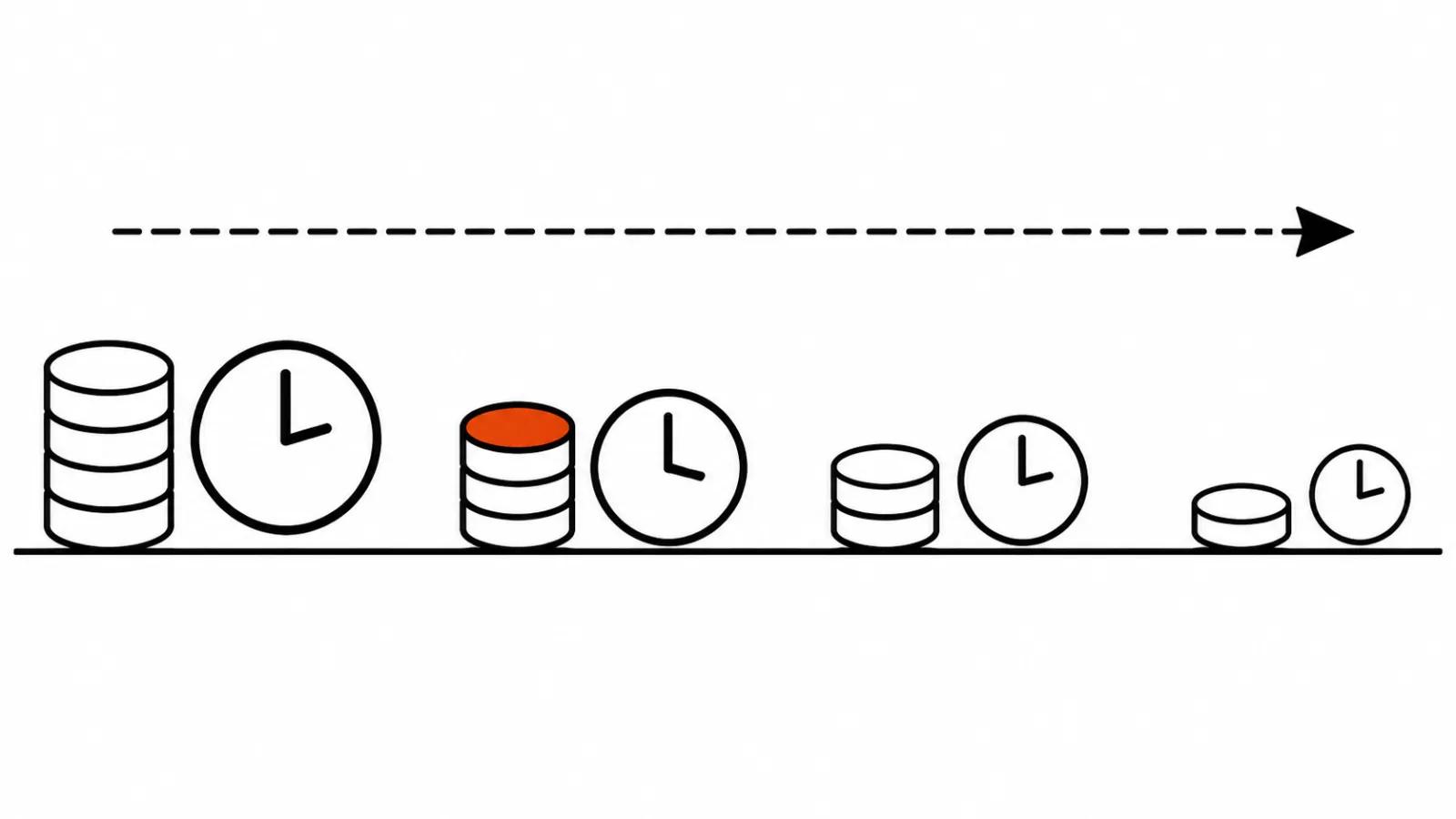
I keep the prices from the test in yuan, at Chinese platform pricing on the test date: every platform has its own credits and conversion tables, so any conversion would be approximate. For 15 seconds of 720p, Seedance 2.5 costs 300 credits, about 25 yuan. Kling 4.0: 150 credits, about 7.5 yuan. Wan 3.0: about 6.75 yuan, the cheapest in the test. Vidu Q4 Preview: about 7.76 yuan.
On speed: Seedance about ten minutes for ten seconds, Kling about two minutes, Wan 6 to 8 minutes, Vidu 2 to 3 minutes. The outlet ties Wan's slowness to the release of the faster Wan 3.0 Prime. Keep in mind that platform tariffs change; these numbers pin the test date.
Which AI video model fits your task
My takeaway from the test. Product and props from references: look at Wan 3.0, the only model that held the parasol, the scale and the magnet. Complex staging and emotions: Seedance 2.5, it wins on directing, faces and light. Price and speed balance: Kling 4.0, almost always in the top two at about a third of the Seedance price.
Three caveats. First: one generation per task, so this is a pointer, and no statistics. Second: Chinese platform tariffs differ from yours, whether you buy direct or through a reseller. Third: before you order, run your own test on your own references, because someone else's conclusions age fast.
If the job is a series, that is AI video production, and there you pick a model once for the whole run. For a product with reference images, an AI commercial built on a model that keeps props intact is the sensible route.