Four models in one window
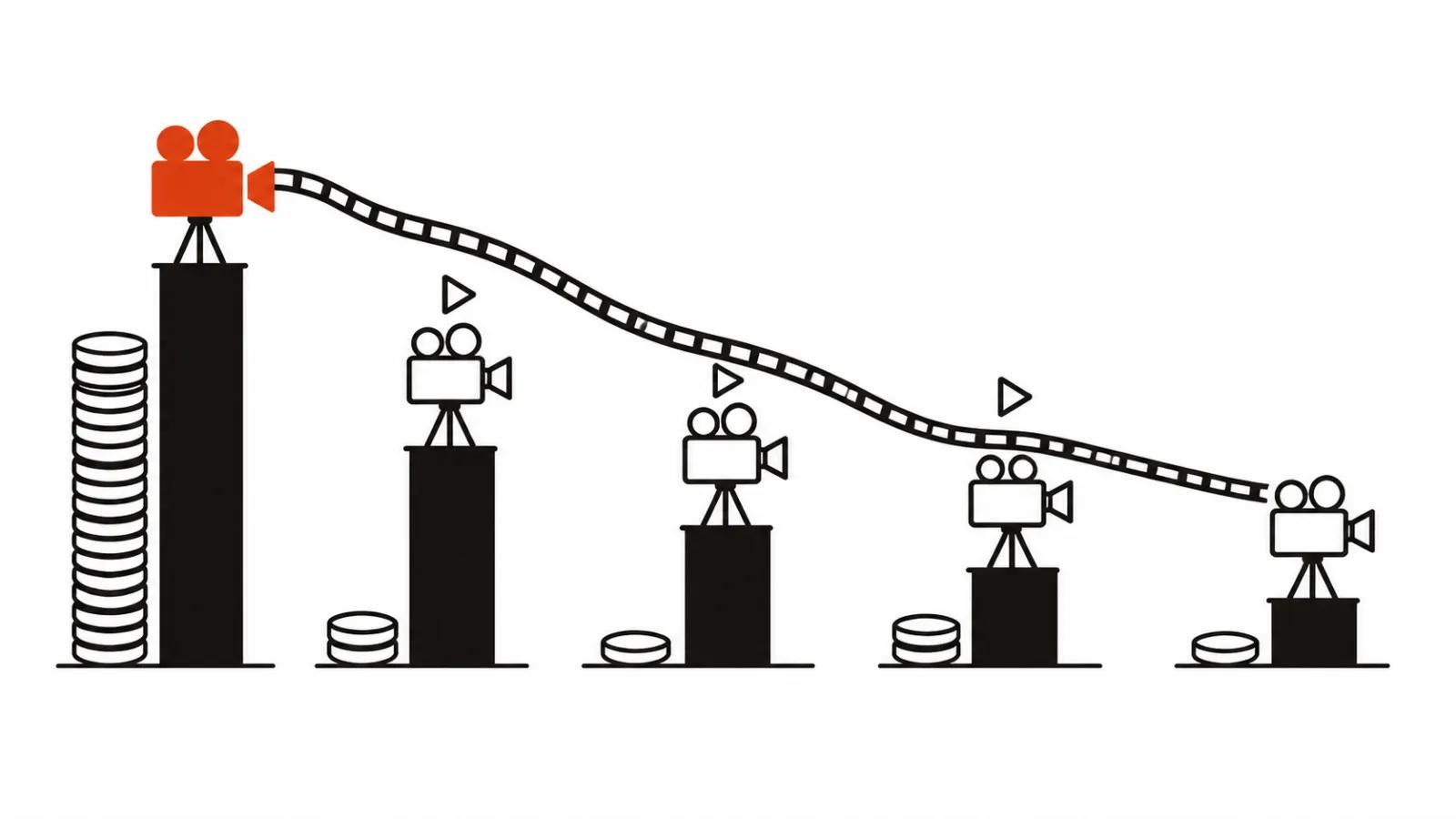
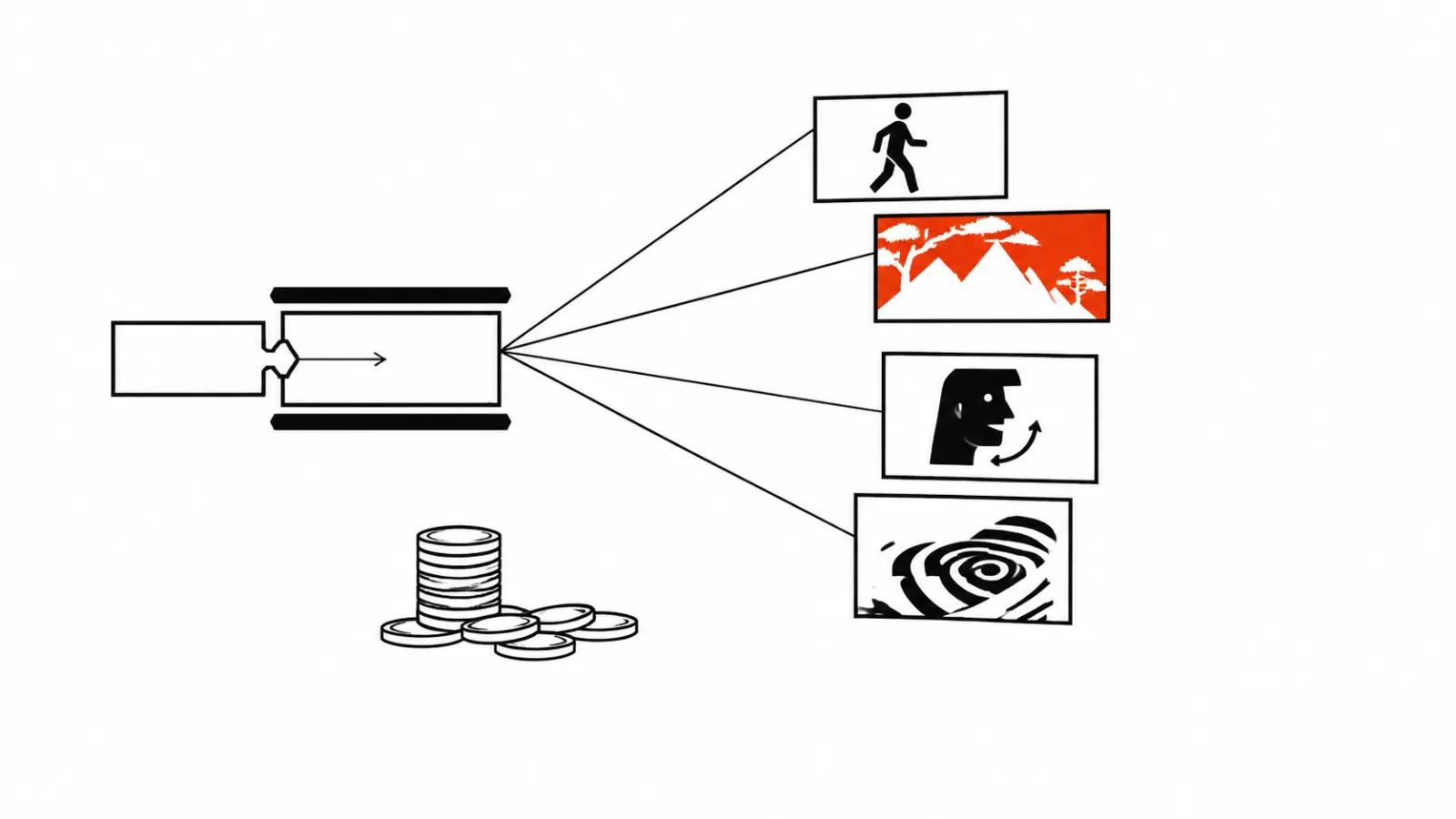
Felo's AI Video Generator now runs Seedance 2.5, Wan 3.0 Prime and Kling 4.0, with MiniMax H3 still in the list from an earlier update. The point of the release is mundane: three models that usually live in three separate dashboards with three separate balances now start from one prompt field and bill against one credit pool.
This is an integration inside someone else's workspace. There is no weight release from ByteDance, Kuaishou or Alibaba here, and no new model versions: Felo shows what the vendor APIs hand over. That distinction matters, because every limit below describes how a model is exposed in Felo. The vendor ceilings sit higher.
Seedance 2.5: audio, reference inputs and a 720p ceiling
Seedance 2.5 in Felo takes 4 to 30 seconds and returns 480p or 720p. You can feed an image, a video or an audio track as a reference, or build the clip from a first and a last frame. The model generates sound on its own, which saves a separate step in an ad pipeline.
The catch sits right next to it: output inside Felo is currently capped at 720p. On a vertical 1080 by 1920 frame that is fine on a phone and visible on a big screen. If a client needs 1080p specifically from Seedance, the vendor route is the only one.
Wan 3.0 Prime: 1080p and stylised samples
Wan 3.0 Prime offers 2 to 30 seconds at up to 1080p. Audio is optional, the input is text or a first and last frame pair. Felo's samples lean on stylised ink and paper scenes, and that reads as an honest hint: graphic, drawn looks hold up well in this mode.
The mode notes inside Felo list no 21:9 and no separate reference video input. A wide frame gets cropped out of 16:9, and motion reference travels through the first and last frame. A separate Wan 3.0 Prime review already exists on the blog, with a wider breakdown.
Kling 4.0 in Felo: frames arrive, the soundtrack does not
Kling 4.0 takes 3 to 30 seconds, runs at 720p and 1080p, and handles references plus first, middle and last frames. The middle frame is a rare option, and it pays off when a shot has to pass through a specific point halfway in.
Clips from Kling inside Felo currently ship without a soundtrack. Audio is a separate step, and that belongs in the time estimate: the track stops being part of generation and becomes another pass.
MiniMax H3: the only mode up to 2K
MiniMax H3 reaches 2K, with a caveat on length. At 480p and 768p you get 4 to 30 seconds, at 1080p and 2K only 4 to 15. It accepts three kinds of reference, audio included. Felo's text-to-video table marks H3 as silent output, so it usually gets paired with Seedance 2.5 on a job that needs sound.
Agent Mode and credits: what to check before you generate
Agent Mode toggles on and off, and that is not Friday's news, the switch was there before. The useful detail is elsewhere: Felo estimates credits before a run. For a small studio that is a way to protect the balance during a round of blind tests and to price an iteration in advance. Gemini Omni Flash was flagged as coming soon when the post went live.
How I compare models on a single brief
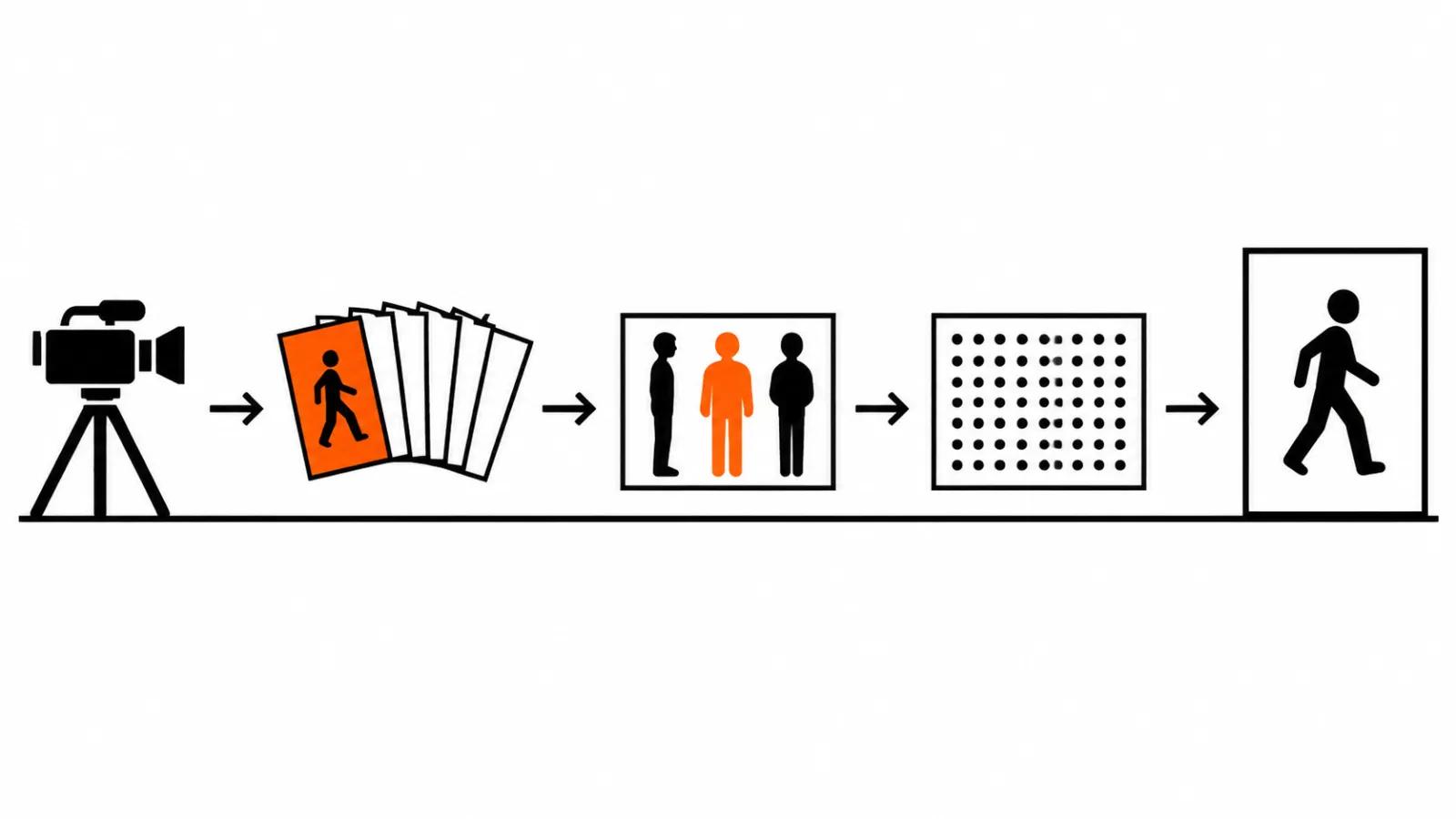
My test takes an evening and one script. I take a 15 second vertical spot, three shots, one person in frame, and run it through three modes with the same prompt and the same first frame. Then I watch four things: whether the face holds, whether the background drifts, whether hand movement reads, whether the last frame lands where the scene needs it.
For a client this run settles the taste argument early. One window shows who holds a product best, who holds motion best, who needs fewer retakes. The gain lands hardest on vertical ad work, because versions ship in batches and every mistake gets multiplied across a dozen clips.
Where the aggregator numbers drift from the vendor
Every duration and resolution above is what was open in Felo on 5 November. Vendors tell a different story: Wan's own page lists more modes than the aggregator interface shows, and Seedance inside Felo stops at 720p. So the sentence "the model cannot do 1080p" is wrong in front of a client. The accurate version is "1080p is not available in this window".
The second point is price per second. Felo credits follow the service's own rate, the vendor has its own, and on long series the gap adds up. My rule: run the comparison in the aggregator to pick a model, render the final clips where the second is cheaper and the quality is native.
What this changes in practice
Three practical gains.
First, a model comparison on one brief without three dashboards and three cards. That used to cost a day and now costs an evening.
Second, sound as part of generation on Seedance 2.5 and optionally on Wan 3.0 Prime. On a short spot that removes a separate audio pass.
Third, 2K on MiniMax H3 for close-ups that need detail headroom.
For our own AI video production this amounts to a set of working modes: one brief goes to several models and the client sees a choice. Handcrafted videos stay for shots that need a person owning the frame. If you want the broader roundup of AI video models, it lives on its own page with a year by year comparison.
My conclusion
The convenience is real. One brief, one balance, fast switching between models, and for testing that is the best setup I have used.
The final call still does not come from the interface. I look at native quality at the vendor and at price per second, because Felo caps output and hides some modes. An aggregator is good for choosing, and the money is counted at the source.