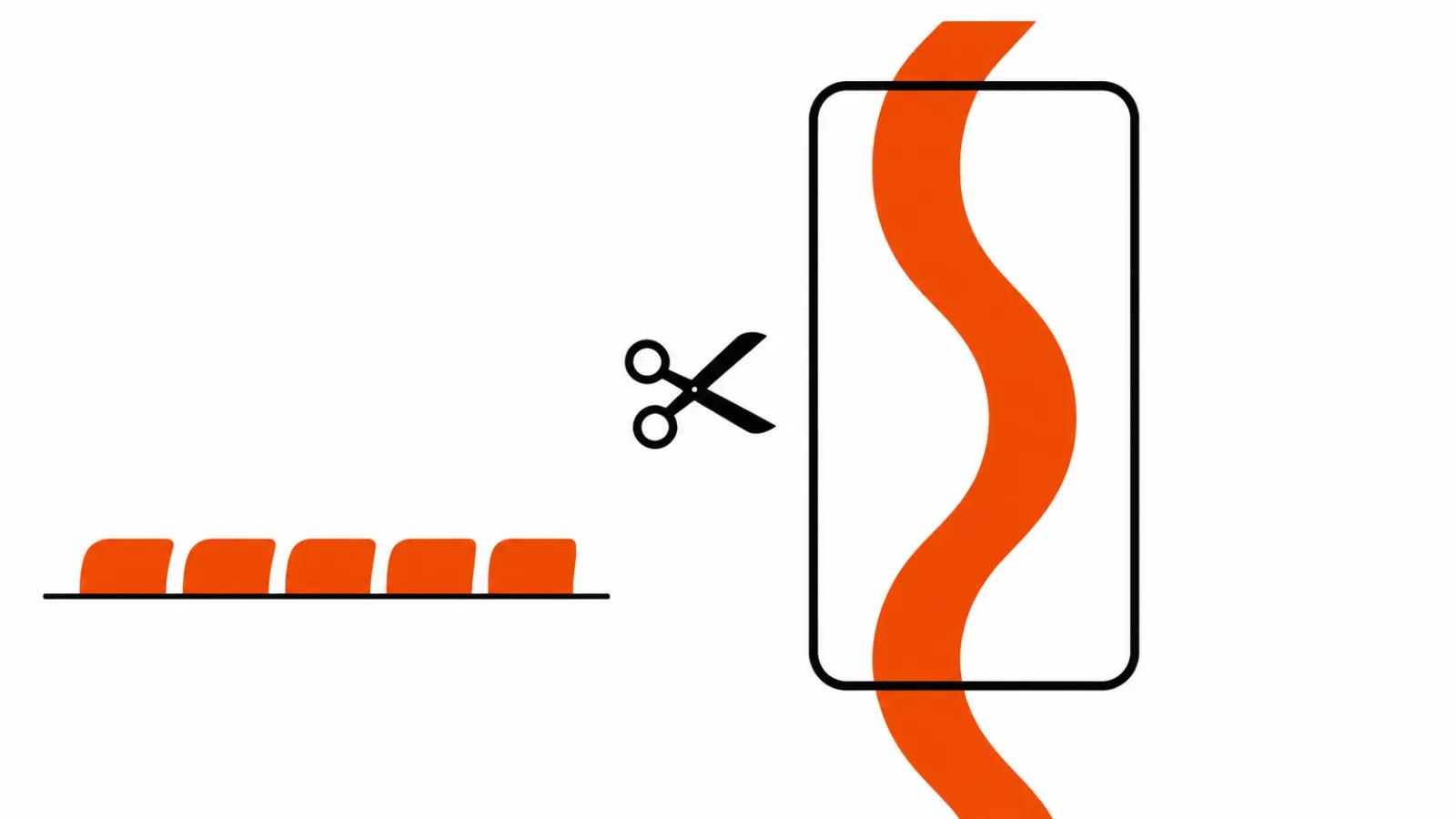
What Luma compared, and why it is not a ranking
Luma Labs published a roundup on November 6 that gathers ten video models and counts clip length per pass. It is a handy piece of work: seconds, resolution, references and key frames in one place, and it shows how fast the typical shot length grew this year.
One detail changes how you read it. The roundup comes from a company that sells Ray 3.2. On seconds its model looks modest, while the feature list runs long: up to 16 key frames, 16-bit HDR, EXR export, video-to-video. That is ordinary marketing, and Luma does state plainly that a long clip can drift on faces, objects, light and motion. Just keep in mind who built the list when you pick a model from that table.
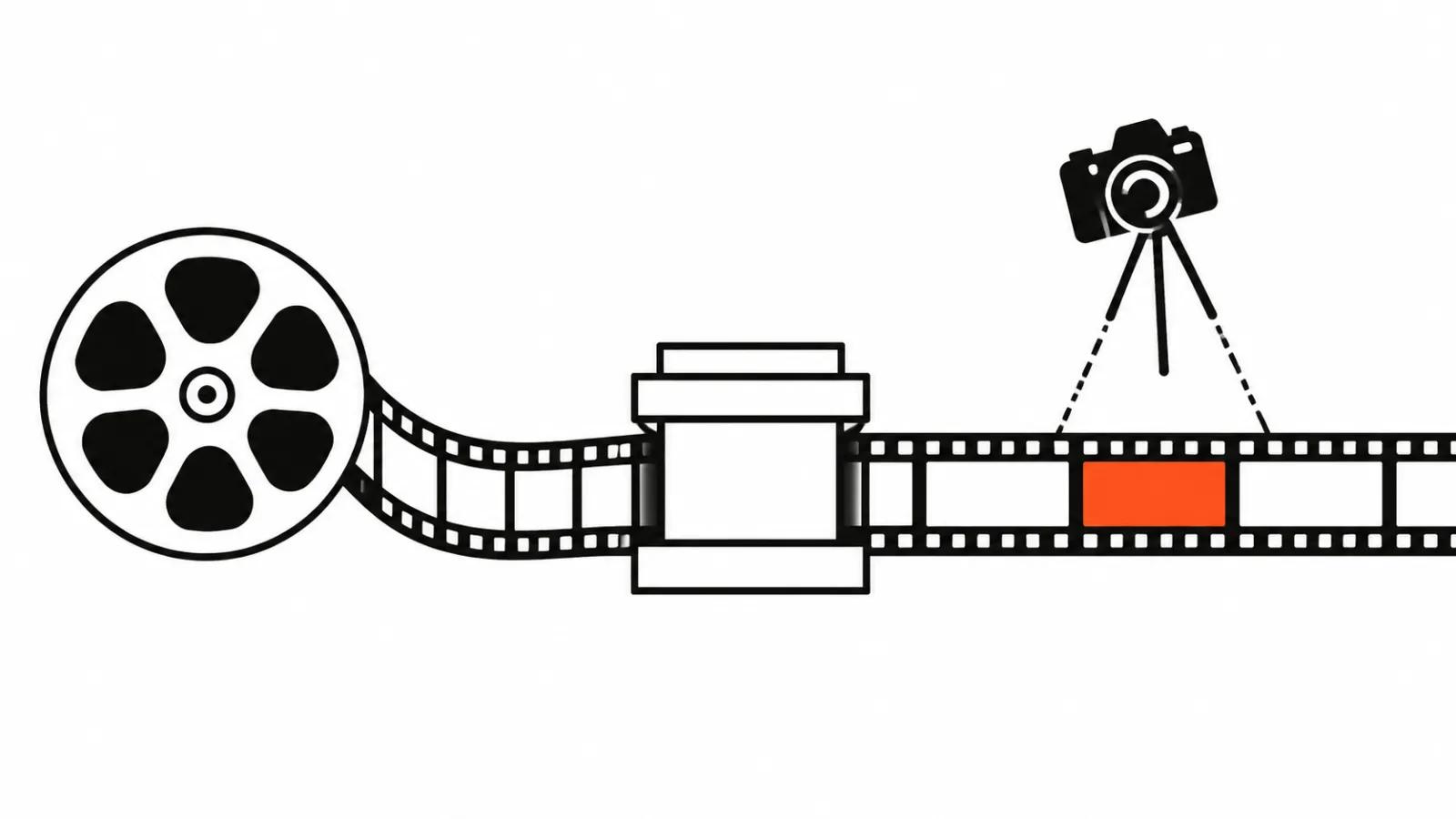
My interest is practical. I build vertical ads, and every project hits the same question: how long is the shot a model returns without a splice. The answer decides whether a scene gets cut into three pieces or closed in one pass.
AI video comparison: seconds, resolution and references
The table follows the November 6 roundup. The seconds column means one pass. Anything longer comes from extension or stitching.
Three rows stand out: Seedance 2.5, Wan 3.0 and Kling 4.0 hold 30 seconds. Kling 4.0 launched in October 2026, and some of its features, 4K and 10-bit HDR among them, are announced and ship as the rollout reaches users.
| Model | Seconds per pass | Resolution | References and extras |
|---|---|---|---|
| Luma Ray 3.2 | 5 and 10, then extension | not stated in the roundup | up to 16 key frames, 16-bit HDR, EXR export, video-to-video |
| Seedance 2.5 | 30 | up to 1080p | up to 50 references (30 images, 10 videos, 10 audio), timecode editing |
| Wan 3.0 | 30, 30 fps | up to 1080p | native sound, references from images, video, audio, documents and web pages, first and last frame |
| Kling 4.0 | 30 | 4K and 10-bit HDR announced, rolling out | Omni Reference with up to 15 assets, up to 10 key frames |
| FLUX 3 | 5-20 | up to 1080p | draft mode, up to 10 key images, segment continuation up to 15 s, native sound |
| LTX-2.5 | 20 in Fast, 4K up to 10 s | 1080p at 25 fps, 4K up to 50 fps | multi-shot, open weights, 22B parameters, Gemma 4 12B text encoder, LoRA |
| MiniMax H3 Max | 5-15 | 480p or 768p | native sound, first and last frame |
| Google Veo 3.1 | up to 8, extension to 20 segments of about 7 s | not stated in the roundup | up to 3 references, SynthID watermark |
| Gemini Omni Flash 1.1 | 3-10, 24 fps | upscaled to 4K | no detail in the roundup |
| Happy Horse 1.1 (Alibaba) | 3-15 | up to 1080p | lip sync in 7 languages, 9 aspect ratios |
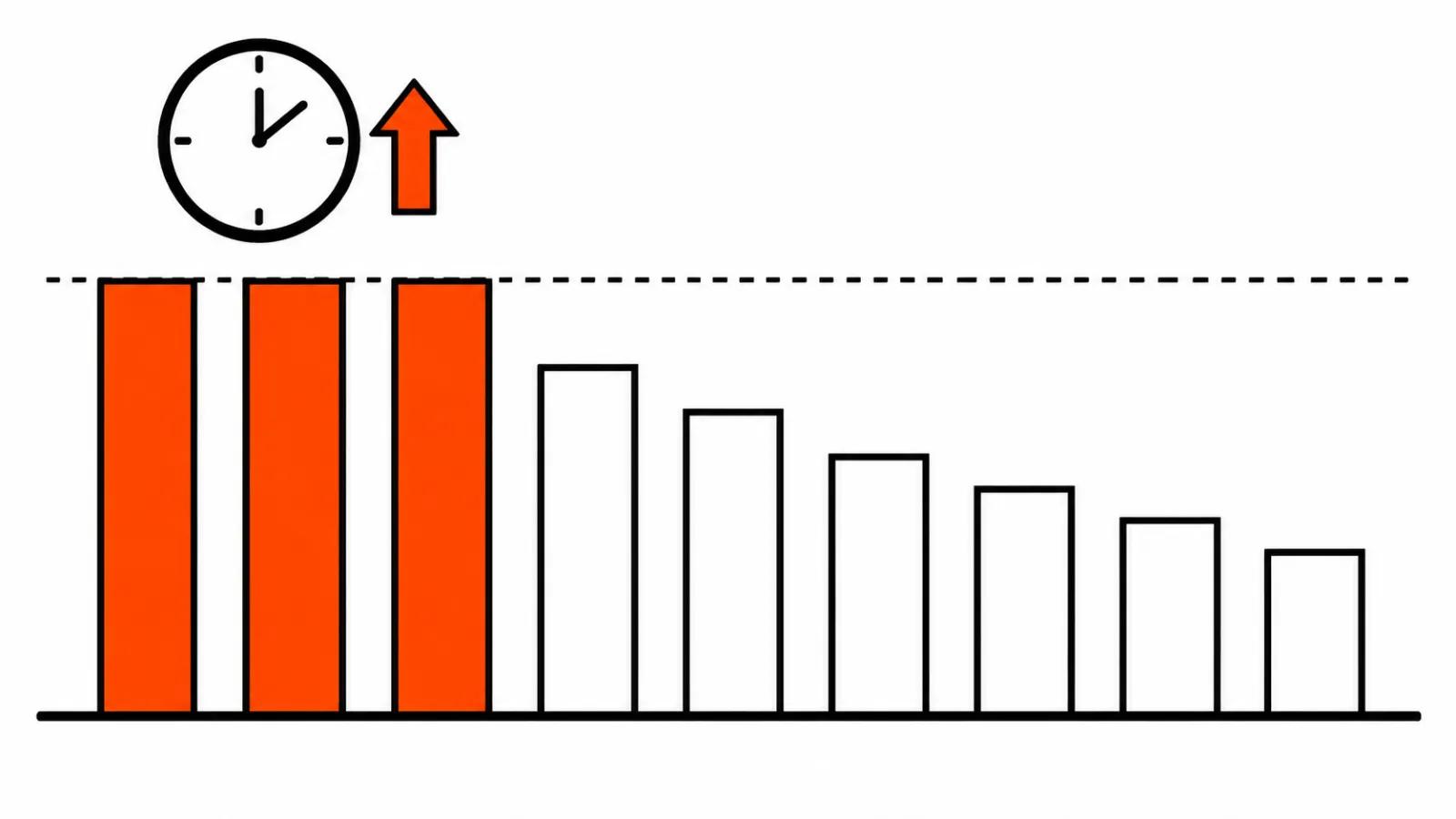
Long clips from one pass: three models at 30 seconds
Thirty seconds without a splice changes vertical work. A 30 second piece where the subject talks to camera, or where the camera circles a product, closes in a single scene and the timeline stays almost empty.
The gap between these three sits in their inputs. Seedance 2.5 takes up to 50 references, 30 images, 10 videos and 10 audio files, and lets you fix the result by timecode. Wan 3.0 adds native sound, accepts documents and web pages as references, and sets a first and a last frame. Kling 4.0 leans on Omni Reference with up to 15 assets and up to 10 key frames.
Picking by the seconds figure alone is a mistake. I look at the input set: if the scene depends on a character from three angles plus a voice, extra seconds without references buy nothing.
Where the seconds run out: 5-20 s and extension
The other models stay short. Ray 3.2 gives 5 and 10 seconds, then extension. FLUX 3 gives 5-20 seconds, with a draft mode and continuation in segments of up to 15 seconds. LTX-2.5 holds 20 seconds up to 1080p at 25 fps in Fast mode, and 4K at up to 50 fps for 10 seconds, with open weights: 22B parameters, a Gemma 4 12B text encoder and LoRA support.
Then come the short ones. MiniMax H3 Max returns 5-15 seconds at 480p or 768p with native sound, plus a first and a last frame. Veo 3.1 holds up to 8 seconds and reaches 20 segments of about 7 seconds through extension, with up to 3 references and a SynthID watermark. Gemini Omni Flash 1.1 returns 3-10 seconds at 24 fps, upscaled to 4K. Happy Horse 1.1 from Alibaba returns 3-15 seconds up to 1080p, with lip sync in 7 languages and 9 aspect ratios.
With short models the work moves to the seam. I wrote a separate guide on clipping long videos together without a visible joint, and another on extending a clip segment by segment.
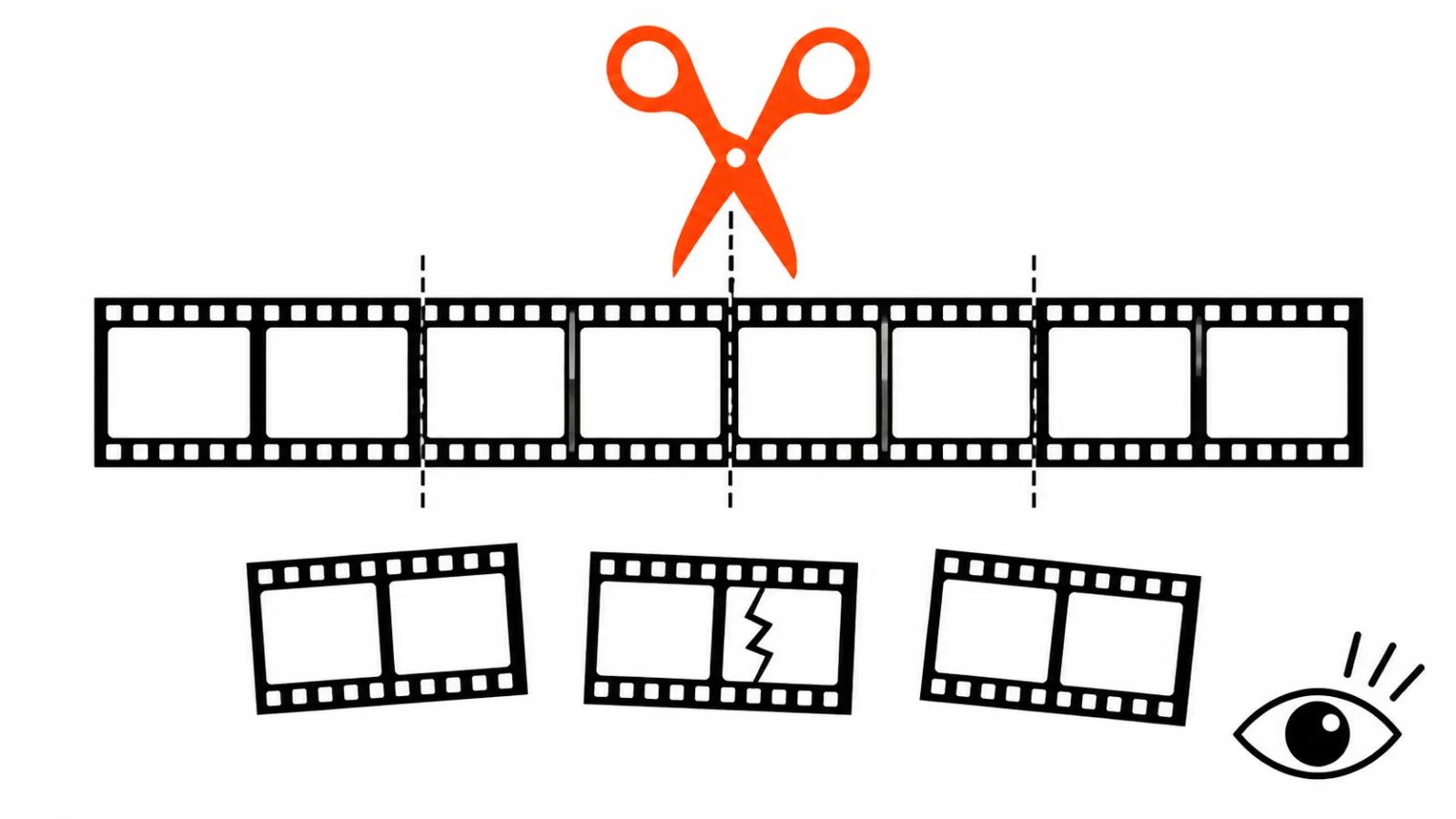
What the roundup misses: Gemini Omni 1.2 Flash
Google shipped Gemini Omni 1.2 Flash on November 5 with clips of 3 to 15 seconds. The Luma roundup lists the earlier 1.1, with three to ten seconds. Five extra seconds per pass matter for an ad shot: some scenes stop needing a seam at all. That is a normal lag in a vendor roundup, and it is a reminder that any such table ages within a week. I covered the release in the November 6 issue.
Why I still cut ads at 5-8 seconds
My position is simple. Thirty seconds in one shot saves the splice, and for a talking head, a wide establishing shot or a product orbit that is a gift. In ads I cut shots of 5-8 seconds, and here is the reason.
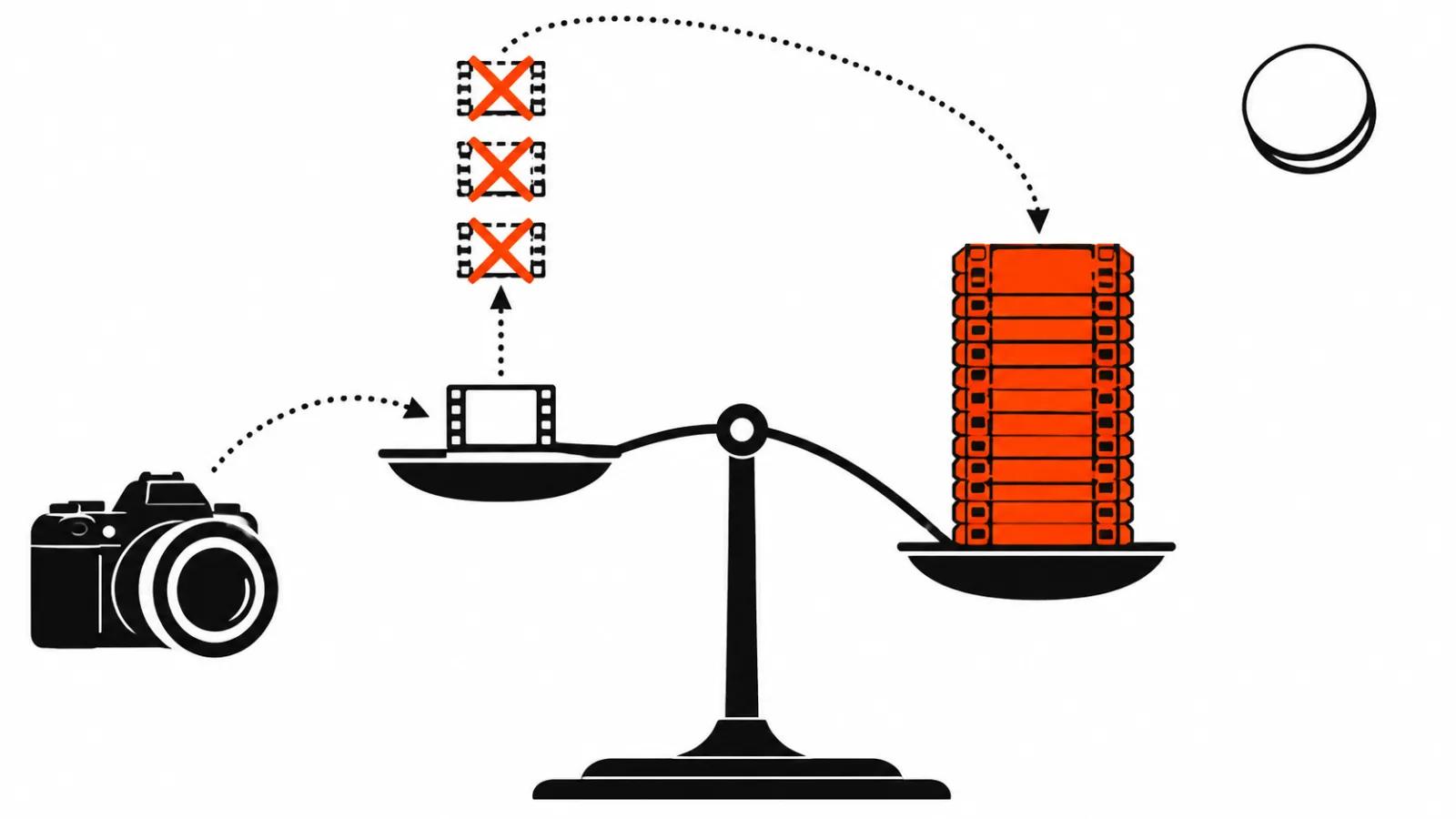
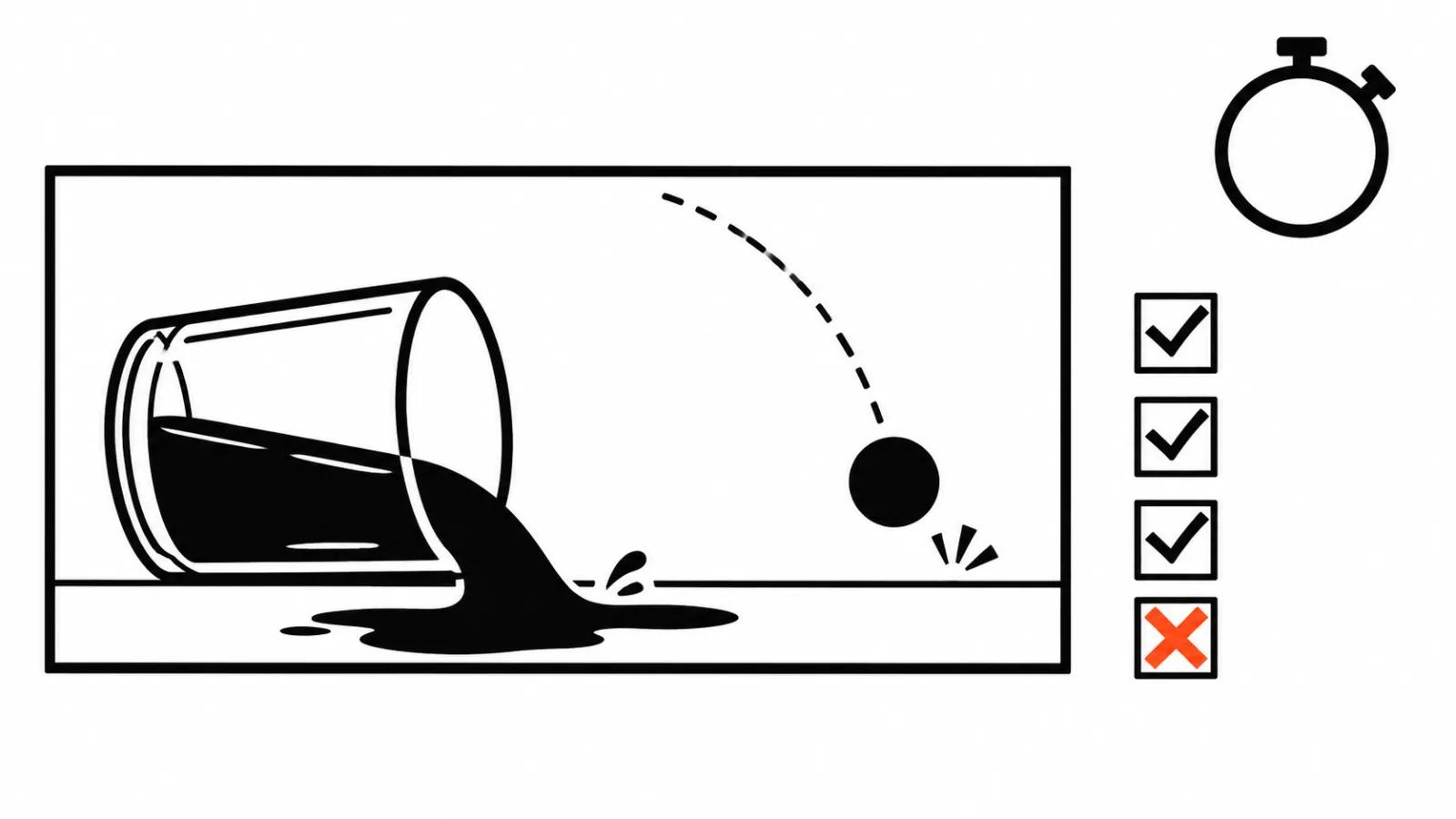
Reshooting one piece costs less than reshooting a scene. If the hand drifts at second twenty-two, or the face drifts, the whole pass is gone. With 5-8 second shots the damage stays local: one piece goes back into the queue and the rest survive. The second reason is rhythm. Frequent cuts set pace, while a long unbroken take in vertical sags quickly because the eye has nothing to grab.
So the working split: long passes for scenes that need continuity, short pieces for the ad cut. That cut is what we do with AI video production, and the shot length stays inside a range where a flaw shows on a pause, before the file ships.
What this does to the budget
Seconds per pass drive the number of runs, and runs cost money and time. A piece built from six short shots needs six successful generations, and probably a dozen attempts. The same piece as one thirty second pass generates once, and every error wipes the entire scene.
Our handcrafted videos with frame-by-frame control start at $190, and a stream of vertical versions for platforms is priced up to $2.40 per 1000 views. With AI video ads we usually ship a series of versions, and the shot length multiplies by the number of versions. When I pick a shot length, I count the cost of a redo first. The cost of one generation is secondary.
My conclusion
If you need a long scene without a joint, November 2026 offers three models at 30 seconds: Seedance 2.5, Wan 3.0 and Kling 4.0. For ads I use them as a source of footage and still cut at 5-8 seconds, because a flaw should stay inside one piece.
The check before a series takes ten minutes: run the worst scene at full length and watch the face at second twenty. If the face goes, length will not rescue it. Shorter is the fix.