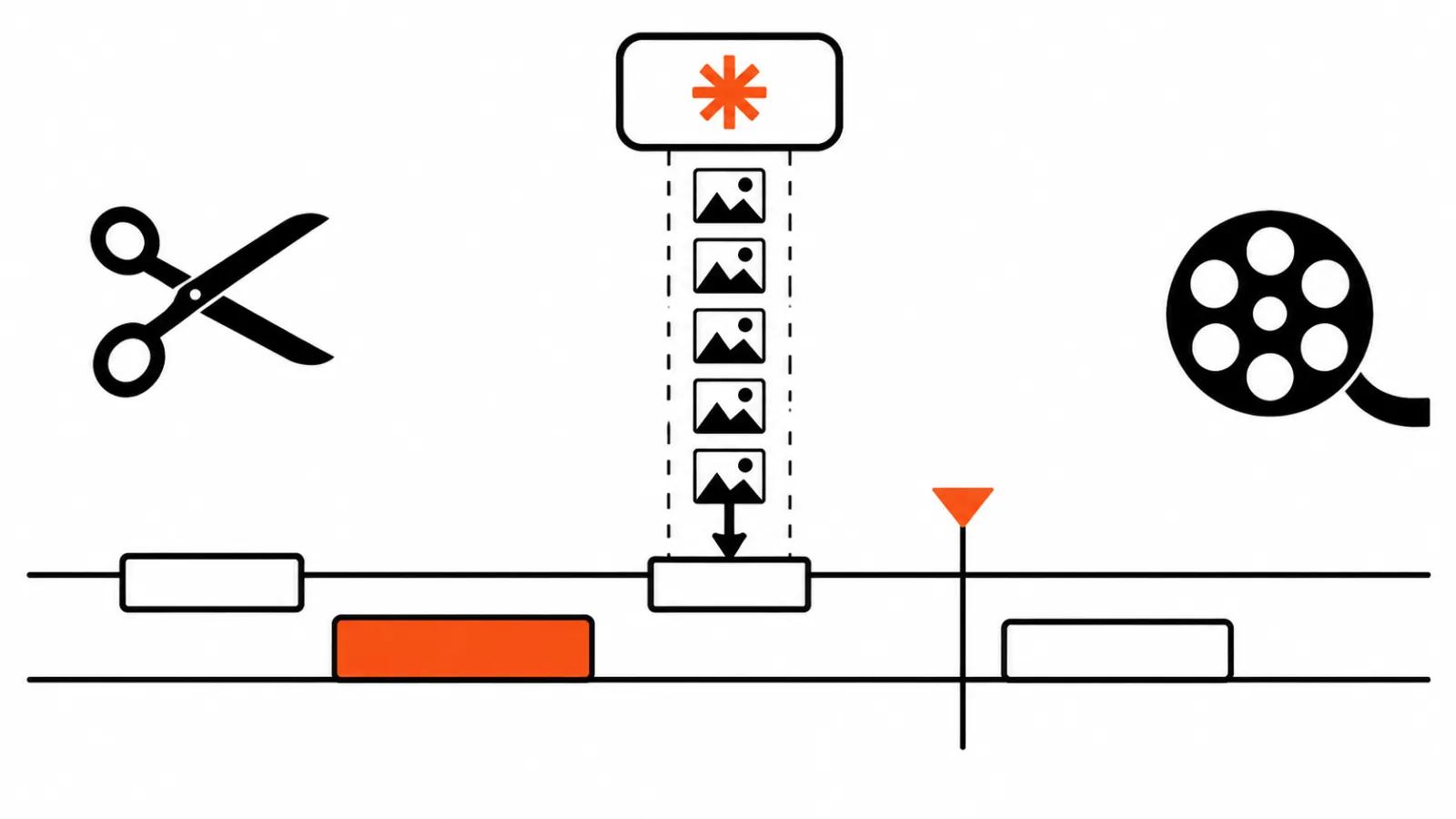
Adobe: Firefly Video from story to edit
On November 10 at Adobe MAX in Miami Beach, Adobe showed Firefly Video as a single process: a story arc, then scenes and shots, a simplified timeline, captions, transitions and B-roll from outside models. Dreamina Seedance 2.5 and Kling 4.0 landed inside Firefly itself. Local MCP integrations for Photoshop, Illustrator, Premiere and After Effects went up in preview at the same event: an outside agent edits project files on the machine, and layers, sequences and comps stay editable. MAX runs November 10 to 12.
Why this matters: cutting a film and generating frames end up in the same window. An editor stops dragging files between a model's website and the timeline, and the project stays live while its layers change.
Flow: Omni Extend replaces Veo Extend
Google rebuilt Flow. Per the Flow team post and the model guide, as retold by VP Land on November 10: Gemini Omni 1.2 Flash gives up to 10 seconds per shot to every user, and 11 to 15 seconds to Google AI Plus, Pro and Ultra subscribers. Omni Extend replaced Veo Extend, runs 3 to 10 seconds, takes up to three reference images, and stays on paid plans in the browser only. Veo 3.1 Fast, Veo 3.1 Quality and Omni 1.1 Flash work until December 5, 2026 and then leave Flow. Veo 3.1 Lite stays: 720p, 4, 6 or 8 seconds, no extension.
Why this matters: projects sitting on Veo 3.1 Fast and Quality now have a deadline. Shots built in Flow on those models should move to Omni 1.2 Flash or be rebuilt on Veo 3.1 Lite before December 5.
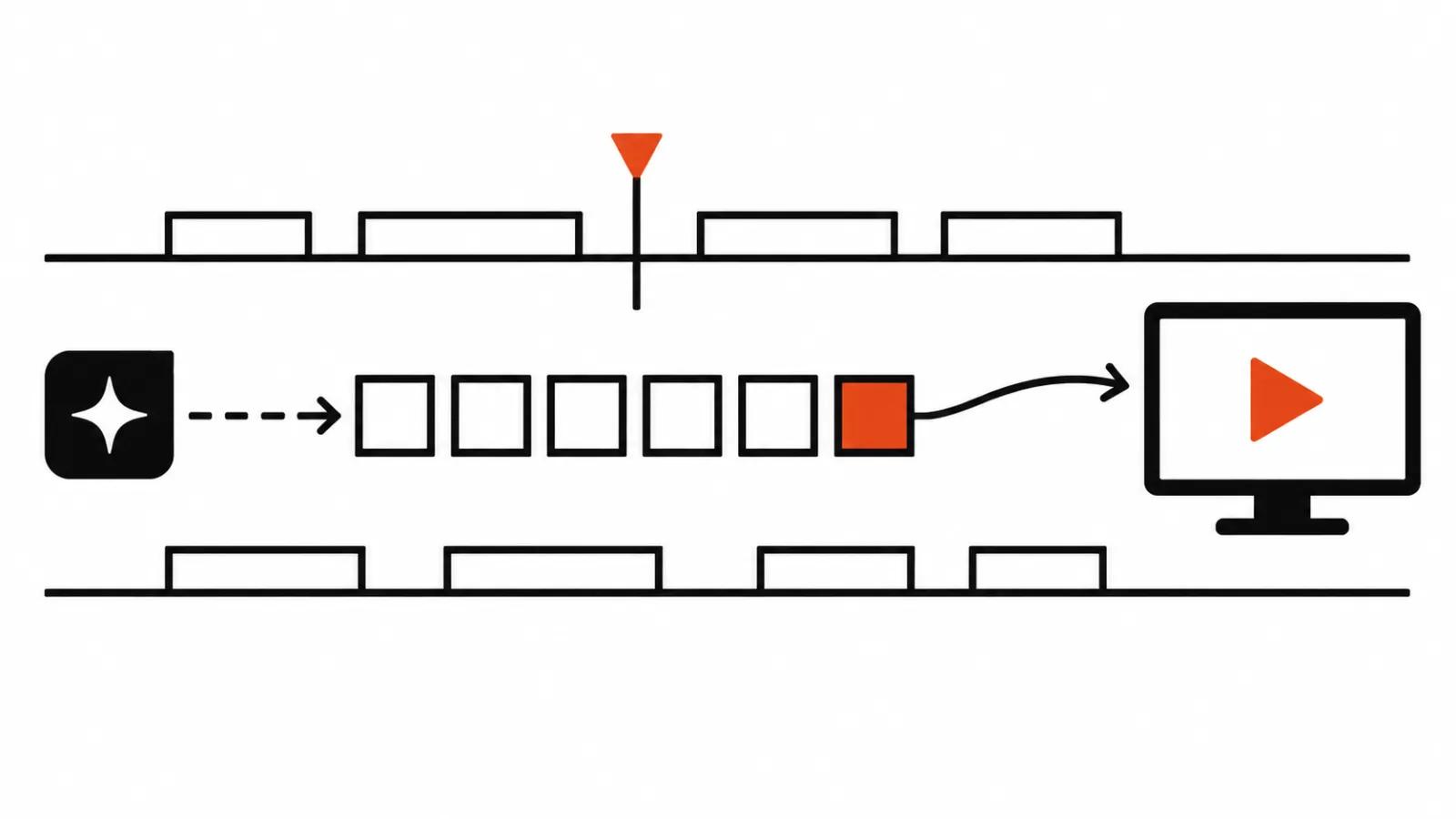
pi-H3: five seconds of 768p in 3.8 seconds
On November 10 hanshengchen.com published pi-H3, Stanford work, part of it done during an internship at Luma AI. It is an accelerated MiniMax H3: 2 or 4 sampling steps, with pixels produced straight off the last step and no VAE decoder. On a single NVIDIA B200, five seconds of 768p with stereo audio render in 3.8 seconds, fifteen seconds in 18.6. The demo is already on Hugging Face, and weights plus inference code are promised between November 16 and 22.
Why this matters: speed on one card sets the price of a draft. When fifteen seconds come back in 18.6 seconds, a scene can be tried in variants while the director still remembers the brief.
HyperFlow H3 Flash: H3 on a 24 GB card
On November 10 Video Rebirth posted hyperflow-h3-flash on Hugging Face, a compressed MiniMax H3 at 13.7 to 13.9 billion parameters against roughly 31 billion in the base model. Video runs 5.2 to 15 seconds with stereo audio, at 4, 6 or 8 steps. The Q4_K_M quant weighs 9.1 GB and fits 24 and 32 GB cards. This is not an official MiniMax product, and the H3 licence does not apply in the EU, the UK, South Korea or the US without permission from MiniMax.
Why this matters: running H3 locally stops requiring a cluster. A studio with one 24 GB card can push a whole scene through, though the licence deserves a read before anything ships: several markets fall outside it.
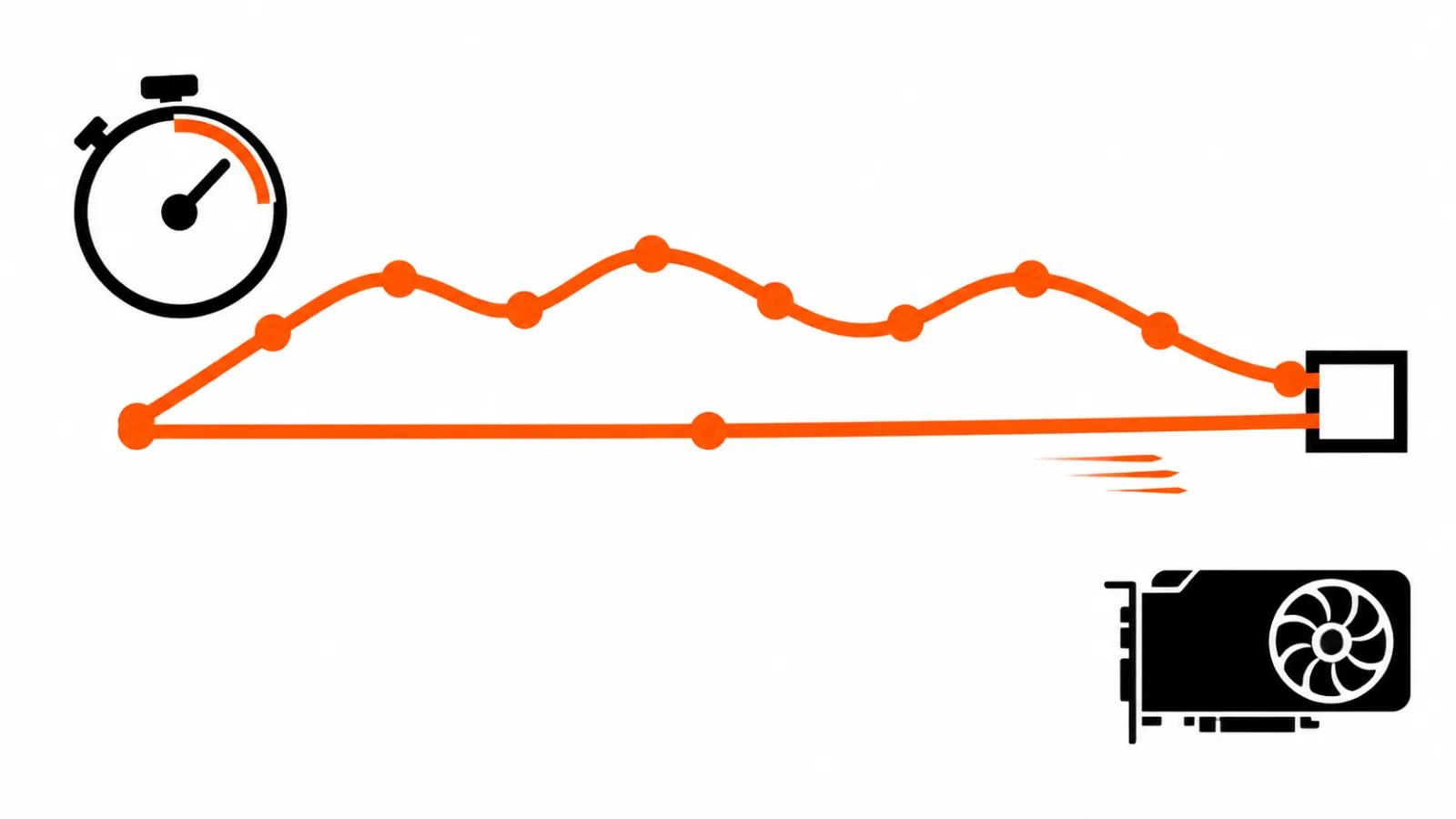
Avid: Veo inside Media Composer
Avid showed Ready to Play in a press release on November 10, an extension for Media Composer built on Google models, Gemini and Veo. Three functions sit inside: Create Video builds a clip from text or from a frame in the project straight into the bin, Modify Video edits a clip with a text command and keeps the source untouched, Analyze Video writes descriptions into metadata. Avid charges nothing extra on its side, the models are billed through Google Cloud, and the extension runs on Media Composer Ultimate and Enterprise.
Why this matters: a clip arrives in the bin as finished material, and a cutting room with decades of history stays the place where the work happens. Billing goes through Google, so no separate contract with a model vendor is needed.
AI video news: half price on video-to-video and 72 free hours
Per SLOP TV on November 10, citing the PricingSaaS tracker and Luma's pricing page, Luma cut the price of video-to-video for outside models in its Model Marketplace roughly in half: Seedance 2.0 at 720p costs 32 credits a second instead of 64. The maths needs more care now, since seconds of output are billed together with seconds of reference. Kling 4.0 Flash and Flash Omni joined the catalogue at 32 credits a second at 720p. Higgsfield announced 72 hours of free unlimited use on its MCP connector for Claude on November 9, covering Seedance 2.0 and 2.5 video, images and audio. After 72 hours the trial rolls into the paid Ultra plan with 40% off the first month unless it is cancelled.
Why this matters: half off video-to-video still pays for the reference seconds, so a budget belongs before the batch runs. The free Higgsfield window covers a tool test and needs a calendar reminder, otherwise the subscription starts on its own.
Rumour: Kling AI prepares a Hong Kong IPO
Bloomberg sources, retold by GMT Eight on November 11, have Kling AI picking CICC, Goldman Sachs and UBS for a Hong Kong IPO, aiming to raise $1 billion or more, with a listing possible in 2027. The company has not confirmed any of it, and both the sum and the timing can change. This is a rumour, and it changes nothing for anyone using Kling this week: access, limits and pricing for the model were announced separately.
Why this matters: Kling already sits inside other companies' products, from Adobe to Luma, and a listed company would want that API revenue. Planning around its balance sheet is premature until Kling confirms the story.
What this AI video news changes in the work
Two things landed on the same day. One: generation moves inside editing software, and that means Firefly Video, MCP for Premiere and Veo in Media Composer. Two: the same generation gets cheaper and faster, from pi-H3 at two steps to Luma's new rates. A film comes together where it always did, and the model becomes a line inside the edit.
The practical call for this month is short. Move Flow projects off Veo 3.1 Fast and Quality onto Omni 1.2 Flash before December 5, and keep Veo 3.1 Lite where predictable length and 720p are enough. Try pi-H3 and HyperFlow H3 Flash on your own machine: open weights are promised, and only they show how a model behaves on your footage.
For client work it means this. A format that lives as a series is easier to build through AI video production, while vertical video ads run on release speed and cost per view. Where the final frame and exact lip sync matter, the quote rests on handcrafted AI videos from $190 per finished piece. The November 10 roundup on SwitchX, DeepBrain and Disney showed how fast the top of the market moves, and today says the same about the edit.