ByteDance Seedance 2.5 Flash: the official API and a price per second
By ByteDance's own announcement, the official API for the model opens on Volcano Engine Ark on November 15 at 14:00 Beijing time, which is 09:00 in Moscow. Third-party platforms were selling Flash before the vendor did. According to the Venice documentation, read on November 15 with figures from the ShorStory digest, a second without sound costs $0.0571 at 480p and $0.1235 at 720p. A clip runs from 4 to 30 seconds, with the usual modes: text to video, image to video and video from references. A ten second clip at 480p lands near $0.57, which is a simple number to put in a quote.
The Runway API price list on November 15 sits next to it. There is no Flash line yet, only Seedance 2.5 at 30 credits a second, roughly $0.30 a second at 720p. Reseller prices carry their own markup, so they move without warning and can sit on either side of the official figure.
Why this matters: until the official API opened, a quote could only be built on someone else's marked-up price list. One more reference point arrived at 09:00 Moscow time, and the gap between the two numbers shows what the middleman keeps. I went through the model and its resolutions in the Seedance 2.5 Flash and 4K comparison, including the logic for picking one version over the other.
Kling 4.0: 4:3 and 3:4 frames in the API
On November 14 the API Updates page in the Kling documentation gained a line about aspect ratios. The text to video and omni-video endpoints for Kling 4.0 and Kling 4.0 Flash now accept 4:3 and 3:4, through the settings.aspect_ratio parameter.
Why this matters: a near-square frame is feeds and marketplace cards, where a wide frame gets cropped at the edges. Framing inside the model removes part of the fitting work in an editor and keeps details that cropping would have pushed out of the frame.
PixVid: a frame straight into pixels
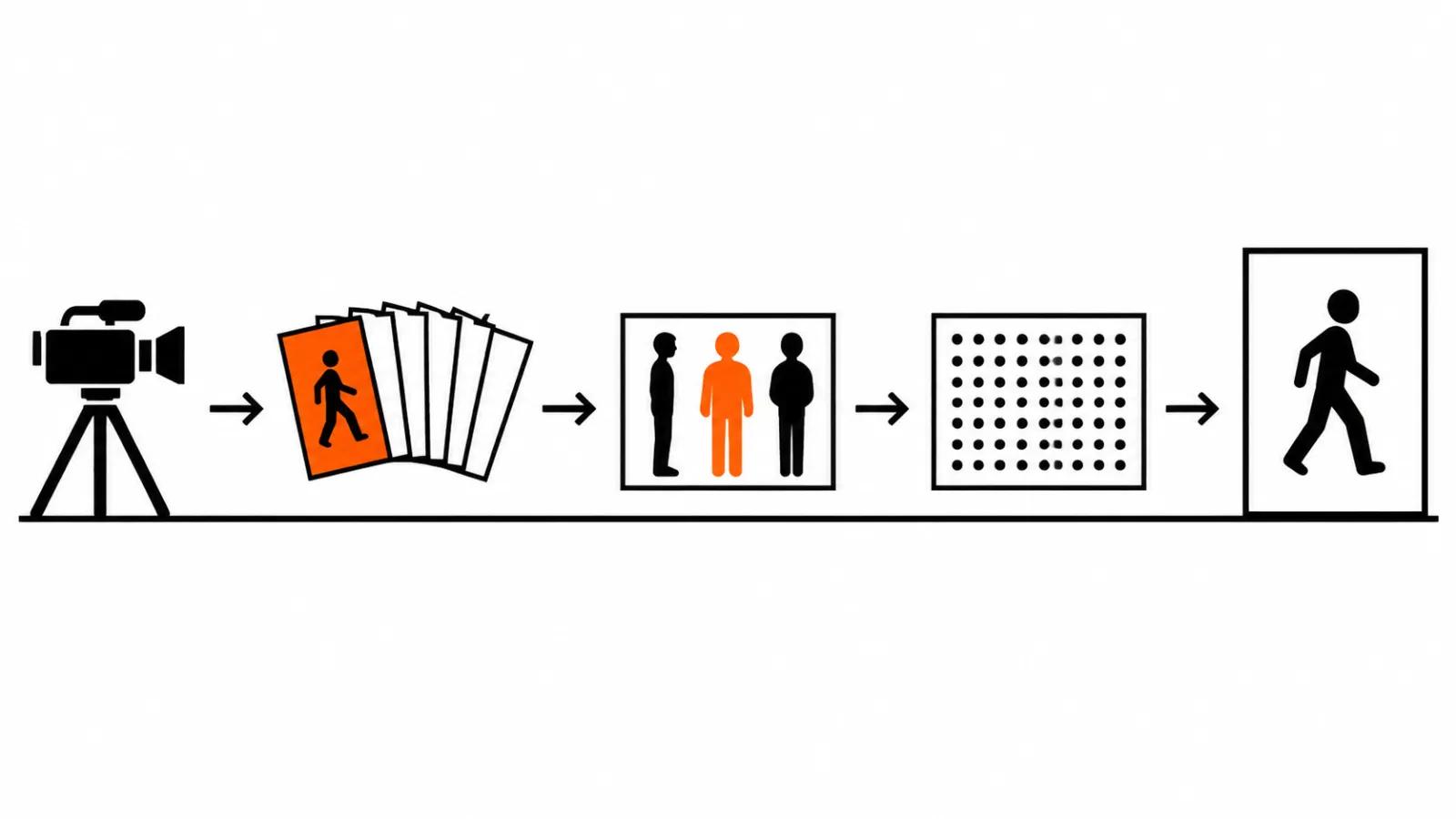
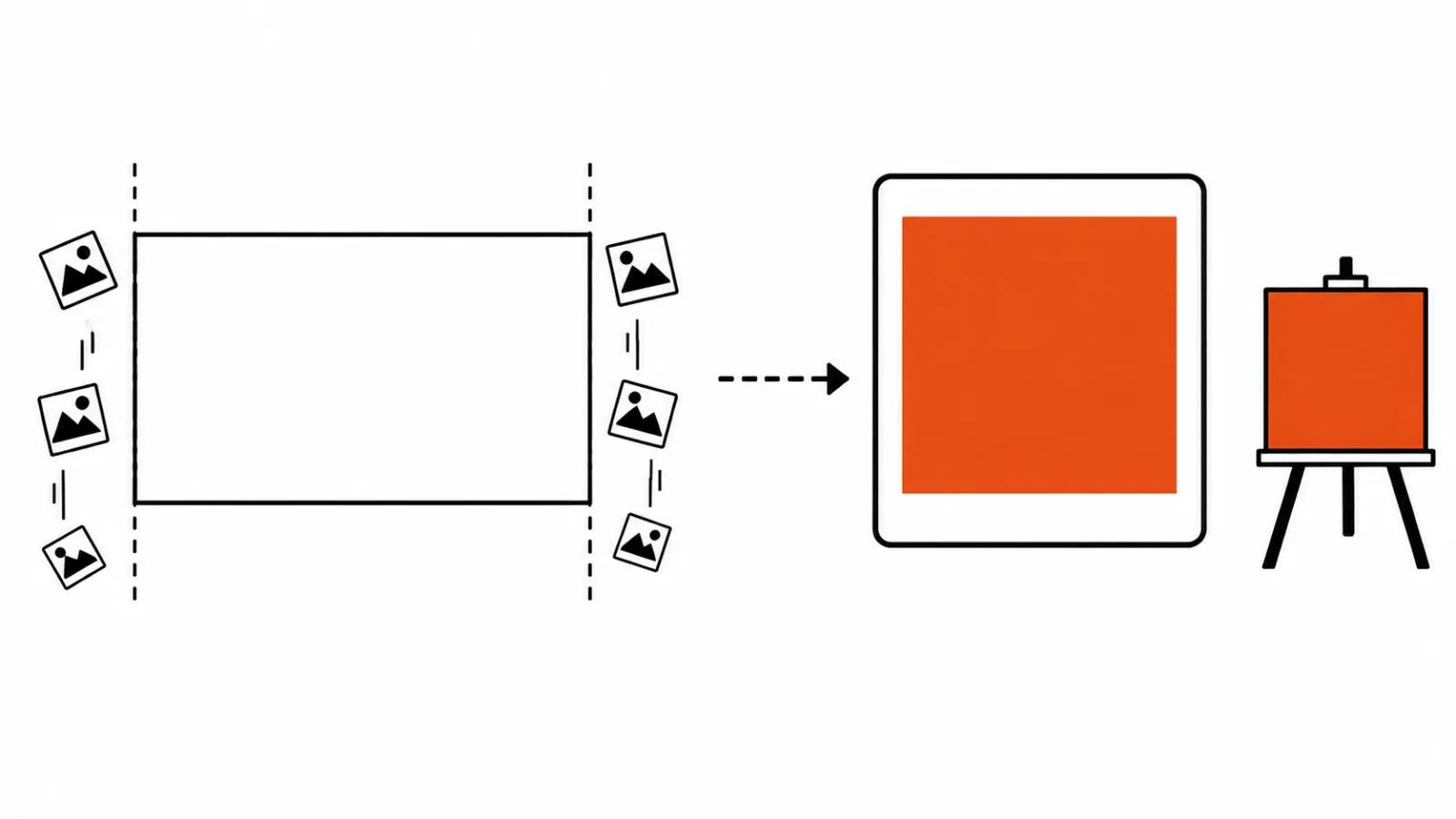
PixVid comes from Roblox, UC Merced, UPenn and UT Austin, arXiv paper 2611.17336, Back to Pixels, summarised by AI Weekly on November 15. The researchers fine-tuned Wan2.1-14B to generate every frame in pixels, without a VAE, so no compression into a latent and no unpacking back. The result: twice the resolution for the same token count per frame, 960p at the price of 480p, and a reaction to movement on the very next frame. A separate article on the model runs today.
Why this matters: compressing video into a latent makes high resolution expensive and delays the response to a command, and PixVid shows a route through pixels without a bigger token bill. If the 960p for the price of 480p holds up on someone else's runs, quoting for a given quality gets easier.
Meta Series and Google's stake in Rigi: vertical drama
According to Deadline, Meta starts testing a tool called Series on November 16 in selected countries. Handpicked creators cut vertical Reels into series with episodes and publish them on Facebook and Instagram. On November 14 one of the first projects landed, a Christmas micro-series called Christmas at Maple Hollow Inn from Pixie USA with the Bob Evans brand: 20 episodes, 38 minutes, live action, also running on YouTube and TikTok. Meta gave no details on creator payouts or on which countries are in the test; over the summer it told TechCrunch it was thinking about monetisation.
The same day Indian Television, citing documents seen by Entrackr, reported a stake in Rigi. Google International bought 1.43% of the Indian micro-drama app for about 95 million rupees. Rigi is free for viewers, lives on ads and in-app purchases, and has more than 10 million downloads on Google Play.
Why this matters: vertical series, AI-made ones included, gain another free shopfront, and a big player buying a slice shows the bet on the format is not a one-off.
ElevenLabs Forward Deployed Creatives
On November 13 the ElevenLabs blog introduced Forward Deployed Creatives. These are the company's own creatives: they work alongside a brand team inside ElevenCreative or take an ad all the way, localisation included. The details follow in a separate article today.
Why this matters: a model vendor now sells finished ads made by its own people. For a client that is a familiar contractor arrangement; for a studio it is a competitor sitting inside the platform.
Test time: four models, eight tasks
On November 13 the outlet 21st Century Business Herald published a Guangzhui Intelligence piece comparing Seedance 2.5, Kling 4.0, Vidu Q4 Preview and Wan 3.0. Eight tasks: a fight in an office, emotions, consistency across up to five references, a nine-step dance, a man eating spaghetti, a Newton's cradle, following light, and lip sync. One generation per task.
The spread came out like this. Seedance 2.5 held complex instructions, facial work, dance and light better than the rest, but got the props wrong when following references, runs slowly and costs the most. Kling 4.0 landed in the top two on many tasks, with ten seconds taking about 2 minutes. Wan 3.0 reproduced props accurately and stayed weak on physics and the fight, at 6 to 8 minutes for ten seconds. Vidu Q4 Preview is strong on acting, needs a retake in places and got the lips wrong. All of it is one journalist's read of one attempt, with no statistics behind it.
Why this matters: a test like this is useful for its list of weak spots, and a ranking built on it comes too early. Props from references, the physics of a punch and lips in close-up are exactly the failures that get cleaned up by hand in the edit.
Grok Imagine: about 60 people cut from the team
The Information reported on November 13 that the AI unit of SpaceX, formerly xAI, cut about 60 people from the Grok Imagine team and shifted priority to coding tools. The product keeps running. There is no official company statement, so this stays a press report. A separate article went up yesterday.
Why this matters: the product works, yet how fast it will be updated does not follow from the report. Building a series on a model whose team was cut this hard deserves a fallback track.
What this means for a booking
Three stories in this issue point the same way. A second of generation gets a second price, this time from the vendor itself; a frame gets the proportion it needs without cropping; vertical series get a stage inside Meta. For a booking that means a cheaper draft, while the finish still depends on how many passes you run and how you pick from them.
I build a quote in two steps: the vendor's price per second first, then the reseller's marked-up price, with the gap showing who takes what on the way to a finished file. When video is produced by AI in a series of versions, the number of passes sets the order of magnitude, and a cheap second across ten attempts costs more than an average second across two. Vertical advertising always carries more versions than ideas, so the rework buffer goes in from the start.
Where a project needs guarantees on faces, props and on-screen text, our handcrafted videos from $190 remove that risk, because a person owns every frame. The November 13 issue covered Baidu, Flow and Dub & Sync, with scene length and dubbing at the centre, and those threads continue today.