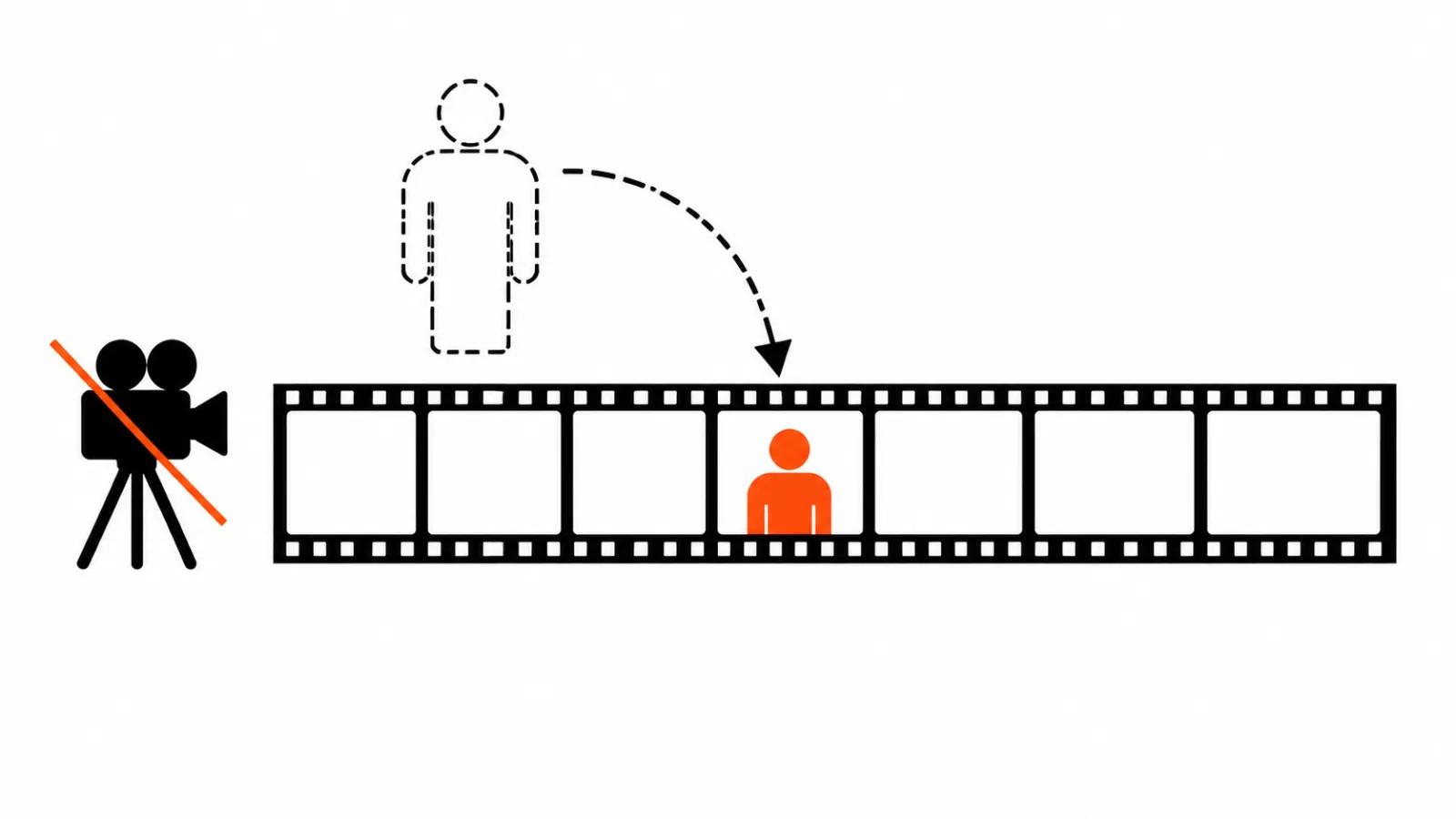
Seedance 2.5 flash: twice the speed of the previous version
ByteDance released Seedance 2.5 flash through Volcano Engine on November 12, reported by IT之家 and TMTPost. Generation runs twice as fast as Seedance 2.5, and a second of 720p from text or images costs about 0.99 yuan, roughly 34% below the bigger model. One pass returns up to 30 seconds of video. Input caps sit at 10 images, 5 videos and 5 audio clips, and output comes in 480p or 720p.
Access opened on November 12 in Jimeng, LibTV, Updream, Creao AI and TapNow. The API arrives in Volcano Ark on November 15. A day earlier, on November 11, Runway and ElevenCreative announced Seedance 2.5 running natively at 4K with 10-bit colour and a 480p draft mode.
Why this matters: 30 seconds per pass at about 14 cents a second changes the arithmetic of a series. A half-minute scene can be taken in one piece, and drafts can render at 480p, with the final resolution paid for only at the last step.
Adobe at MAX: four previews about fixing finished footage
Four research previews went up in Adobe's blog on November 11 at MAX Sneaks. These are lab demos. Adobe promises no products here: some may never ship, and no dates were given.
Project Scene Sweep carries a single correction across a whole scene, through cuts and camera angles. Project Live Set changes the hero, the environment or the camera while the clip keeps playing. Project On Cue times an event inside generated video with a timing signal that can be drawn or pulled from video and music. Project Screen Test develops a character in conversation.
Why this matters: all four aim at the same cost, the repeated pass. An object or a light fix is done shot by shot today, and Scene Sweep promises to carry it across cuts instead. Once that ships, a series of ten versions stops needing ten identical manual passes.
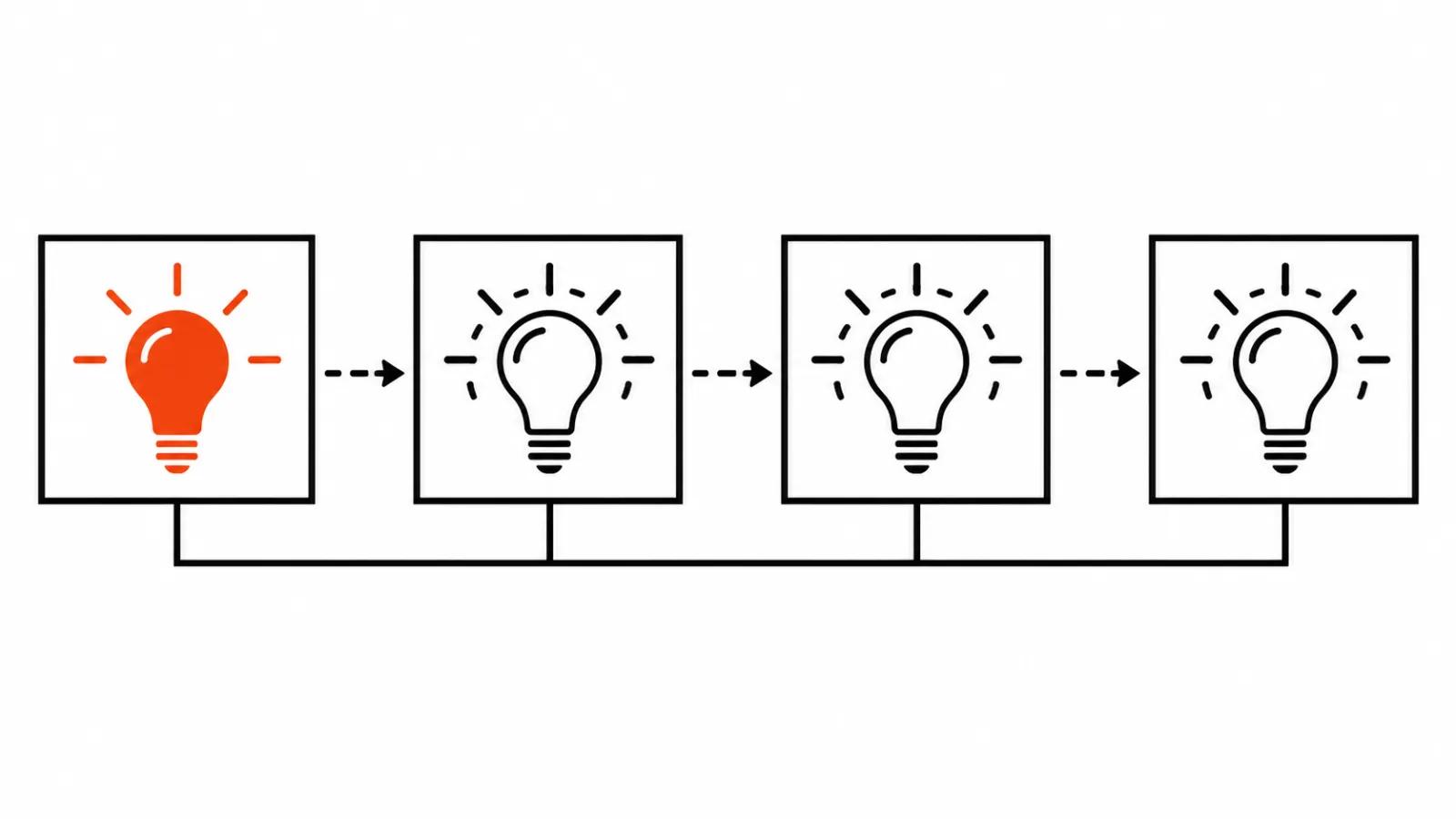
Luma: swapping an actor and inserting an object into a finished shot
The @LumaLabsAI account announced Character Swap & Insert on November 11. The tasks are listed in plain words: replace an actor, replace a car, add a dog, remove a person, all of it keeping the same shot. No pricing, length or resolution was announced.
Why this matters: face replacement in finished footage used to be tracking, masking and hand finishing, and every shot cost hours. A tool of this class could remove a good part of that work if it holds light and head motion. With no price or resolution from Luma yet, it does not enter a quote, and it does enter a test on your own footage today.
Runway opens Praxis-1 with Apache 2.0 weights
Runway published Praxis-1 on runway.com/news on November 11, with weights under Apache 2.0. It is a world-action model at 27 billion parameters, a diffusion transformer with MoE. It predicts video and robot actions together and was trained on the same video pretraining as Runway's world models. On the RoboLab-120 benchmark it lands 46.2% success.
Why this matters: open weights mean a test on your own hardware without a vendor contract, and 46.2% on RoboLab-120 becomes the baseline for whatever ships next. 27 billion parameters will not fit a laptop, so this is a tool for labs and teams with serious hardware.
Rumour: a Google video model called BouncyBohr
The @chetaslua account on X wrote on November 11 that it had seen a test video model at Google called BouncyBohr: 4K, three extensions of 10 seconds each, several input images. Google has confirmed nothing, and there are no prices or dates. Treat it as a rumour, and do not plan a release calendar around it.
Why this matters: if the description holds, Google gains a long run with extensions at 4K, and that is the first sign the line moves past the short shot. Until the company confirms it, this stays a line in a feed, and decisions rest on what an account can already access.
AI video news: what changes in the work
The day converges on one point: fixing footage already shot is getting cheaper than shooting it again. Luma swaps an actor inside the shot, Adobe promises to carry one correction across a scene, Runway hands out weights. For a studio that means more work with the archive and fewer reasons to travel for a reshoot.
Client work looks like this. Vertical video ads run on cost per view and release speed, and a cheap Seedance second feeds that engine directly. A format that lives as a series is easier to build through AI video production, where a repeatable scene matters more than one striking frame. Handcrafted AI videos from 190 dollars per finished piece cover the jobs that need exact lip sync and a final frame with no fixes.
The November 11 roundup on Firefly Video, Omni Extend and pi-H3 showed generation moving inside the edit. Today's stories add the other half of the job, fixing material that already exists.
My short call for the week
Run Seedance 2.5 flash on a 30-second scene from your own series, since the cost of a second only shows up on a batch. Test Character Swap in Luma against light and hair, where tools of this kind usually fall apart. Read the Adobe previews as a direction: if Scene Sweep ships, manual passes across versions shrink by a lot. Praxis-1 belongs to whoever owns a card for 27 billion parameters. BouncyBohr waits for a confirmation.