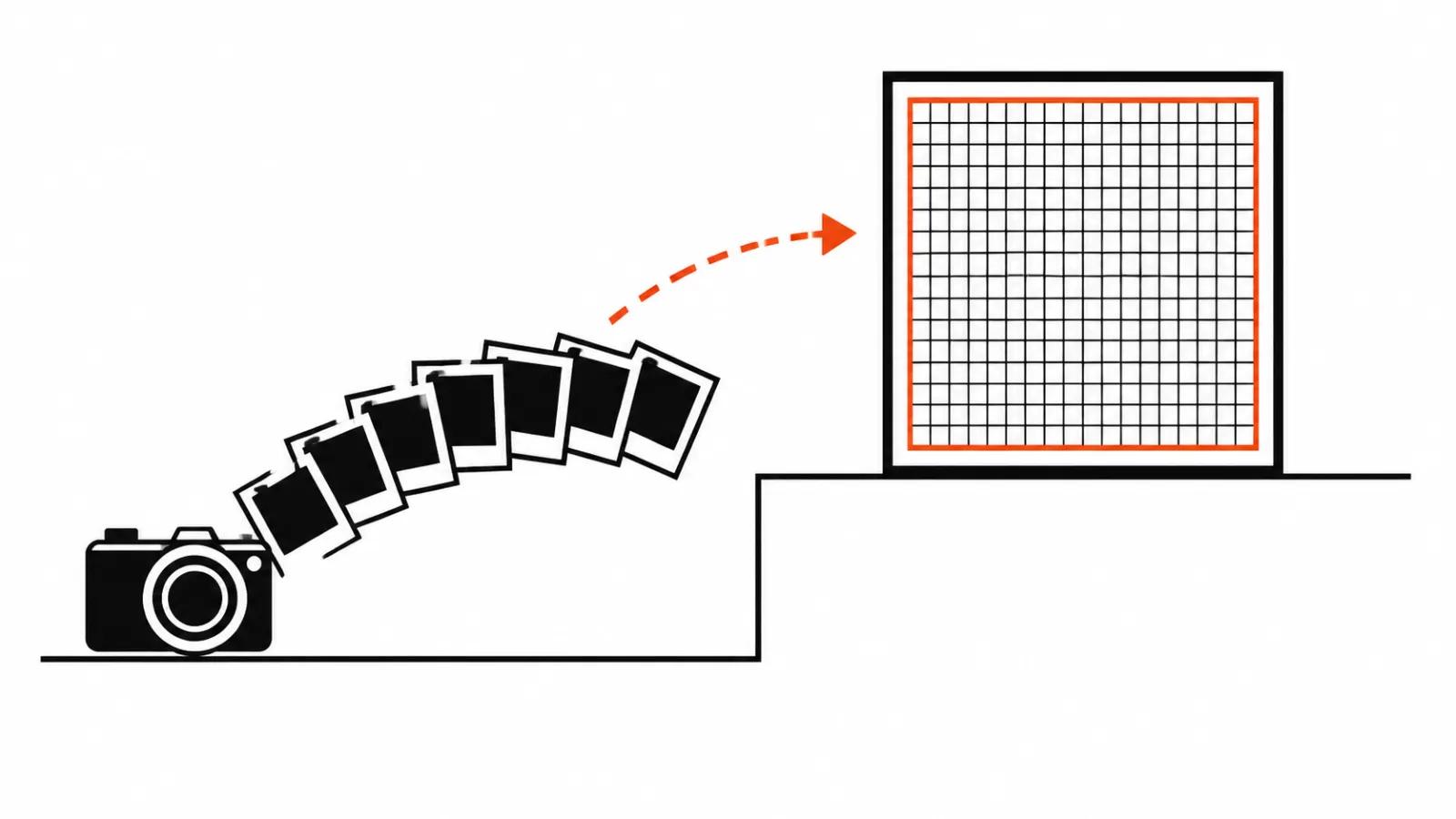
Two tiers out of one family
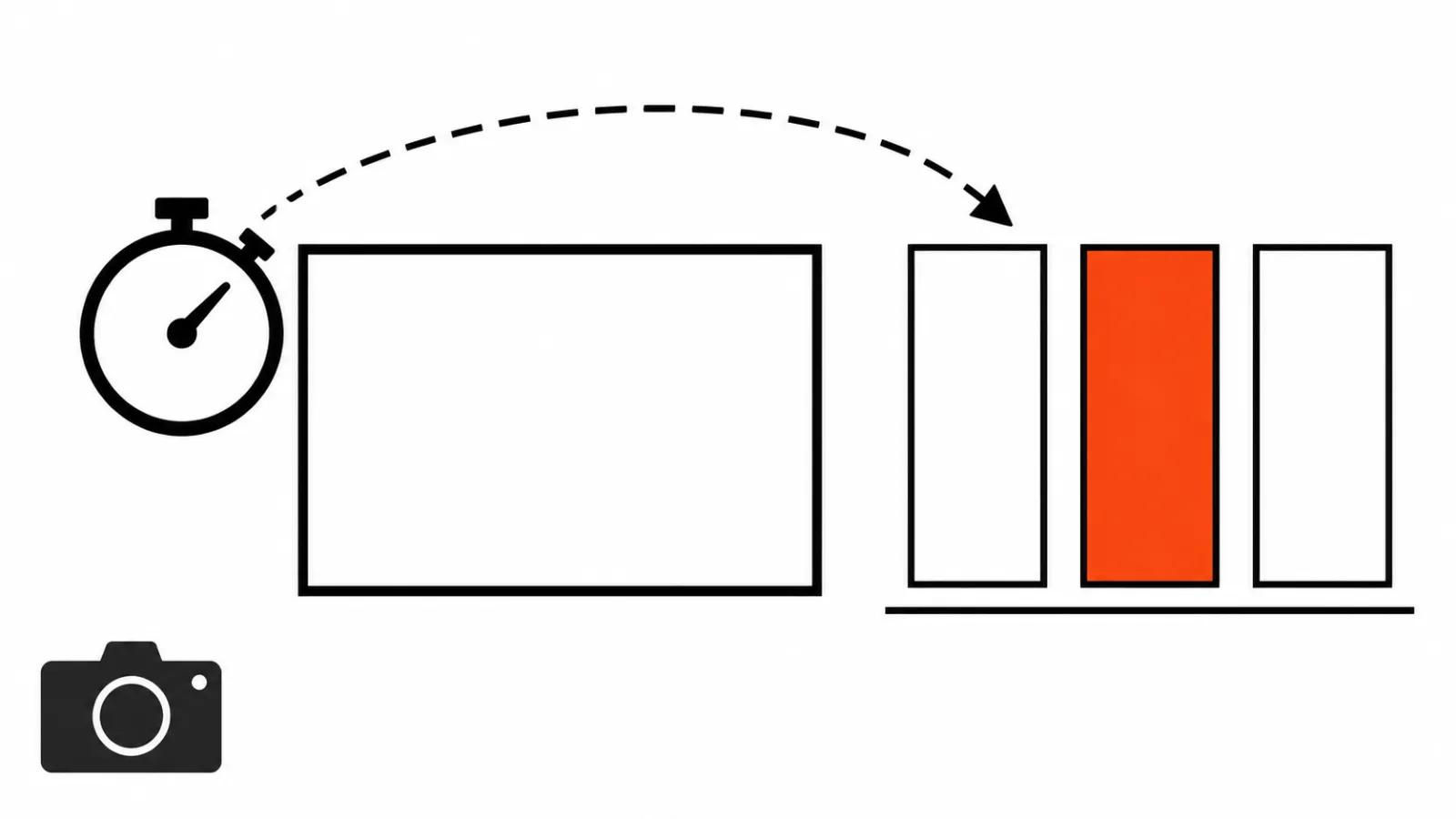
On 12 November 2026 ByteDance put Seedance 2.5 Flash on Volcano Engine, as iThome and TMTPost reported. The company splits the family itself. The flagship Seedance 2.5 stays on 1080p and 4K and keeps a Draft mode: pick a draft first, render the clean take after. Flash goes to frequent and batch generation. The logic is simple enough. One tier owns volume and speed, the other owns the final frame.
The quality claim is modest, which makes it believable. According to the company, Flash is the closest thing to Seedance 2.5 in quality, and it sits above the previous flagship Seedance 2.0 overall. You still have to test that on your own footage, because "closest" does not mean identical.
Cheap video, priced by the second
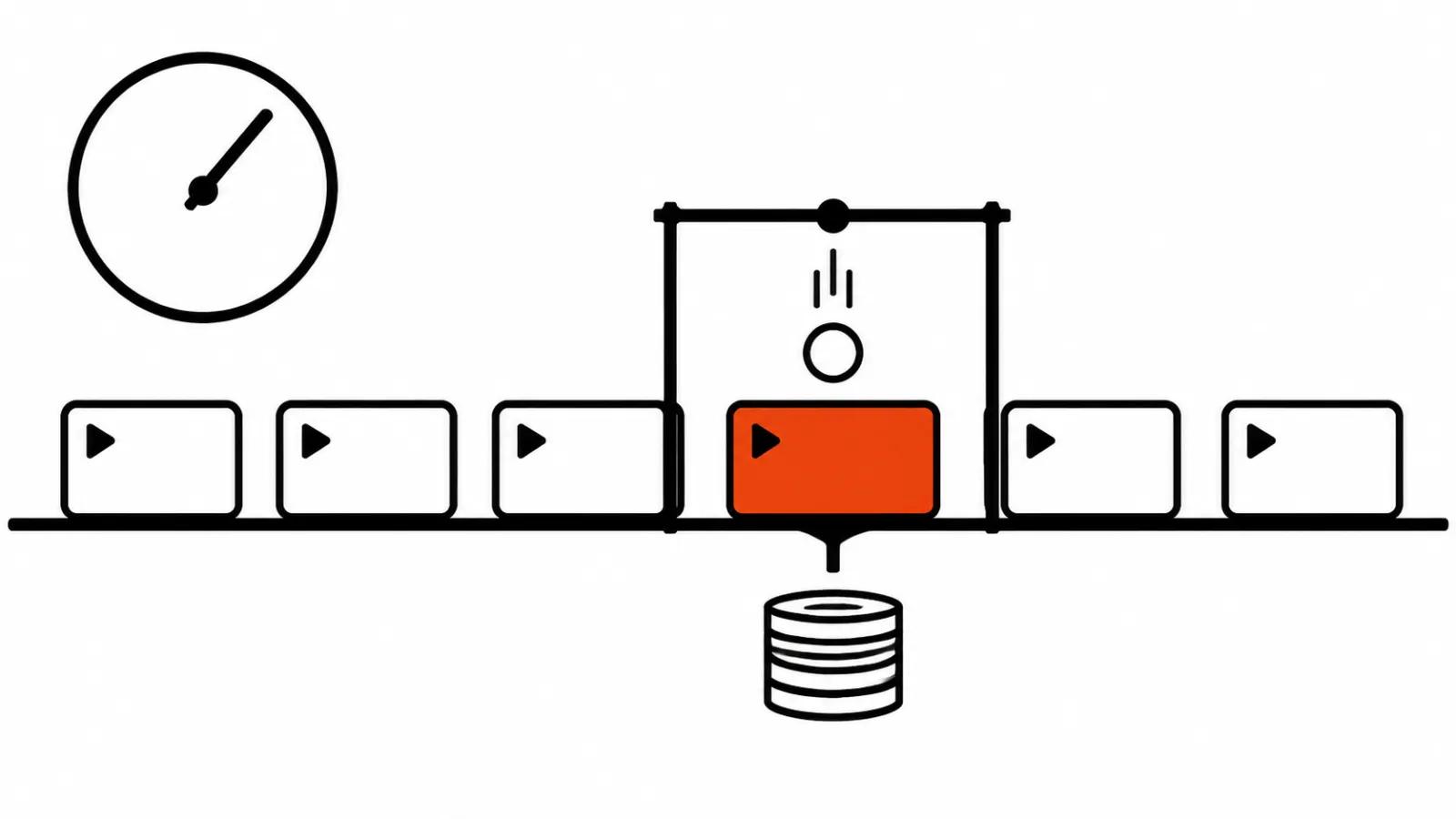
The number that gets Flash talked about is the price. At 720p with text in the video and image in the video, a second costs about 0.99 yuan, roughly 34% below Seedance 2.5. For anyone quoting a series of clips, a third off is an argument.
Generation runs twice as fast as the flagship. One run goes up to 30 seconds, the input accepts up to 10 images, 5 videos and 5 audio files, and output lands at 480p or 720p. The company singles out edits as well: one piece of footage turns into several creative versions without starting over.
Access opened on 12 November through Jimeng, LibTV, Updream, Creao AI and TapNow. The API arrives in Volcano Ark on 15 November, a Sunday. So you can watch Flash with your own eyes this week and automate it from Sunday.
Where the cheap tier earns its keep
My routine with Flash is short. Ten versions of the opening shot at 480p, a selection pass, then the same scenes at 720p. While options are still multiplying, an expensive model burns budget on takes that never reach the edit.
Then come the edits. Flash is pitched as a tool for frequent, batch generation, which is exactly what vertical ads need: one offer, five hooks, three endings. These cheap AI video generators win on volume, and at this stage speed of iteration matters more than fine detail. The same work sits inside AI video production when a client needs a set built for one placement.
4K: what we actually know on 11 November
The second tier comes with fewer facts. Volcano Engine shipped Seedance 2.5 in 4K on 23 October 2026, and access went first to selected enterprise clients, as TechNode reported.
On 11 November Runway wrote: "Seedance 2.5 in 4K is here. Now available in Runway." ElevenCreative added the details that matter more than the announcement: native 4K with no upscaling step, 10-bit colour, currently outside the US. The workflow starts with a 480p draft and renders the final in 4K. Prices, clip length and frame rate for 4K have not been announced.
Hence the practical reading. You cannot budget 4K yet, you can only budget access. If a client asks for 4K next week, the honest answer is a short test clip first and a number after it.
Where a native 4K frame pays off
People ask why anyone needs 4K when the platforms compress everything anyway, and for a feed the answer is simple: nobody does. There are two places where 4K earns its cost.
The first is colour work. The 4K version is listed with 10-bit colour, which keeps gradients, skies and highlights smoother; ByteDance says nothing about the bit depth of Flash. If the clip goes to broadcast, to a screen in a venue or to outdoor media, a close-up with skin and a gradient will look different, and it shows without anyone pixel-peeping.
The second is reframing. A 4K frame yields a vertical, a square and a horizontal cut without losing detail, and the same crop from 720p falls apart. For one client that saves a second generation.
One caveat worth testing before you quote. The draft at 480p moves up to 4K, and I have not seen confirmation that the motion survives that step frame for frame. Until it is tested on real footage, I treat 4K as the finishing stage and do not sell it as a guaranteed upgrade.
How to choose for a client's job
Four questions cover the decision for me.
Where does the clip run? Feeds, stories and shorts live at 720p, and nobody there will see a difference against 4K. Will there be colour grading and close-ups? If yes, the final goes to 4K while tests stay on Flash. How many versions are needed? Five or more versions of one offer are cheaper to iterate on Flash, because you pay for generated seconds. Is there time for a draft pass? Draft mode adds a step, and on a rushed job that step can cost more than the quality it buys.
One more figure beats any price list: the cost per second of AI video across models in November 2026. It makes it easy to compare Flash with other models per second.
My conclusion
I would take Flash as the main workhorse: tests, variations, vertical 720p, edits across versions. I would keep 4K for finals that need colour work and close-ups, and for slicing one frame into several formats.
The saving on Flash is not the third off the price. It is that you stop paying for 4K where nobody will ever see it.
The practical side. Our handcrafted videos start at $190, and a person owns every frame there. When the budget is counted in seconds instead, compare vendors first: a second of Seedance 2.5 Flash at 720p lands near 0.99 yuan, which is one of the lower points on the market. A stream of vertical videos is priced differently, per view, and there the quote follows volume.