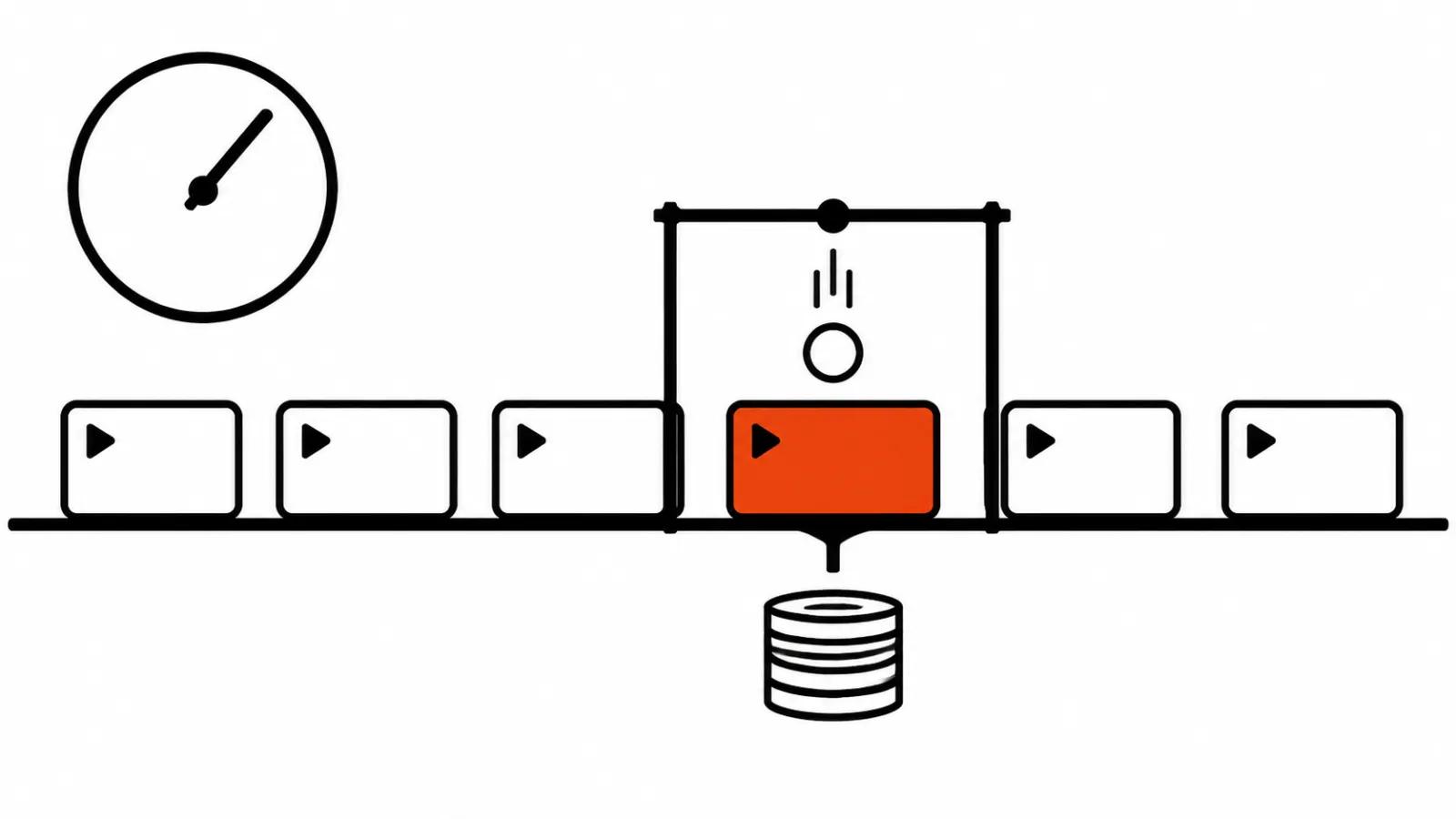
What opened on November 15
ByteDance showed Seedance 2.5 Flash on November 12, and the model reached its own API on November 15. Access runs through Volcano Engine Ark inside China and BytePlus ModelArk everywhere else, opening at 14:00 Beijing time, which is 09:00 in Moscow. The model ID in the BytePlus price list is dreamina-seedance-2-5-flash-261115, and before that day there was no way to call it at the vendor.
The company promises generation roughly twice as fast as full Seedance 2.5 and pricing about a third lower at 720p. The speed claim stays a claim: no independent timings existed on November 15, so it belongs nowhere near a budget yet. The price is a different story, it sits in a public table.
Video generation API pricing: the BytePlus table
BytePlus bills tokens, never seconds. The Flash rate is $7.0 per million tokens at 480p and 720p, full Seedance 2.5 costs $10.70, and consumption follows frame area and clip length. For a quick estimate the Model pricing page carries worked examples: a 5 second clip, 16:9 frame, no video input.
The promised discount holds up. Full Seedance 2.5 at 720p costs $0.231 a second, Flash costs $0.15, which is close to two thirds of the flagship rate.
| Resolution | Flash per second | Flash, 5 s clip | Seedance 2.5 per second | Seedance 2.5, 5 s clip |
|---|---|---|---|---|
| 480p | $0.07 | $0.34 | $0.103 | $0.514 |
| 720p | $0.15 | $0.76 | $0.231 | $1.156 |
| 1080p | not supported | not supported | $0.569 | $2.843 |
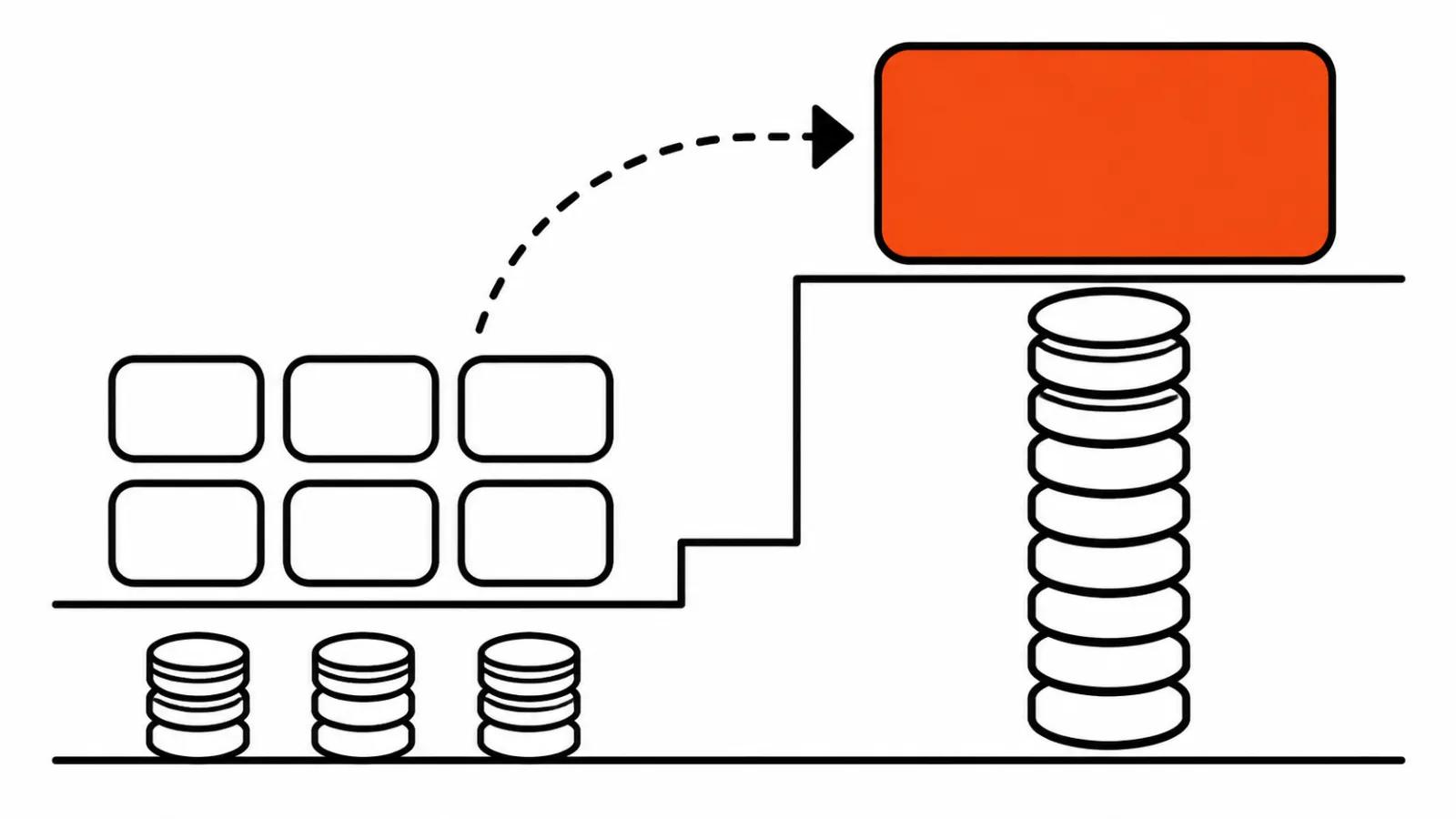
Cost of a retry pass, counted in seconds
A retry is a separate generation and gets billed separately, so a budget is seconds multiplied by attempts. Ten seconds of Flash at 720p runs $1.50. The same ten seconds on full Seedance 2.5 at 720p costs $2.31.
A draft pass works the same way. Ten seconds at 480p is two five second clips at $0.34, so $0.68 a shot. Twenty attempts come to $13.60. The identical pass on the full model at 480p costs $20.56. BytePlus does not charge for a generation that fails on content moderation, and across a long series that gap adds up.
The working rule: count the retry budget before the first attempt. Twenty retries of ten seconds is two hundred seconds, and that number decides whether the pass runs on Flash or straight on the full model.
What a clip with video input costs
Flash covers text to video, image to video, generation from references and editing an existing clip. Two resolutions, 480p and 720p, and the model does not go higher.
In editing and reference-to-video work the input runs from 2 to 30 seconds, the output is 5 seconds, and tokens cover input plus output together. That turns the price into a range: a 480p clip lands between $0.37 and $1.45, a 720p clip between $0.84 and $3.25. A longer input costs more on the way out, and a thirty second reference package sits at the top of the range. The modes and durations come from the announcement, and no independent timings for input processing existed on November 15.
Why a reseller rate differs from the official one
Resellers reached the market before the vendor and price by their own rules. Venice, in documentation read on November 15, lists $0.0571 a second at 480p and $0.1235 at 720p for silent clips, 4 to 30 seconds long. Atlas Cloud asks $0.167 a second on the model page and runs a 35% discount through November 30, which drops the rate to $0.109. Runway announced Flash on X on November 13, while its API price list on November 15 has no Flash line at all, so there is nothing to read there yet.
Comparing those numbers works only at identical settings: resolution, audio, clip length, platform markup. Some cheap rates exclude sound, others expire with a promotion, so a figure copied from a reseller page ages faster than it looks. For a client quote the vendor rate is the safer anchor, and a reseller price belongs on the order page, read on the day of purchase.
Where Flash fits in a real workflow
The logic is simple. Flash at 480p and 720p covers drafts: check the movement, the camera, the composition, the cut rhythm. Movement and camera usually need more attempts than the final shots, and the cheaper second pays for that. The 1080p finish goes to full Seedance 2.5 at $0.569 a second, since Flash stops at 720p.
Inside an AI video production pipeline this pairing saves on the most expensive rounds: a client sees motion and camera on a cheap draft, and notes land before the final render. Across a series of shots the difference turns into a real number. Vertical ads follow the same shape: ten versions of one spot are cheaper to test at 480p, and only the winners go out at 1080p.
If the question is what Flash does differently from the full model and when 4K makes sense, that side is covered in the Seedance 2.5 Flash and 4K comparison. Today's news roundup touches the same model with the short version of the day.
My conclusion
The official price list closes the real gap: before November 15 a Flash budget had to be built on someone else's rate with someone else's markup. Now there is a vendor anchor, and every other number reads as a deviation from it.
I count in two steps. Seconds first: clip length times attempts, then the cost of the whole pass. Resolution second: a draft at 480p or 720p, a finish at 1080p on the full model. That arithmetic outlives any reseller promotion, because it leans on the vendor page.
One more thing. The promised double speed does not touch a budget until somebody measures it. If timing is tight, pad the schedule and test on your own material.