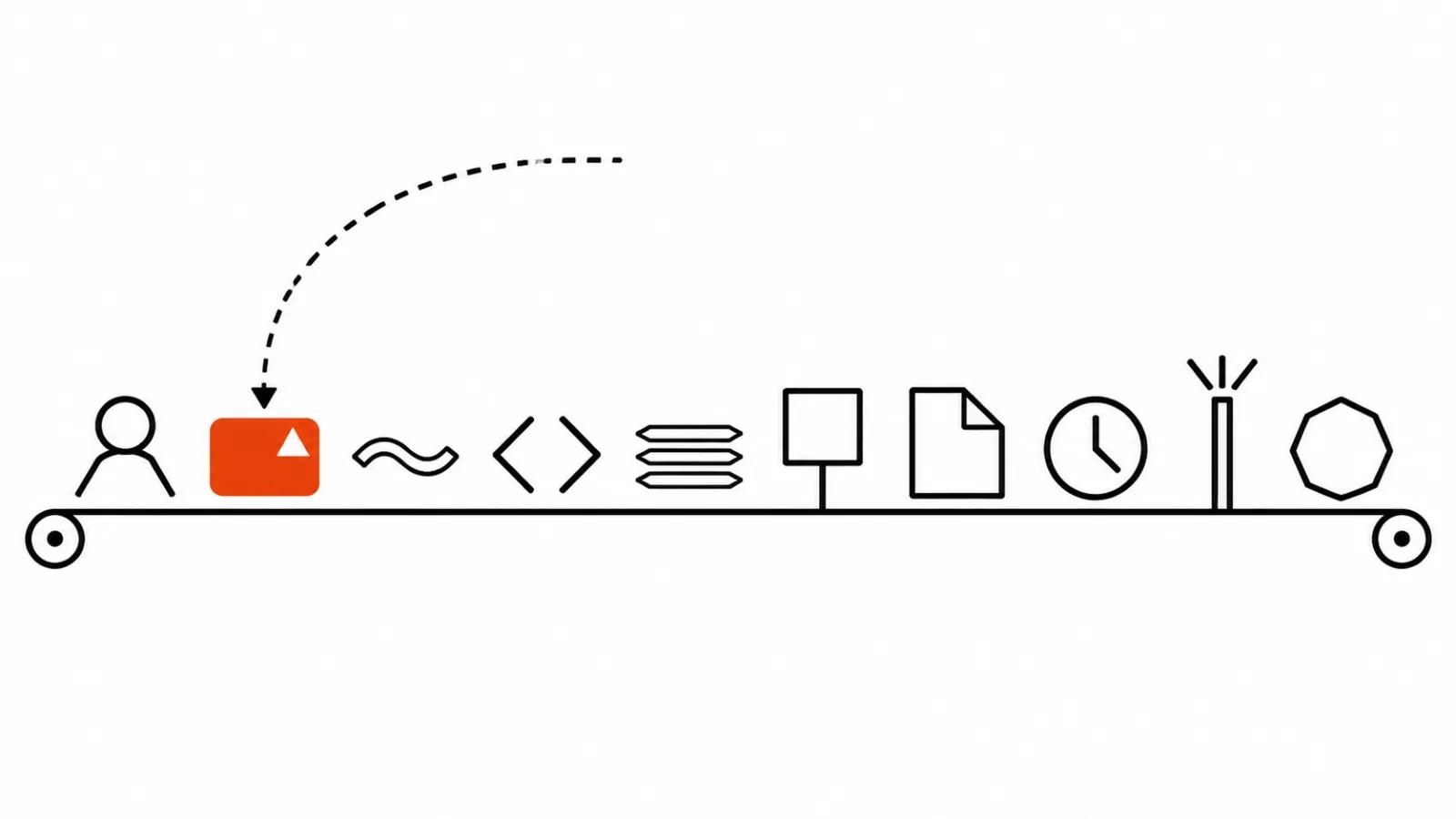
HeyGen Avatar 6: 30 seconds of context
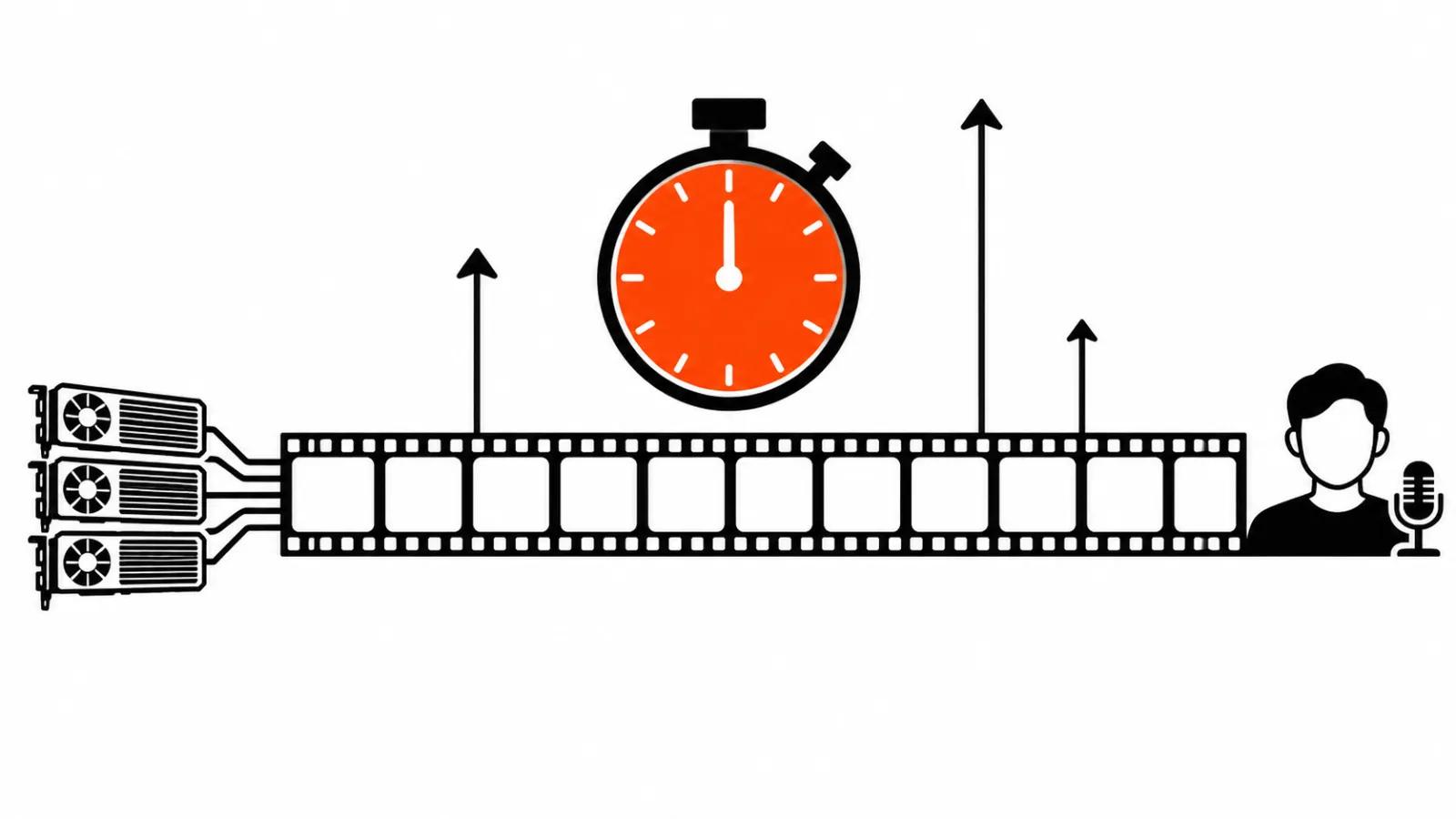
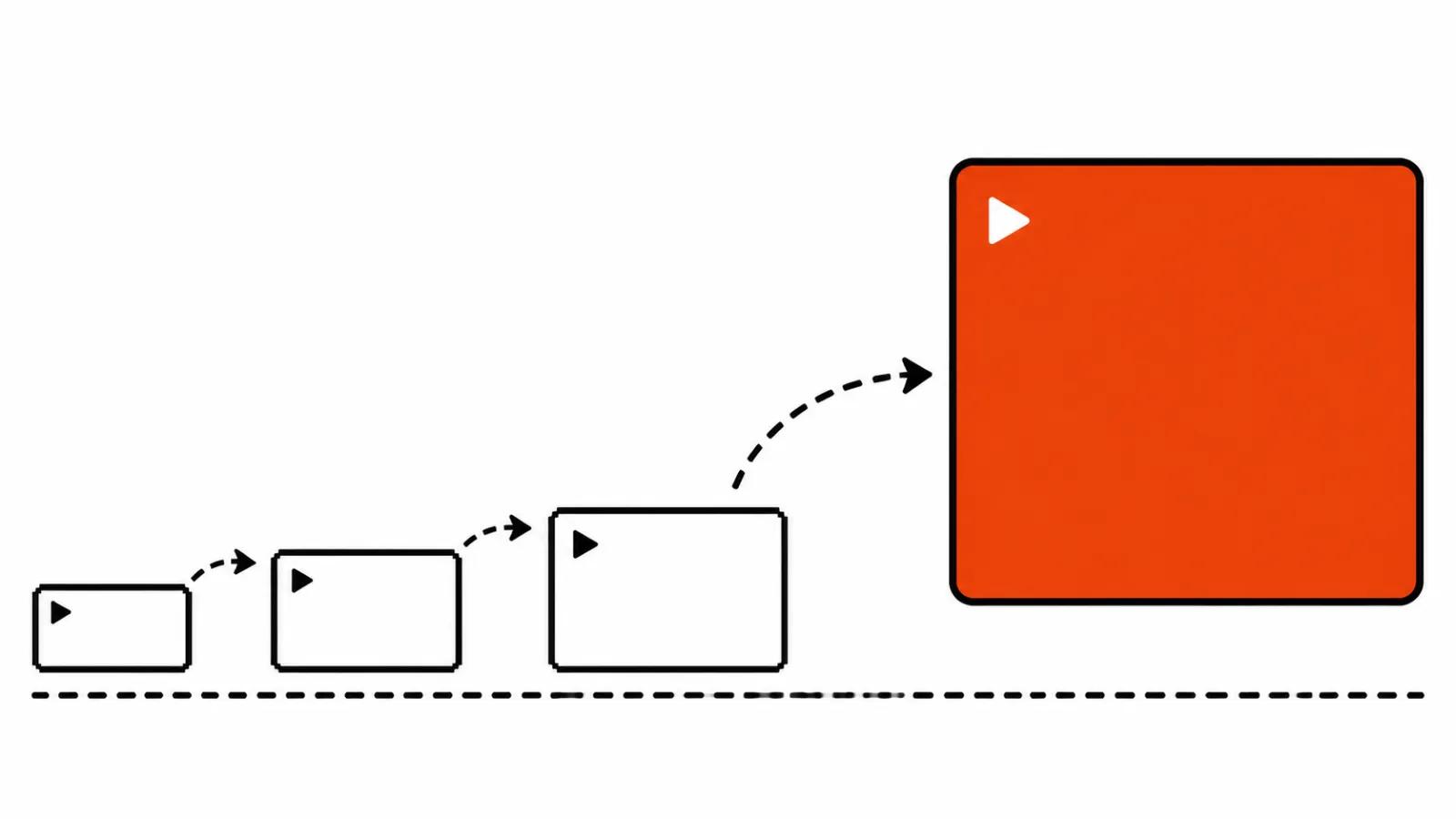
On November 17 HeyGen shipped Avatar 6 and opened it in the platform and through the API. Motion in the new model is driven by audio and by the sense of the sentence: it reads the whole phrase and keeps the intonation, so a pause before a word and a stressed syllable land in the face. The context window grew from about 3 seconds to about 30, output is native 2K, lip sync is tighter. An avatar can be built from roughly 30 seconds of video, uploaded as a file or pulled from a YouTube, Instagram or TikTok link. Existing personal avatars update on their own. Footage of real people stays inside the HeyGen platform, where identity is checked and consent is collected. By the company's count, Avatar 6 took first place in Avatar Arena, the leaderboard run by New Measure. A separate piece on the model went live today.
Why this matters: half a minute of context is a whole paragraph of speech carried in one take. The older avatars drifted on the third sentence, so long scripts were stitched together and the joins lost the intonation.
Gemini Omni 1.2 Flash lands in Google Cloud
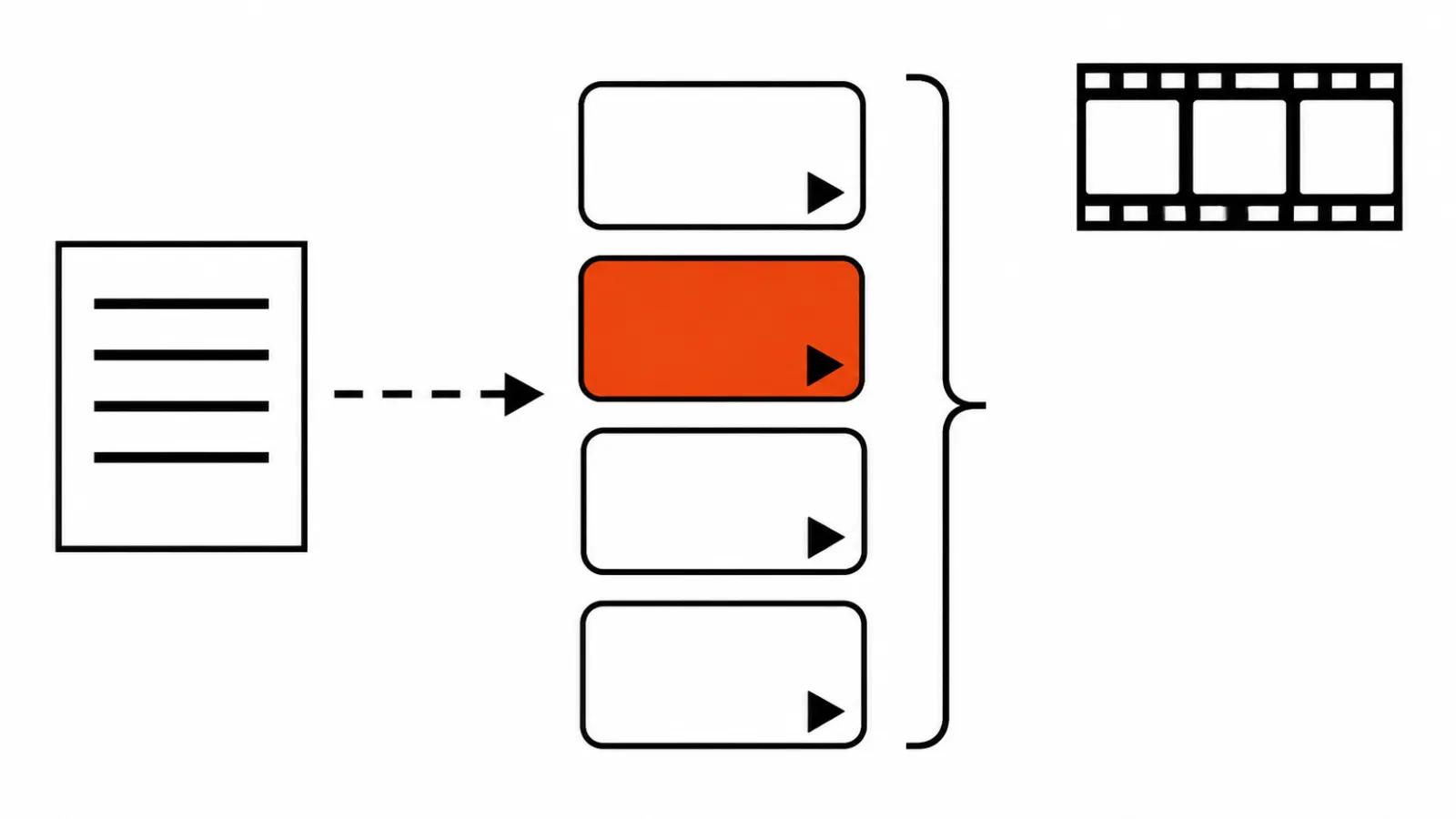
On November 17 Gemini Omni 1.2 Flash became generally available in Google Cloud, as itbrief reported. It sits inside Gemini for business and inside Google Vids, and developers reach it through the API. Clips now run up to 15 seconds instead of 10, a second at 720p costs from $0.07, which is 30 percent below Omni 1.1 Flash. Drafts render at 360p or 720p, then the chosen take is upscaled to 1080p or 4K. Image, video and audio references are followed better than in the previous version, speech and lip sync carry several speakers, and a finished clip is edited by text. Audio references come only from an approved list, and SynthID sits on the output.
Why this matters: 15 seconds plus text editing removes the worst part of ad editing. A line can be rewritten inside a finished clip without rebuilding the scene from scratch.
Suno Visuals: 15 second clips under a song
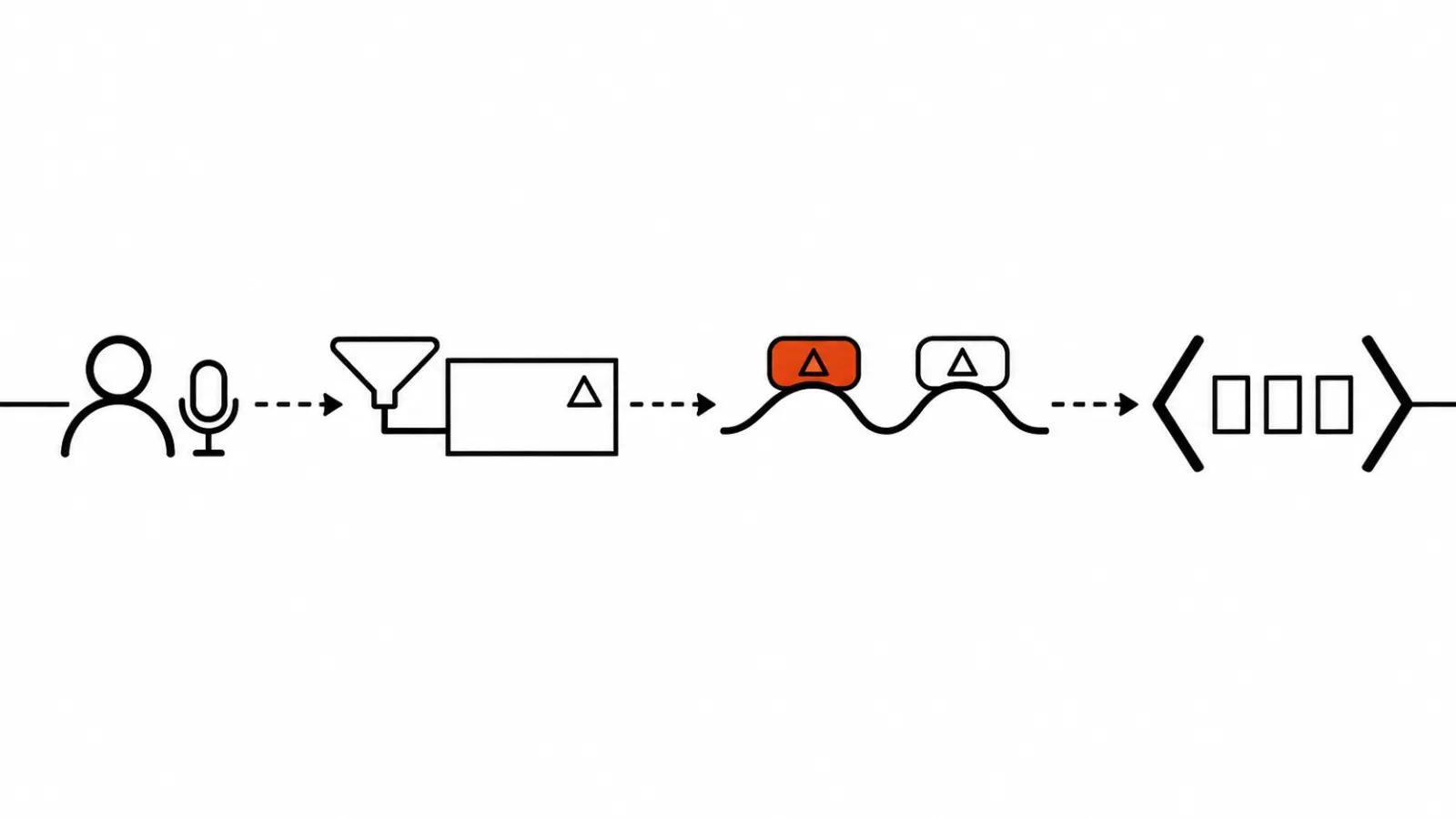
On November 17 Suno introduced Visuals on its blog, and TNW covered the launch. The tool makes clips up to 15 seconds under a finished song, plus lyric videos and album covers. A clip follows the structure of the track, picks up the words and syncs the lips. You can start from a Suno character or from your own image, then extend the clip and edit it by text. The web version works now, the iOS and Android apps arrive in the coming weeks according to TNW. Visuals bills on separate credits. Filters block prompts built on the likeness of artists, public figures and protected characters, and hidden watermarks sit on the files.
Why this matters: a clip for a track stopped being a separate project. The song is already in Suno, and the video is cut in the same window, with no audio moving between services and no manual check against the beat.
Apple FastFrames: two open text to video models
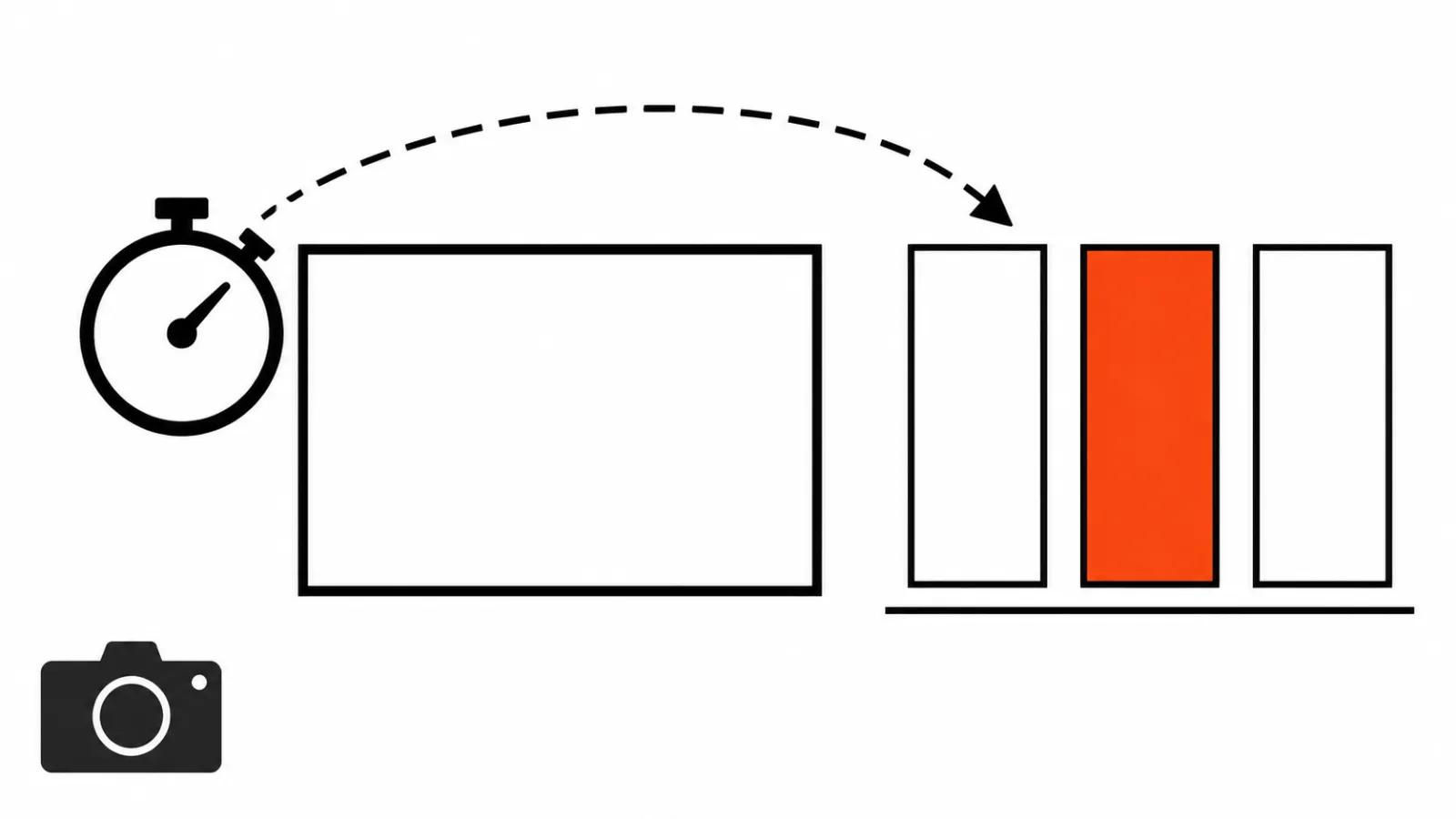
On November 17 ReelStack went through FastFrames, Apple's research models for text to video. There are two, at 1.3 billion and 14 billion parameters. The authors report about 36 ms per frame for the small one on a single B200 and about 45 ms for the large one on eight B200s, with 480p output. The licence covers research only and bars commercial use.
Why this matters: a fraction of a second per frame shows where the price of generation is heading. Once that pace reaches a working tool, a draft renders faster than an editor window opens today, and a run of ten takes stops eating a shift.
Kling Image 4.0 and Pika Enact: 8K stills and mouse driven staging
On November 18 Kling released Image 4.0, which had lived as a teaser until now. It runs in Kling Creative Studio and through the API, renders native 8K, holds up to 2000 characters of text inside a picture and returns up to 10 consistent images per request.
Pika showed Enact the day before, a research preview on Pika H3 Flex. The app streams video and audio in chunks under a second, actors and camera move with the mouse, and lines are typed in place. Consumers cannot get in, and the company takes requests from enterprises.
Why this matters: an 8K still works both as a poster and as a frame behind a clip, and mouse staging shortens the road from storyboard to animatic. Both save time exactly where days usually disappear.
AI video news: the video gets built in code
On November 17 OpenDesign published OpenMotion 0.1.0 under Apache-2.0. The agent takes a reference clip or a link and rebuilds it as editable HTML in your brand: edits happen on a timeline, export goes to MP4. A MOTION.md file describes shot order and timings, and the set ships with more than 300 descriptions.
Kaggle opened Code2Video Arena the same day with HeyGen and HyperFrames. Two models take one brief and write motion graphics code, then viewers vote blind. Gemini 4 Carbon held first place at launch, with Claude Opus 5.5 and GPT-6 Astra behind it, as AlphaSignal reported.
Why this matters: the arena measures the skill of building graphics from a brief instead of the look of a frame. Here the skill gets a public score.
ZONOS3-Mini and Diffusion-UI: a voice on a laptop, an interface in pixels
On November 9 Zyphra released ZONOS3-Mini under Apache 2.0, and reviews followed this week. The open speech model carries 100 million active parameters out of 886 million, clones a voice from a sample, and runs on a phone, a laptop and in a browser. Through the API a million bytes of text costs $10.
On November 17 Runway Labs showed Diffusion-UI on X, a research app where a model draws every pixel of the interface in real time. This is an early look, and a product promise would be premature.
Why this matters: a voice on a laptop with no server drops one paid cloud step in small projects.
What this roundup changes in client work
Ten releases landed in a day and they hit different parts of the pipeline. Avatar 6 and ZONOS3-Mini cover the talking head, with more context and cheaper voice. Omni 1.2 Flash and Suno Visuals shorten the road from a line of text or a track to a clip. FastFrames, Code2Video Arena and OpenMotion show how a video gets built in code and how fast a frame renders. Kling Image 4.0, Pika Enact and Diffusion-UI push preparation and the interface itself.
The practical reading is simple. A draft on Omni 1.2 Flash at $0.07 a second, a final take on a model that holds a face and a light, narration through open ZONOS3-Mini or a paid service. Every step now costs its own money, and the quote follows the number of regenerations.
A roundup like this is worth testing against your own scenes. Take a scene you already made and run it through Avatar 6 and Omni 1.2 Flash: the gap in the face and in the price of a second shows up on the same footage.
For client work the split is plain. Where a final frame and exact expression matter, doing it properly first is cheaper: handcrafted videos start from $190 for a finished piece. AI video production that runs in batches rests on another sum, up to $2.40 per 1000 views. Campaigns that run vertical video ads ship as a set of versions, and the new wave of models saves the drafts there.
Related reading: the November 17 roundup; the Kling Image 4.0 teaser.