Higgsfield Short Drama Studio: a series from a finished script
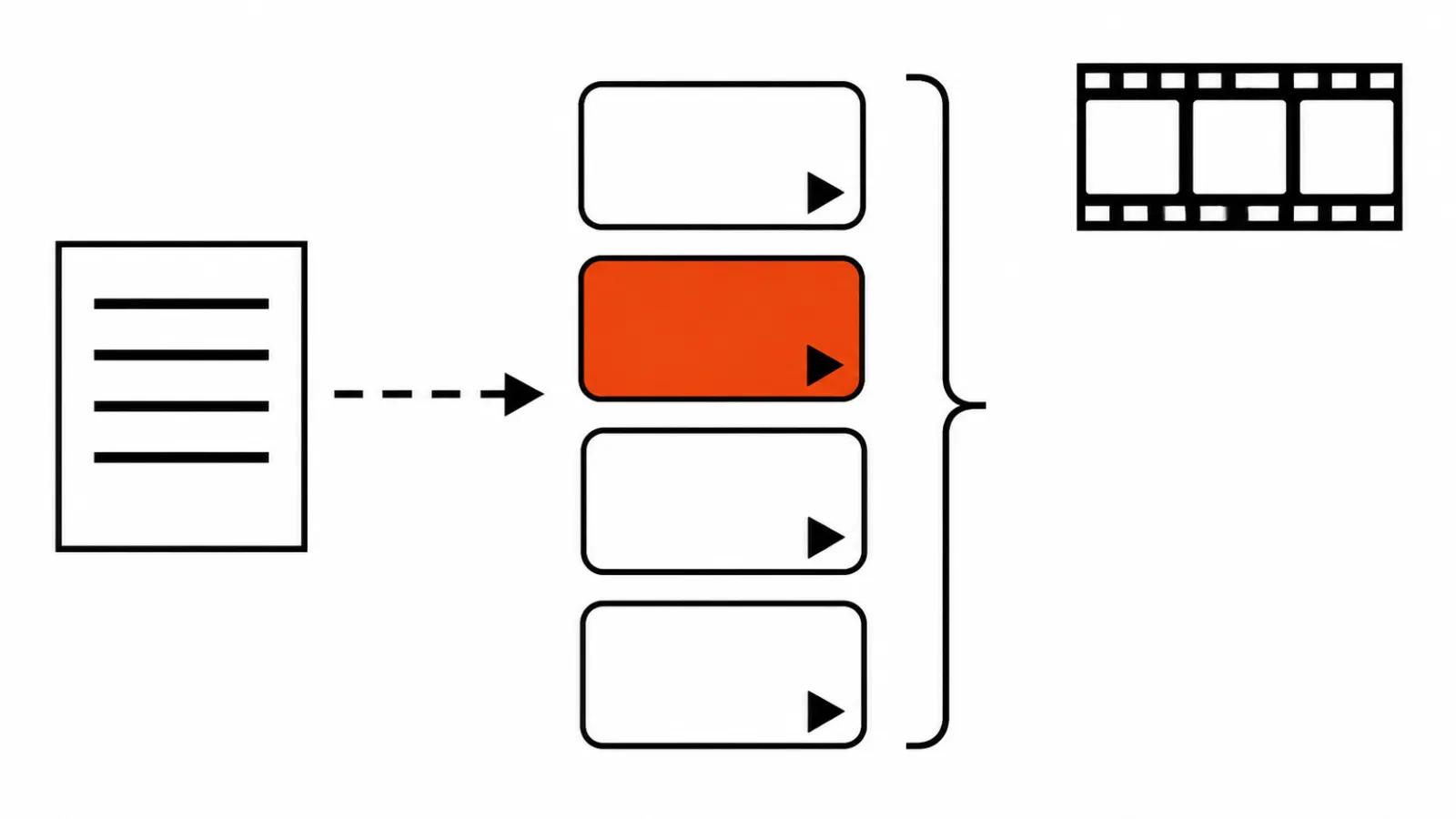
Higgsfield opened Short Drama Studio on November 16. The input is a finished script in TXT, Markdown, DOCX, PDF or FDX up to 10 MB, then a choice of style from 15 options and a frame format (9:16, 16:9, 4:3, 3:4, 1:1, 21:9), then approval of the episode breakdown and the characters' faces. One launch produces up to 100 episodes with the same cast. A separate article on the studio runs today.
Why this matters: a series stops being a chain of disconnected generations where the cast gets rebuilt for every episode. The client keeps two points of control, the script and the faces, and the studio holds everything in between.
Seedance 2.5 4K pricing in Ark: 31 yuan per million tokens
On November 16 Volcano Engine published the official price of Seedance 2.5 4K in Ark: 31 yuan per million tokens without an input video and 19 yuan with one, roughly $4.30 and $2.60 per million. A sample from the console: a 16:9 clip, five seconds, 4K without a video comes to about 30.13 yuan, roughly $4.20, which is about 6.03 yuan a second, around $0.84. On November 17 fal opened the same model with inference in the US, and PixVerse enabled a 480p draft mode with an upgrade to 4K on November 16. A separate article on the pricing runs today.
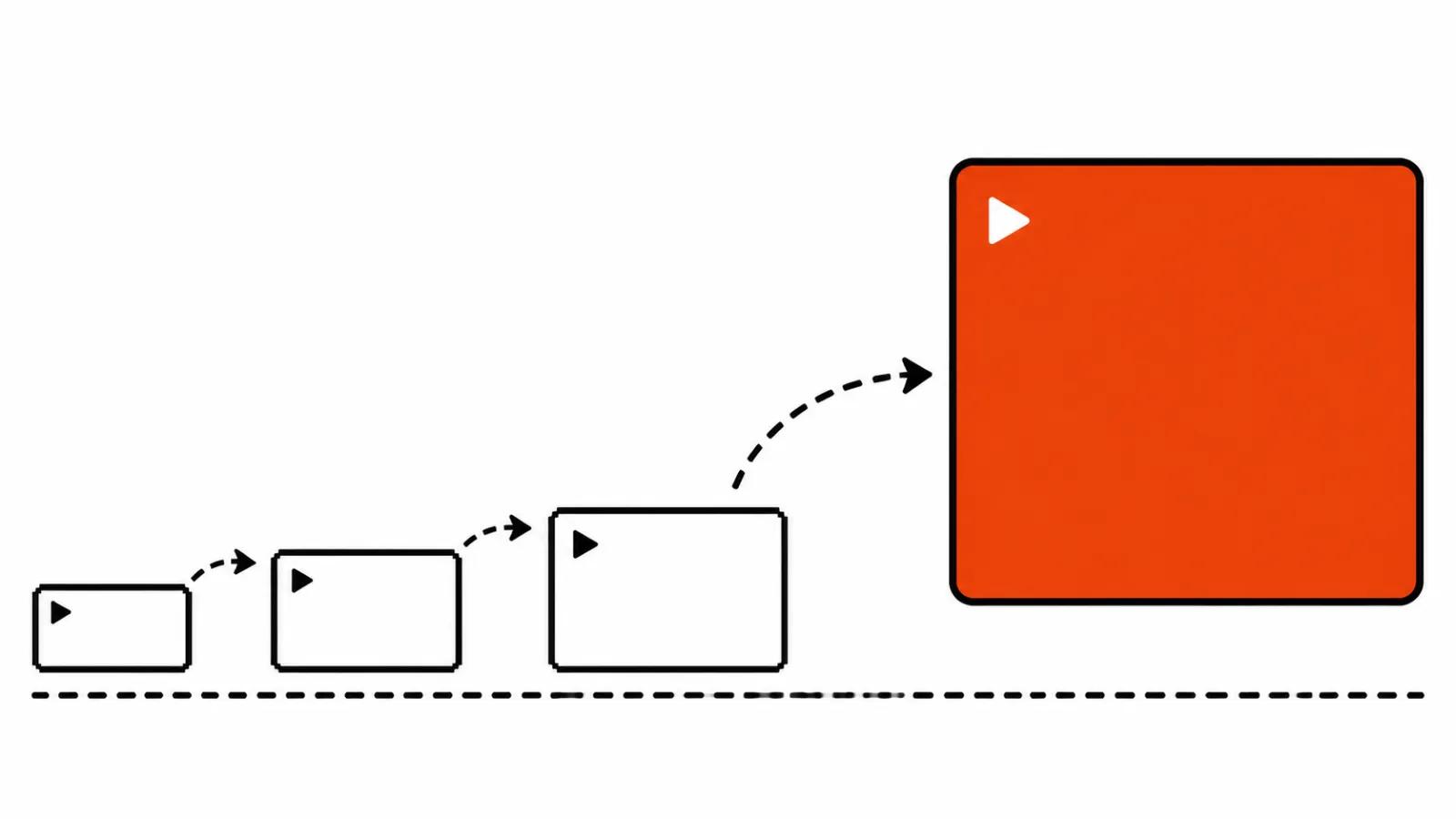
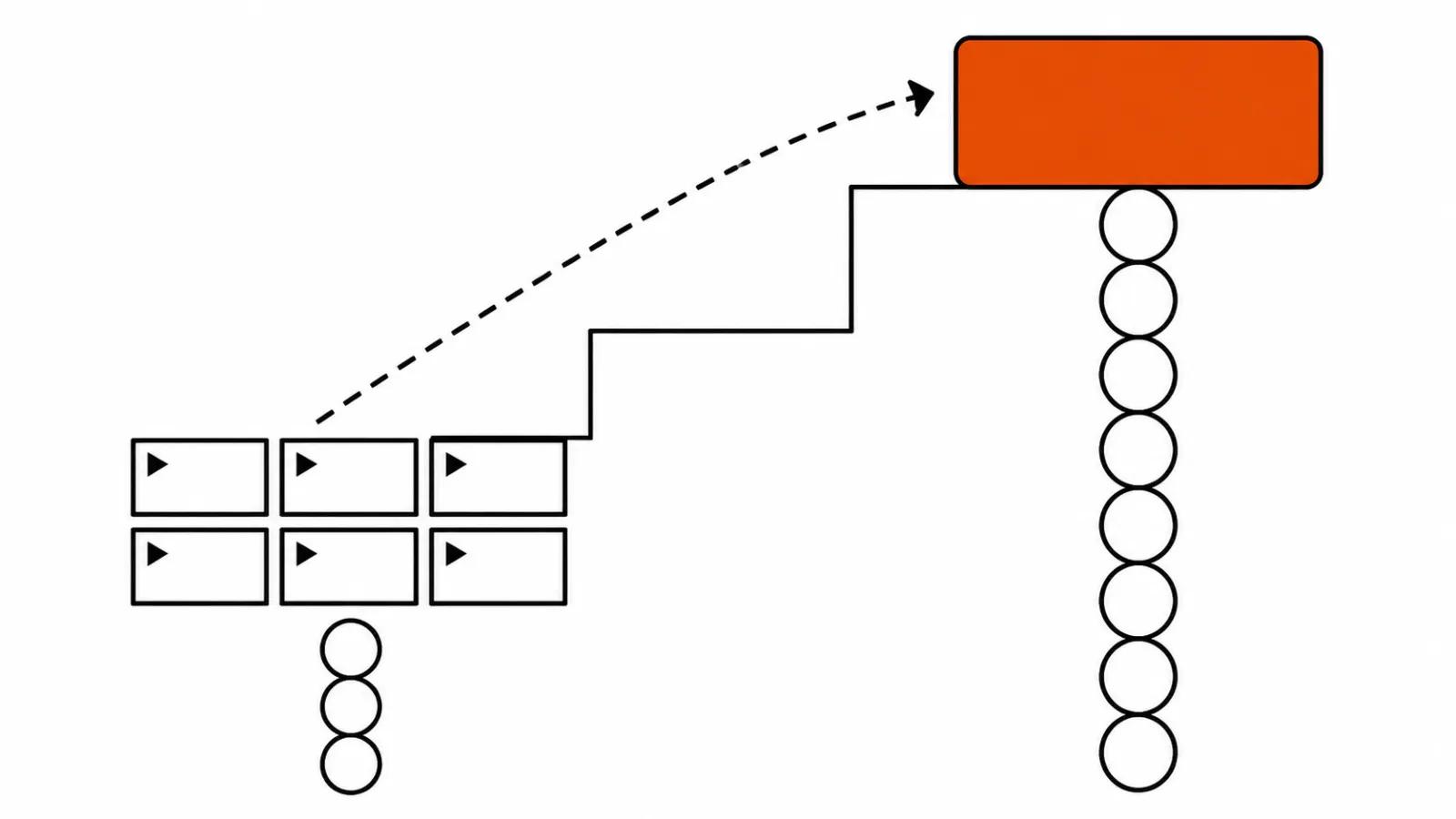
Why this matters: 4K has a vendor's own price for the first time, and you can see it before the run. A second of 4K final costs about $0.84 while a 480p draft second costs several times less, so keeping the selection pass at low resolution is the obvious move.
HeyGen Decision 1: a judge model that generates nothing
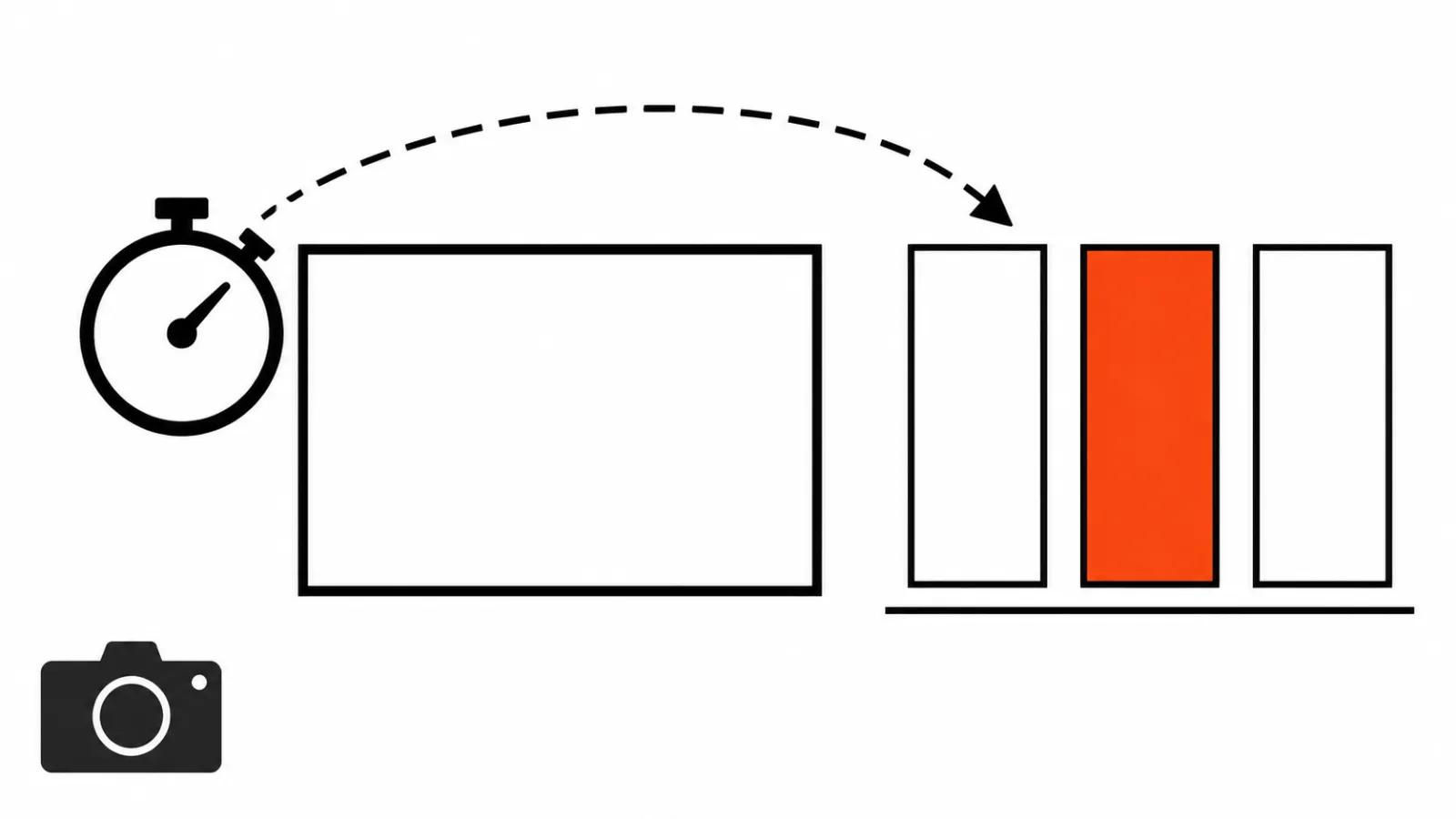
HeyGen showed Decision 1 on November 16. The model takes text or JSON, up to four images and one video, and the video is read from a sample of frames, with no access to sound. The output is yes or no answers, a choice between options, and a score with probabilities. HeyGen does not publish the model's accuracy. A separate article runs today.
Why this matters: reviewing takes is the part of the job where people burn hours on repetitive comparisons. The missing accuracy number means one simple thing, you test the judge on your own contested frames before you trust it with a series.
Meta Dream Render: a promo draft from a product photo
On November 16, at Upskill Day in Singapore, Meta showed Dream Render. It is a web app at dreamrender.com that turns a description or a product photo into a promo video draft in minutes. Shots, framing, pacing, voiceover and text are edited by hand, then you approve, download and publish on your own. The video is labeled as AI-generated. Meta did not name prices or the countries where it will run. A separate article runs today.
Why this matters: a draft for testing a hypothesis now costs minutes of work. For vertical advertising that is a way to check the product and the offer before people and budget enter the project.
Cohere Video Intelligence: archive search with a timestamp
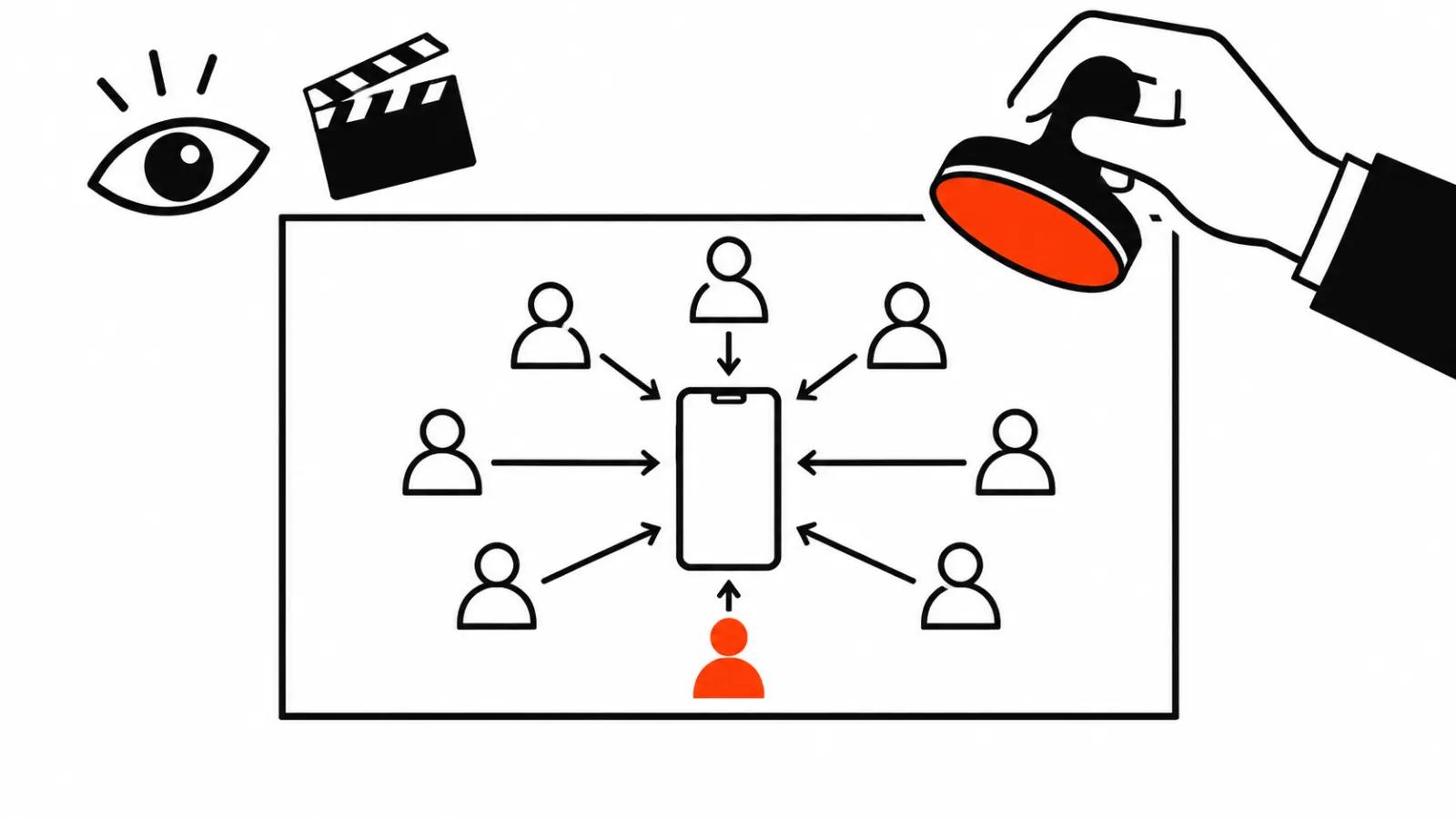
Cohere opened a private preview of Video Intelligence inside Compass on November 16. The search runs over speech and over what is visible in the frame, and the answer is a clip segment with a timestamp, a transcript and a description of the picture. Video sits in one index with documents, with access permissions respected, and there is an MCP server for agents. A separate article runs today.
Why this matters: the archive stops depending on an editor's memory. Finding the right take by a phrase or by a scene in the frame is cheaper than rewatching hours of footage, and access permissions keep the search from pulling up someone else's material.
AI video news: rankings disagree, Kling Image 4.0 teases
Per the RCTV digest of November 16, data as of the 15th: in Design Arena, Gemini Omni 1.2 Flash holds first place with 1369 points, and Google takes the top three spots. In Artificial Analysis, the same model in text-to-video with sound sits fifth at 1152 points, with a rank range from third to ninth, behind Wan 3.0 and Utopai X. Separately, Kuaishou spent November 16 and 17 teasing Kling Image 4.0 in the official Kling X account with the words coming soon, no date, no price, no specs. Numbers from third-party listings are unconfirmed rumors for now. A separate article runs today.
Why this matters: one model lives in first place in one table and in fifth in another. A ranking answers the question its own methodology asks, so the choice for a given job still gets made on your own material.
New AI video models: PAN 2 runs in ComfyUI
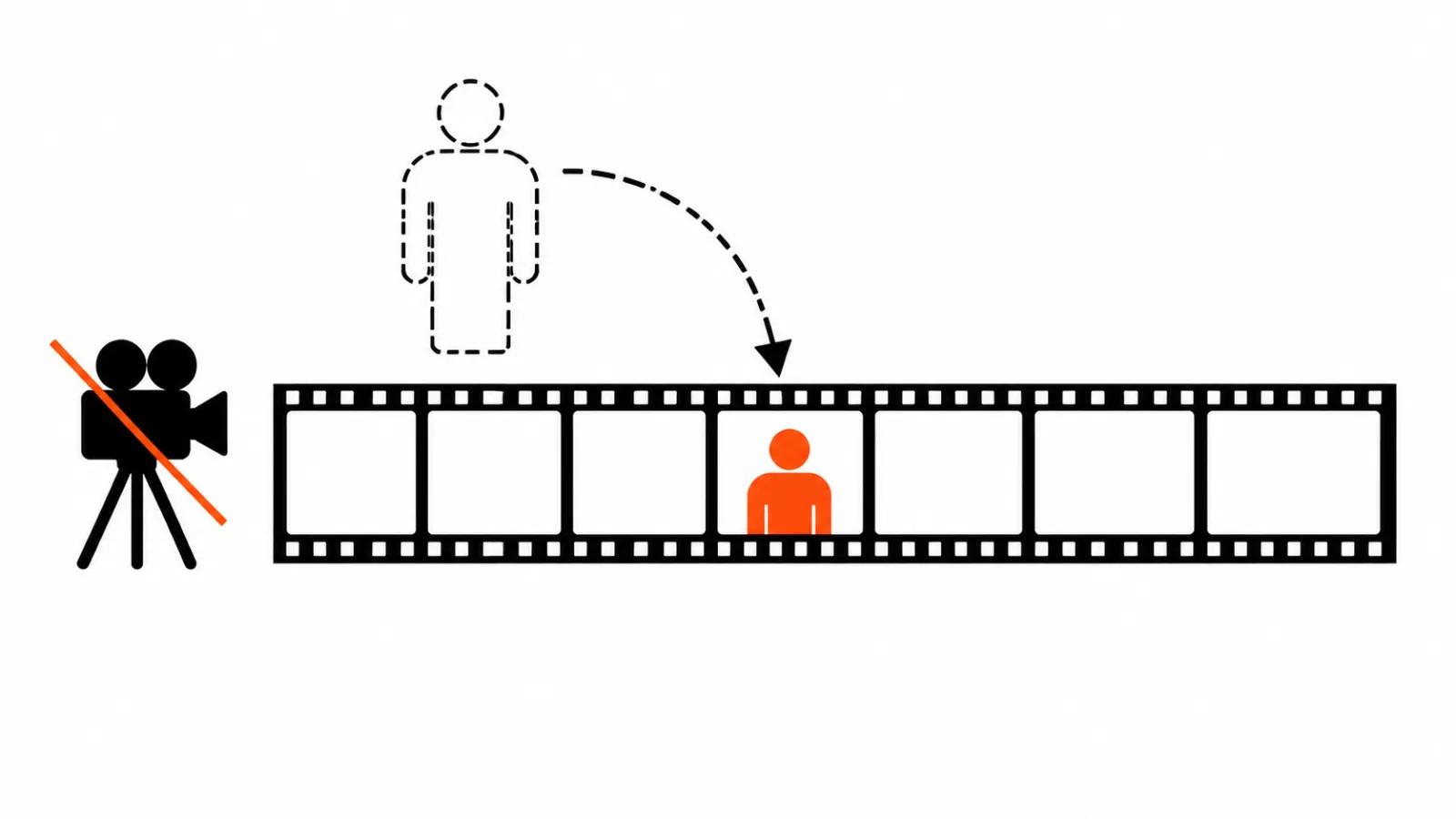
PAN 2, an open world model from MBZUAI, shipped on November 10. According to ComfyUI Wiki as of November 16 it runs natively in ComfyUI, and the int8 weights take up about 26.7 GB. The model simulates a what-if scenario, meaning it continues a scene under an intervention, and that run happens on your own machine. I covered where this class of tasks comes from in the PAN 2 world model breakdown.
Why this matters: simulation without a cloud and without quotas opens up testing ideas on confidential material. For a studio that is a way to try camera and object behavior before paying for a generation.
AI video roundup: what it means for a quote
The day broke into two lines. The first is about control: a script on the input, a judge at review, a search over the archive. The second is about money: 4K got an official price, 480p kept its draft role, and the pairing of a cheap selection pass with an expensive final is confirmed by the vendor's own numbers.
The client's takeaway. When video is produced by AI in a series of versions, the quote is counted in the number of runs, and the draft mode cuts exactly that number. In vertical advertising, where versions always outnumber ideas, selection goes first at low resolution and the final comes second. Details are in yesterday's Seedance 2.5 4K breakdown, including the draft mode split. Yesterday's issue covered the API opening, LongCat Avatar and Vimoo along the same line. When a project needs guarantees on faces, props and repeatable frames, the handcrafted route remains: our handcrafted videos start at $190, and a person owns every frame.