What opened on 16 November
Volcano Engine announced on 16 November that the Seedance 2.5 4K API is fully open. Developers and companies call the model directly now, without a partner queue or a separate negotiation. The 4K build itself shipped on 23 October and spent almost a month in limited access, so this is the point where anyone with an account on ByteDance's cloud can use it.
The company says this build was trained further on facial expression, small movements and fine detail, and calls it the strongest version of the 2.5 generation. The expression claim is only testable on your own footage, because a face in close up is exactly where generative models give themselves away first.
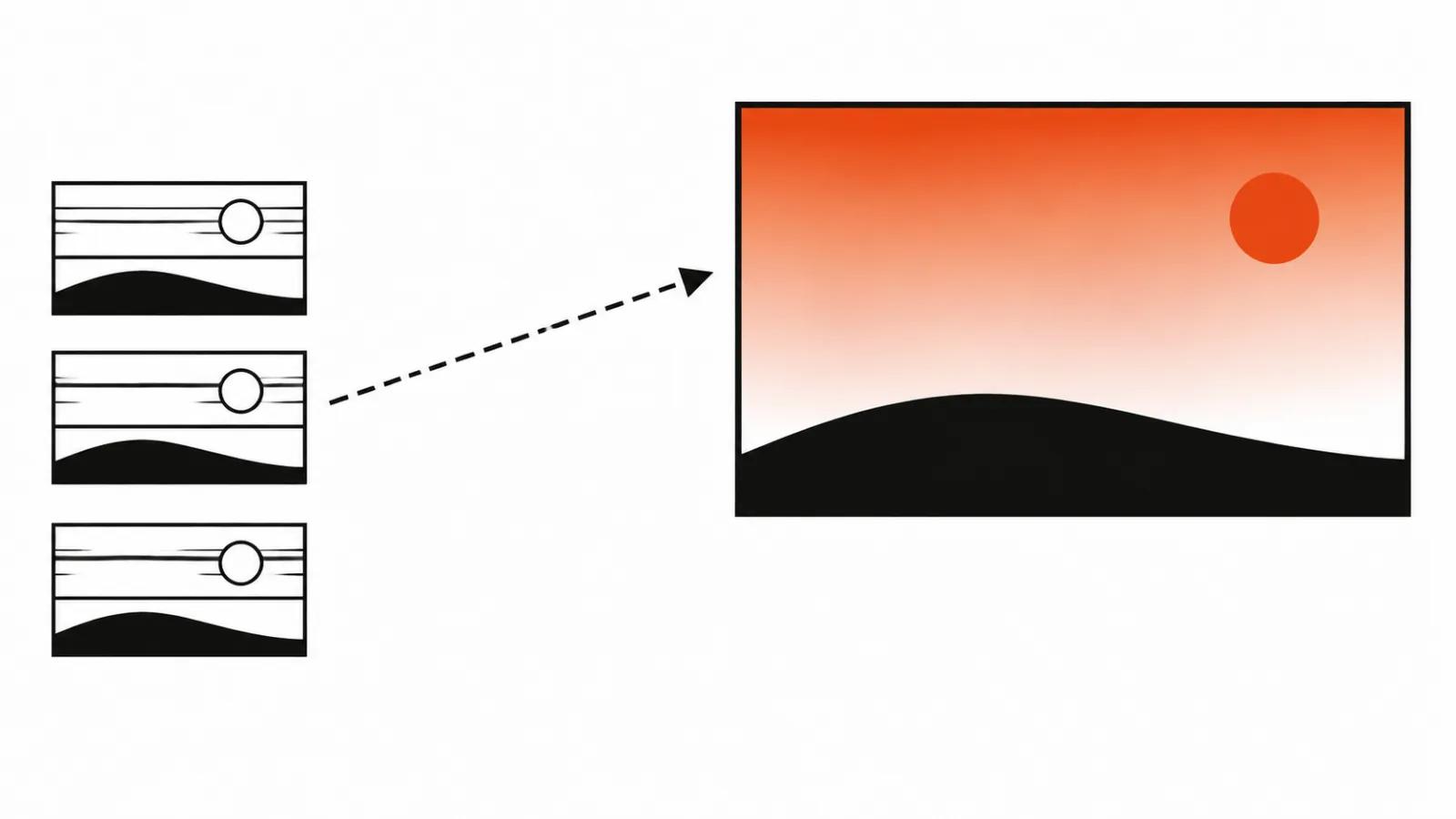
How the draft mode works
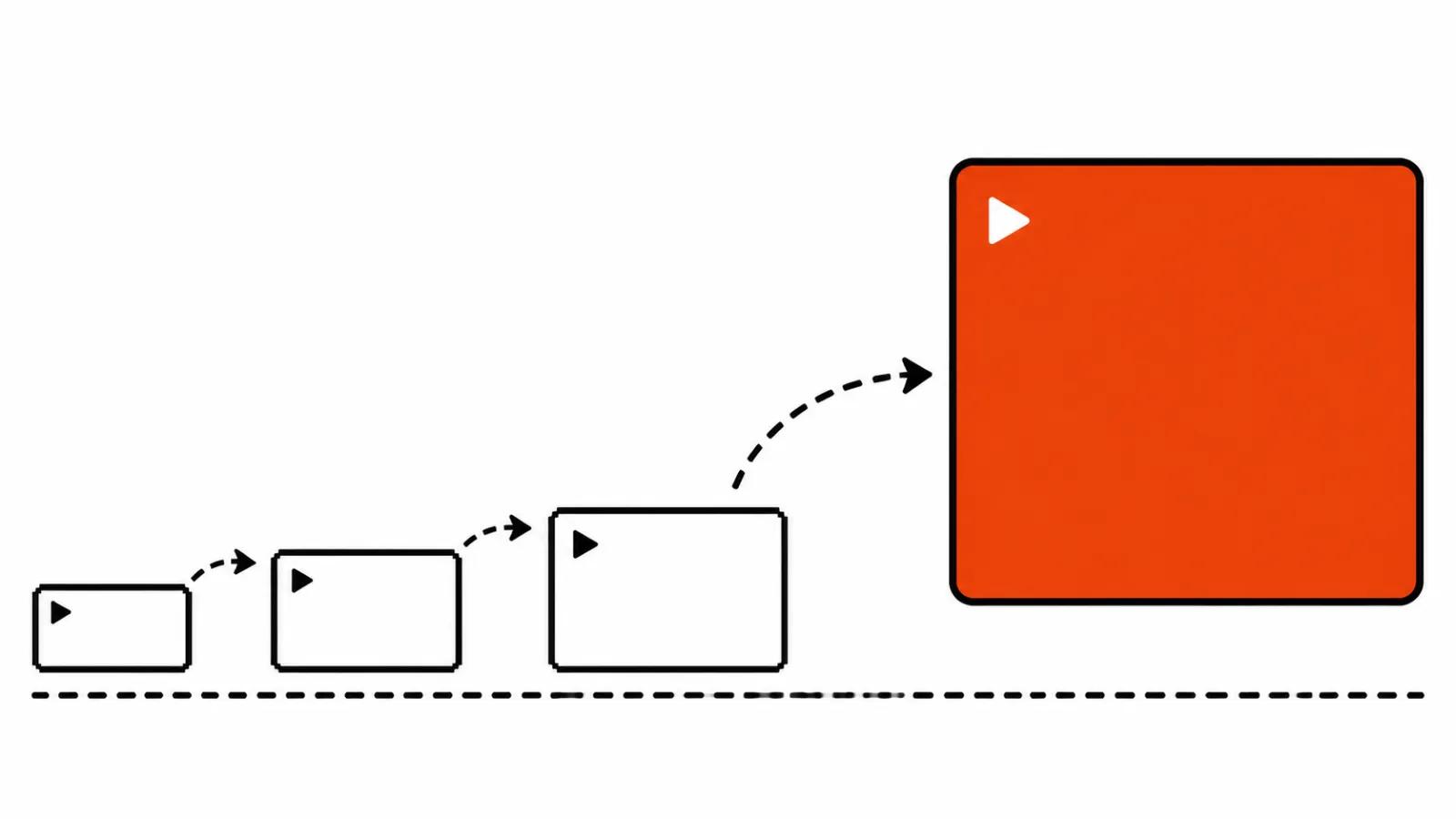
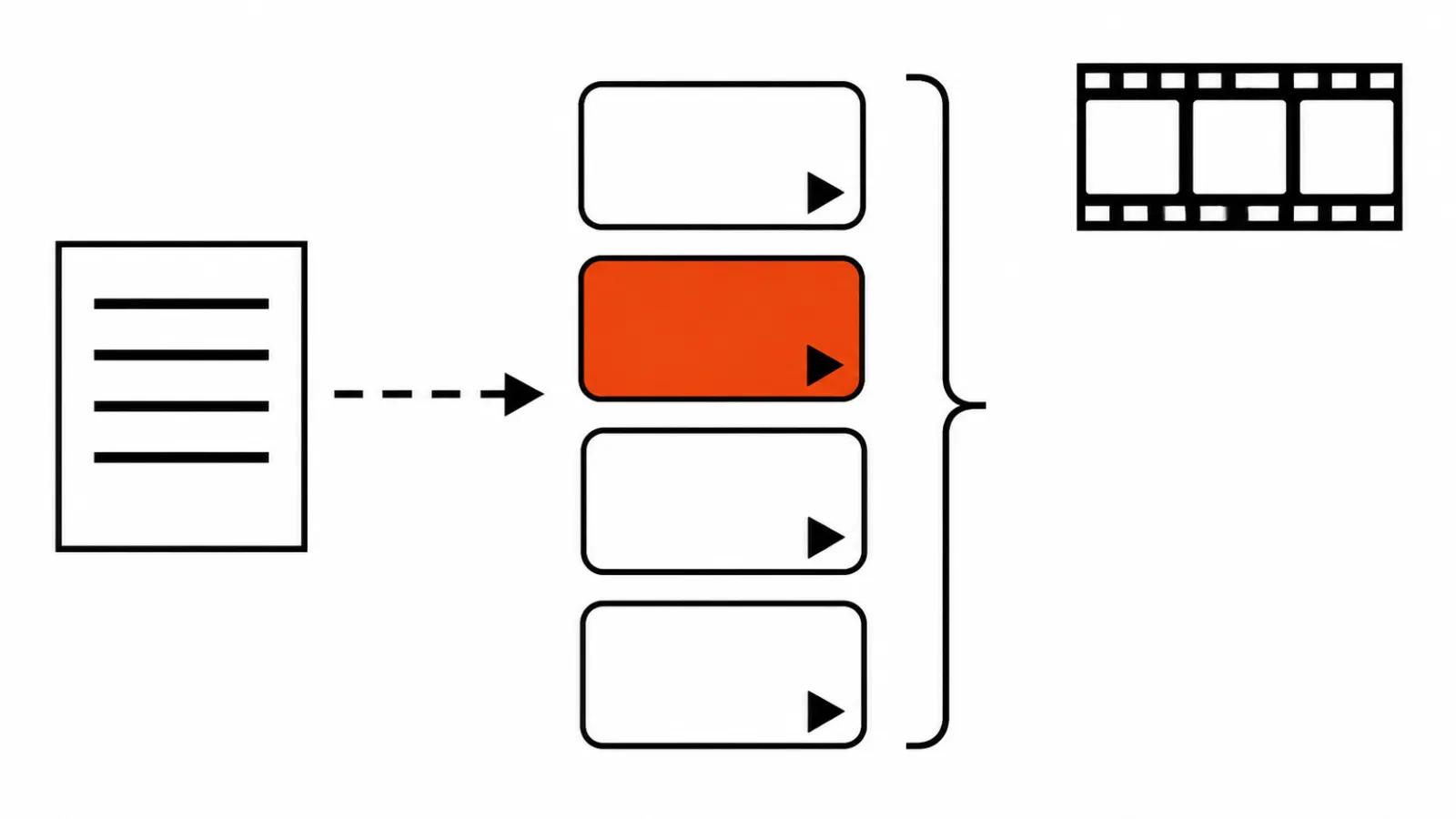
The mechanics are simple, and they are the real news for a client. A request goes out with the draft flag, and the resolution is fixed at 480p: any other value returns an error. The reply carries a task id. Once the draft is approved, that same id produces the final render at 1080p or 4K.
Three details from the documentation. A draft bills as a normal 480p video, there is no separate test tier. The draft id lives for 14 days, it was 7 before 28 October, and past that window the final cannot be produced at all. And on the final render the model reuses the prompt, the reference images, duration, aspect ratio, audio and seed by itself, while you set the resolution and a few technical fields such as the container.
That last detail matters more than it sounds. The composition is locked in at the draft stage, so the final inherits the same framing and the same movement. Draft mode exists only on Seedance 2.5, the Flash model has no such option.
10-bit colour: what it buys
Ten bit depth applies at 1080p and 4K, while 480p and 720p stay at 8 bit. The difference shows on gradients: sky, haze, light on skin, a smooth fall into shadow. At 8 bit those transitions break into bands, at 10 bit they stay smooth. The company talks about a big screen, which makes sense, since banding in a gradient shows on a TV or a projector and almost disappears in a phone feed.
One more line from the docs: 4K is encoded in H.265/HEVC. The codec is efficient, and some older players and editing presets refuse to read it. The file opens in VLC, MPV or QuickTime, and a client is better served by a proxy or a short H.264 preview alongside the master, otherwise the first playback on someone else's laptop ends in a complaint about a broken file.
Why drafts change the economics of testing
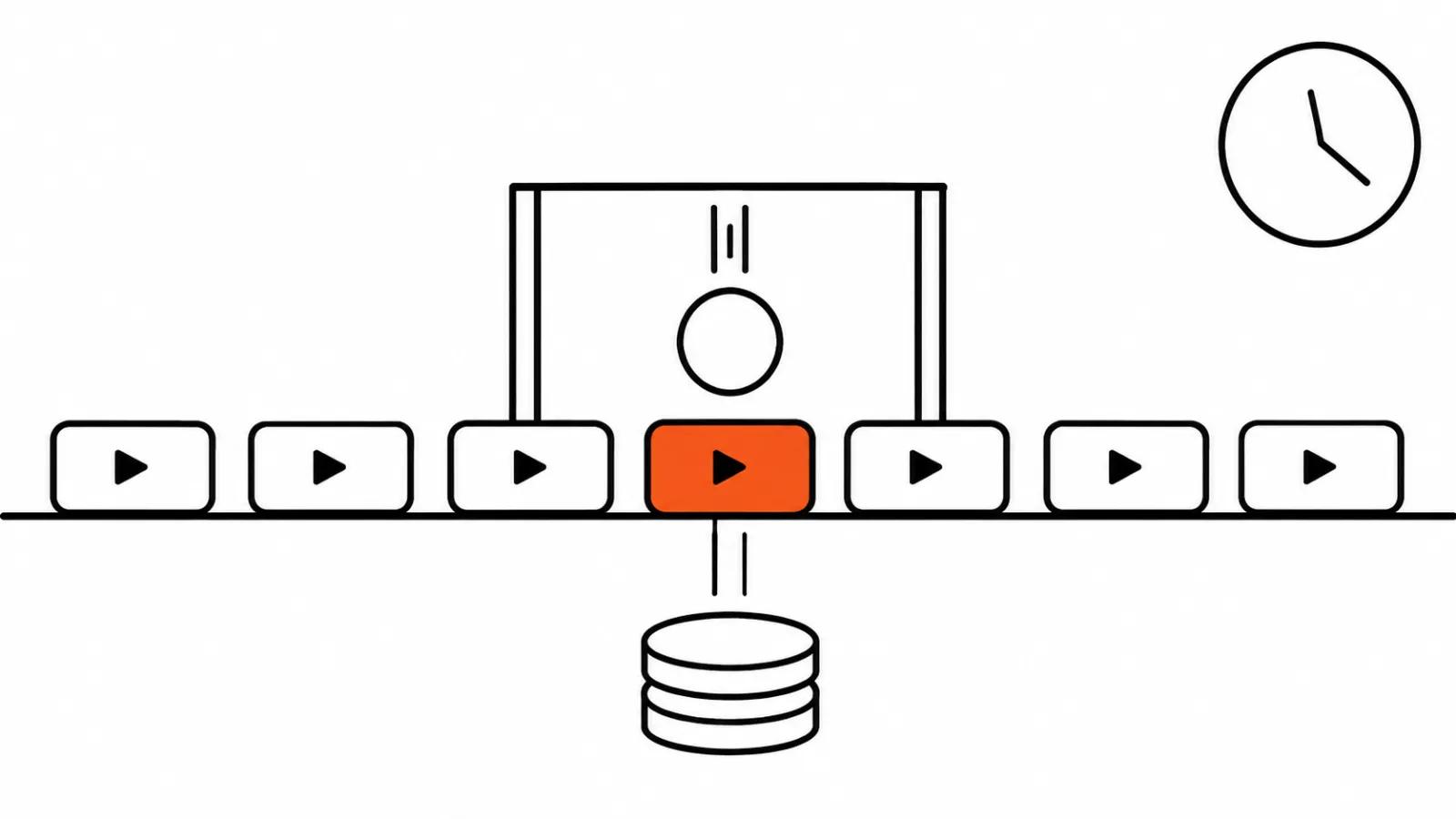
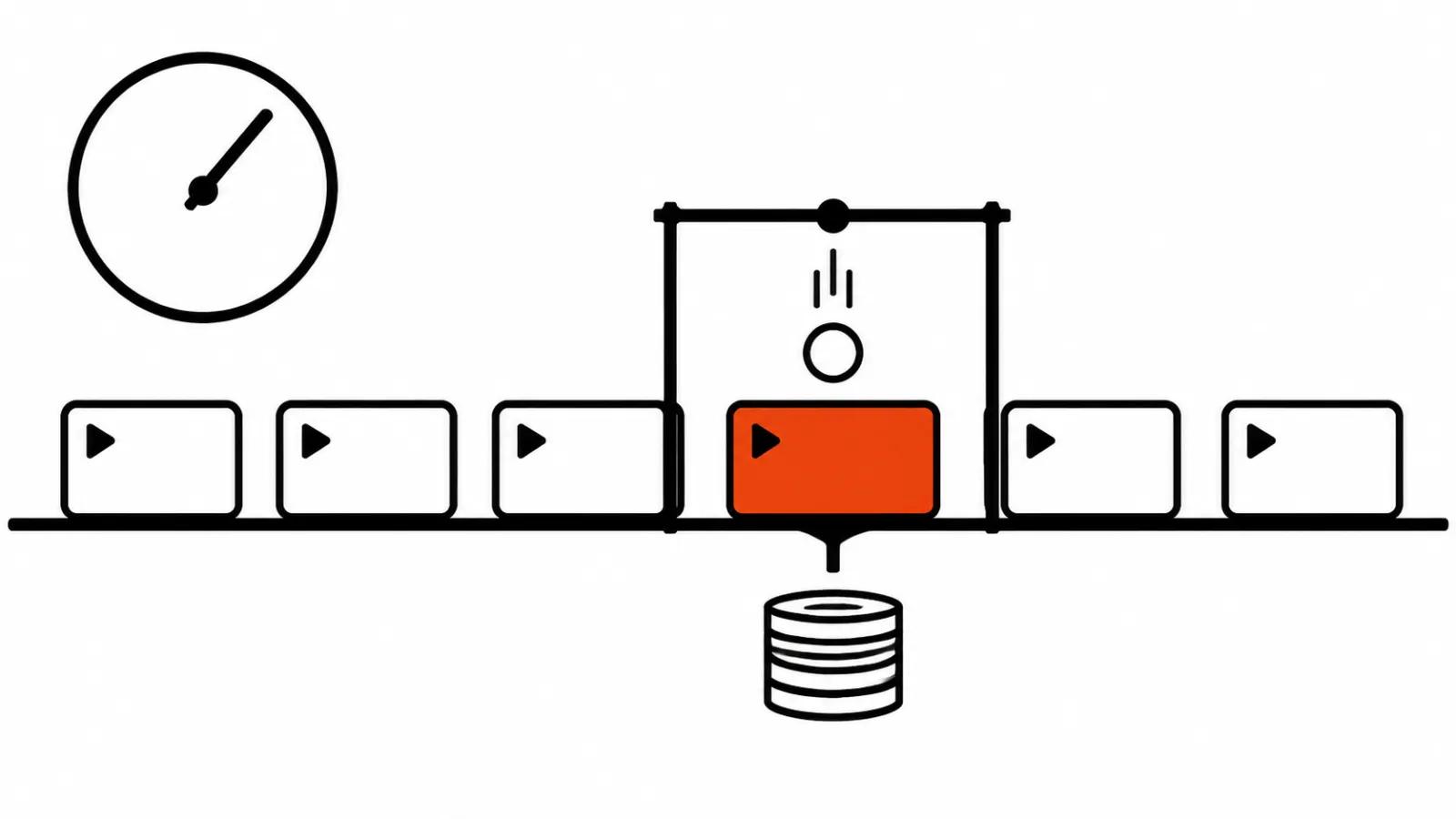
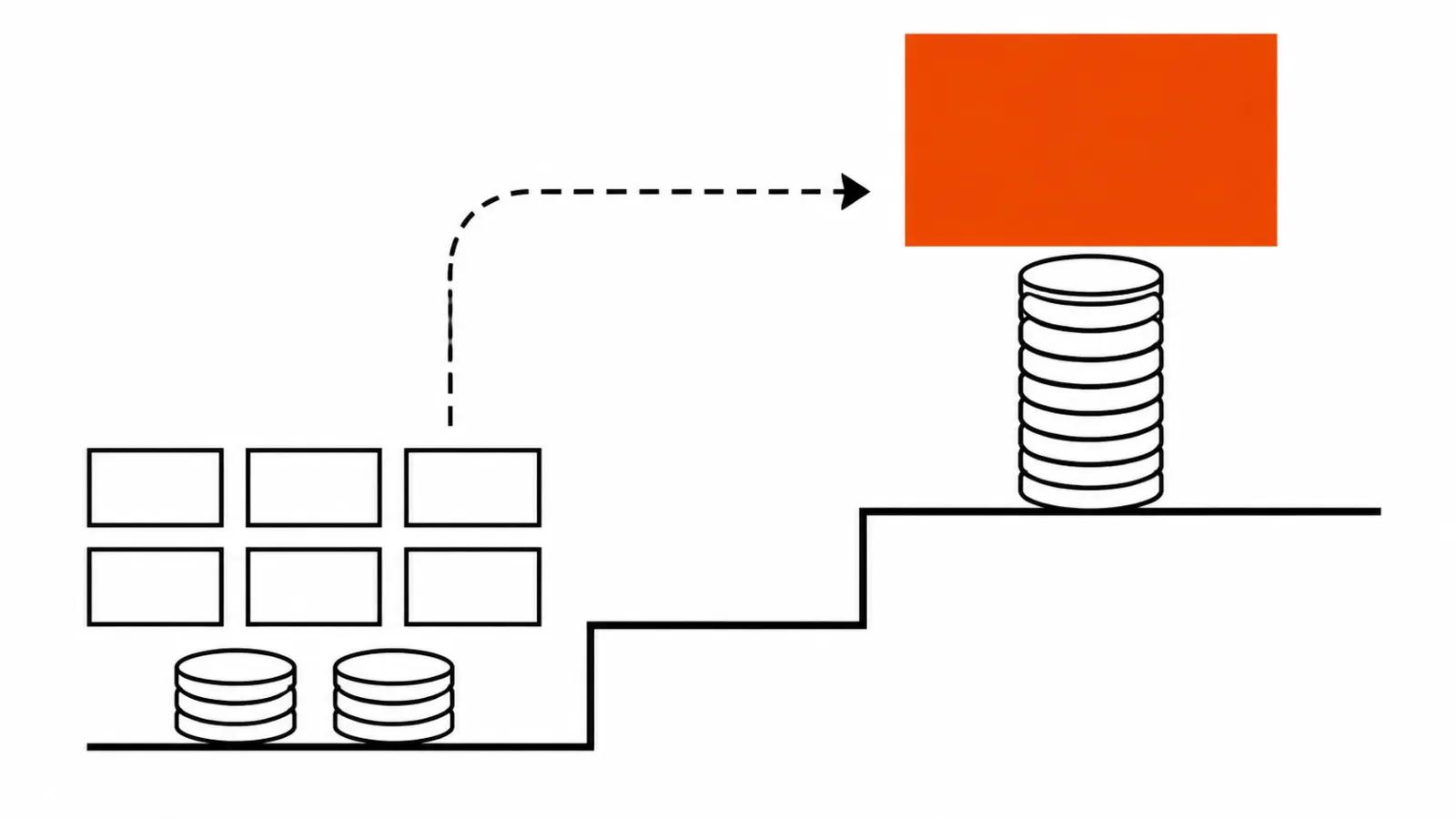
My position: the main cost in AI video is retakes. A second of render is cheap next to a take that was made for nothing. The client watches the cut, sees the hero blink at the wrong moment or the camera move too fast, and asks for another take. Every 4K take means a full render, a wait and another pass in the edit.
Drafts hit exactly that spot. Storyboard, camera move, walk, gesture can all be chosen at 480p, where each test is cheap and quick, and 4K runs once, on the approved take. The saving is not a discount percentage. It is in the number of expensive renders that used to be fired blind.
One caveat, plainly: the 4K final is under no obligation to match the approved draft frame for frame. The docs promise reuse of prompt, references, duration and seed, so composition and movement carry over. Nothing there promises pixel identity, and no client should be told otherwise. Test it on your own shot: take ten seconds with movement, run both stages, compare the edges and the fine detail.
Price and rate limits
The 4K price was not named in the announcement. In the official rate card as of 16 November the Seedance 2.5 rows cover 480p, 720p and 1080p, and there is no 4K row. Until a price appears, a 4K budget can only be estimated from what the first test render actually bills, and that is the only honest number to give a client.
The limits are published, and they are tight. For 4K the ceiling is 15 requests a minute and one task in flight at a time, the same for an enterprise and an individual account. Below 4K the ceiling is different: 600 requests a minute and 10 concurrent tasks for enterprise, 180 and 3 for individuals. In practice 4K renders queue one at a time, so a series of shots has to be planned around that, or an evening disappears into waiting.
Where this fits a real job
For a client the benefit reads like this. A debate about a take used to be expensive, so tests were quick and careless. Now a debate about a take costs a 480p draft, and three of them can go to approval in one evening until the right frame shows up.
In our own work that maps onto AI video production: storyboard, draft selection, final. Vertical ads benefit twice over, because versions differ in detail, crop, pacing and the second shot. Tests across all versions run at 480p, and only the version that ships gets 4K. If you are weighing 4K against the cheaper Flash model, we have a Seedance 2.5 Flash and 4K comparison, and the Flash numbers sit in a separate BytePlus pricing breakdown.
We have no measurement on the 4K mode yet: the API only opened on 16 November. How expressions hold on a long take is something we will learn on our own footage, and a press release will not answer it.
My conclusion
An open 4K API is worth less for the picture than for the schedule. It lets you put the expensive stage at the end of the chain: work starts with cheap 480p tests, and 4K runs once, on a take that is already signed off. Less rework on the studio side, and a smaller bill on the client side for takes nobody approved.
When 4K is genuinely needed: the film is watched on a big screen, the frame holds sky, haze or light on skin, the material goes into a pitch or onto a stand. When 1080p with the same 10 bit is enough: a phone feed, story ads, short vertical series.