Where animation wins
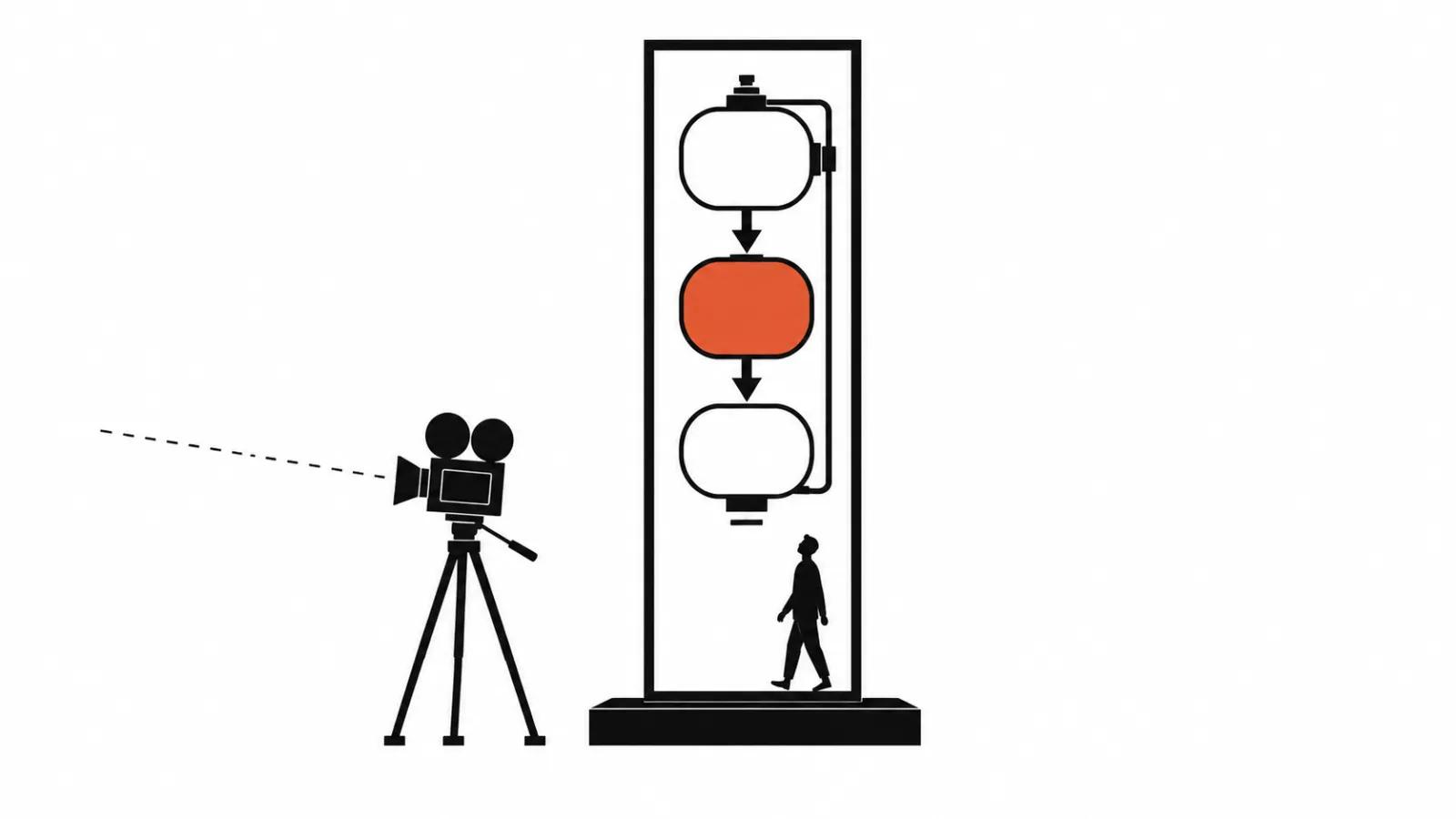
There are three situations where a film crew has nothing to do.
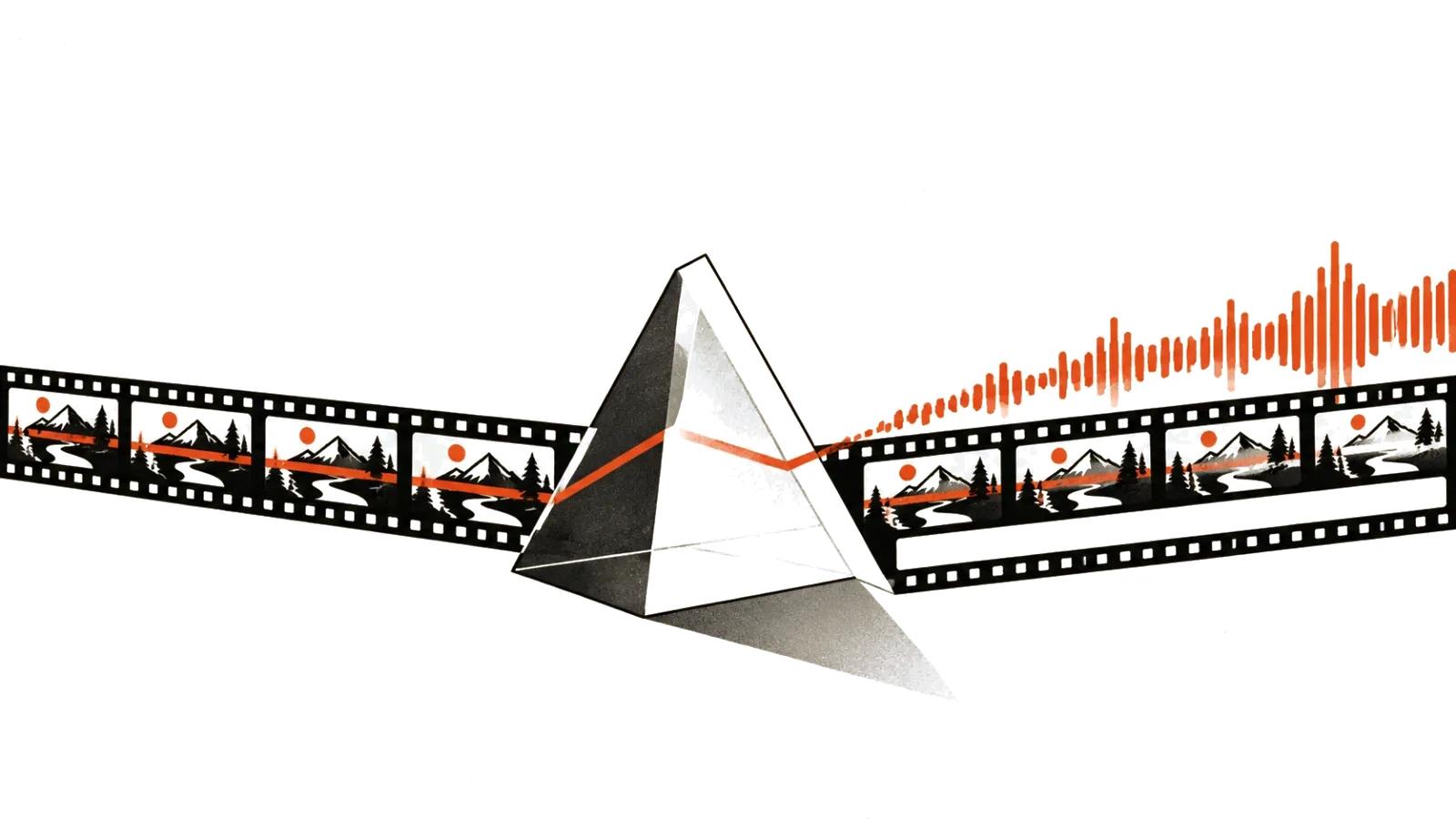
First, the product cannot be shown: a service, an app, insurance, delivery. Second, the product looks dull in close up while its meaning lives in a diagram. Third, the thing to show is a process that runs for months or happens inside a machine.
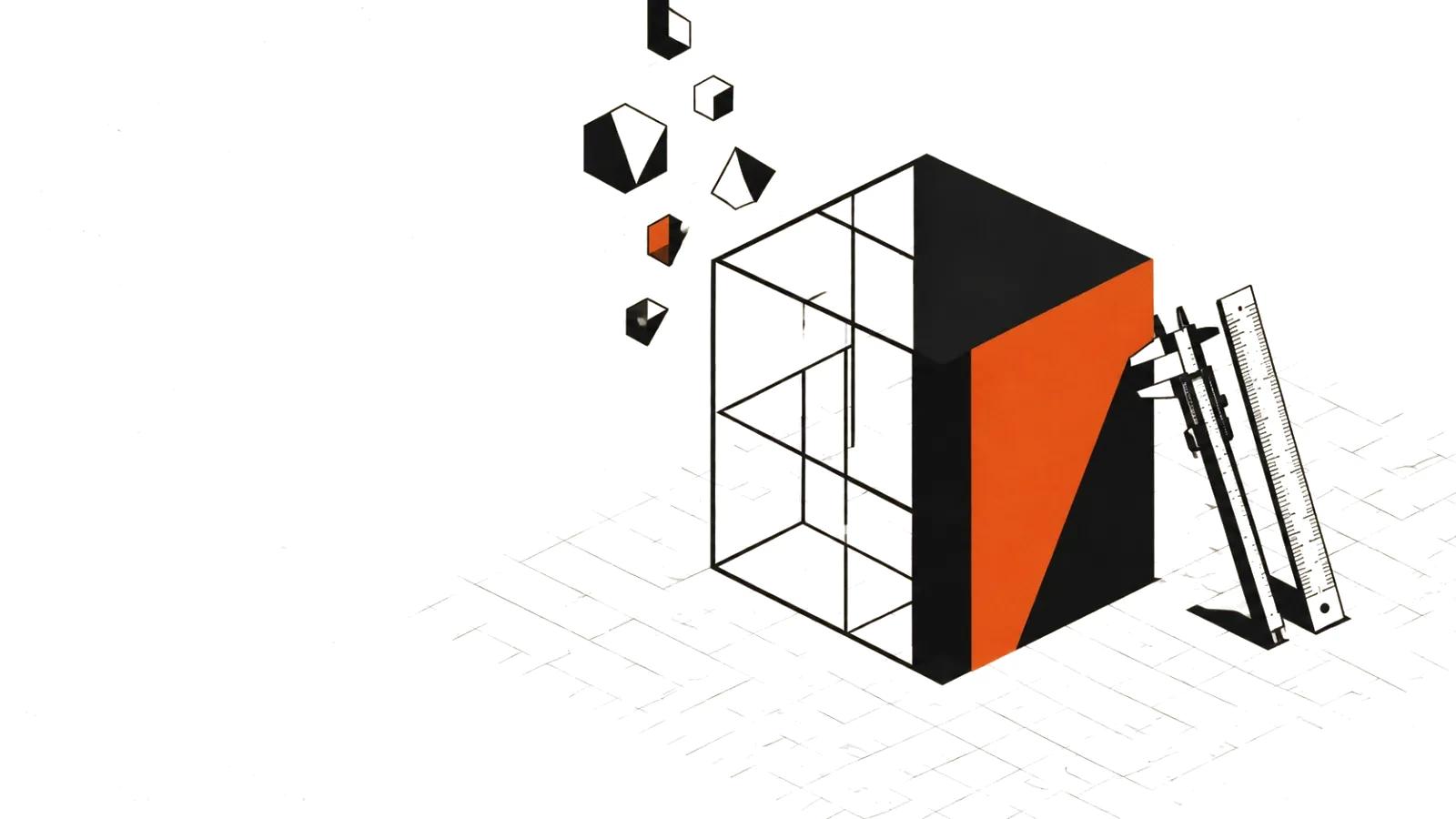
Drawing solves these faster. It shows how blocks connect, takes a device apart, traces a request from one desk to another. A camera in those cases films a talking head.
The product that is not in the frame
Typical buyers of animated ads are software companies, banks, logistics and manufacturing.
Software shows screens and the links between them. A bank explains terms with no object at all, only numbers and deadlines. Logistics draws a route. Manufacturing shows what happens inside a line nobody can look into.
One structure carries all of them. A problem in two shots, the mechanism in four, the result after that, then the name. Fifteen seconds end and the viewer already understands the principle.
There is a separate case: the object exists and cannot be filmed. A closed plant, a restricted site, equipment under a confidentiality agreement. A drawing steps around the ban and shows nothing extra.
The vertical canvas
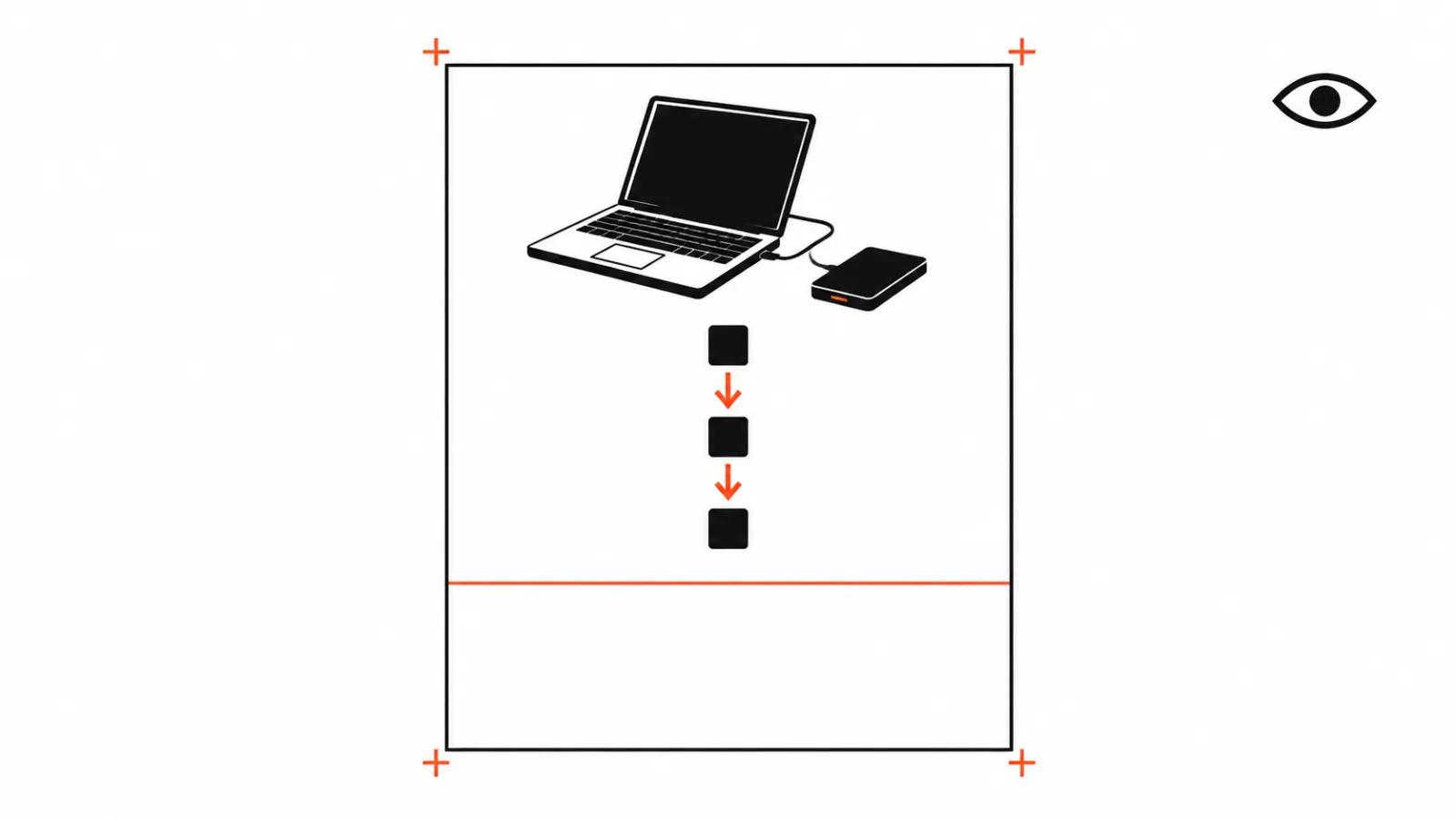
Vertical changes density as much as proportion. The Google Ads help centre says the YouTube player adapts to the dimensions of a video: a 9:16 vertical appears larger than a horizontal one and covers 75 percent of the screen, with organic content below. In fullscreen it fills the display when the phone is held upright.
The same page cites Google's own campaign numbers: a vertical asset in a Demand Gen campaign produces more than a 35 percent lift in conversions on Shorts, adding vertical to horizontal creative in video view campaigns lifts the view through rate on Shorts by over 40 percent, and in reach campaigns viewability rises by more than 45 percent with average watch time up 20. The page attributes those figures to Google internal data from 2024. They are worth planning around and worth treating as claims.
One note on the same page gets missed: vertical assets no longer serve in YouTube feeds, so a campaign built only from vertical video may not run at all.
For animation the consequence is simple. The composition gets drawn for 9:16 from the start: one object in the centre, a vertical diagram, labels in the lower third. Rebuilding a horizontal edit for vertical eats the edges and turns a diagram into crumbs.
A character that outlives a campaign
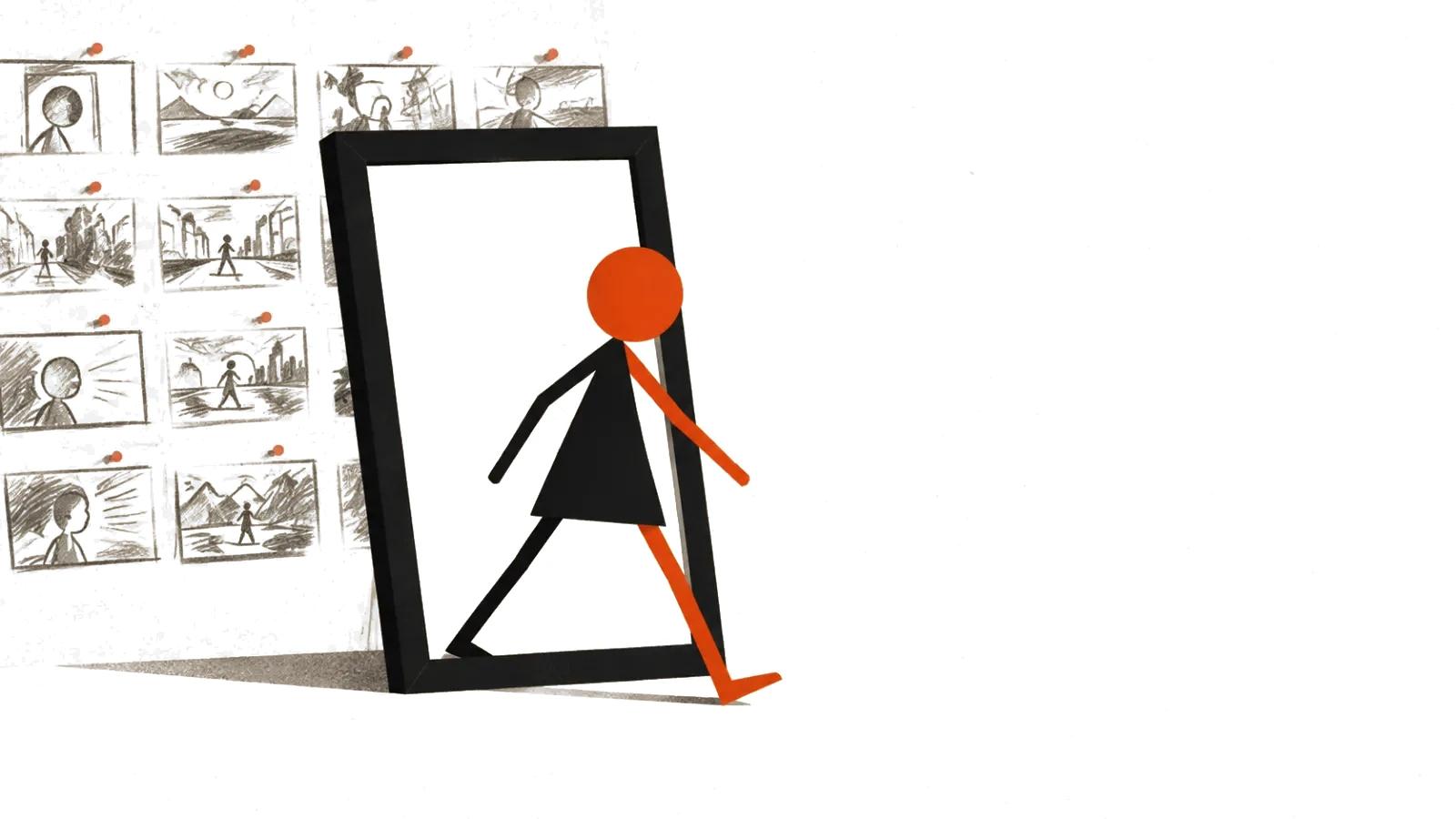
A character pays off when advertising runs longer than one campaign. A live actor ages, changes schedule and costs money on every shoot day. A drawn hero looks the same a year later.
The rule follows: the character gets designed together with the way it moves. Walk, gesture, the pause before a line. Without that, the hero looks new every time and the series falls apart.
Popular animated spots rest exactly on recognisable movement. A viewer knows the character by silhouette before the face reads.
Rhythm and density
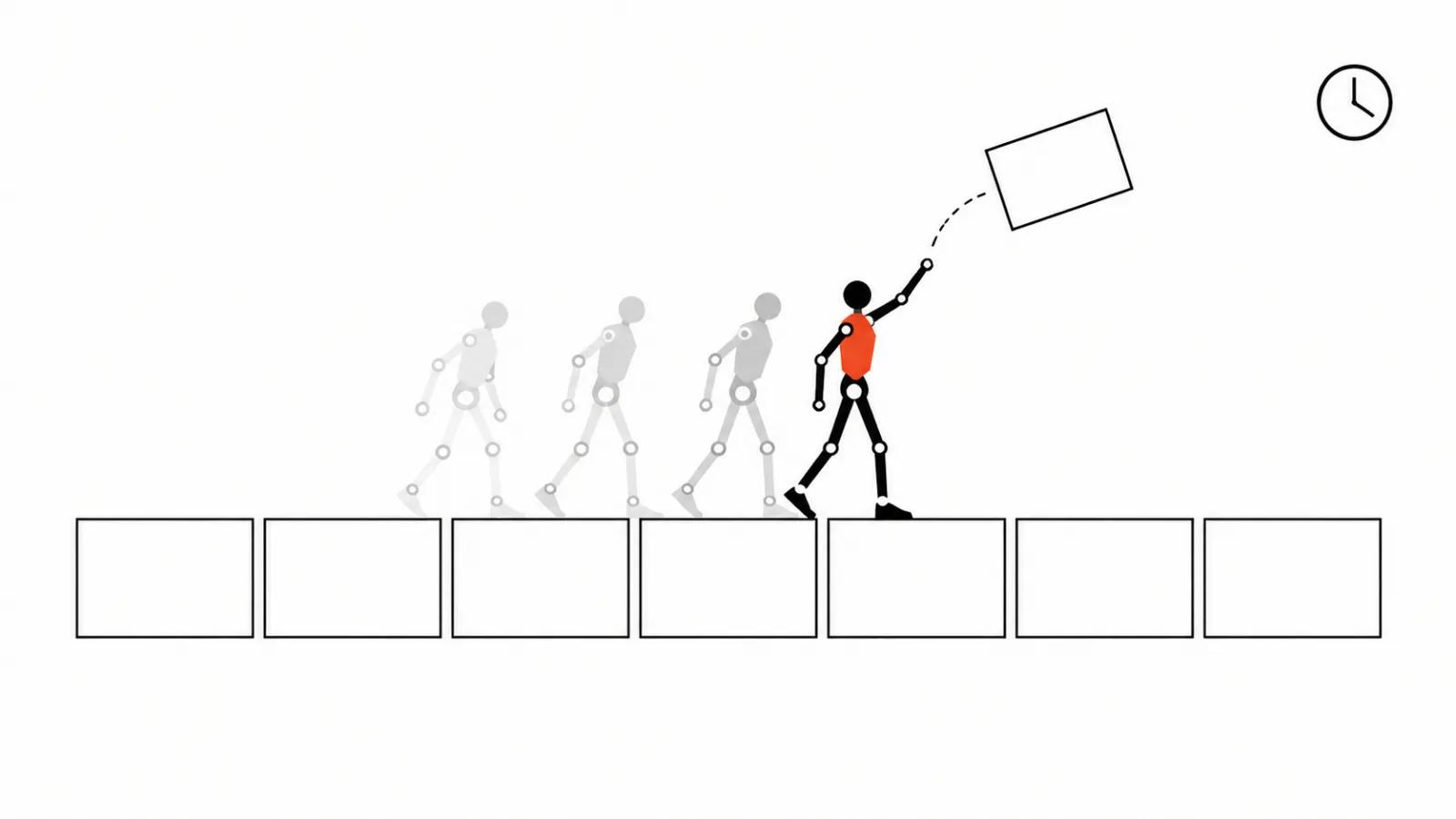
Animation cannot leave a shot to live on its own. Every shot either moves or holds a pause on purpose.
Two rules hold for me. One action per shot. A cut lands on meaning: when the character finishes a thought, the shot changes, and the other way round.
Density follows the placement. In a feed a shot lasts a second and a half to two, on a website four is fine. An animated video that runs a minute on a site and fifteen seconds in a feed is two scripts with one meaning.
Watch the finished piece on a phone. On a monitor the pace always feels calmer than it does in the hand.
Sound in an animated ad
A drawing does not rescue bad sound. Sound carries more meaning in animation than in live action, because the picture is deliberately unreal.
The voice sets tempo. A fast read pulls the edit along with it. Music holds the rhythm of cuts. Effects explain action: a click, a breath, an impact.
Captions get checked on their own. A feed often plays without sound, and the first line has to read.
Music gets chosen before the animatic. A track sets scene length, and retiming finished animation costs more than picking the track early.
How to sign off
Sign off happens at three points, all of them before the final render.
First the animatic: rough motion with timing, where it becomes obvious whether the script fits the length. Then key frames: colour, light, character proportions. Only after that the final assembly.
Fixes at the animatic stage cost hours. Fixes on a finished spot cost many times more, because everything downstream moves.
The takeaway
Animated advertising wins where there is no object: a diagram, a service, a process. Vertical gets drawn first, the character gets designed with its movement, sound gets planned with the picture.
If the task is a product in someone's hands and a real conversation, live action stays simpler. If the task is a mechanism, a drawing explains it in fifteen seconds. Handcrafted videos, where every scene is directed on its own, and AI video production, where frames are generated, cover the neighbouring jobs. Animation sits between them and takes what neither handles.