What Apple published on 16 and 17 November
The dates need untangling first. Weights landed on Hugging Face on 16 November, the code went up on 17 November. What follows comes from the repository and a ReelStack write-up dated 17 November, so some details may shift once the authors publish a proper description.
FastFrames is a pair of text-to-video models: FastFrames-S at 1.3 billion parameters and FastFrames-L at 14 billion. Both are research releases, both are open.
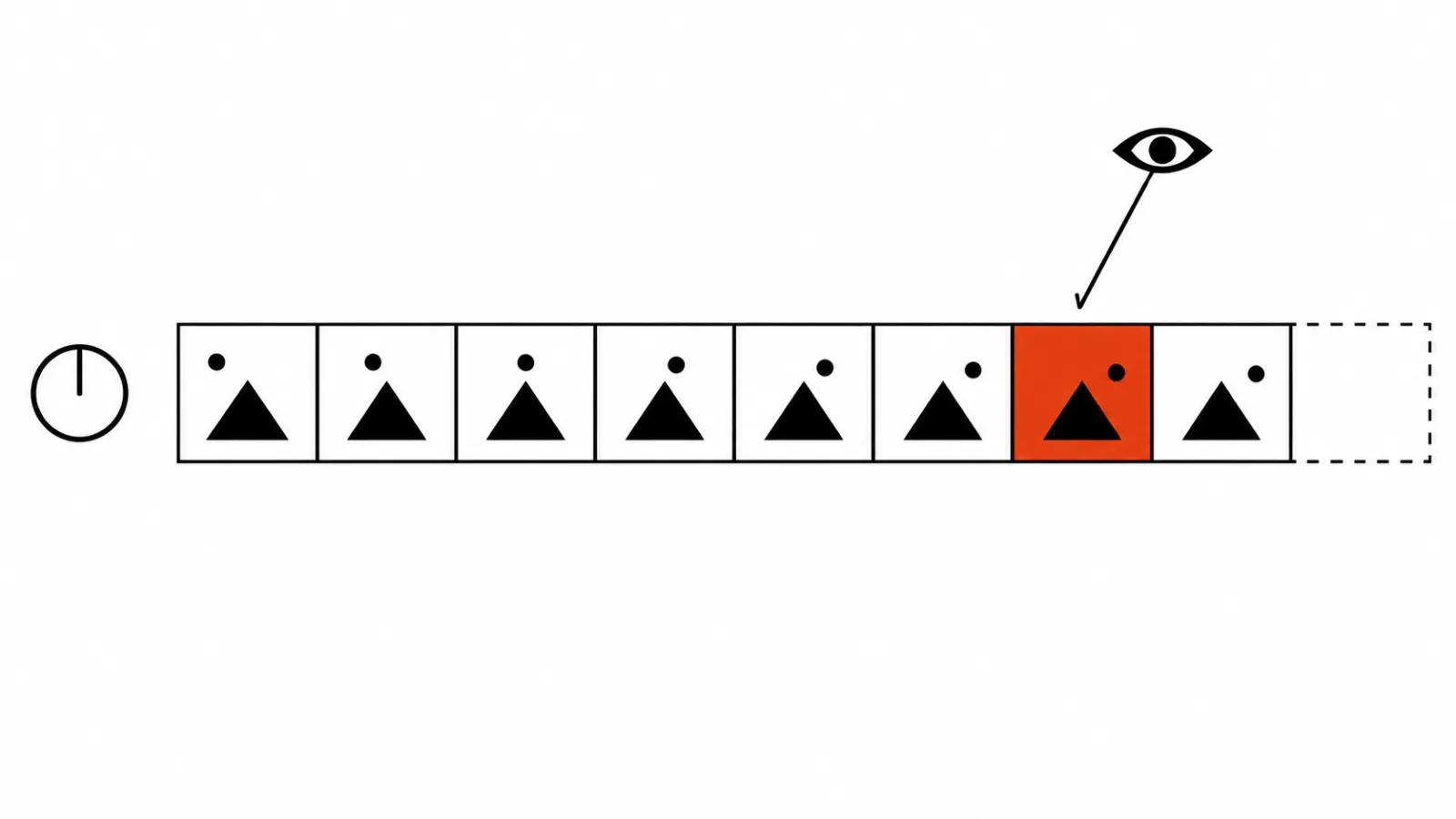
How FastFrames builds the next frame
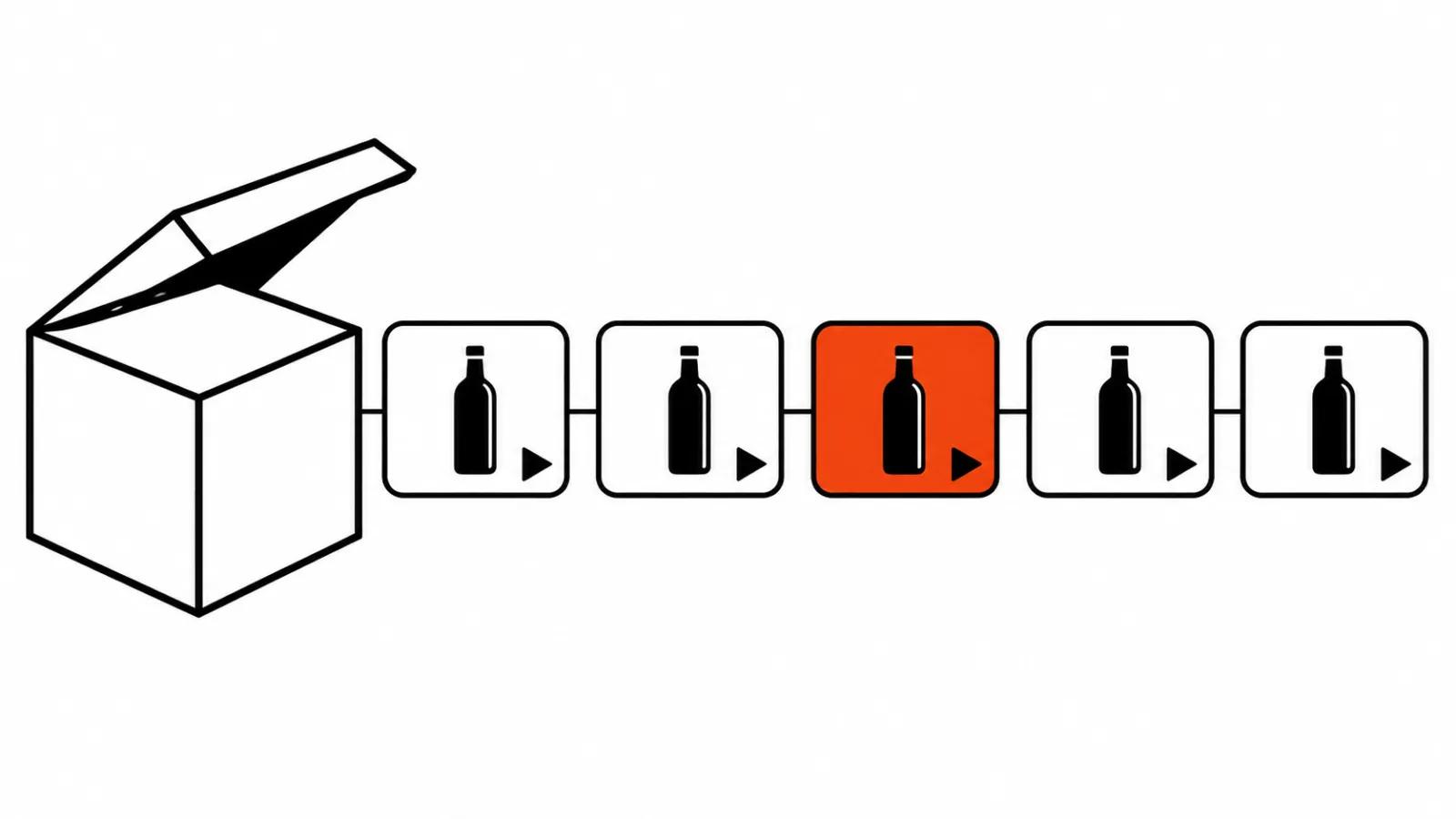
These models are autoregressive: the next batch of frames is built from what has already been generated plus the new input. Inside sits a two-step video diffusion. In plain terms, the model does not paint a whole clip out of a prompt in one go, it continues the scene that already exists in the frame.
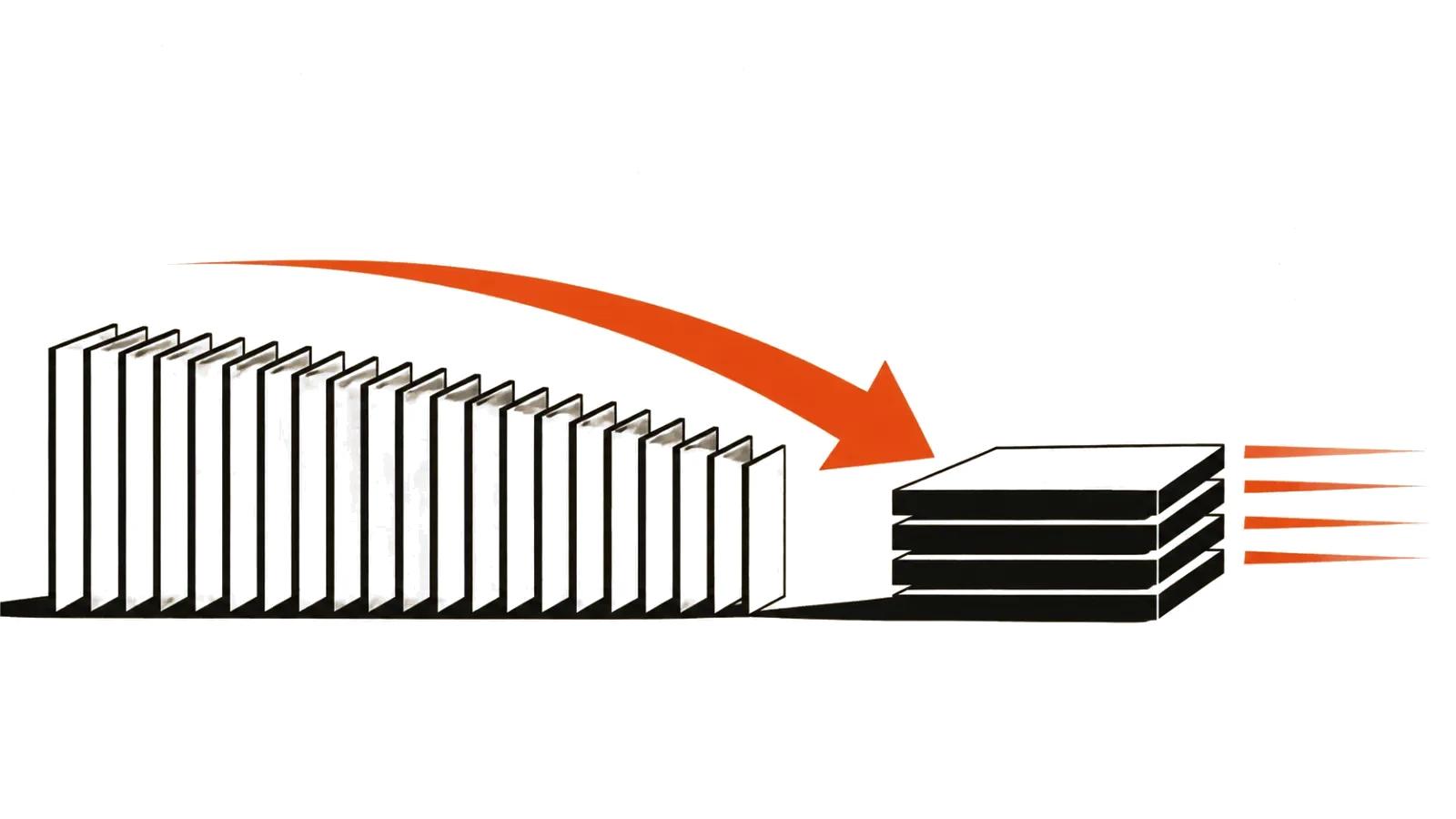
The text-to-video script returns 832x480 at 16 frames per second, 81 frames per run. Eighty-one frames is about five seconds of motion in a single pass. FastFrames-L is trained on top of Wan2.1-T2V-14B.
What 36 ms a frame means for open video models
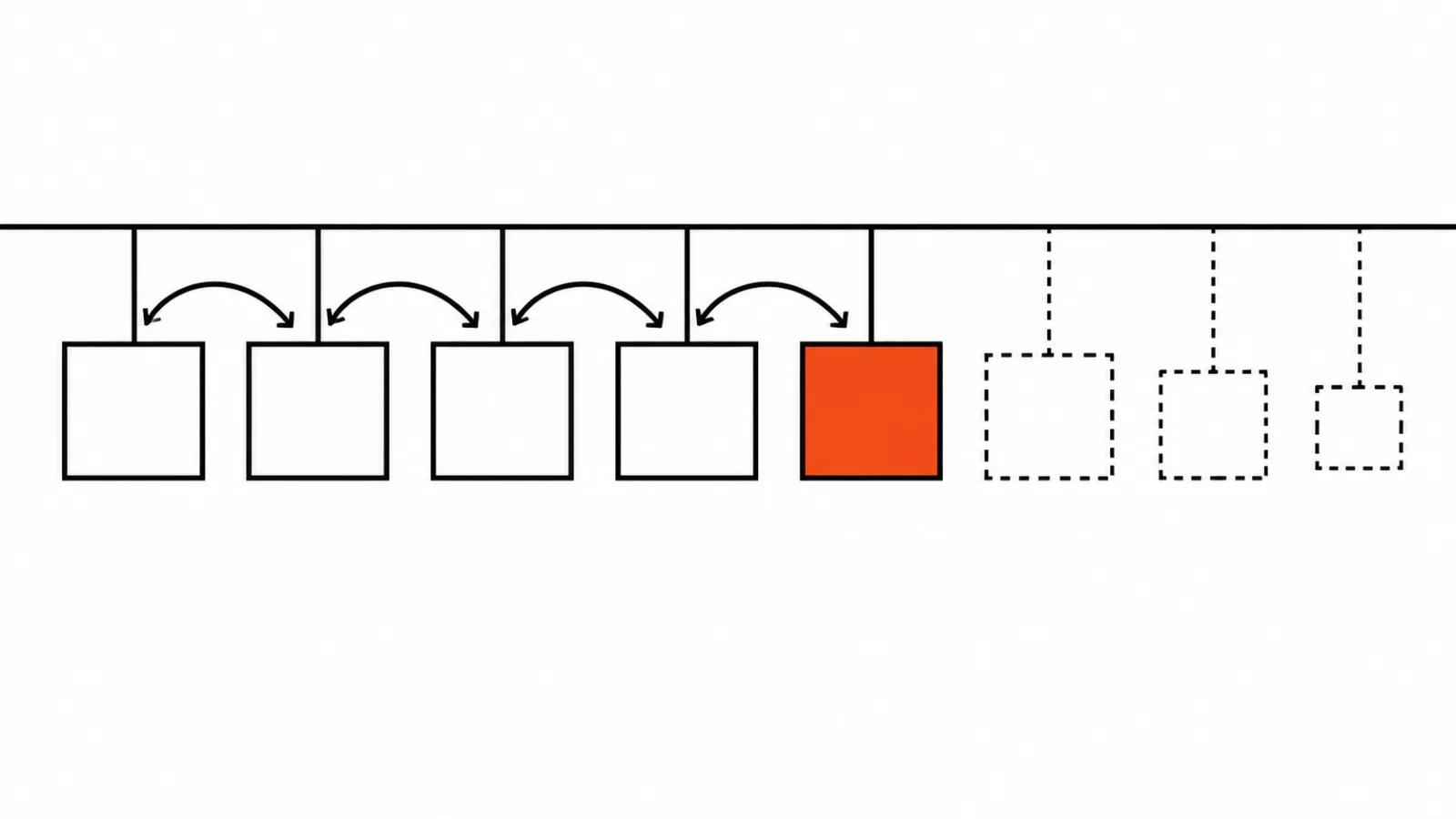
The numbers from the authors read like this. The small model draws a frame in roughly 36 ms on a single B200, about 28 answers per second. The large one takes about 45 ms per frame, but on a node of eight B200s, and the picture looks more realistic. The authors place the small model close in quality to the best model in the field, which runs about eight times slower.
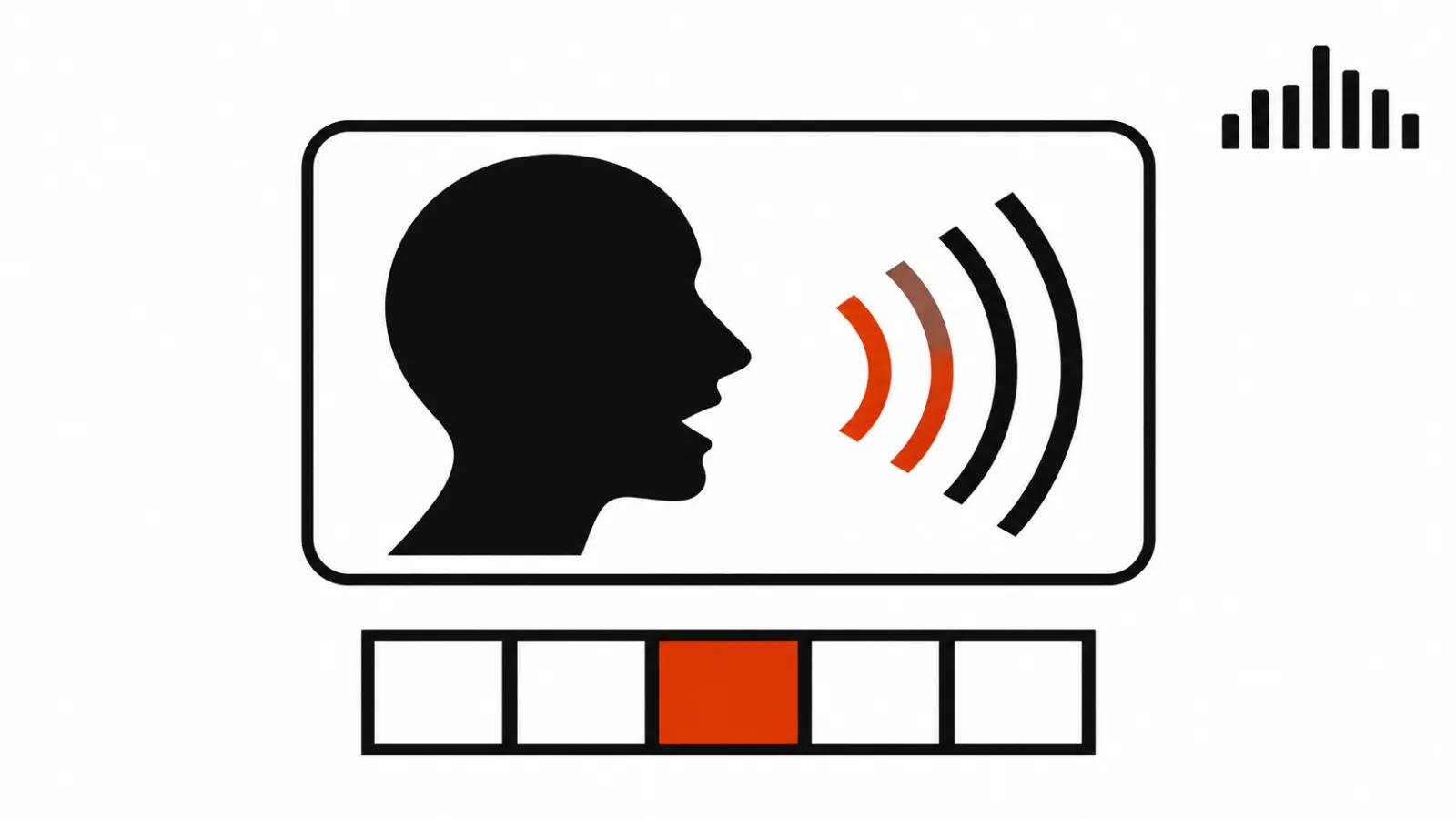
Thirty-six milliseconds beats cinema's 24 frames per second and beats television's 30. That is where "almost real time" comes from: the next piece of motion arrives before the eye can register a gap. Cloud generation normally answers in seconds, and there you wait for a finished file.
Two demos and the LingBot world model
Alongside the models, Apple shipped an optimised build of the LingBot world model at 1.3 billion parameters. The authors claim it is 16 times faster, and that build powers a demo controlled from the keyboard. A second demo moves objects with physics, its name is RealWonder.
Who can run video models locally today
The practical value shows up in ordinary client work. Before a client has seen motion, they argue about words: "make it punchier", "can the camera come closer". A live storyboard kills half of those arguments. Eighty-one frames per run is a chunk of about five seconds that you can build, show, adjust the prompt on and rebuild while the conversation is still going.
The second case is the preview. When one shot in a batch of vertical ads changes, a fast model produces a motion draft in seconds and you can see whether the idea lands in frame. From there the draft goes into a proper build and the viewer only ever sees the finished piece.
Why this is not a working tool yet
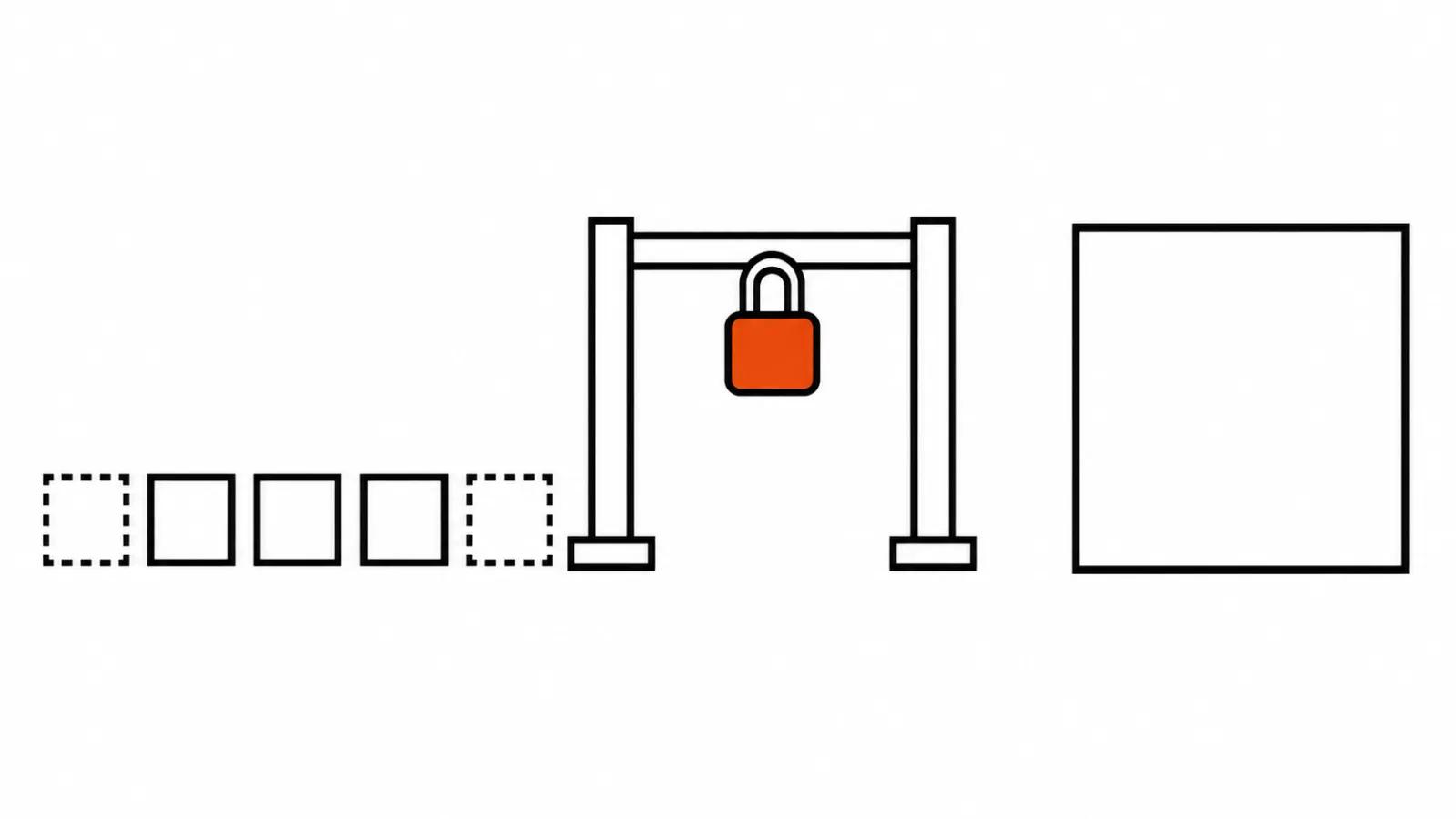
Reason one, and the big one, is the licence. The Apple Machine Learning Research Model licence covers research only, so client work and commercial work fall outside it. Until that text changes, FastFrames is good for experiments and for talking about the technology, and closed for delivery.
Reason two is hardware. The repository asks for Linux x86-64, an NVIDIA card and CUDA 12.8. Those record 36 ms were measured on a B200, and the description gives no numbers for other cards.
Reason three is packaging. There are no ComfyUI nodes yet, so the local crowd has no install-and-click path until somebody writes them.
Reason four is format. 832x480 at 16 frames per second is draft territory, and nothing at that size ships to an audience. Fine for previews and storyboards, short of a finished spot.
What to watch next
Three things. First, the project page and the arXiv paper, where the tables and the caveats will show what quality was actually compared against. Second, ComfyUI nodes, since without them the model lives only in the hands of people with Docker and access to a B200. Third, the licence, because one line in it decides whether this reaches studio work.
The topic already has context here. Runway Characters on four H100s showed what interactivity looks like from a big studio. FastFrames comes from the other end: a small open model that promises comparable speed on a single card.
Bottom line
Speed stops being the thing that separates a pitch from the work. When a frame lands in 36 ms, generation becomes a conversational tool: said it, saw it, fixed it. That changes how a client picks an idea, because options can be watched live instead of described in a message thread.
Then the boring part starts. Licence, Linux, B200, missing nodes. While all four stand, FastFrames stays a research release that is fun to poke at and impossible to put in a quote.
The practical line for a studio is simple: track the licence and the packaging, deliver client work on tools that allow it.
For this kind of work there are services: AI video production and handcrafted AI videos. Related reading: real-time talking avatar.