What shipped on 13 November
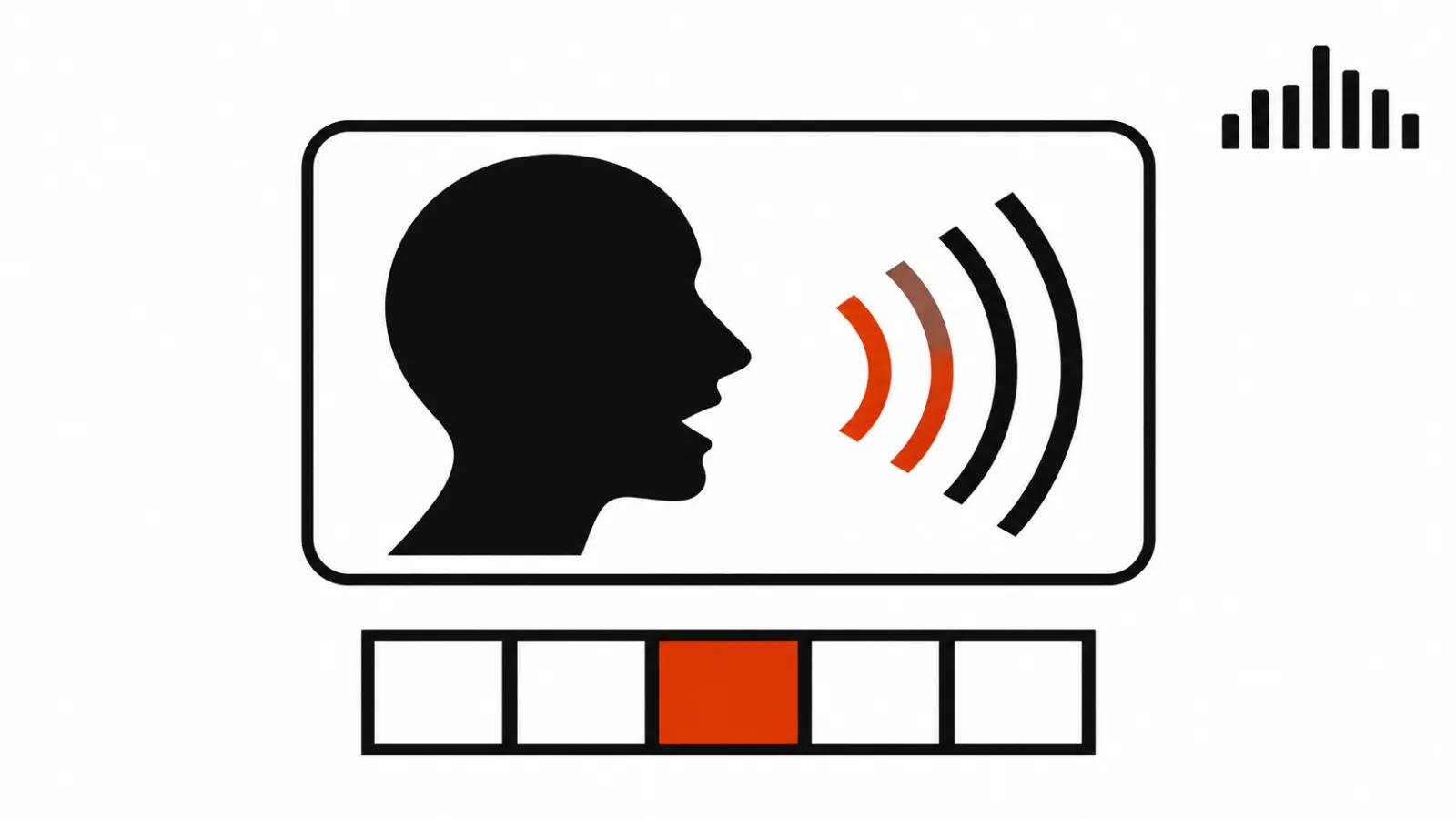
On 13 November 2026 the inclusionAI team opened Duo v1 and posted the paper on arXiv. The authors describe it as a Reciprocal World Model: the model watches the other person's video continuously, hears their voice and answers at the same time with its own video and its own audio. A conversation can be interrupted, paused, restarted, and that is what makes it feel unscripted.
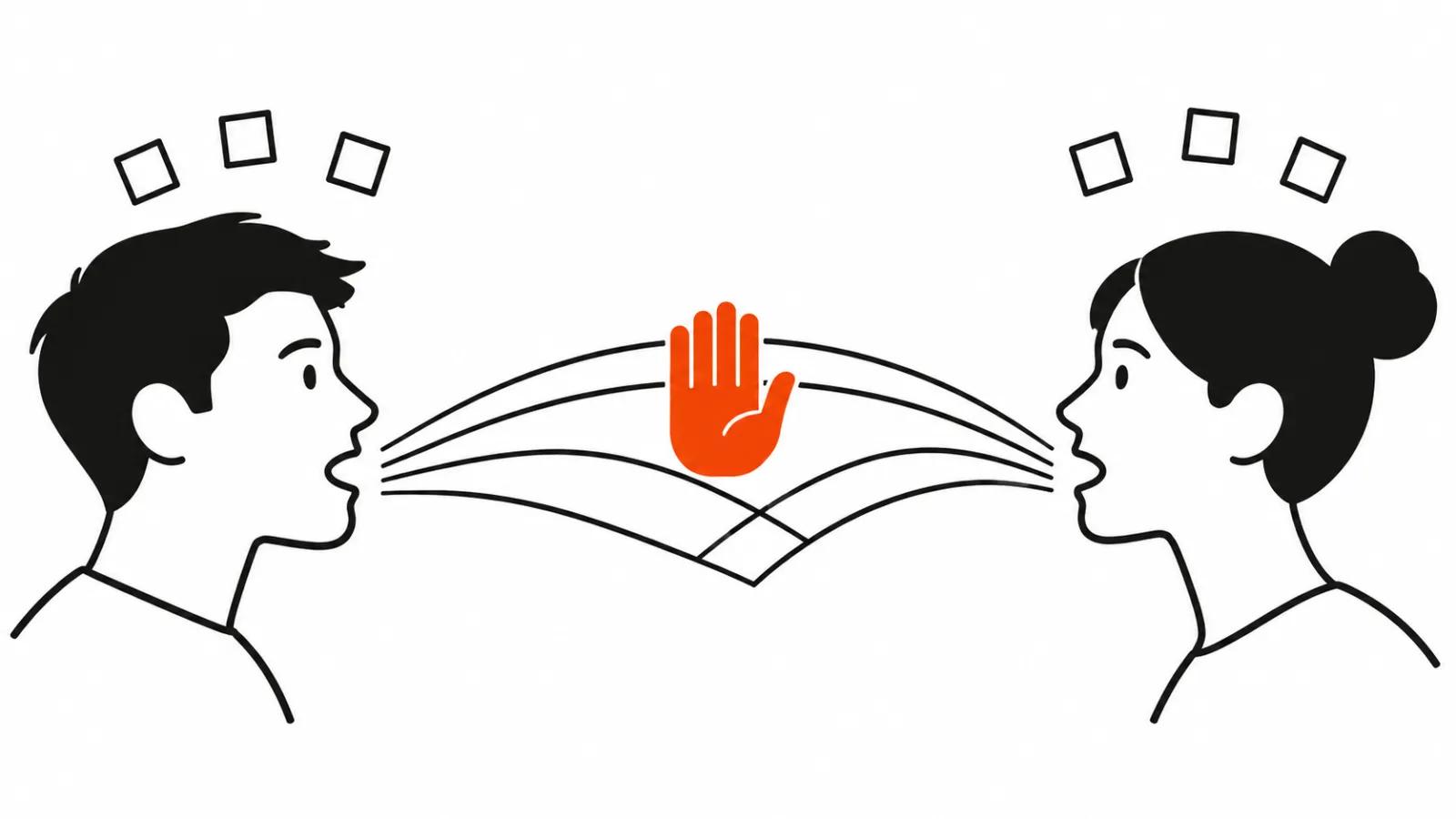
The word duplex comes from telephony. A normal call runs in full duplex: both people talk, both listen, nobody waits for a turn. Video generation has lived in half duplex, because the input was text or a still and the output was a file. Here input and output share one clock, and that changes the use case more than any jump in resolution does.
Why a talking avatar sounds different now
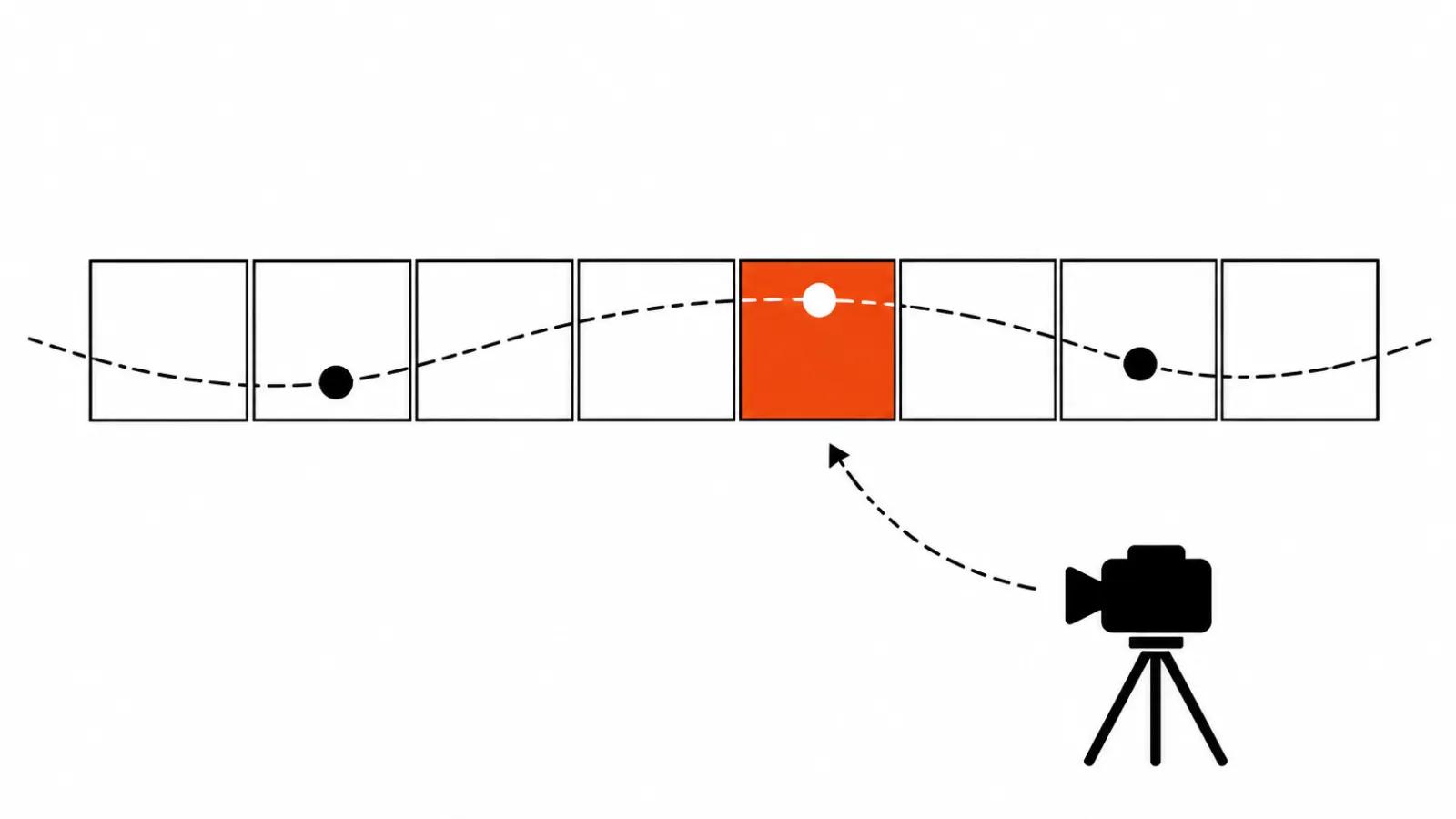
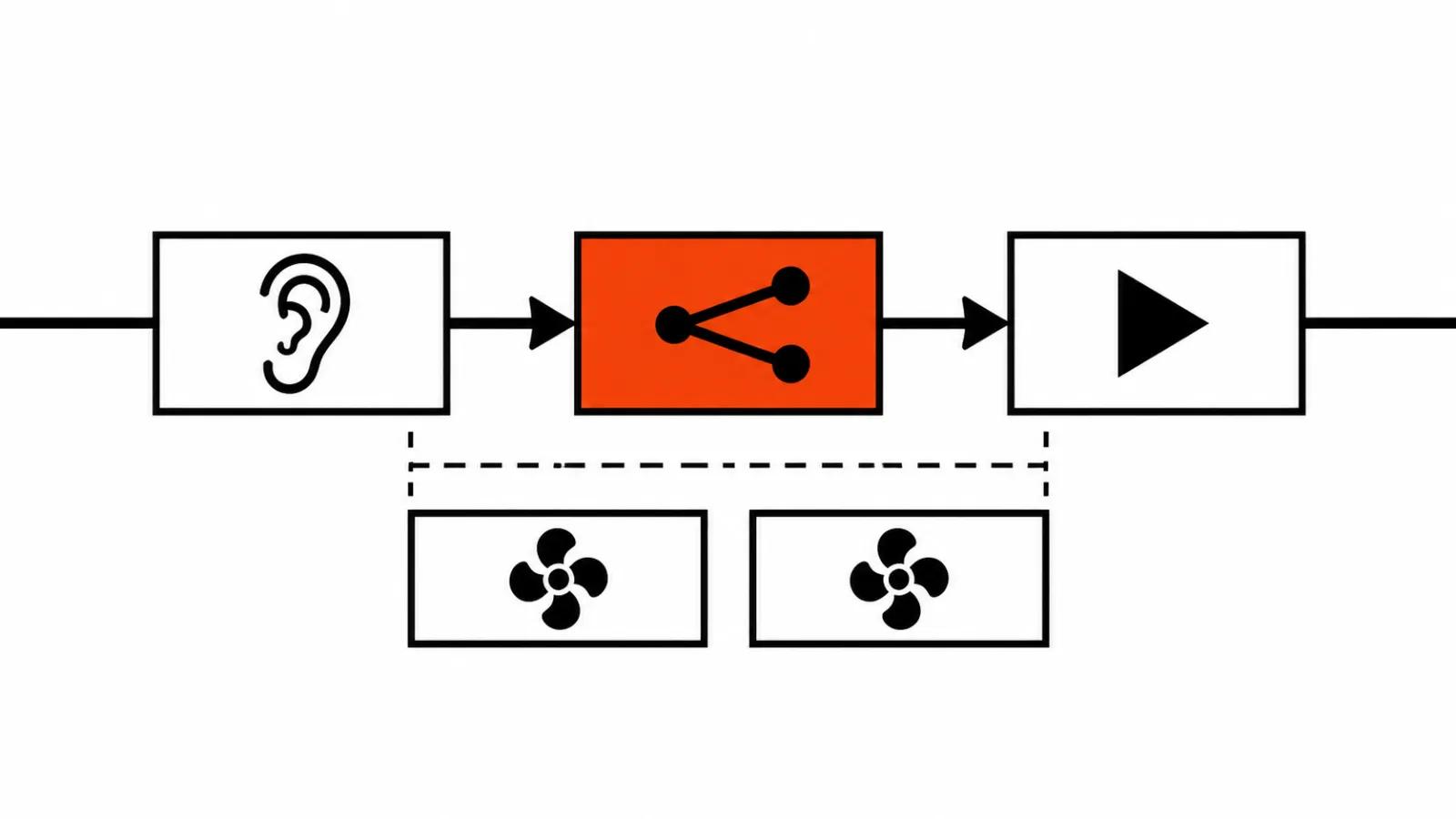
Two parts do different jobs. Intent is an autoregressive multimodal model that decides whether to speak now and what to say. Realization is a diffusion model that generates the video and audio of the answer. The two are synchronised on one timeline and work in chunks, which is how the picture keeps pace with the voice.
Attention masks stop the model from looking at future inputs. At the moment of answering it knows only what has already been said. A person on a call does not know what the other side will say a second from now either, which is why interrupting and pausing look natural.
What is in the package and how much hardware it wants
The parts are listed on the Hugging Face cards. Duo-1.0-causal-base is the full package: Realization, Intent, video and audio codecs, Qwen3-ASR speech recognition and alignment. Duo-1.0-distill builds an answer in 4 steps instead of 50, Duo-1.0-distill-quant runs in FP8, and Duo-1.2-causal-base carries a quality improvement. The code is open under Apache-2.0.
Weights were initialised from MiniMax H3 and fine tuned by the Duo team. The terms sit in LICENSE and NOTICE, and that is a separate piece of work for a lawyer: open code and open weights live under different rules, so the MiniMax H3 licence needs a read before anything ships to a client.
The hardware bill is real. Linux, Python 3.10 or newer, FFmpeg and two CUDA GPUs: Intent and the codecs live on one card, Realization on the other. Streaming branches exist for vLLM-Omni and SGLang-Omni. A single card does not carry this setup.
The numbers the authors report
The AI Weekly write up from 13 November gives the following. Video and audio are generated in chunks of 0.71 s. Across 30 live conversations the model passed 93.3% of 180 criteria, with 100% on language adherence and speech intelligibility and 90% on lip sync. First response takes 330-650 ms on eight GPUs. Those numbers come from the authors' paper by way of someone else's summary, and I have not re-run them.
For practice latency matters more than the average score. A first response in 330-650 ms feels like a short pause before an answer in a live conversation, and it was measured on eight GPUs, a long way from one.
Where an AI avatar for video does not work yet
Duo v1 is a research preview, and the authors say plainly that basic audiovisual conversation is what is supported. For ads and promo films it is not a tool: that work needs a repeatable frame, editing, fixes after client notes, and the same person across a set of versions. A conversational model lives in another mode, and its answer cannot be rolled back on the tenth take.
Live settings are a different story. Building an AI avatar for support that sees a person on camera and answers with matching facial expression in the same beat is getting closer. A stream avatar that hears chat as speech and answers with a face just got closer. For now this is a lab, yet the direction is clear.
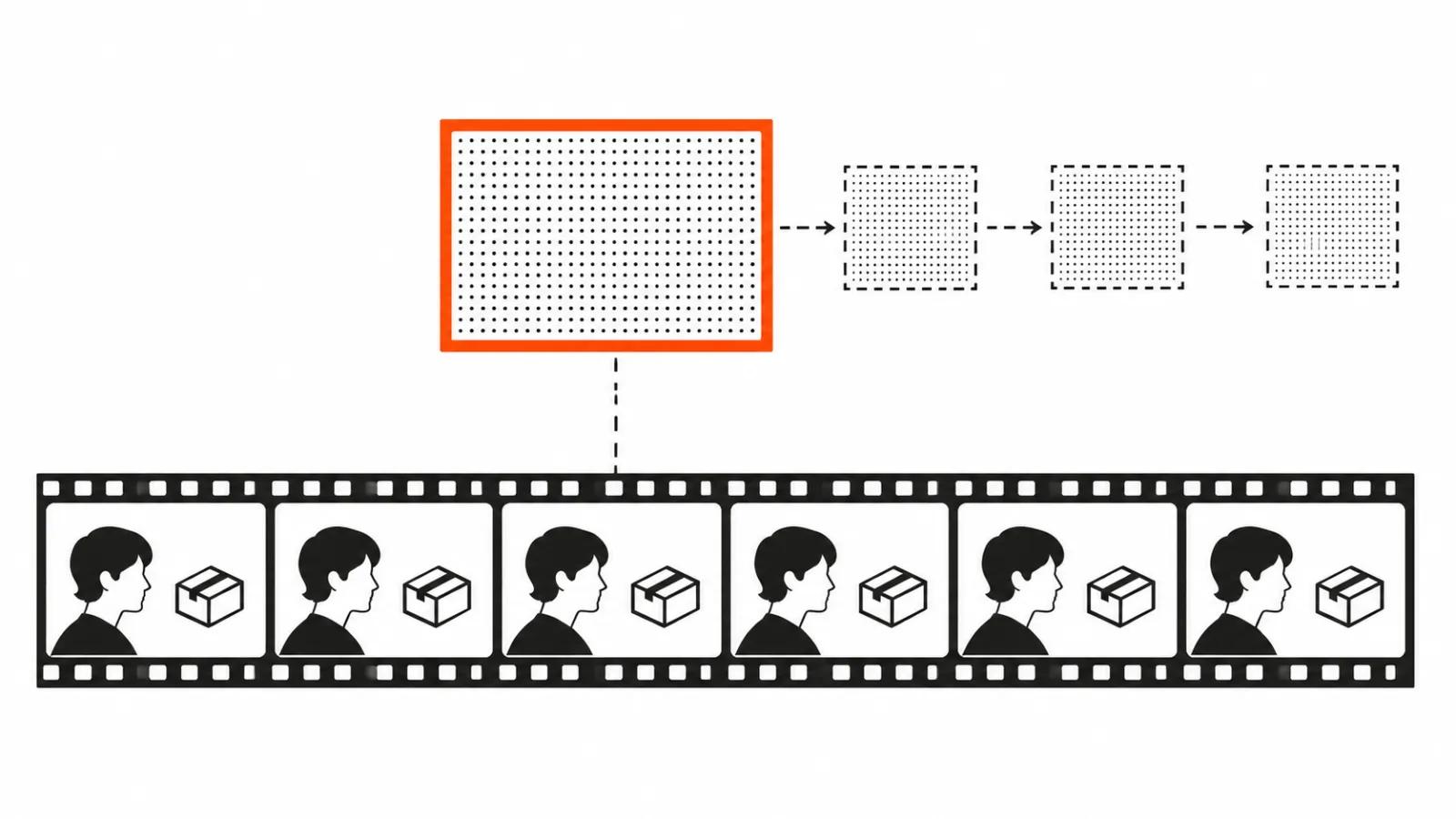
Right now the user's video and recognised speech pass through Intent, which then steers Realization. In the promised Duo v2 the authors want to feed the user's audio and video straight into Realization, which is the visual interaction item in their release table.
Until this reaches production, ordinary work follows the old path: AI video production still runs through a script, shots and sound, and it produces a film someone can edit. Live characters are already tested in that logic, and we have a separate Vidu S2 Avatar breakdown about a live character.
My conclusion
Open models land several times a week. What matters here is that full duplex reached video and audio on one clock, so a talking avatar stops being a delayed attraction. That is an architectural shift, and it matters more than a bump in benchmark scores.
I would put my bet on support and streams. In a conversation with an agent, interrupting is normal, and a model that survives it saves minutes of waiting. In advertising nobody needs to interrupt, control over the frame is what sells.
Three things hold it back: two GPUs to start, chunks of 0.71 s, and the licence layer inherited from MiniMax H3. Hardware gets cheaper over time, the licence needs a lawyer. The project is worth watching at the Duo v2 branch, where direct use of the other person's video is promised.