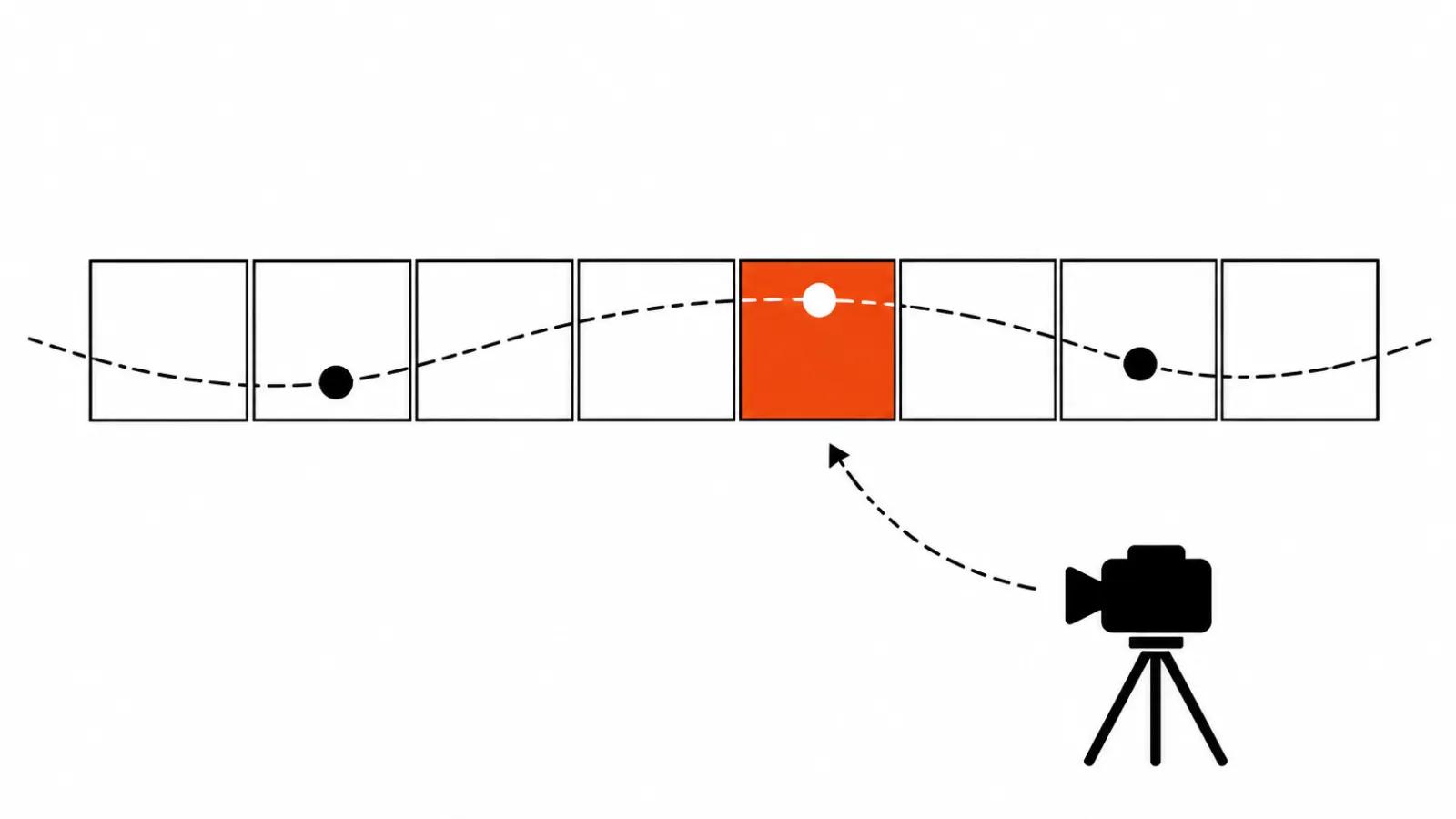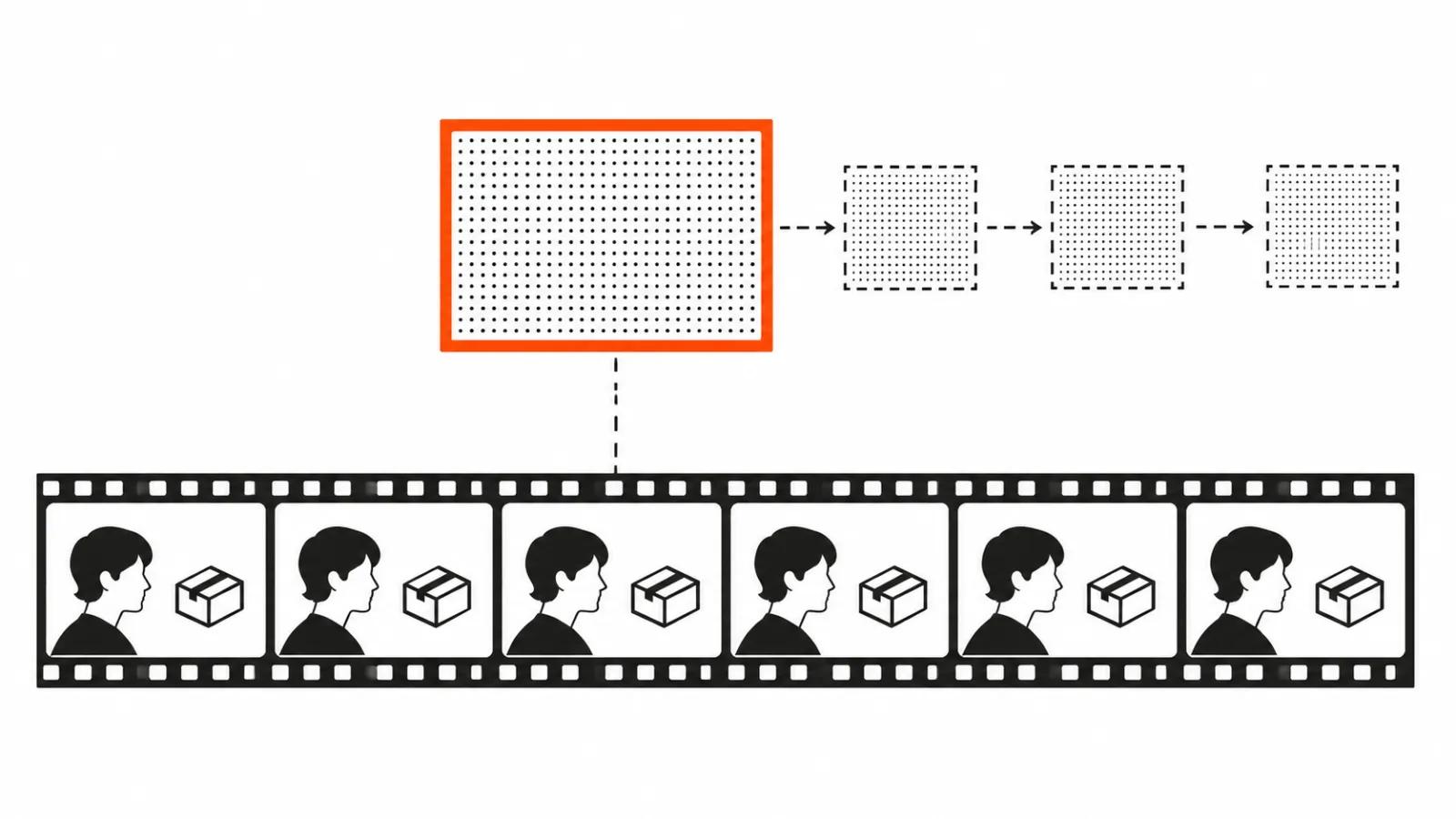
What @chetaslua posted on 11 November
On 11 November the @chetaslua account, known for leaking early Google builds, published a short post: «BouncyBohr is spotted». He says he tested the model himself. The post makes three claims: 4K support, three extensions of 10 seconds each, and several input images.
Quality gets one line. By his own «hard benchmark» the first result sits between «1.1 flash and 1.2 flash». He does not describe the benchmark, the prompts, the settings or the number of runs. No tables, no sample clips, no figures. So the line reads as the opinion of a person with access, and nothing more.
A neighbouring post from the same account lists other unannounced Google items: Hydrogen, Krypton A and a few more names. There he also writes that his early access route has been closed. That detail matters. When a leak channel closes, the next post may be the last one.
Google AI video: what the post does not say
AdGraam reposted the claim on 11 November 2026, also without detail. After that you count the gaps. There is no product page, no API, no price, no launch date, no model card, no licence.
The gaps are practical. Base clip length is not stated. Resolution beyond the word 4K is not stated, and 4K means specific pixel numbers; without them the word carries little. «Several images» is not a number, so nobody knows whether that means two or ten, or how they combine. On price per second the post is silent.
The name BouncyBohr looks like an internal codename of the kind that travel through test builds. It may have no relation to the public name at all.
How the rumour lines up with the 5 November release
On 5 November Google shipped Gemini Omni 1.2 Flash. The official figures from the company blog: clips of 3 to 15 seconds, $0.07 per second of 720p, 30% cheaper than Omni 1.1. Google Cloud documentation describes extension: a new 3 to 10 second segment is joined onto the last (up to 30) seconds of the source. There is also a calendar: Veo 3.1 Fast and Quality plus Omni 1.1 Flash leave Flow on 5 December 2026.
Against that background the rumour looks plausible, since both claimed upgrades sit on a line Google already travels: more resolution, longer clips. Plausible is not confirmed. Google has said nothing about BouncyBohr, and until an announcement any plan built on this model is a bet on a post on X.
What to check if the model ships
My acceptance list is short and does not depend on the name of the model.
First, base clip length. Fifteen seconds and thirty seconds demand different storyboards, and the whole quote follows from that.
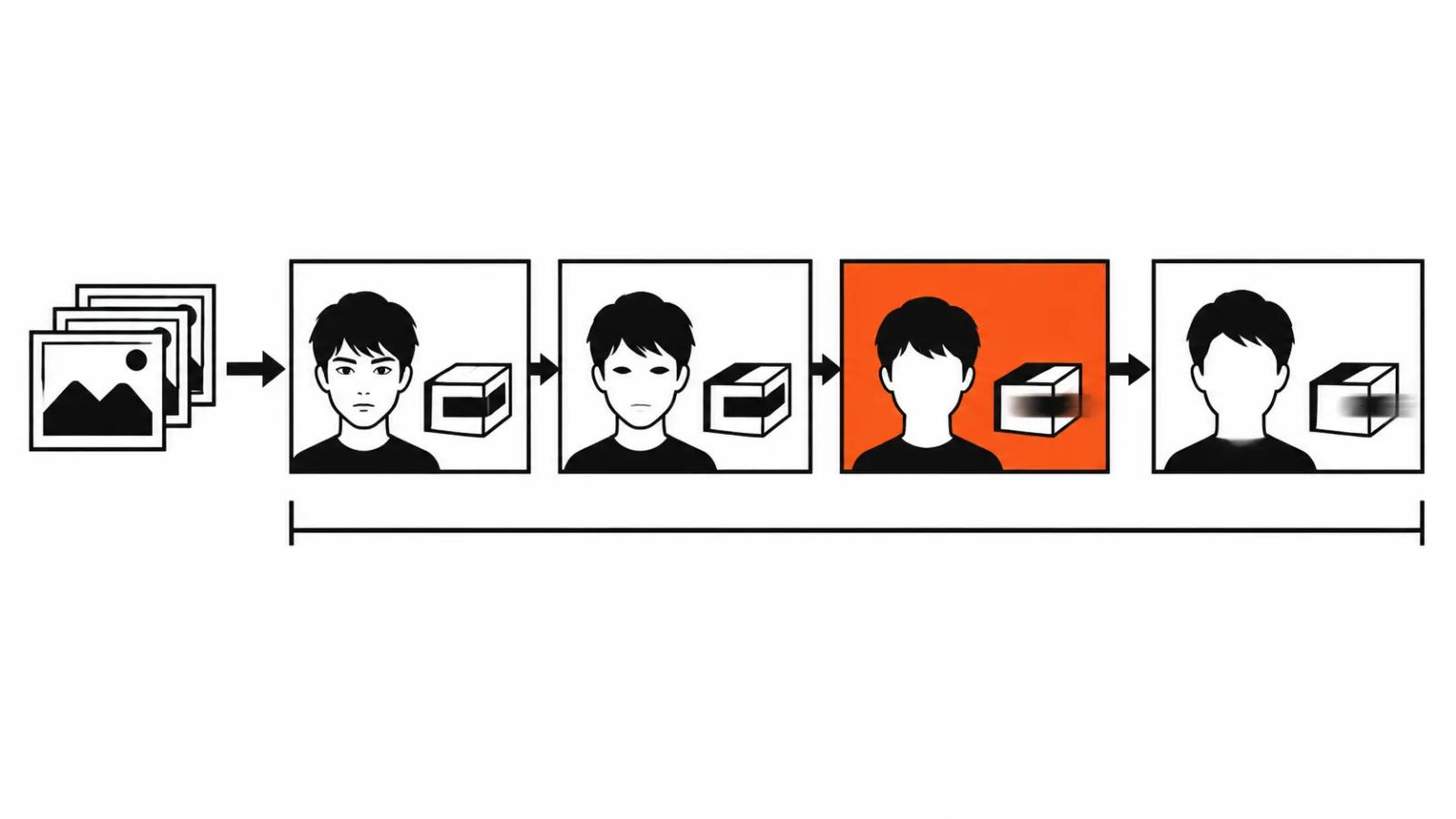
Second, behaviour after each extension. Three extensions of 10 seconds produce four segments, and quality can drop from segment to segment. Two subjects are worth watching: the face and the product. The face loses micro-expression, and the label on the product drifts first, because small print gets painted from memory.
Third, how many input images the model takes and in what order. That decides whether a character and a product can be set as separate references.
Fourth, price per second. Without it a batch of twenty videos is estimated by feel.
Fifth, licence. Commercial rights matter more than resolution, since a 4K clip without advertising rights is useless to a client.
My working test is simple. Take one hard shot with a product held in frame, extend it to the ceiling, then compare the second, third and fourth segments side by side. If the label drifts in the third, the clip length drops to two extensions, and that is a different script.
4K as a selling point: what already exists officially
Four thousand pixels wide are not for everyone. YouTube is fine at 1080p, while 4K buys headroom for punch-ins and reframing in the edit, which is why it gets requested for ad inserts and for anything that lives on a large screen.
Official 4K options exist. Since 11 November, Seedance 2.5 in its 4K version has been available in Runway: a working tool, even if a 4K price has not been announced there either. A post on X does not give you even that. Nothing in a studio should be built on a rumour, because a quote, a deadline and a promise to a client rest on what is available today.
We cover the Gemini video generator separately, with its interface and the usual prompt mistakes. The extension story and the retirement of older models got their own write-up too, in the piece about why Veo is leaving Flow.
What this changes for client work
For a client the difference between a rumour and a release is narrow and clear. A rumour never enters a quote, because no delivery date can hang on it. If the model ships with 4K and extension, the change lands on clip length: a four segment series would give a long run without a seam between separate generations, and vertical ads can be built longer.
Until then the work runs on what is available. It makes sense to build AI video on available models: clips are joined in the edit, and in-model extension stays a reserve for when a continuous camera move has to hold.
On money the reference is simple. Our handcrafted videos start from $190, and a person owns the frame there. Promises from a leak do not enter the quote.
My conclusion
The rumour is worth reading and not worth planning around. One person with access to a test build wrote a post without numbers, skipped the benchmark, and lost his early access route. That is thin ground for a decision about a whole series.
My test is short. Until there is a product page, a price and a licence, BouncyBohr is reading material. When a model card appears, I check clip length, the stability of faces and labels after the fourth segment, and the cost per second. Then I decide whether the production template changes.
One more thing. Resolution alone does not make a better video. Extension that keeps the product in place does, which is why the claim about three 10 second adds matters more than the claim about 4K.