Two papers in one day, one problem
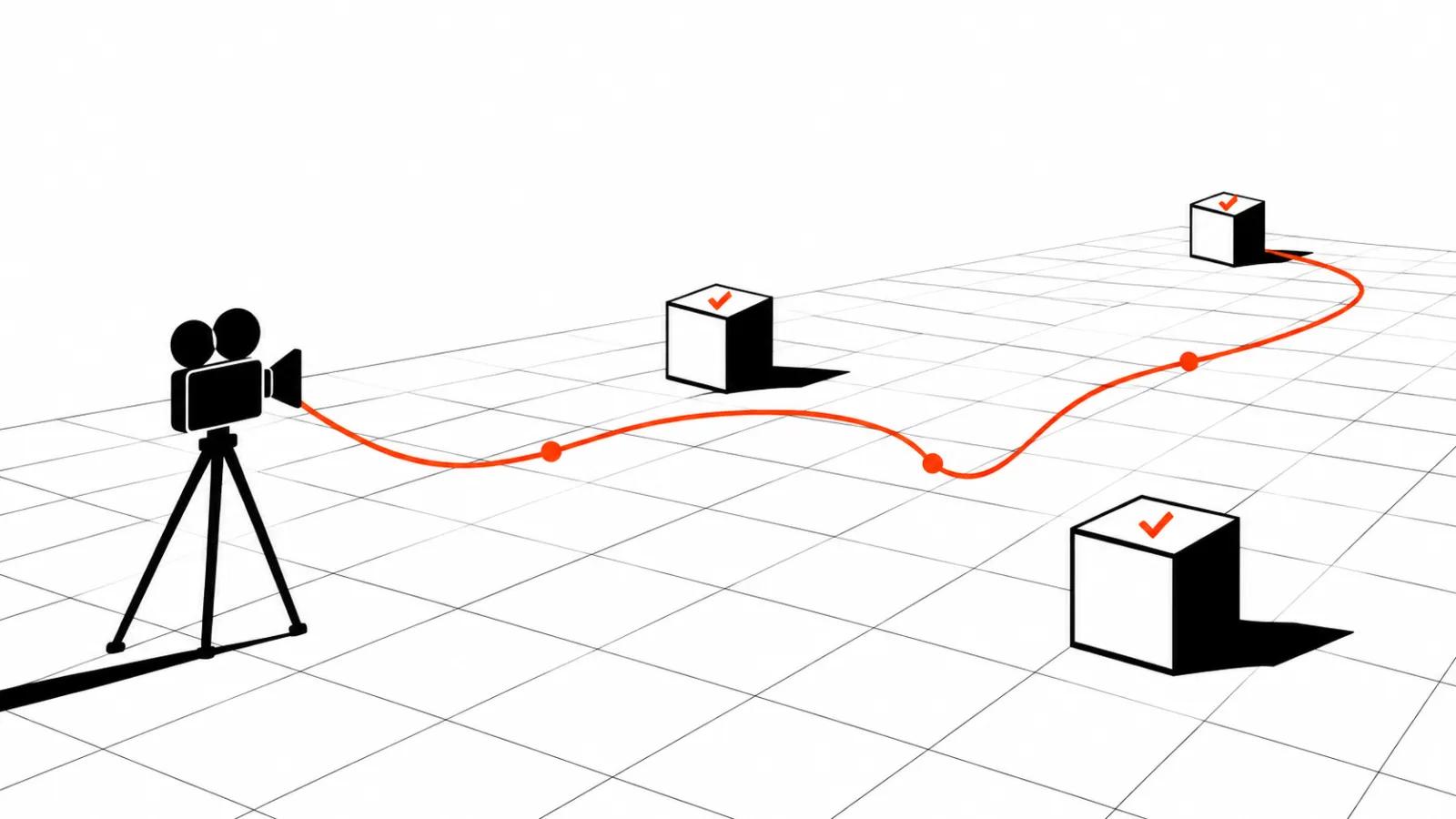
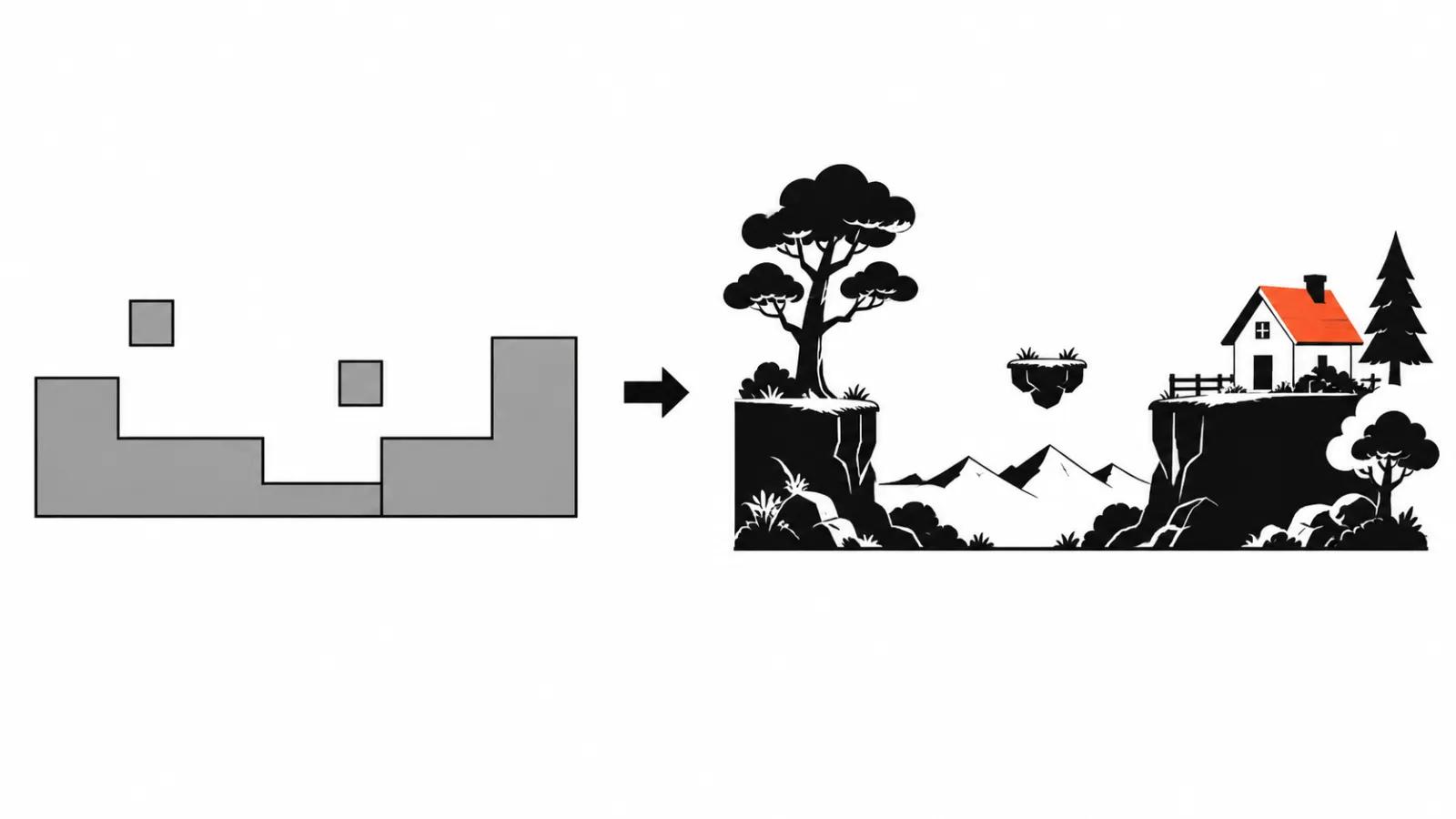
On October 22 two papers appeared on arXiv. The first, WorldForge V2, is about making a video model follow a target camera path without wrecking the scene. The second, AnyGameRenderer, is about turning a grey blockout of a game into footage with characters, motion and effects while keeping every object where it was.
What they share is this. Neither promises a new level of photorealism. Both fight for controllability: the shot doing what it was asked to do, and objects refusing to appear or vanish on their own.
WorldForge V2: camera control without retraining
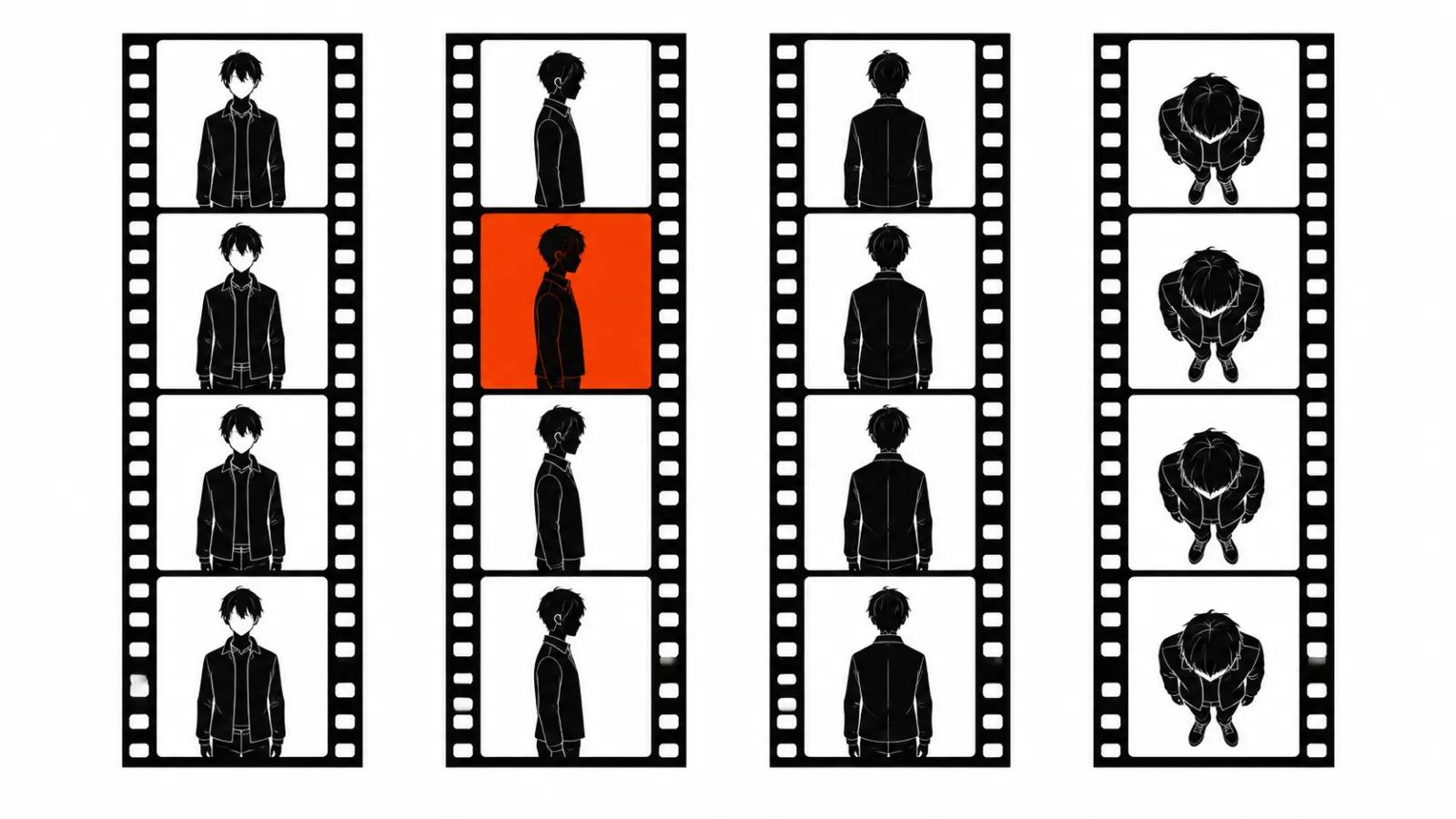
The authors, Chenxi Song and co-authors, start from a plain observation. Video models have picked up rich 3D and 4D priors and are useful for scene generation and re-rendering, yet precise camera control still escapes them. Three things get in the way: imprecise control, spatial and temporal inconsistencies, and camera motion tangled up with the motion inside the scene.
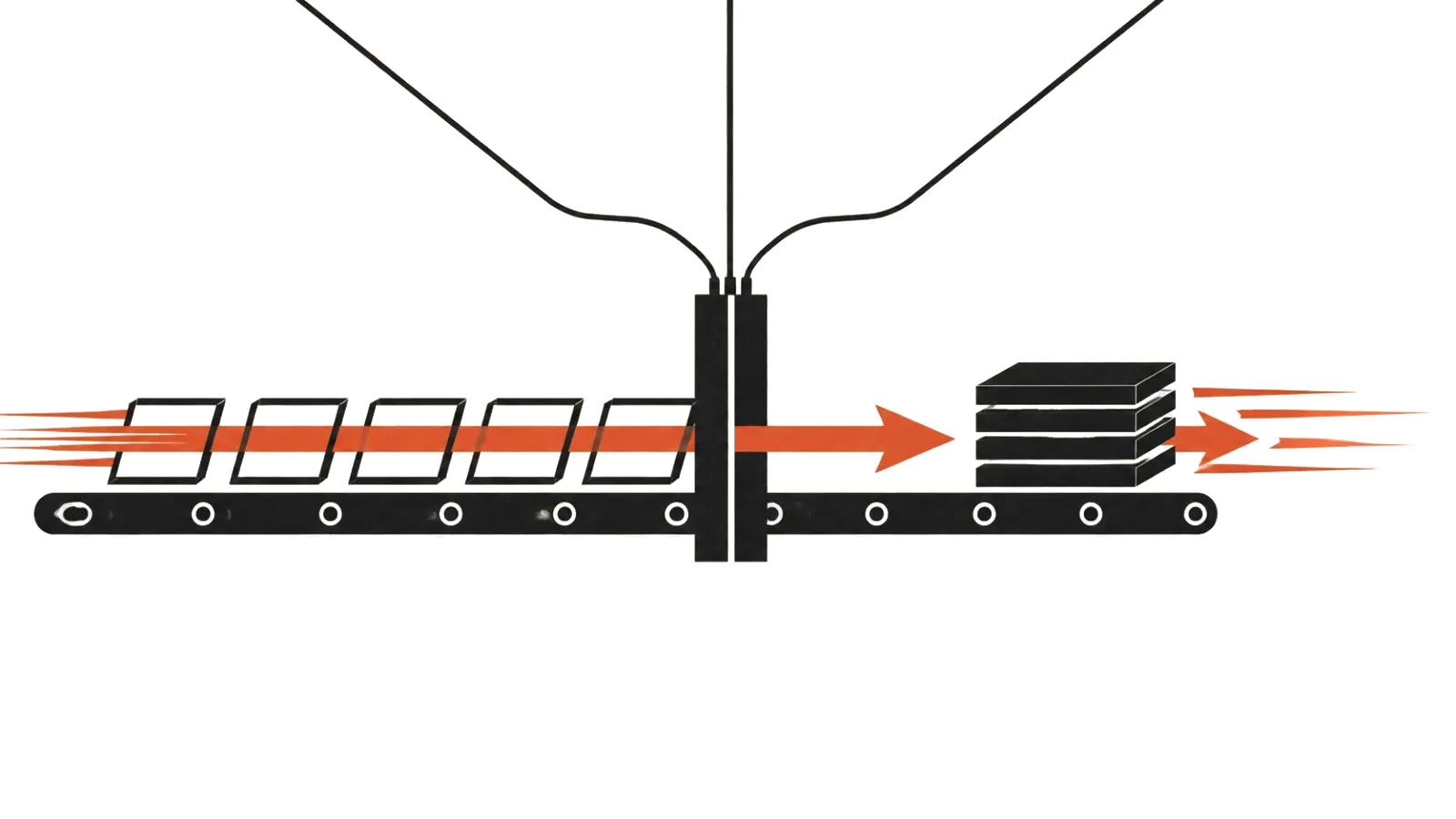
The usual fixes, task-specific fine-tuning and post-process warping, bring artifacts, generalise poorly or cost too much compute. So the paper builds a training-free scheme: take warped references and iteratively refine the generation along the target path.
The key detail is optical flow. It shows which latent channels carry motion, and guidance is applied through those channels, which keeps motion control separate from appearance. The second detail is a dual-path strategy: the model compares a guided prediction with an unguided one and uses the difference to correct artifacts caused by imperfect references.
What Trajectory LoRA and the cache add
Iterative refinement is expensive, so the paper adds v-cache: the correction is approximated from the previous denoising prediction, which avoids an extra model evaluation. Then the authors move motion localisation from latent channels to network blocks and add Trajectory LoRA, which adapts only the blocks that respond most strongly to trajectory guidance.
Training runs in two stages and stays small. The adapters learn to denoise the states that show up during guided generation. The paper claims a single training scene is enough for the method to hold on unseen scenes. That is a strong claim and it needs outside verification.
AnyGameRenderer: a prototype becomes a game
The second paper opens with an everyday observation. Coding agents now build small playable games in minutes, and the results look like programmer art: grey blockouts, coloured primitives, flat semantic blobs.
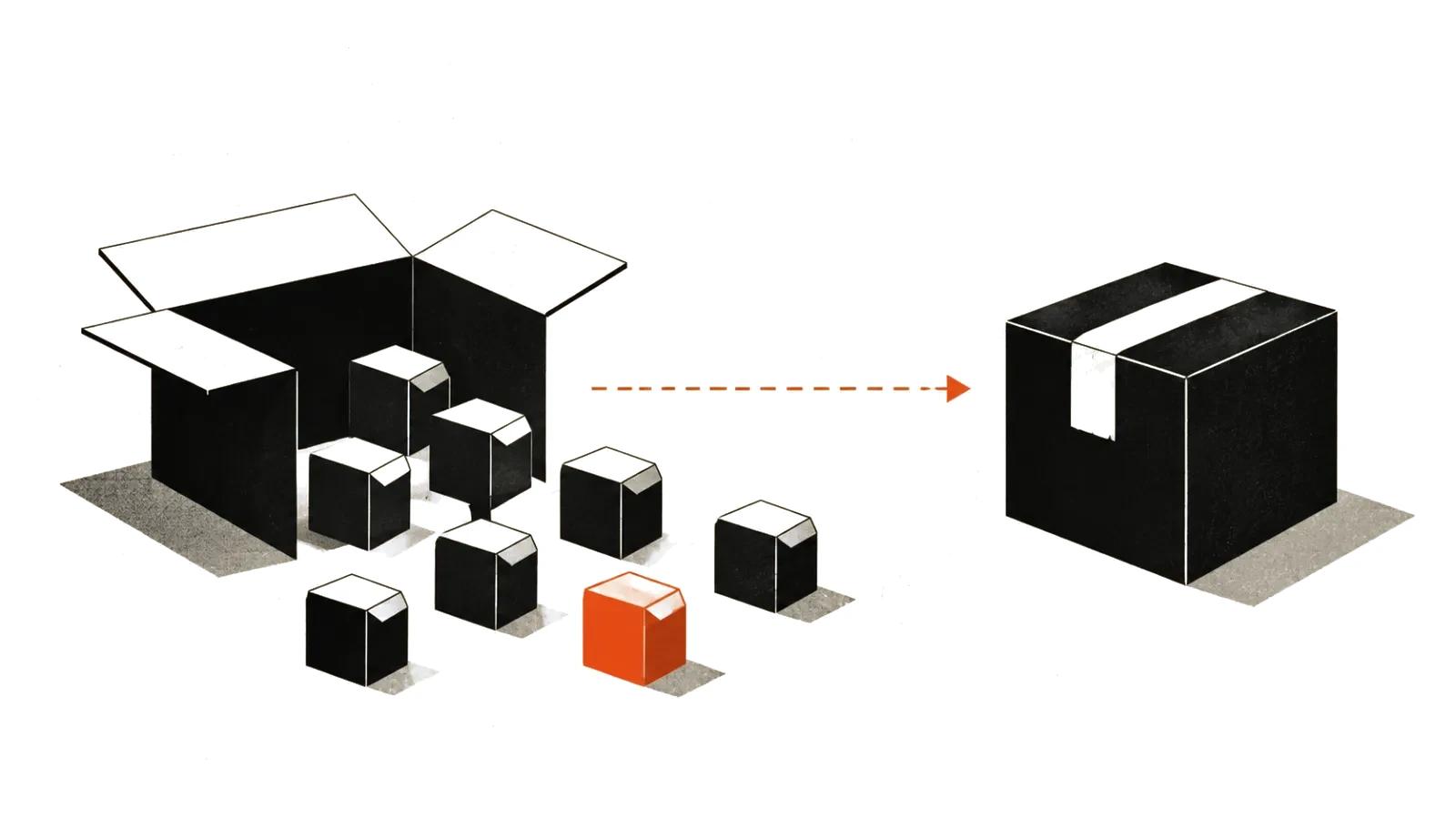
AnyGameRenderer is video to video. Input is plain footage of the prototype, with no engine G-buffers, no per-object class labels, no low-poly proxies. Blockouts, coloured primitives, semantic maps and wireframes all work as they are. Output is footage with characters, motion detail and effects, while layout, camera and entity positions stay put.
The authors list the genres it covers: tower defense, auto-battlers, top-down survivors, turn-based battles, kart racing and crowd runners. Entity correspondence gets its own paragraph: group counts stay correct, and entities appear and disappear on the right frame.
The numbers worth keeping
Technically it is a LoRA fine-tune of MiniMax-H3 ref2va, a 33 billion parameter model conditioned on reference video. Training used roughly 10,000 paired clips from three sources: multi-stream captures of 38 agent-made games exported from GEAR, two-stream Unreal Engine data with programmatic control of crowds, count changes and entity scale, and real gameplay recordings paired through 3D box detection.
Evaluation comes with a benchmark: 59 held-out cases, 753 entities, scored against ground truth boxes. Temporal match rises from 50.9 to 62.9 percent. Missed count changes fall from 34.7 to 21.3 percent. Fewer entities get hallucinated or left unrendered.
Why I stay sceptical
Both papers solve a problem the client never sees. The client sees the final cut and has no idea the camera drifted mid-orbit or that a crowd of seven became five. That is exactly why progress here is slow: the market pays for the picture.
And still I think these two papers matter more than another release with a pretty demo. Pretty demos are everywhere now. A shot you can predict is still a luxury. Until a model holds a path and a headcount, every complicated shot gets re-rolled, and the budget for a batch of clips grows with the number of takes.
My own reading is blunt: the next jump in AI video comes from repeatability. Whoever makes camera and objects predictable first takes the production budgets.
What a studio should take from this
Treat both as a signal: control is becoming its own discipline, and it belongs in the process from the start. When you commission AI video production, ask for repeatability as well as looks: the same prompt on the same scene should return the same result. Where you need volume, one lucky model will not carry it, so keep a guide to AI video models that shows what each one actually does. For staged work, handcrafted videos remain the sane choice, and that is fine: some shots are cheaper to film than to chase through generations. For campaigns that need one story in ten versions, video versioning is where object consistency usually falls apart first.