What actually landed on 26 October
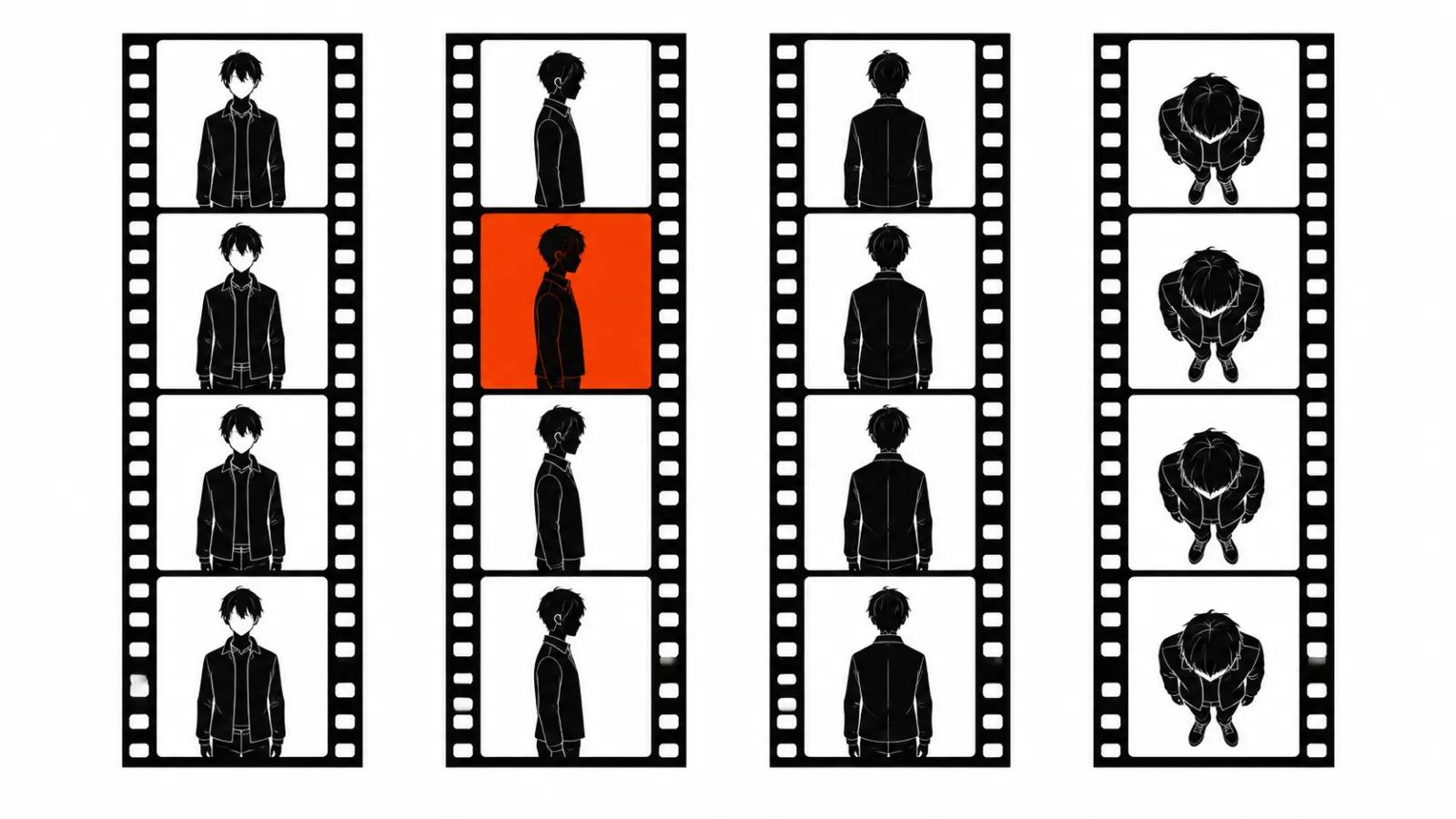
The 26 October arXiv batch brought four preprints that share a problem. The problem is coherence: between frames, between cameras, between a voice and a mouth.
SyncVid generates several videos of one dynamic scene from different viewpoints. AudioLift turns a single portrait into a volumetric talking head. DirCast produces a live esports broadcast. X-Dubbing moves speech into another language while respecting timing and picture.
These are research papers, and code or weights may never appear. What follows is what the authors claim and what it implies for production work.
1. SyncVid: several cameras out of one clip
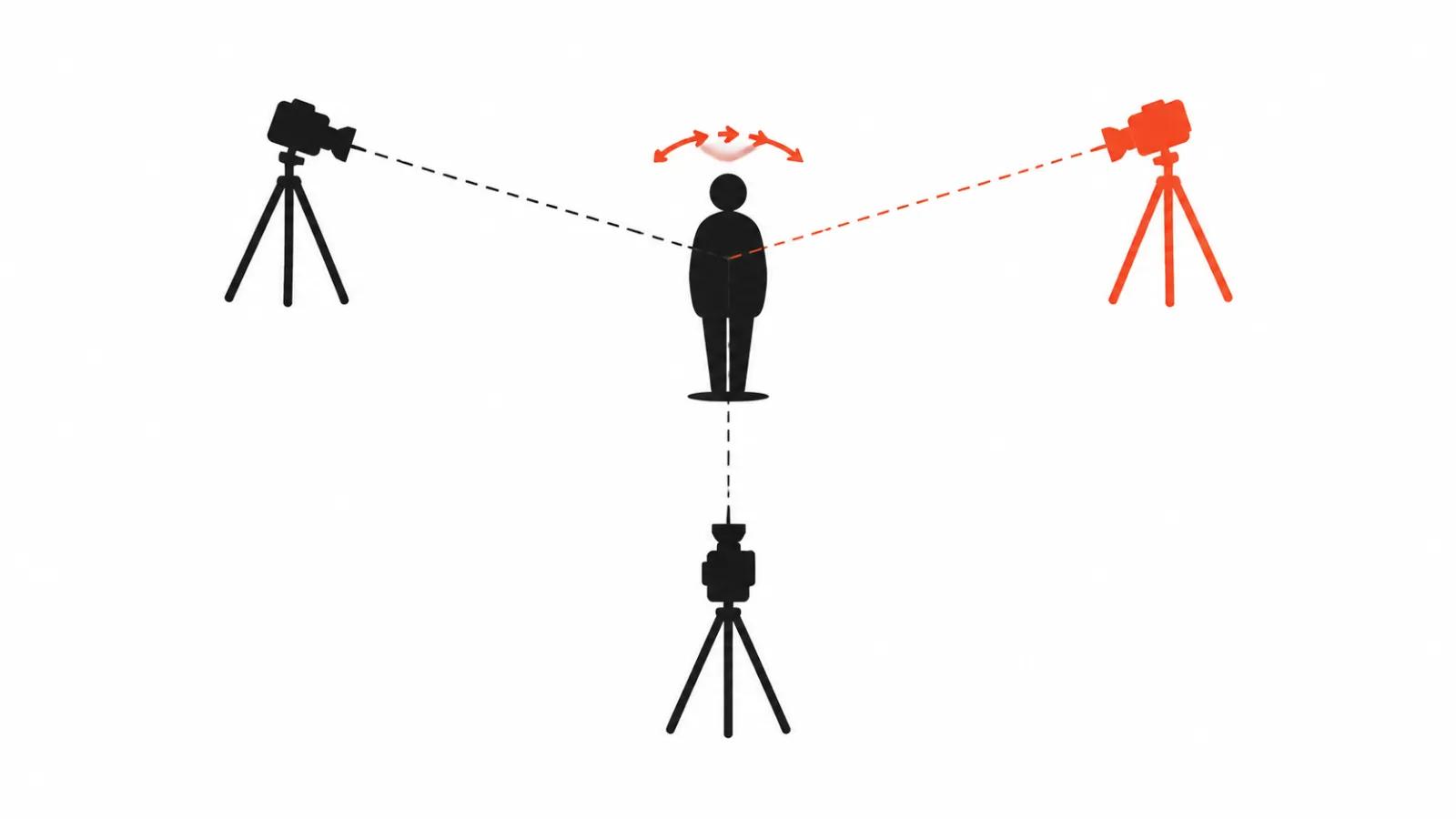
You have a take from camera A and need the same moment from camera B with frame-accurate motion.
Camera control in video diffusion used to rely on camera embeddings, cross-view attention and geometric conditioning, which works for static scenes and breaks on fine dynamic geometry.
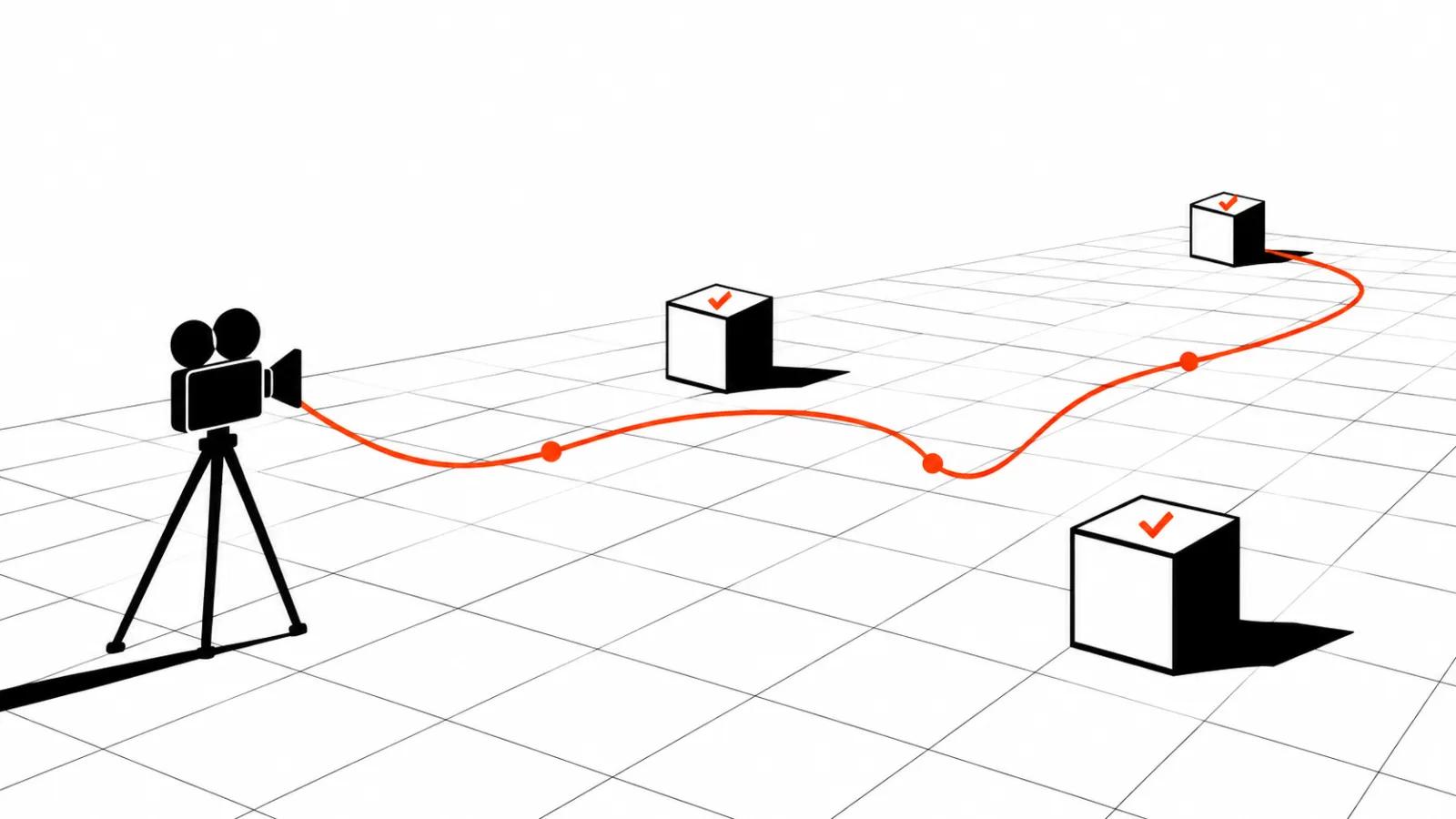
SyncVid moves the problem into the noise. Gaussian noise is sampled in a canonical 3D space derived from the source video and rasterized into the target cameras, so nothing is sampled independently in each 2D plane. Rendering introduces local correlations between neighbouring pixels, so the method adds a cross-view-consistent whitening step that removes the correlation while keeping correspondence across views.
That structured noise then acts as the prior for a pretrained video diffusion model with a LoRA adapter. Nothing in the architecture changes.
Why it matters. Coherence lives in the noise, and the attention layers stay untouched, so the trick carries onto new base models cheaply. For a shoot where one take has to become several angles, it is a direct route to saving a second camera.
2. DirCast: a director and a commentator in one model
A live esports broadcast runs on two people: a director picks the camera that goes on air, a caster talks over that choice, and neither knows what happens a second ahead.
Streaming video-language models already handled commentary, but only over a broadcast a human had cut. DirCast reframes the job: the model receives the raw camera of every player and has to direct and speak from the past alone.
Every second it scans all cameras at low resolution, decides where to cut through a hold-or-switch module, and reads only the chosen camera at high resolution before speaking. The context keeps what went on air and what was said, while the other views expire, which bounds the cost of a long stream.
The authors built the dataset: 27 professional Dota 2 matches, one camera per hero, the director's choices and the casters' commentary. The model beats rule-based and zero-shot directors, GPT-5 included. Its commentary won 29.2 percent of comparisons against GPT-4o under the Proact-VL protocol, while the strongest of eleven streaming commentators watching the human broadcast reached 19.4 percent.
Why it matters. Cutting decisions and speech now live in one model, which turns directing into a model function, with the human kept for the brief and the edit.
3. AudioLift: a talking head from one portrait
3D talking avatars usually sit on parametric face models such as 3DMM or FLAME, and that compact motion representation limits expressiveness. Headwear fits the scheme badly.
AudioLift drops the parametric model and the per-instance optimization. It runs in two stages: synchronized multi-view video generation, then an inconsistency-robust Gaussian reconstruction that recovers coherent full-head geometry from a single portrait image.
The authors claim more extreme facial expressions, better geometric completeness and consistency across a full 360 degrees. Multi-view video acts as the intermediate representation here, which makes images the bridge between audio and a 3D model.
Why it matters. If the method holds up on real people, making a digital avatar shrinks to one photograph. For a talking avatar in a video that removes the main barrier, which is scanning.
4. X-Dubbing: dubbing tied to articulation
Dubbing runs into timing: languages differ in duration, rhythm and articulation, and a faithful translation often does not fit the original line.
X-Dubbing treats the task as a joint problem: time-aware speech-to-text translation plus video-aware speech synthesis. A Dubbing Translator writes a temporally structured script, a Voice Actor renders it in sync with the source, and both share a language-agnostic timing budget. The translator is refined with feedback from the synthesized speech so that the script already produces synchronized dubbing.
Paired dubbing data is not required, since the components train on speech-text pairs and monolingual audio-visual data. The paper reports isochrony and audio-visual correspondence, and the method beats recent baselines on both.
Why it matters. Dubbing stops being a separate service with a separate studio. It becomes a generation parameter that can be switched on while a video is assembled.
What the four papers share
Coherence is the common thread: SyncVid holds it in space and time, DirCast in cuts and speech, AudioLift between sound and geometry, X-Dubbing between language and lips. The second trait is restraint, since most methods avoid retraining a heavy base model. The third is data: DirCast rests on 27 matches with the human director's choices and the casters' commentary.
Where this shows up in practice
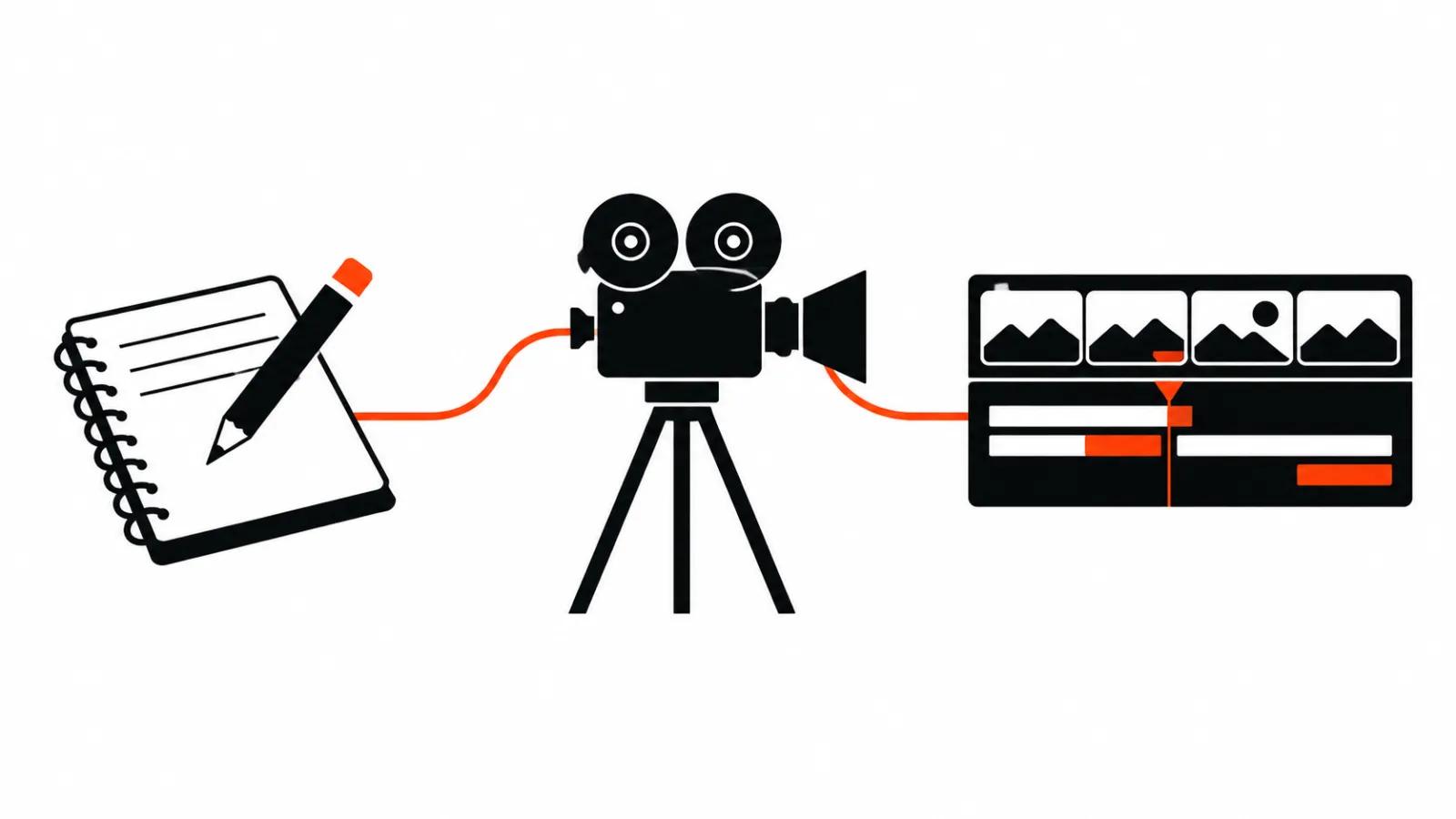
For teams that run AI video production, one source take becomes several angles, and vertical video ads in 9:16 can be cut from the same material as the landscape version.
Live streams get an automatic director, so commentary can run as a separate track. Where a real person has to be on camera, handcrafted videos stay the answer. If dubbing becomes part of assembly, running an AI YouTube channel in two languages stops requiring a studio.
What to check when code appears
Three things matter: whether weights and code are open, how the method behaves on long clips where error accumulates, and what the training data rights look like around faces and voices. Every claim for now is a claim by the authors.