What changed on 6 November
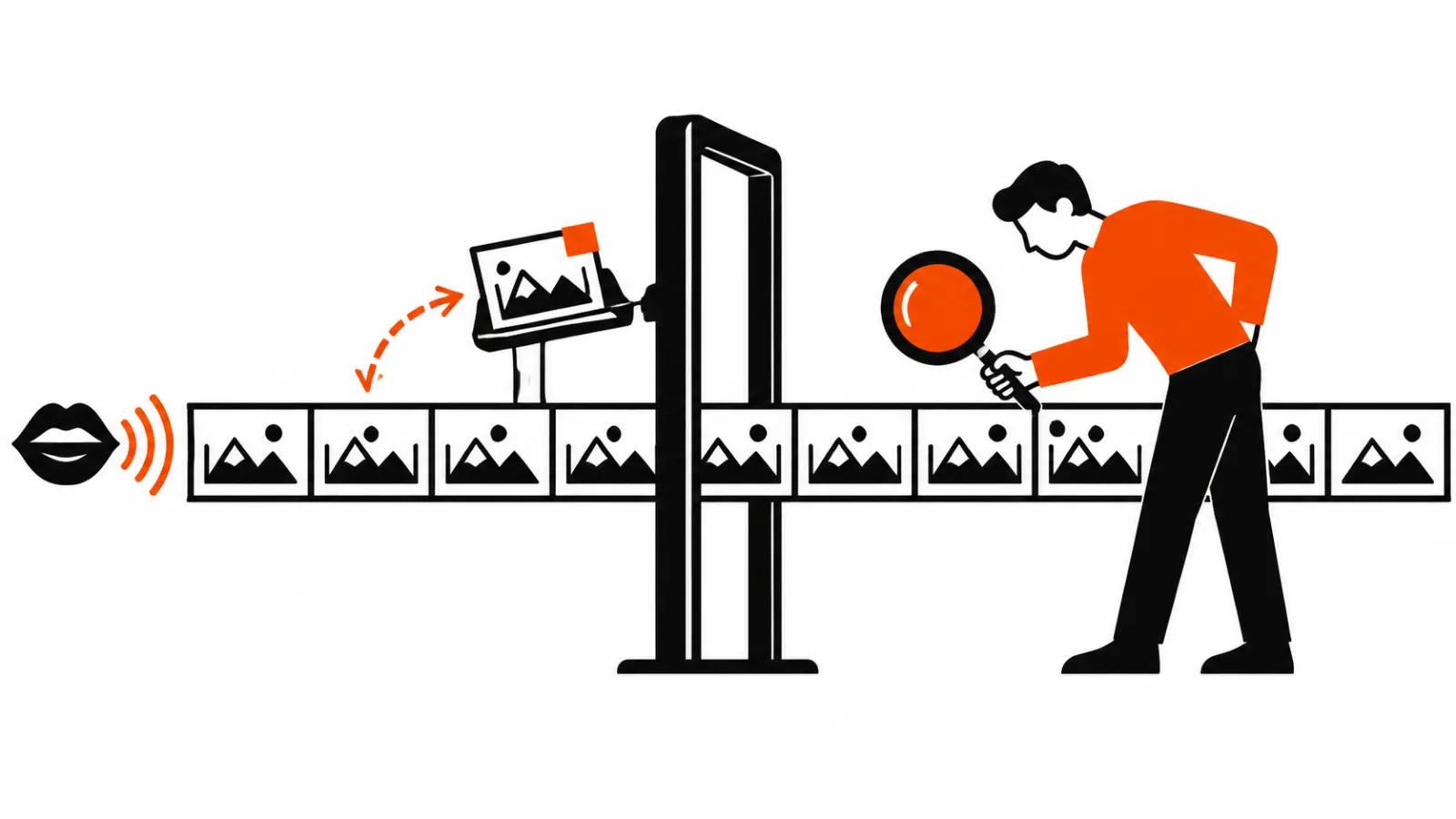
ElevenLabs published a post by Joel Ostdiek: ad creatives can now pass a human review before they run. The subject is Ads Engine, a tool inside ElevenCreative that launched in June 2026. It plugs into ad platforms, pulls the creatives already in the account and builds new versions from them. Three jobs run in that loop: translating copy, adapting images and dubbing video.
The news is the people at the end of the chain. Accuracy, style and meaning get checked by linguists and localisers from ElevenProductions, a global network that handles manually reviewed dubbing for media companies. In house creatives from ElevenLabs review the work as well. The result goes back to the team for sign off or straight into the ad platforms.
The post names the motive plainly. Some brands run ads in their original language across every market, others cut the number of variants when creative burns out. Localisation solves both, on the condition that a person watches the translated version.
Why I read this as an admission
Machine dubbing has been good enough for a draft for a while, and pretending otherwise is pointless. Voice synthesis lands in the right timbre, pace and intonation, so the track sounds smooth on first listen. The failures sit elsewhere: brand and product names, stress, jokes, numbers in addresses and promo codes.
We localise ads by hand, with a native speaker on review. When a vendor of this size puts a person in the loop, the market gets an honest signal. Without that step an ad in a foreign language reads as a translation, and viewers feel it within seconds. The news helps me in a practical way too: the case for a review pass is easier to make with a vendor link in hand.
AI video translation: images and Google ads
Images are a separate problem. Copy burned into the banner gets translated to match the voice of the brand. For Google Search ads, headlines and descriptions are translated and fitted to Google's character limits. A linguist checks accuracy, style and meaning. That fitting step is where meaning usually gets lost. The source line slides into a headline, the English version comes out a few characters longer and gets cut on a phone. So I review the final render in the file and leave the spreadsheet alone.
Where the model slips in a dub
AI dubbing goes through Dubbing v2, which translates audio and picture while holding the emotion, timing and voice of the speaker. Then a native speaker takes over. They check accuracy, natural phrasing, timing, pronunciation, brand names and product names. This is the step that catches words the model translated correctly and then said wrong.
My own experience matches it. A line about a plan turns into a line about a pricing tier, a model name gets the stress on the wrong syllable, a joke in the caption stops being a joke. Each of those is small on its own and a defect in the sum.
Brand kit: what carries into every version
Colours, fonts, logos, references and rules carry into every version of the creative. Agencies can keep a separate brand kit per client. Creatives compare new ads against the guidelines and against past ads, so the new version does not break the series. Clients rarely ask about this part, and it decides whether a localised ad reads as the next chapter of a campaign or as a random image in the wrong typeface.
The review: my five point check
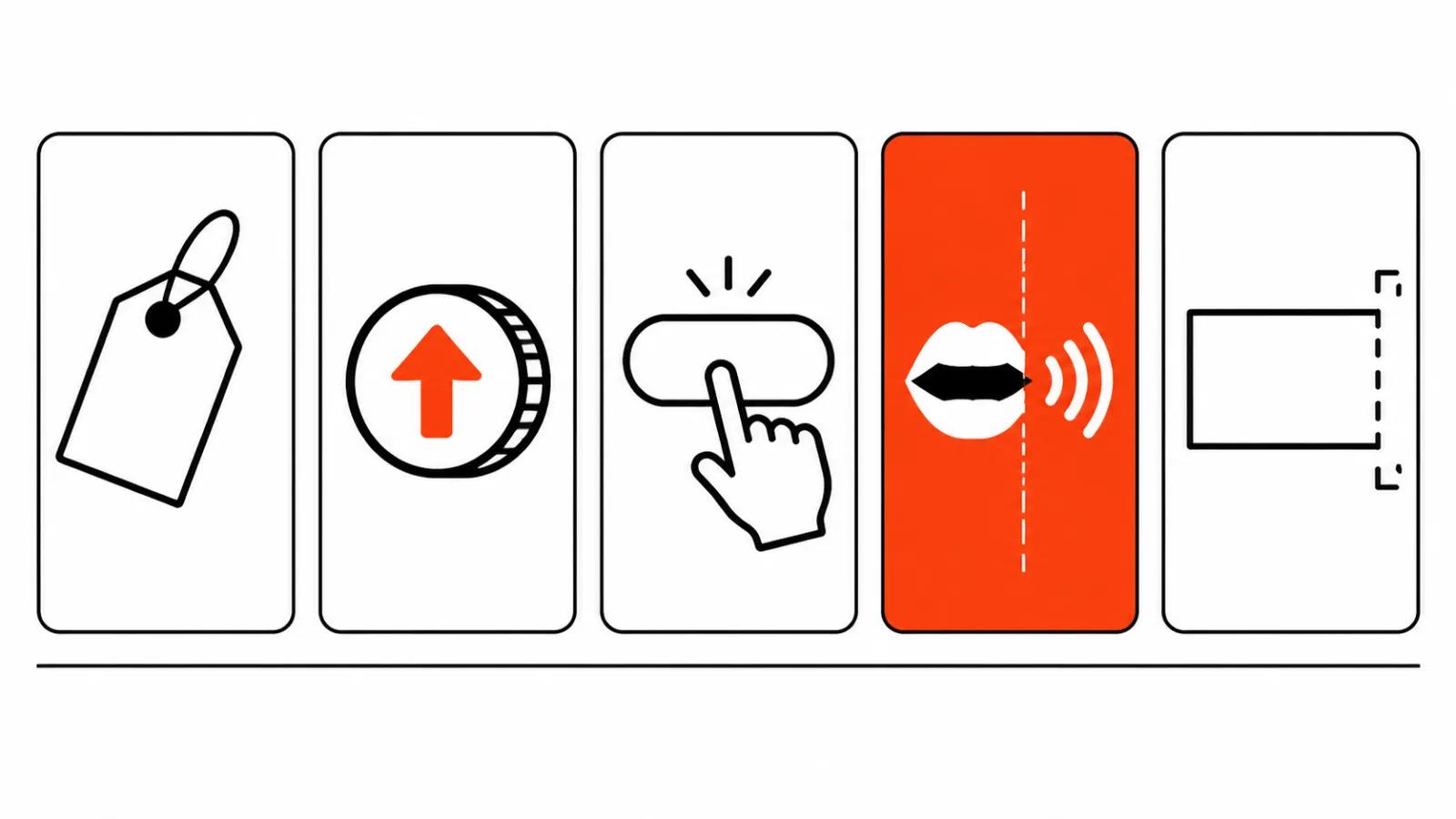
I built this list on ad translations, and it lines up with what the vendor describes. Five items, then the eye decides.
Names. Brand, product, plan, model. I check the official page, memory is a poor source here.
Numbers. Price, discount, deadline, percentage. Currency conversion happens once and then stays frozen.
CTA. The button and the call to action have to match what happens after the click.
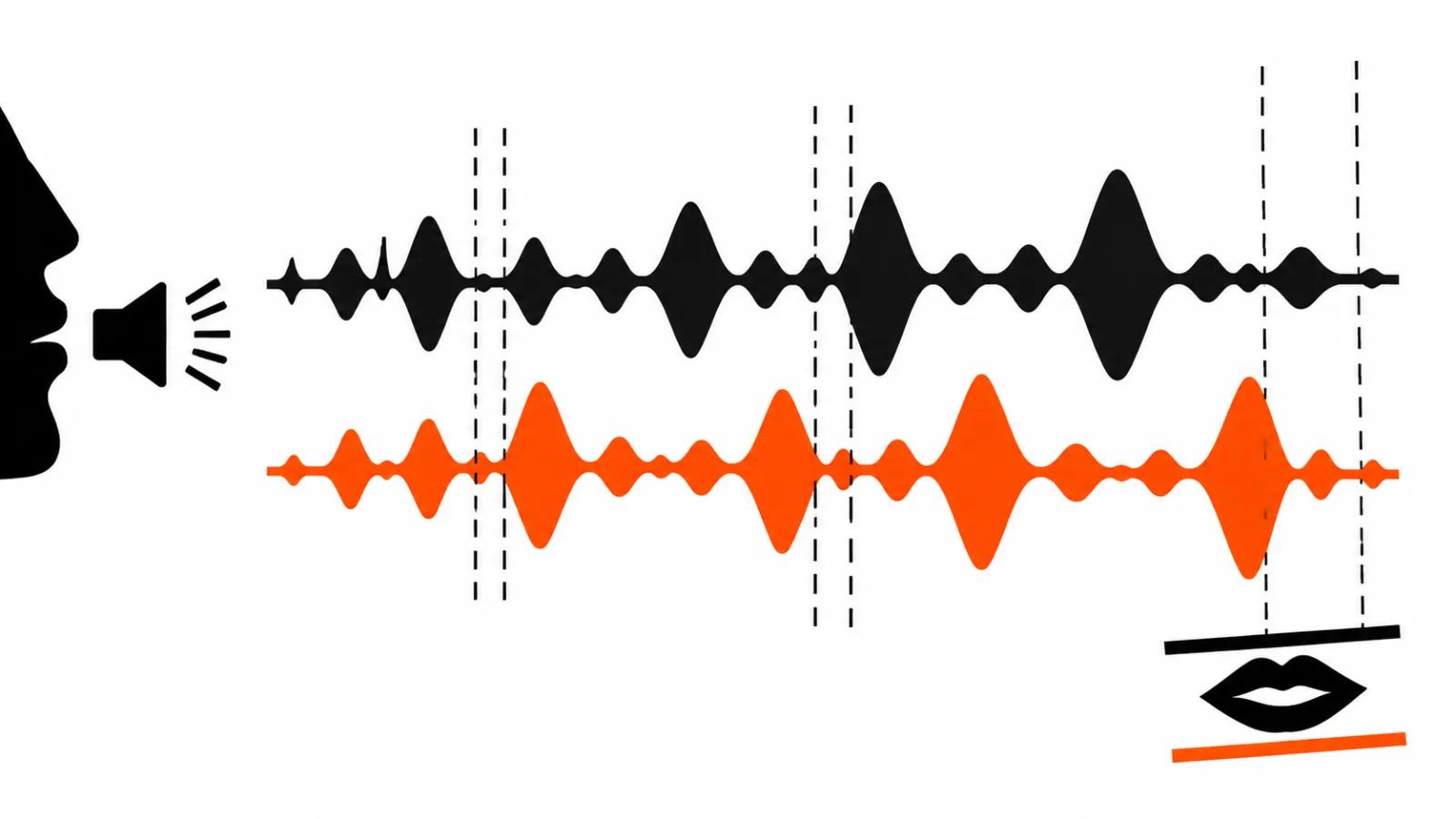
Lip timing. In a dubbed spot the audio and the mouth drift apart on long lines, and it shows on a normal playback without any tools.
Copy length on the banner. English runs longer than most languages, so check the crop at the edges and the line breaks at small sizes.
Price and who this suits
The post carries no price, just a note to talk to the team. That means quotes follow campaign volume and the number of languages, and for a small set of versions the loop can cost more than building by hand. I would look at scale. Ten videos and eight markets: the built in review saves weeks. Three videos and one language: do it yourself and save the fee.
We fold the review pass into handcrafted AI videos, from $190, where a person owns every version. Our vertical video ads ship as series, and each version needs its own translation and its own check. If the topic is new to you, start with the base guide on AI video translation and dubbing, it walks through the steps without any ad platform attached. A second piece covers timing, why lips and audio drift apart and what fixes it.
My conclusion
The human review loop is an admission that machine translated ads are not ready to publish untouched. The model produces a draft in minutes, a native speaker turns the draft into an ad.
Do not wait for every platform to ship a loop like this. Five items on a checklist cost nothing today and work on Ads Engine and on any other dubbing service. An ad in a foreign language forgives an accent. It does not forgive a product name with the wrong word in it.