What ElevenLabs announced on 13 November
The post, written by Joel Ostdiek, describes a new layer on top of ElevenCreative, the company's platform for advertising work. Three roles are named: performance creative producer, brand creative producer and creative strategist. People in those jobs work alongside brand and agency teams, either inside the platform or as a standalone service delivering finished creative.
The described order of work runs like this. Specialists start by studying the brand, the strategy and the existing process, then move onto live campaigns. Two paths exist. One: build the workflow and the first campaigns together with the client team and train it. Two: take the brief and hand over finished ads for approval. Forward Deployed Engineers handle connections to systems the brand already runs. According to the post, the same group helped "hundreds of companies" launch ElevenAgents. Localisation is reviewed by linguists and sound engineers.
Three reasons AI ads stall at the pilot stage
ElevenLabs lists the reasons itself, and that list is the most useful part of the text. A model vendor explaining why its own tools never reach volume is worth reading closely.
The first reason is a consistent brand style. Everything that comes out of generation has to look and sound like the brand, and localisation has to keep the meaning. A spot in another language with correct words and someone else's rhythm reads as a translation, and viewers catch it in seconds.
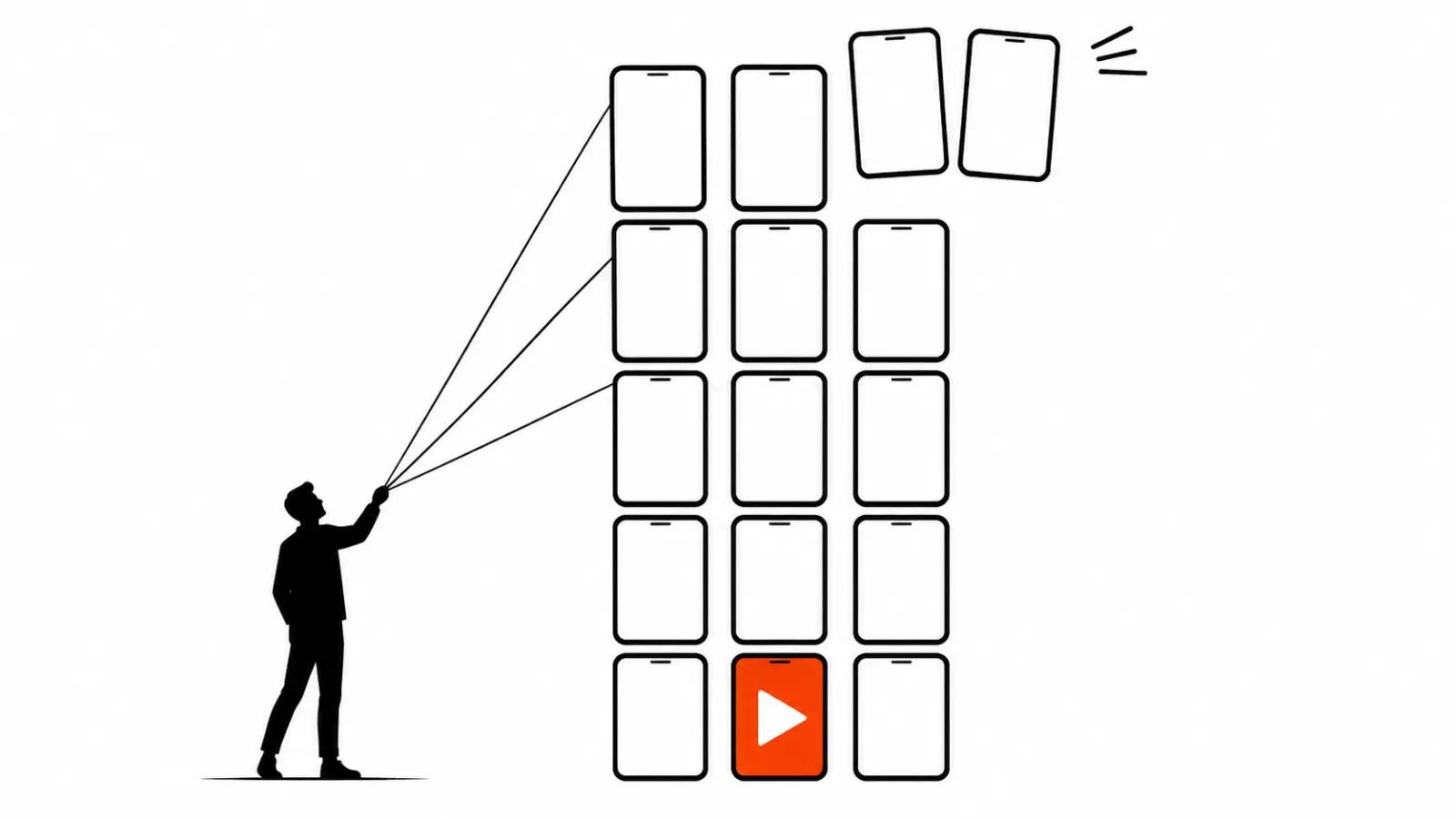
The second is scattered tooling. Asset libraries, briefs, ad accounts and localisation vendors sit apart from each other. Generation in that setup adds one more file to the pile, and the campaign gets assembled by hand.
The third is control. Teams want to edit and approve every asset. Complex tools stay unlearned because that is not their job.
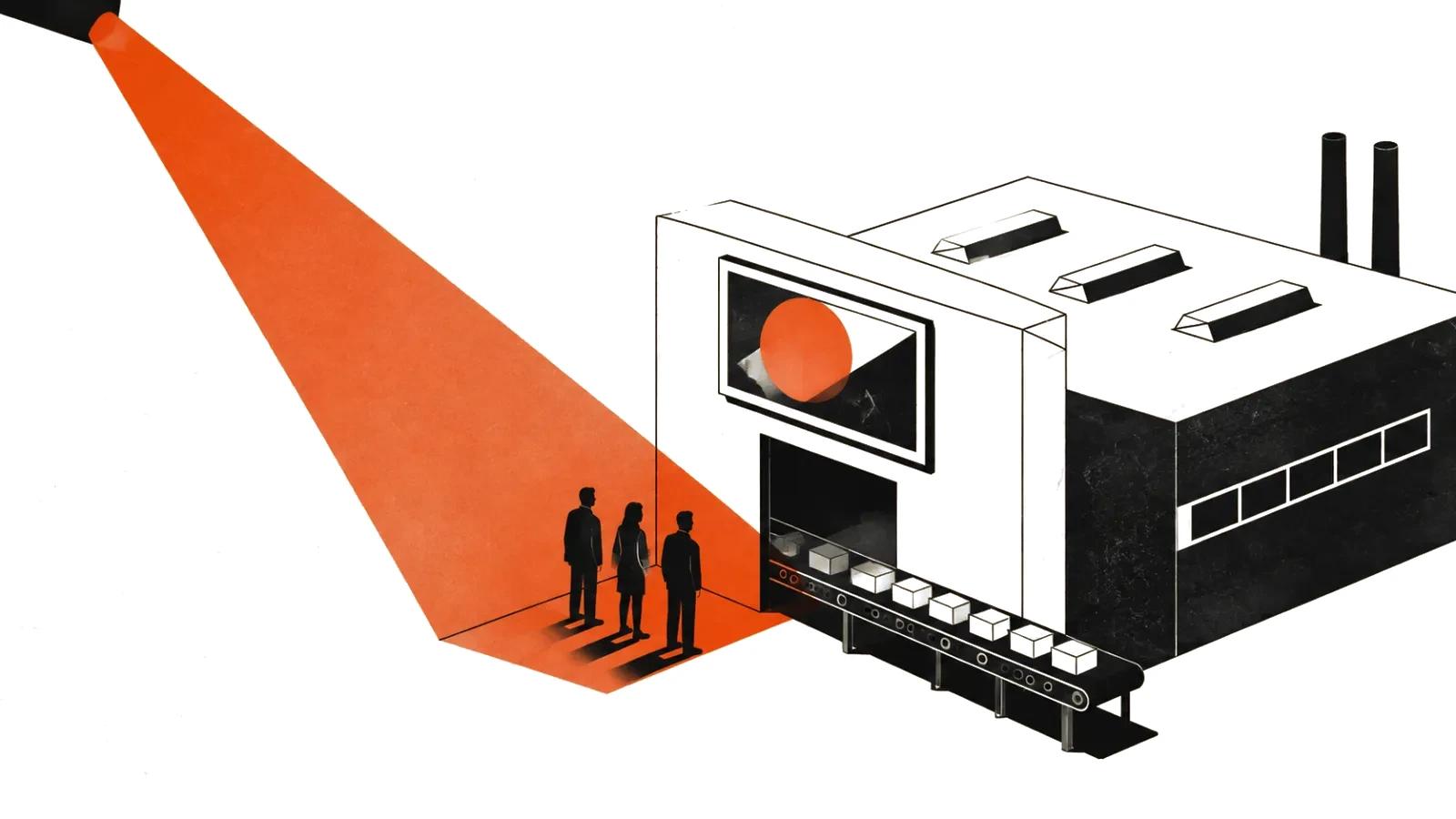
Look at what the list does not contain. Not one reason relates to generation quality. The model draws a frame, and between the model and the campaign sits the organisation of work. That is where the pilot stops.
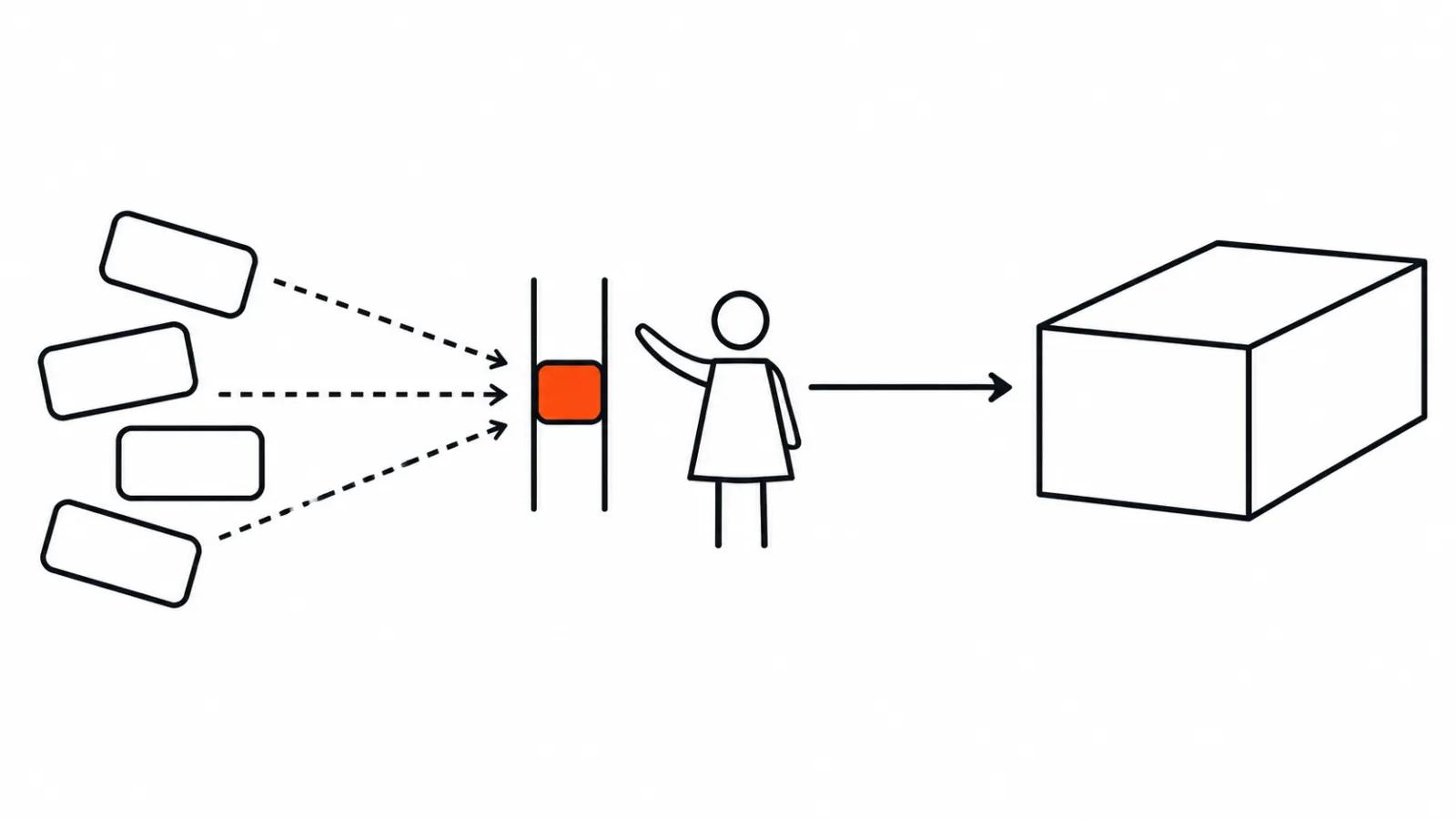
Three formats: Enable, Supercharge and Extend
The first format is Enable. The brand's own team works on the platform: models, editing tools, repeatable workflows, agents. Brand Kit applies colours, fonts, logos and references. Administration covers SSO, permissions and an audit log. A brand buys access and skill here, and does the work itself.
The second is Supercharge. Workflows get built together per campaign: a production audit, processes shaped around the specific team, the first campaigns, training, and support as models change. A fit for teams that have people and no repeatable order those people follow to ship spots.
The third is Extend, turnkey creative. The package includes strategy and concepts, brand and image films, performance ads with variants, and localisation for each market. The brand team selects and approves, and ElevenLabs can run the campaign, measure it and feed the result into the next round.
A separate list covers dubbing, voiceover, subtitles, audio description and brand voices. Turnkey as well, with people checking the output.
AI ad production: who owns the frame
The difference between the three formats comes down to one question. Who is accountable when the spot does not perform.
With Enable the answer sits with the brand. The platform supplies models and structure, and everything after that depends on having someone in the team who makes ads every day and knows which frame sells. Supercharge splits the load: the vendor builds the process, the team carries it forward. Extend moves accountability to the vendor, and the brand receives finished spots for approval.
Prices are not published, which matters. Nobody outside can compare the three formats on cost, so the calculation has to run on scope. The questions are simple: how many concepts and variants come with a campaign, how many languages, who signs off the final frame, and what happens on the second round of edits.
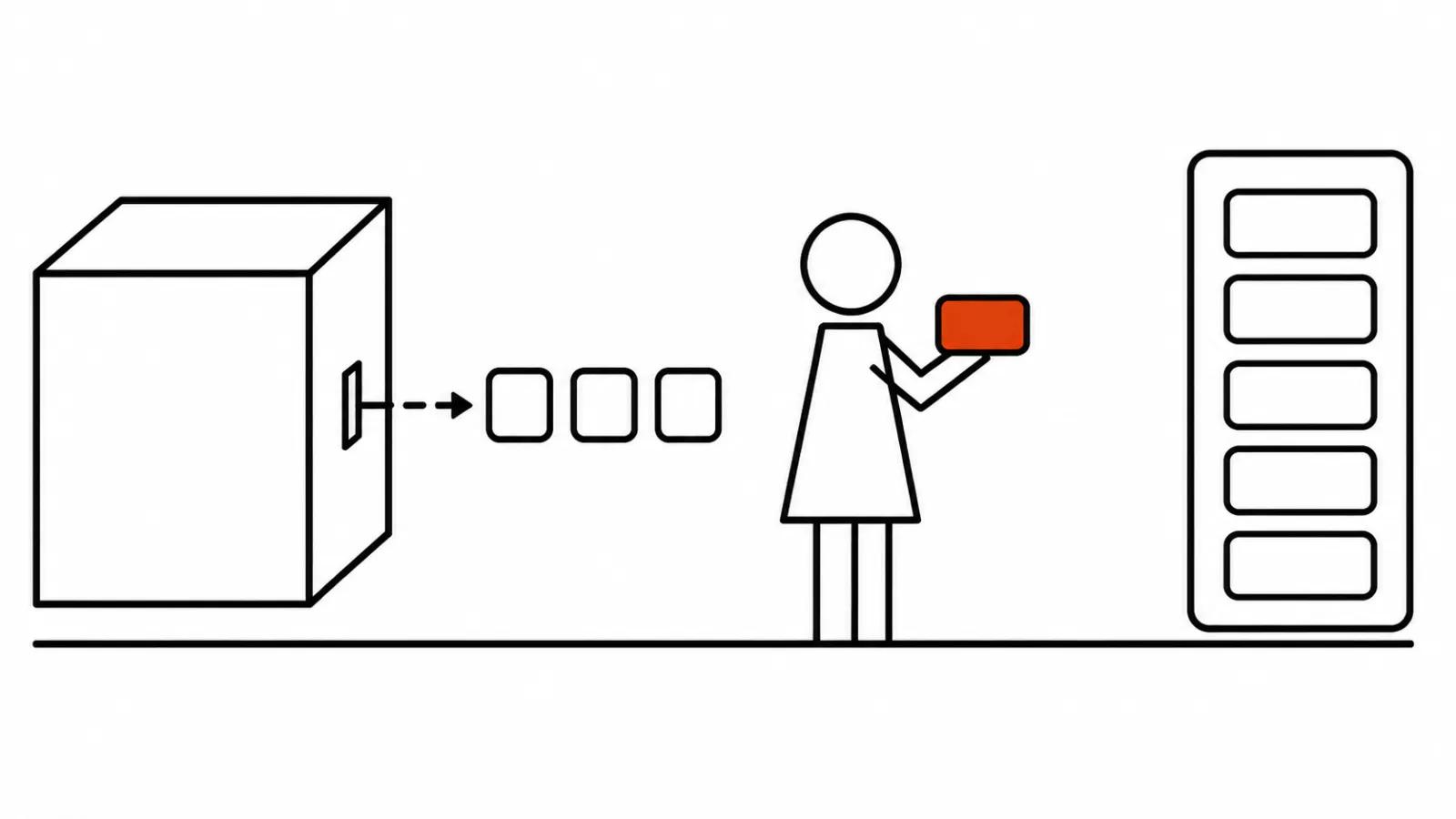
One more fact belongs here. Localisation goes through linguists and sound engineers. The vendor accepts that machine translation and machine voiceover do not reach air without a person who listens and reads.
Platform, in-house team or turnkey vendor
The three options in plain terms.
A platform fits a brand that already runs production and a marketing team willing to live inside someone else's interface daily. Enable and Supercharge then deliver speed and control over assets.
An in-house team fits a brand shipping many different spots: image films, performance, local versions. What matters is having someone who owns brand style and approves the frame; headcount comes second. Without that person any platform produces even, faceless spots.
A turnkey vendor fits a campaign that has a date and no internal hands. It costs more on the invoice and less in elapsed time: the brief goes out, approved versions come back.
A typical trap, and in effect the subject of the ElevenLabs post, is buying a platform with nobody assigned to run it. Licence purchased, access handed out, campaign never assembled.
Spot production: what changes when you order ads
For the person placing the order, the takeaway is practical. Ask about process: who writes the brief, who approves the frame, how many versions ship. The model name matters less in that conversation.
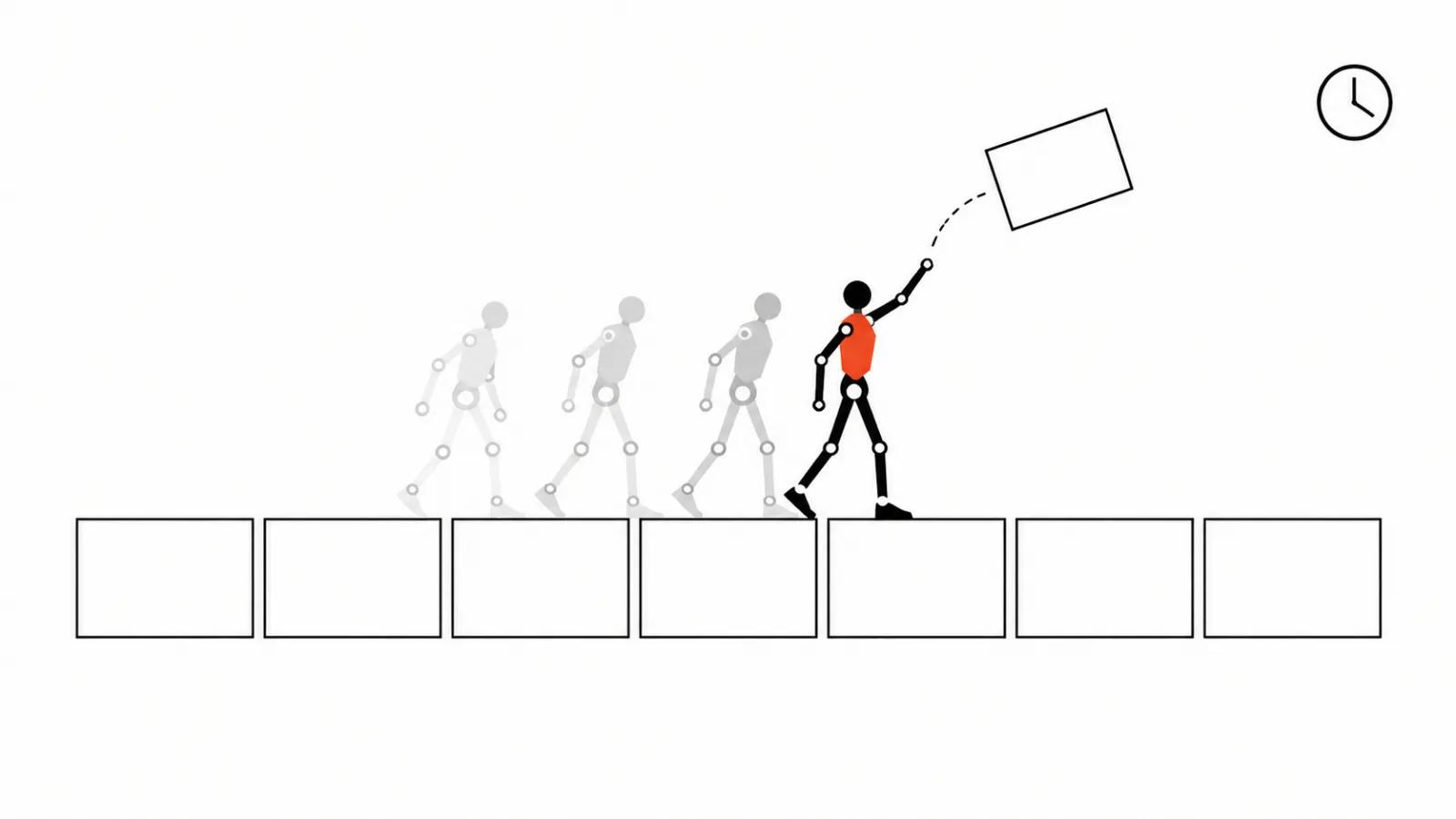
Volume work is its own discipline. Vertical ads live on variants, and one beautiful frame does less than a set of versions tested in separate markets. Our vertical ad stream runs up to $2.40 per 1000 views, and the price comes from a repeatable process; one lucky take does not explain it.
When a spot needs a person behind the frame, that is handcrafted AI videos from $190. Localisation gets settled there too, checked by humans, the same way ElevenLabs describes it.
The earlier step in advertising from this vendor got its own piece: ad translation with human review. That covered one stage. Now the vendor sells the whole process. Lip sync dubbing is covered separately as well, because it is its own technology with its own failure modes.
My conclusion
The news reads simply. A model vendor put people between the model and the brand. I see it as an honest admission of where the limit sits. Generation lowers the cost of a frame, and a campaign still gets assembled from a brief, a style, edits and approvals. That part of the work remains human.
For a brand it means more variants to manage, and the vendor relationships stay. A fourth path appeared: a platform with the vendor's own people inside. It is convenient, and it ties you to one supplier across three lines at once: generation, editing and localisation.
My advice before signing any of the three formats: take one real brief and ask for a pilot of ten versions. The pilot shows who approves the frame, how many iterations a version takes, and what happens to style in a second language. That conversation costs far less than an annual contract.