An AI ad from several scenes: what EveryCatch shipped
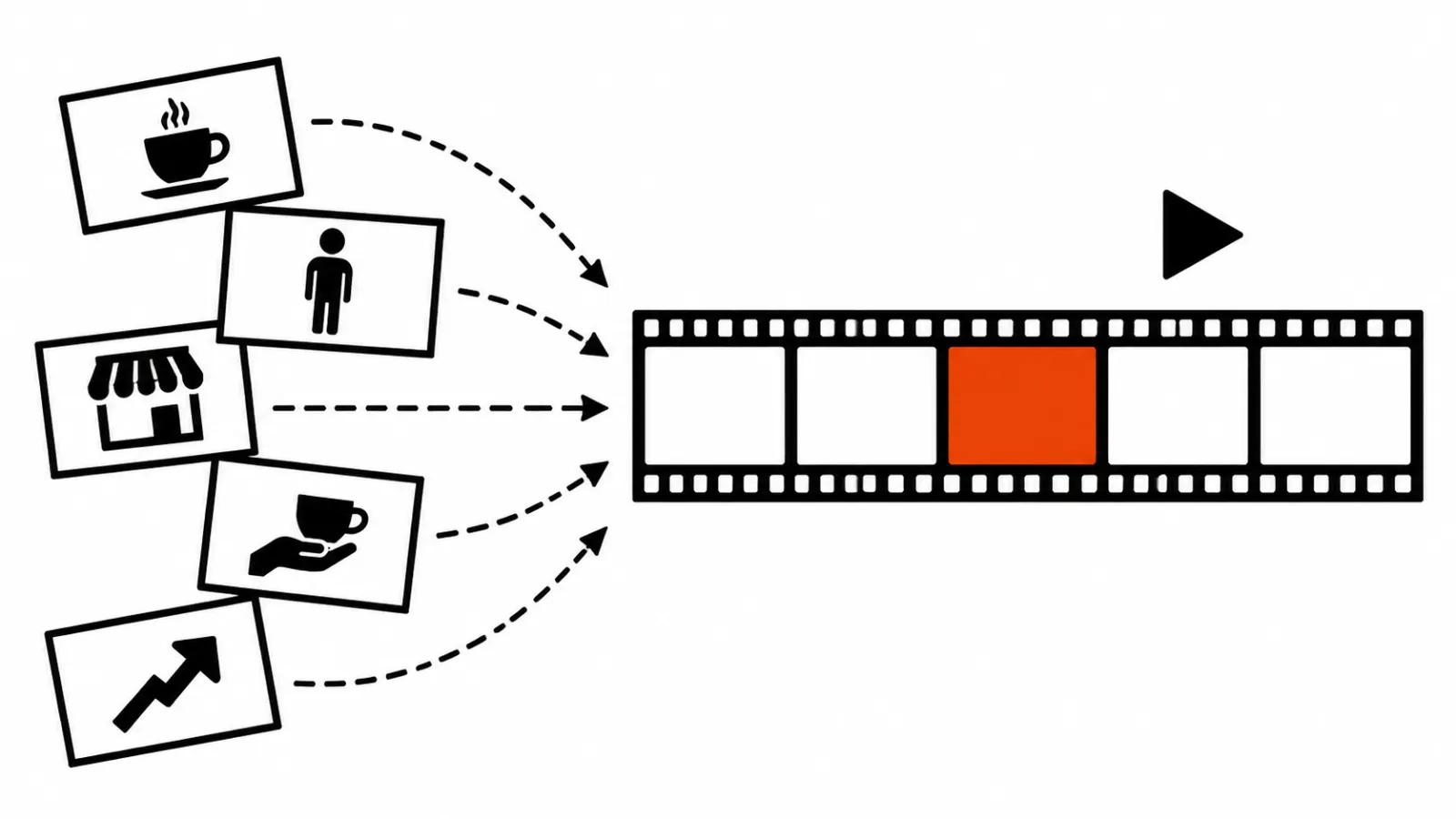
On 11 November 2026 the London based EveryCatch updated Managed Agents and added multi-shot film generation. You describe the film in words, the agent breaks it into scenes, generates each one and stitches the result into a single file. The ceiling is 2-8 shots and 60 seconds in total. The output is a finished film with an opening, a middle and an end card.
The launch post uses a sample prompt: "3-shot promotional film for my coffee shop…". A coffee shop, three scenes, a closing call to action. From there the company walks through what comes back.
Shots of 4, 6 and 8 seconds: inside the builder
Shot length is fixed at 4, 6 or 8 seconds. Frame options are 16:9 and 9:16, resolution is 720p. You can hand over your own stills as the first and the last frame of a shot, and the agent carries the motion between them.
Films with 5 or more shots render in the background, and the result lands in the chat or feeds an automation. Jobs start from a chat, on a schedule or from a trigger. In the builder's test runs, 5+ shot jobs did not work, which is worth remembering if you are planning a longer piece.
Billing runs per second for every generated shot. Which video models sit underneath, the company does not say, so there is no way to know in advance whose model is drawing the frame.
The brand board: what the agent takes off an editor
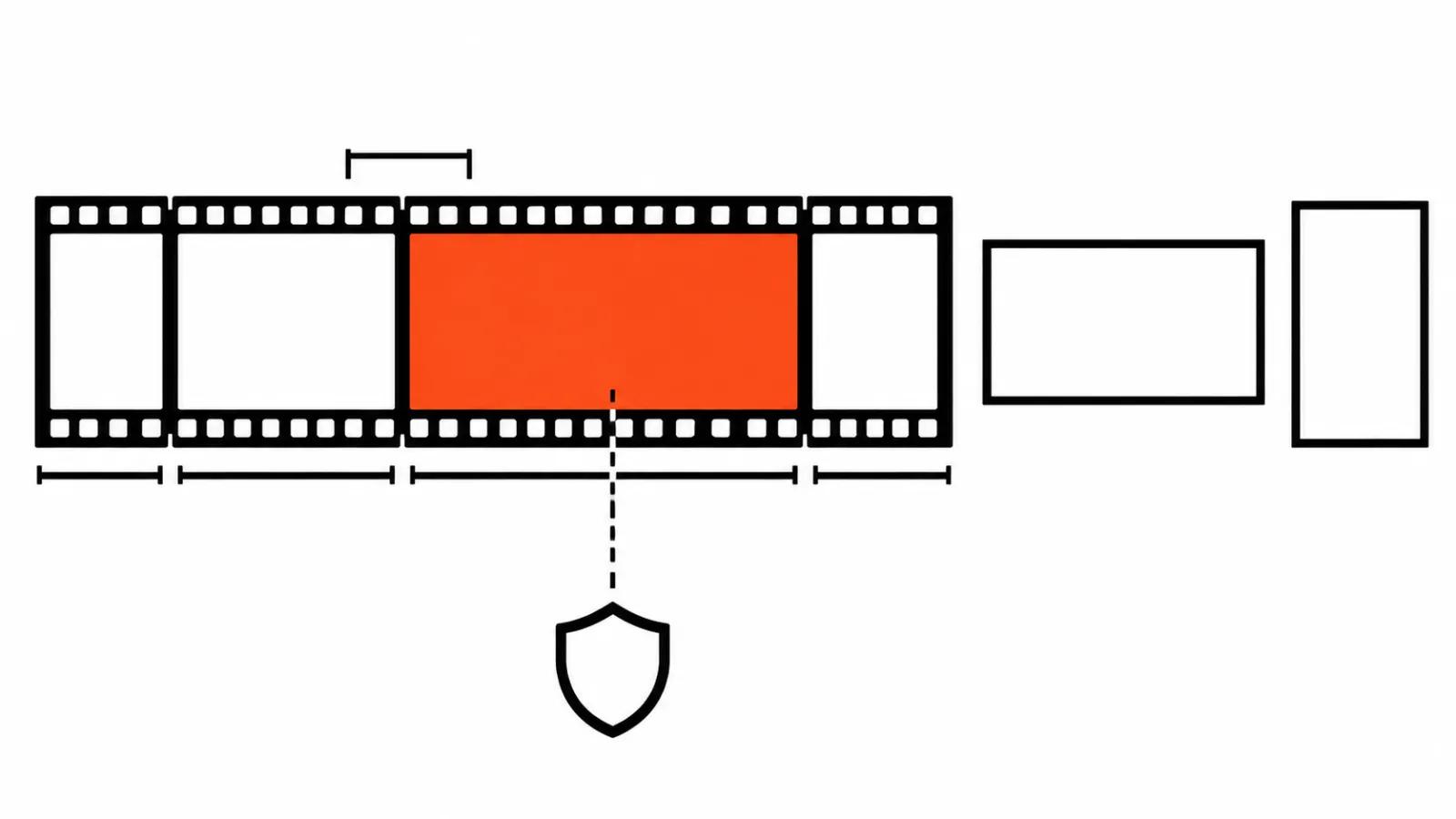
The second half of the announcement is packaging. A brand board feeds in colours, fonts and the logo automatically. Title cards, end cards and the call to action are produced in the brand's voice. Subtitles are burned onto the film. Loudness is matched between shots. Before delivery, automatic checks run for black frames, frozen scenes, silent shots and wrong duration.
Read the list and it is the evening every studio hates: build the titles, match the audio, confirm that not one shot arrived empty. None of that is craft, which is exactly why automation belongs there.
Where assembly ends and authorship starts
My position. The agent owns assembly and packaging. The idea, the choice of shots and the quality pass stay with a human.
The idea answers which frame sells. Casting shots is picking which scenes make the cut and in what order they hold attention. The quality pass is watching every shot with your eyes: the lead did not change jackets in scene three, the hands are intact, the print on the shirt is readable, the light falls from the same side. The agent decides none of that. It speeds up the execution of a decision already made, and that is an honest line between it and an editor.
Two reasons I would slow down: 720p and consistency
First, 720p. For a phone feed that is enough, since the platform squeezes the file anyway. For a client screening on a projector, for a screen in a venue, for broadcast it is thin. Upscaling will recover some detail, never all of it.
Second, consistency of characters, wardrobe and locations across scenes. The company says they hold. There are no examples in the post, so that is their word and there is nothing yet to check it against. My usual test for this kind of claim is dull: two consecutive shots, one lead, two backgrounds, then a comparison on pause. If the jacket and the haircut match, a series can be built on top.
Where it fits: version volume and repeat runs
9:16 and up to a minute is the ready-made grid most vertical ads follow: three or four scenes, an offer card, a closing frame with the call to action. For a set of versions the builder removes part of the grind, because one story can be run in different brand colours with a different ending and no manual assembly.
For volume, scheduling and triggers matter more: the film assembles itself before release with nobody at a laptop. For AI video production the new part is the deliverable: one edited file with titles and subtitles in place of a folder of clips.
The limits show up quickly in practice. Where a frame and a lead need tight control, AI video ads with a check on every shot are calmer to run. Where a single story needs many variants for testing, ad creative versions ship as a batch and one bad shot costs less.
My conclusion
The agent closes the edit and the packaging and leaves authorship alone. For a client that means the budget moves in two places: assembly gets cheaper, the quality pass stays.
On a first project I would do this. Three shots of four seconds with one lead, a check on pause, then one 30-40 second film with titles and audio. If the lead holds and the subtitles stay in place, the builder can go into a workflow. If not, manual editing stays, with a person owning every frame.