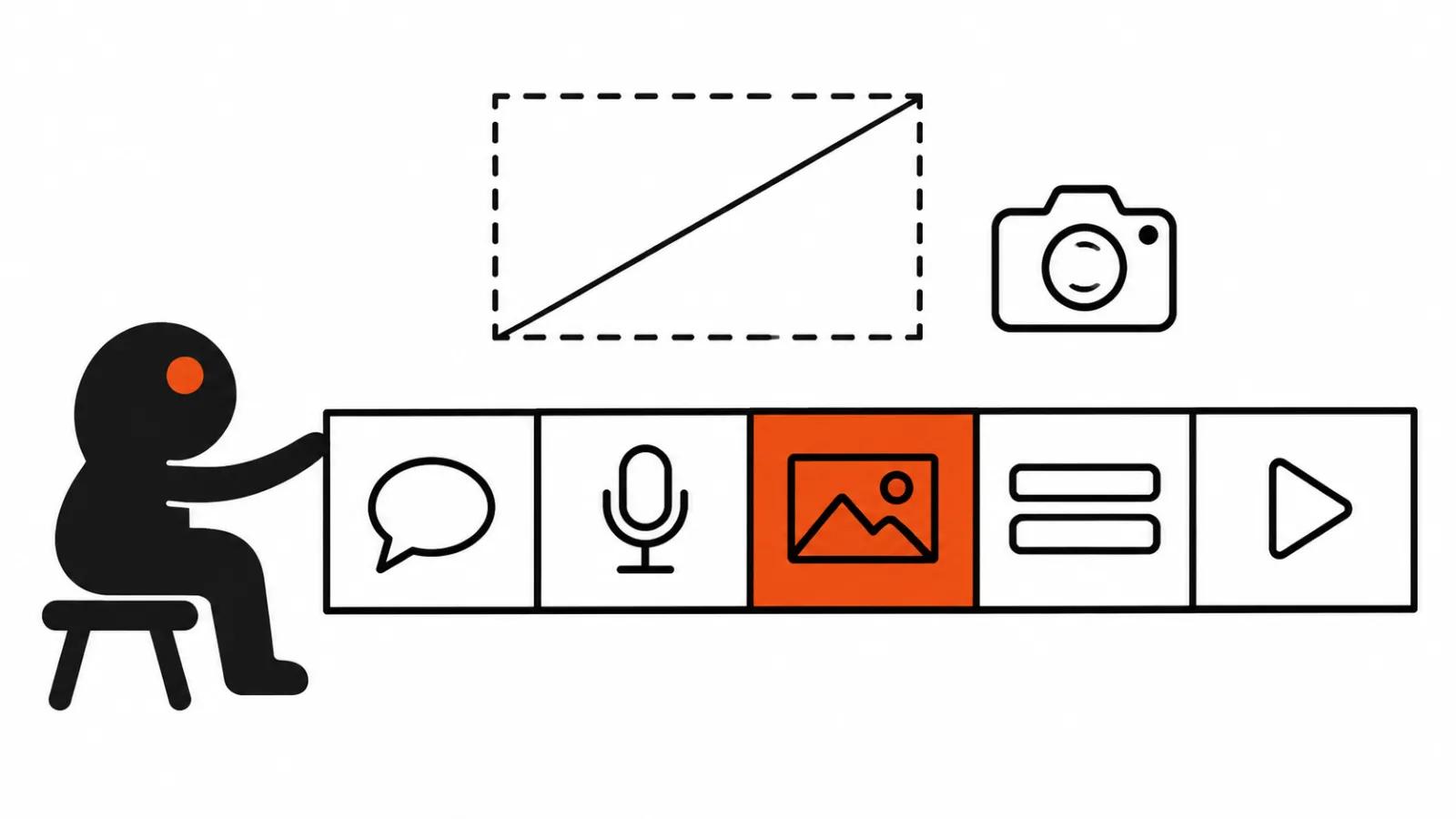
What a faceless YouTube channel looks like in 2026
The channel is built from stock footage, AI stills, screencasts, animation, a mascot and B-roll under narration. There is no host in frame, and viewers recognise the channel by the edit rhythm, the voice and a repeating graphic style.
It used to read as the cheap substitute for a shoot: a person with a camera costs more than a folder of pictures. That gap closed. Voice can be cloned or synthesised, visuals come from a video model, animation gets written in code, and a channel without a face stopped being a compromise.
My view is plain. A face helps retention while the channel rests on a personality. Once the channel rests on a subject, the face becomes optional, and people show up for the breakdown, the list or the news.
Video ideas that never need a face on camera
Five formats keep working year after year without a shoot.
Explainers. One question, an answer in steps, graphics and narration. They work where someone needs to understand a mechanism: how a service behaves, what order to do things in, why a common move fails.
Lists. Five reasons, seven mistakes, ten tools. The structure holds attention on its own, and production narrows to picking shots for each item.
Niche news. A short episode on a narrow beat that general outlets skip. Frequency is the whole game here, and frequency is what kills channels that insist on doing everything by hand.
A story told by a mascot. A recurring character carries the series, and recognition moves from the author's face to the character. A mascot costs less than a realistic host and forgives stylisation.
Code-animation shorts. Animation assembled in code, so revisions cost time and never a render farm.
Pick the format for the niche. Where trust in a specific person is the product, medicine or legal advice for instance, a missing face makes the job harder. Where a fact or a number does the work, a face in frame usually gets in the way.
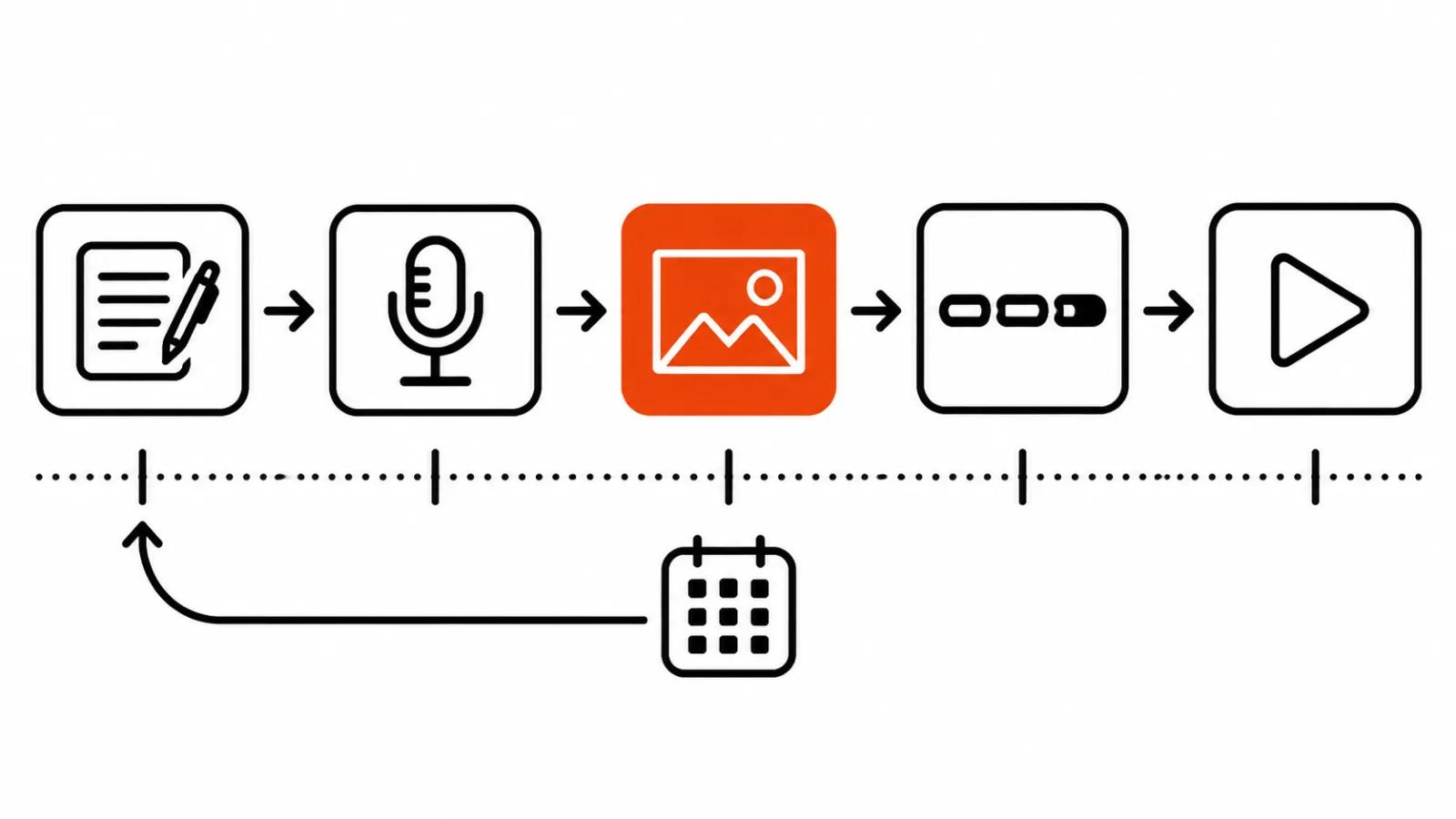
The production chain: script, voice, visuals, captions, thumbnail
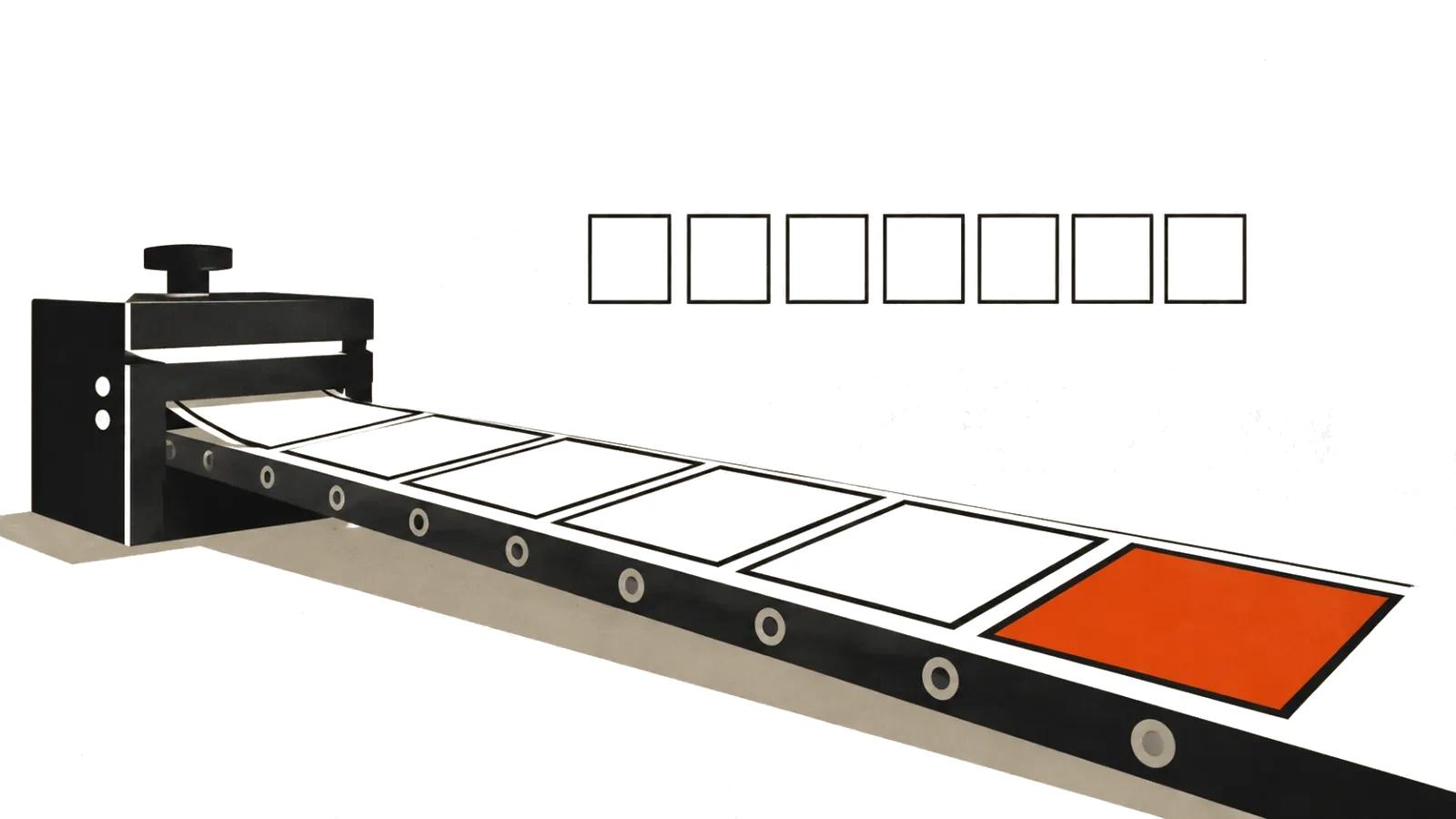
The order of steps settled in 2026, and that order decides where hours get saved.
The script is written for the voice: short sentences, one idea per paragraph, full stops where a pause belongs. Half the final quality is decided here, since everything downstream answers to the text.
Voice. A clone of your own voice or synthesis. A clone suits a series, synthesis is faster for a test. Listen to both on the same passage before committing, because misplaced stress is audible at once.
Visuals. A video model, generated stills or code animation. A mascot needs reference sheets, an explainer gets by with graphics and diagrams.
Captions. Automatic timing from the audio, then a manual pass on names and numbers. Automation is reliably wrong on proper nouns and figures.
Thumbnail. Last in time and first in importance: the thumbnail buys the click, and the video earns the watch time.
Running a YouTube channel: series beat charisma
A faceless channel works when the niche and the series are stronger than a personality. Twenty episodes cut to one template give you predictable production and a rhythm people recognise, while one-off videos with a beautiful look sink in the feed.
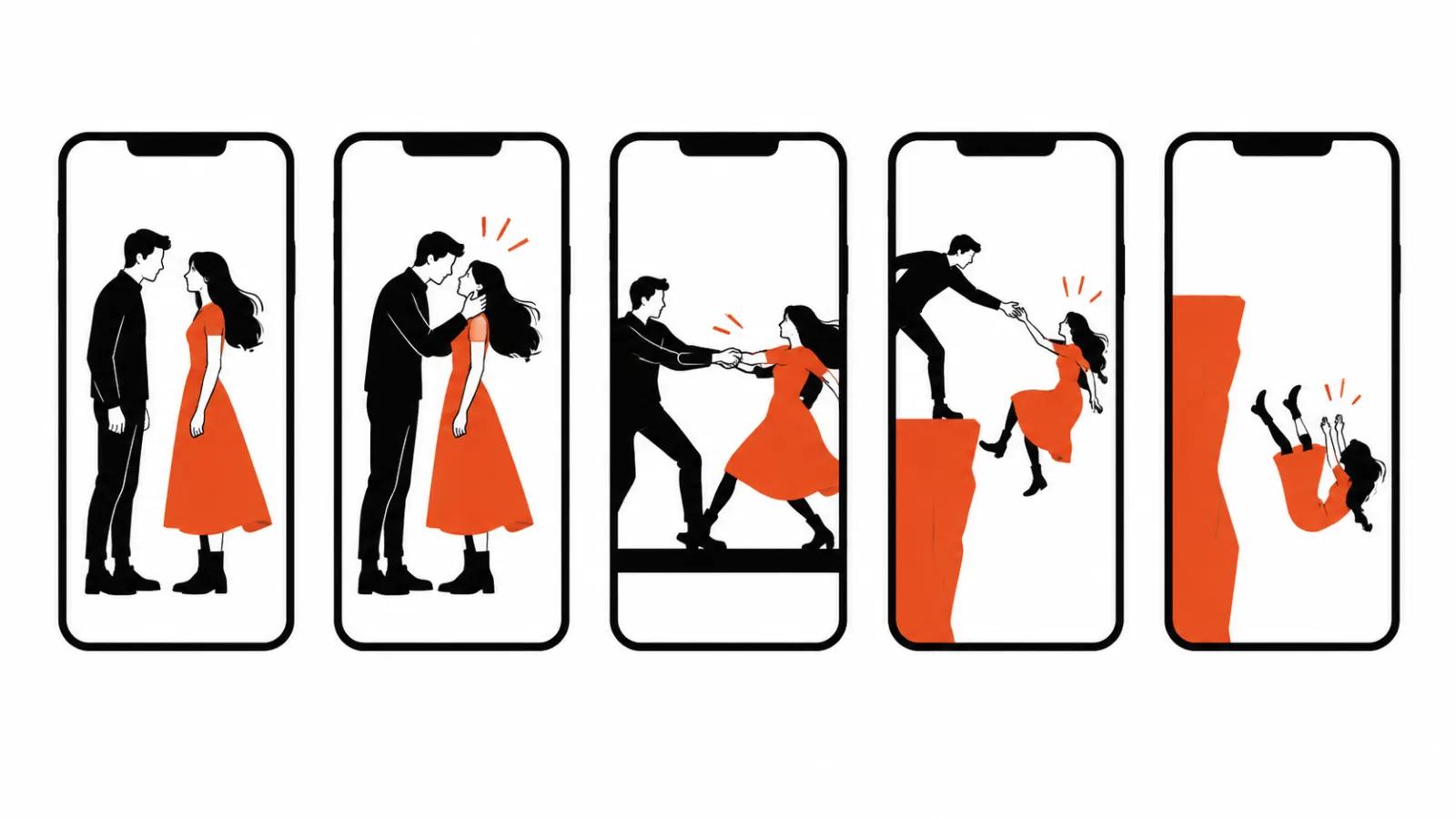
So the practical call is this: start with a mascot and short episodes, cheaper than pushing a realistic host out every week. A realistic host needs light, expressions, retakes and regenerations, and one bad frame drags a whole scene back into the queue.
There is an attention argument too. A channel lives on regularity, and a subscriber returns at the usual time for the next episode. A chain that ships an episode in a day keeps the schedule, while the pursuit of a perfect shoot breaks it in week three.
Running a YouTube channel with us starts at $200 per month, and that covers exactly the rhythm: scripts, voice, assembly, thumbnails.
Risks: reused content, AI labels, character drift
The first risk sits in YouTube's rules on reused and inauthentic content. A channel stitched from someone else's clips without real transformation falls under them, and view counts offer no protection. The working rule is simple: every video carries its own script, its own assembly and its own edit logic.
The second risk is labelling AI where a platform requires it. Wording and the list of platforms differ by country, so check the current version on the platform's own site before a series launches. A year-old post from someone's feed is a poor source. We went through the requirements in our piece on AI content labeling rules, with the platform list and a checking routine.
The third risk is character drift. A mascot or avatar shifts proportions, colour and small marks between episodes until viewers stop recognising the hero. Reference sheets and a character sheet fix most of it, and the check belongs on every episode, since one pilot proves little.
The fourth risk is dull and the most common: the topic was picked to fit the format. The chain works, the channel stays flat, and the search for the fault goes into the visuals instead of the niche.
What a video costs
Three lines cover most of it.
Producing one video: script, voice, visuals, edit, thumbnail. The price moves with animation complexity and with how many shots come out of generation.
View volume: up to $2.40 per 1000 views when you need reach across many episodes.
A real person on camera: handcrafted videos from $190 when the topic calls for a face, an interview or a shoot on location.
I will not promise revenue and will not quote an RPM. YouTube advertising depends on the niche, the country and the season, and any number for a specific channel here would be invented.
My take
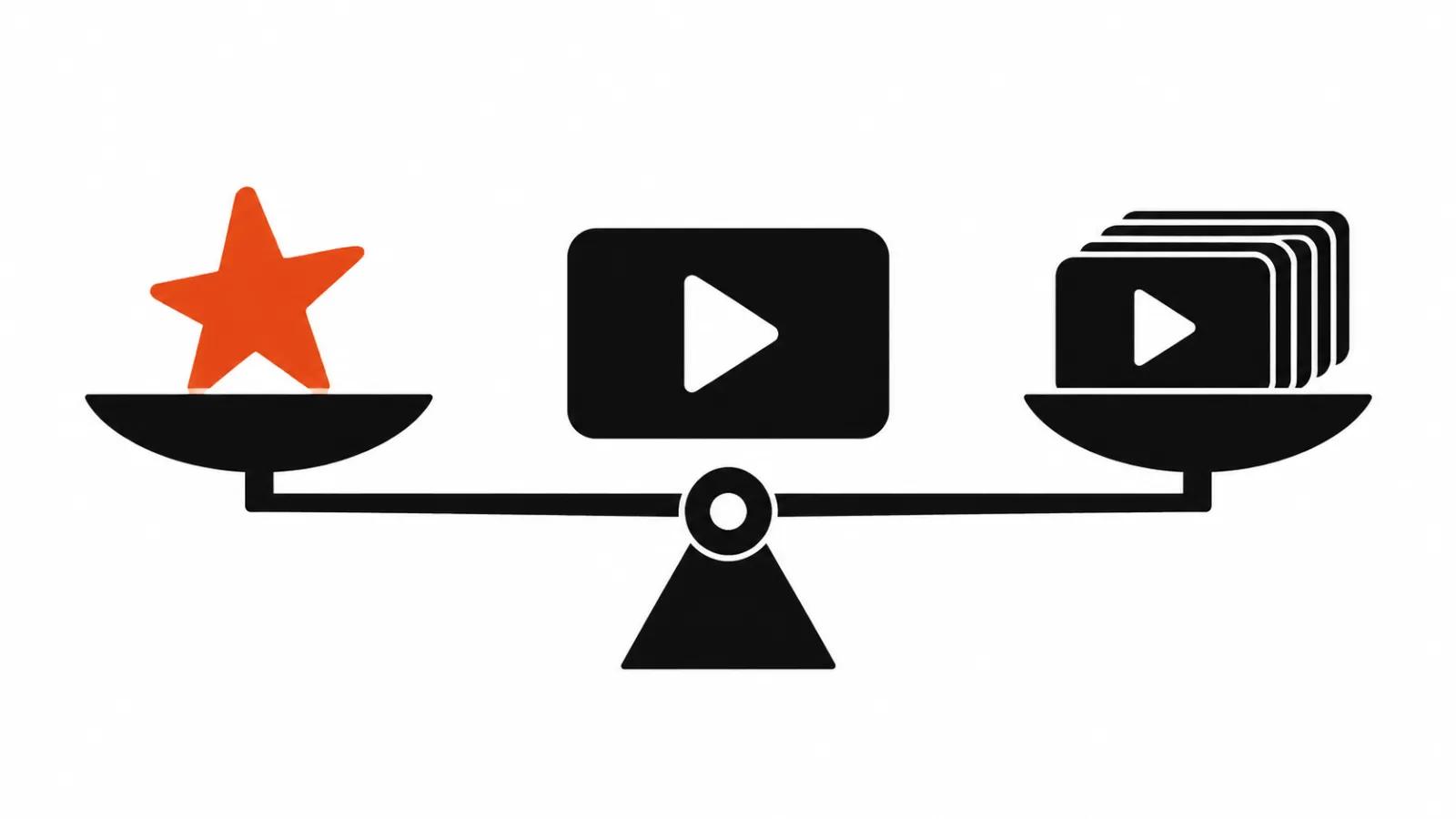
Faceless wins where the subject is stronger than the personality. If the niche is narrow, demand is steady and episodes can run as a line, the missing face costs nothing.
Start with a mascot and five episodes. Five shows whether the template holds, whether the topics last and whether the character stays put. After that, investing in AI video production properly and planning a quarter ahead makes sense.
One more thing. A faceless channel is production with discipline: subject, series, template, a check against platform rules. Treated as an assembly line, it returns a predictable result. Treated as a button, it returns twenty random videos.