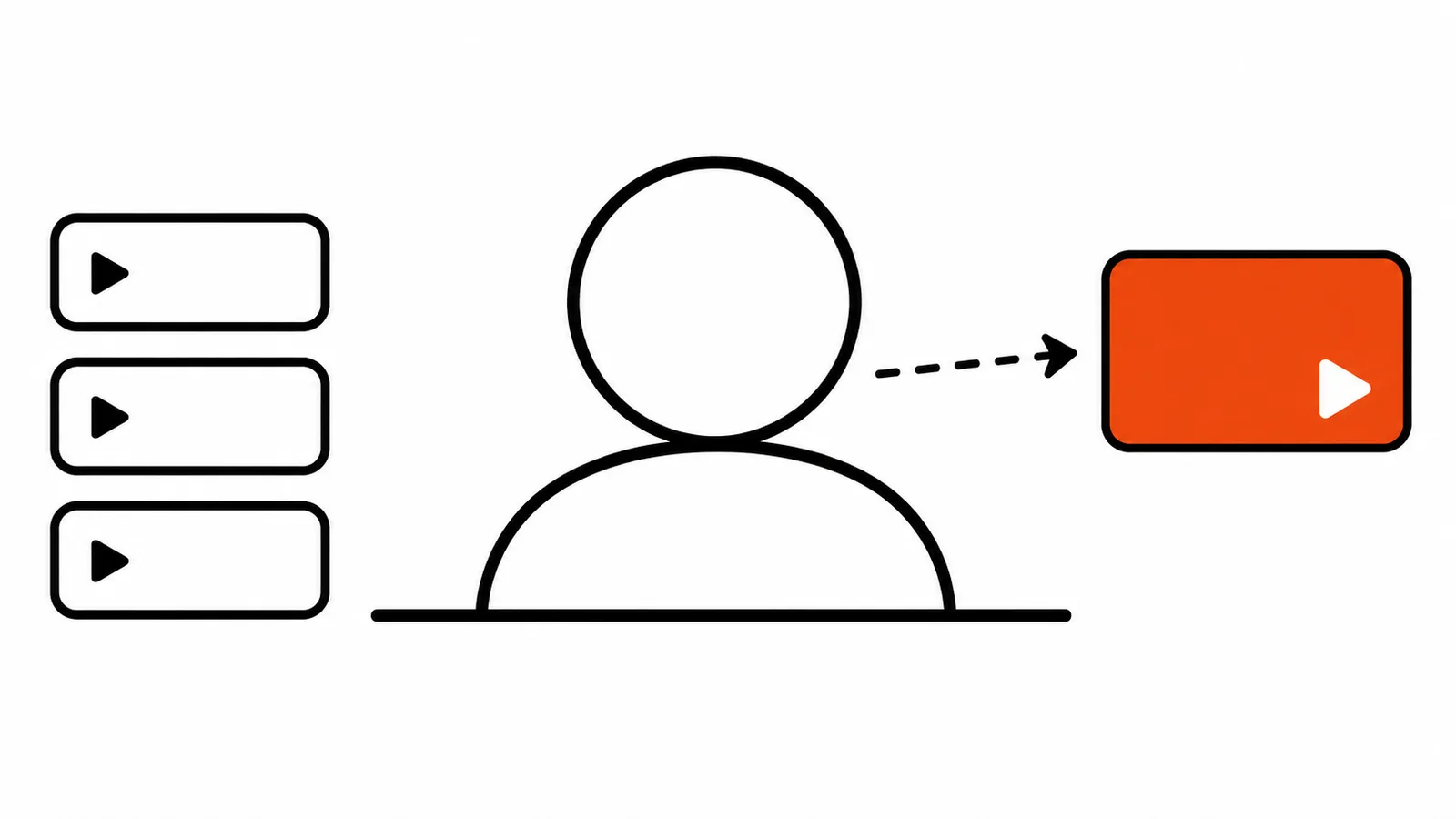
What launched: a channel where an AI avatar answers
The @hey_garyvee channel started on 24 November 2026 on Instagram and TikTok. The format is daily: the avatar answers one audience question a day, and the whole run is planned for 365 days. The first answer had not gone out when the story was published, so there is nothing to judge yet beyond the announcement, the platforms and the participation terms.
What a talking avatar is in general gets its own piece in the guide to AI avatar video. The more useful question here is how this channel differs from a chatbot with a face on screen.
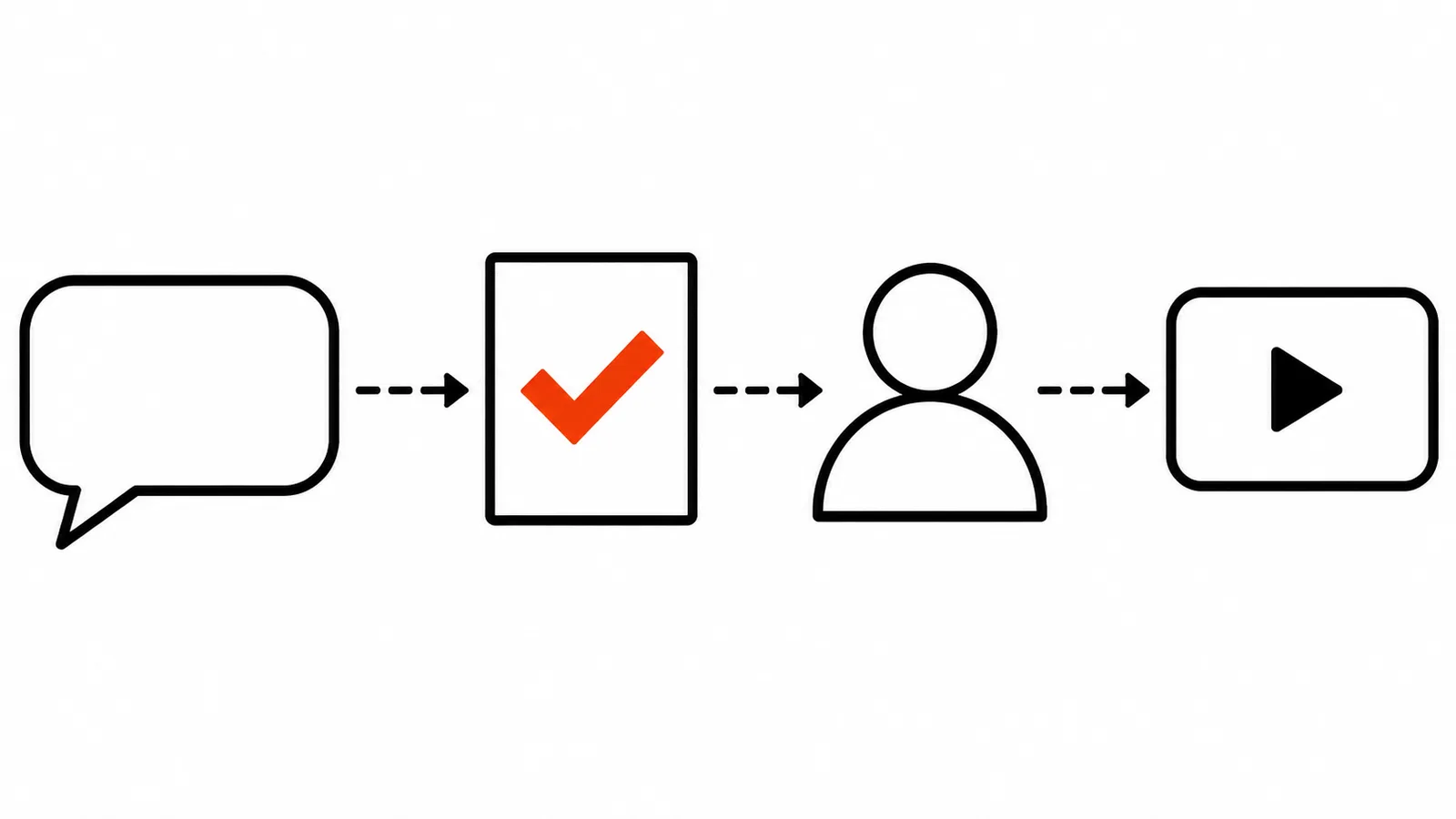
The difference sits where the decision happens. In a chat, a viewer writes a question and gets an answer right away, live, with nobody checking the wording before it lands. On @hey_garyvee there is a production step between question and publication: topic selection, script, approval, render, and a label saying the clip is AI. The answer arrives as a finished video in the feed and stays there like any other post, while a chat reply reaches one person and is gone.
An AI video with a voice: the cycle behind a single answer
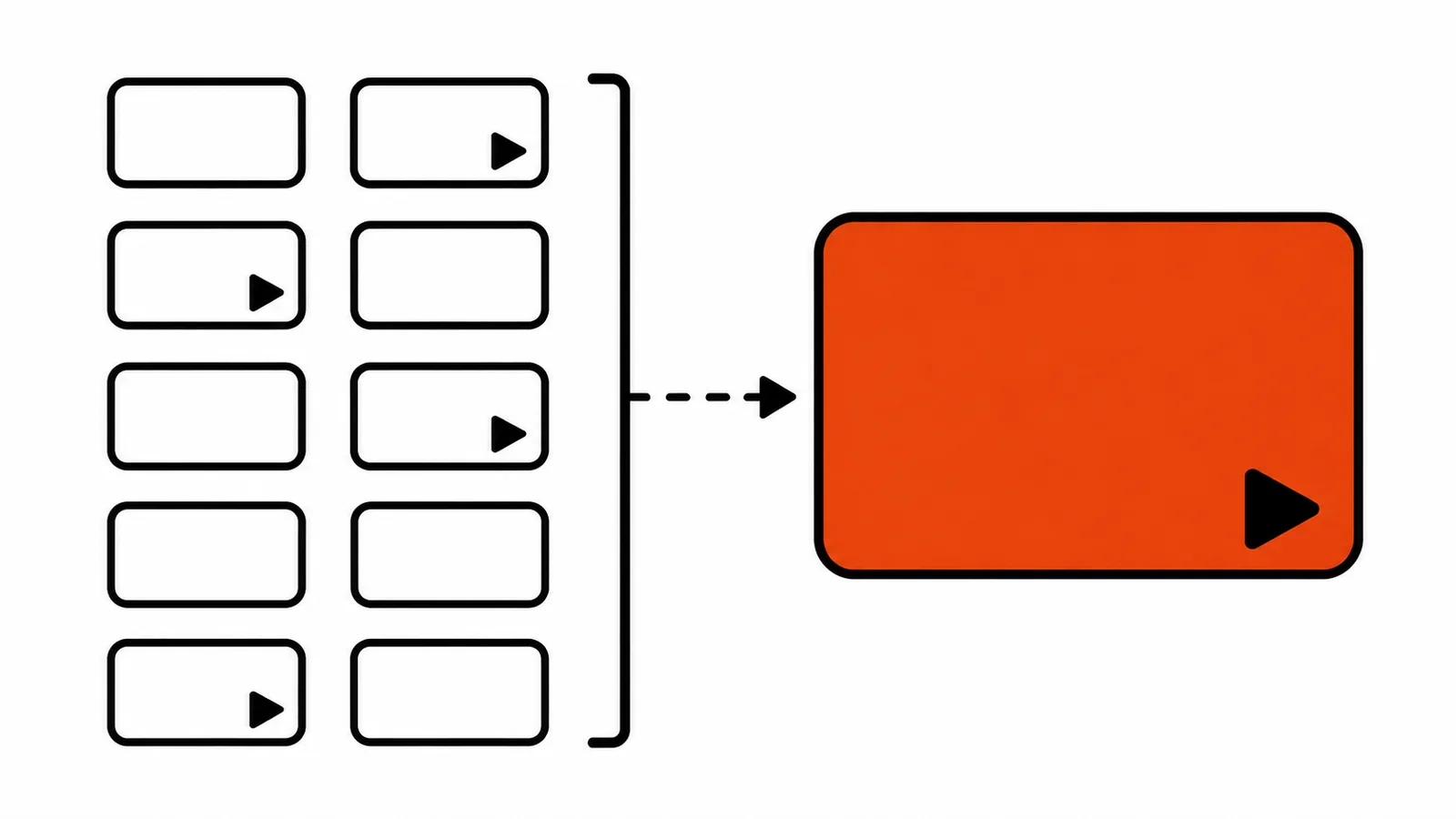
The cycle starts with a comment. A viewer writes a question under any post in the campaign, and then selection takes over. The team picks topics about business, content, career and mindset, and the rest go unanswered: a comment does not guarantee an episode. The format description says each answer is tied to the situation and the market of one specific person, so a question about local practice gets an answer adjusted for that market.
Step two is the script. The team writes it and approves every episode. The avatar reads an approved script and adds nothing of its own.
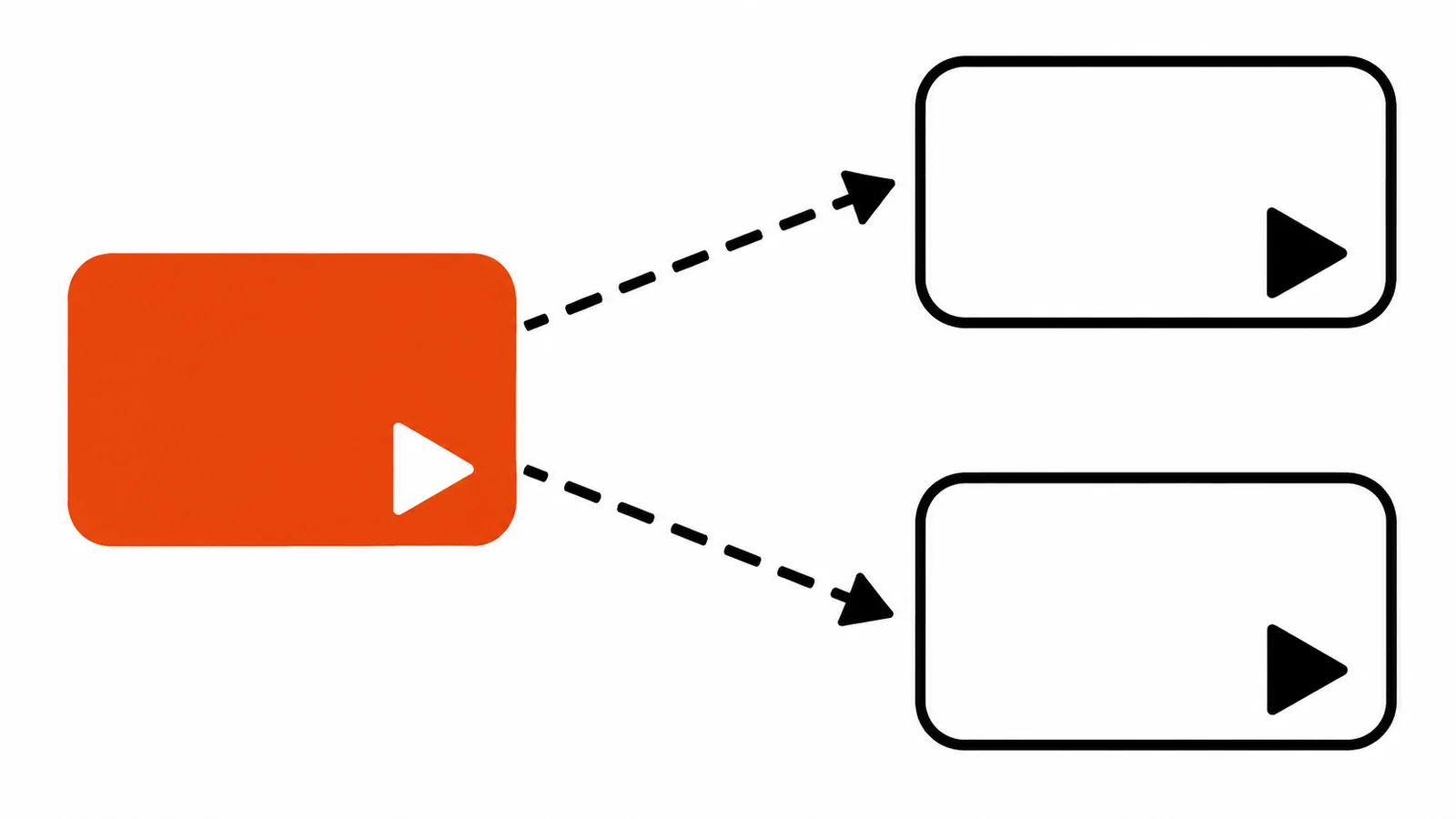
Step three is language. An answer can come out in the language it was asked in. That detail matters for a channel of this size: one avatar serves an audience across countries, and nobody re-shoots the piece per language.
Step four is the label. Every clip is marked as AI. Step five is publication to both platforms at once, Instagram and TikTok.
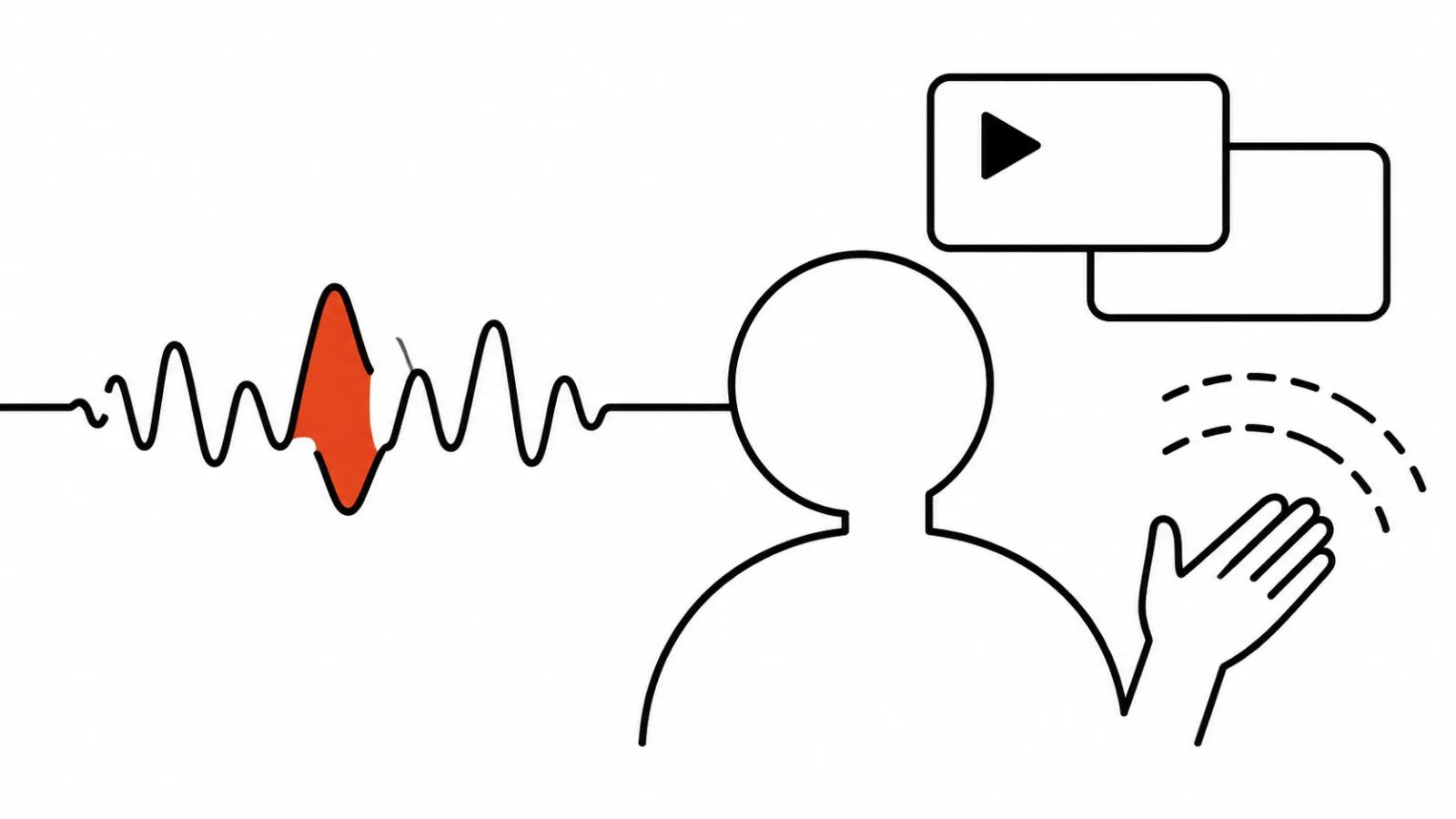
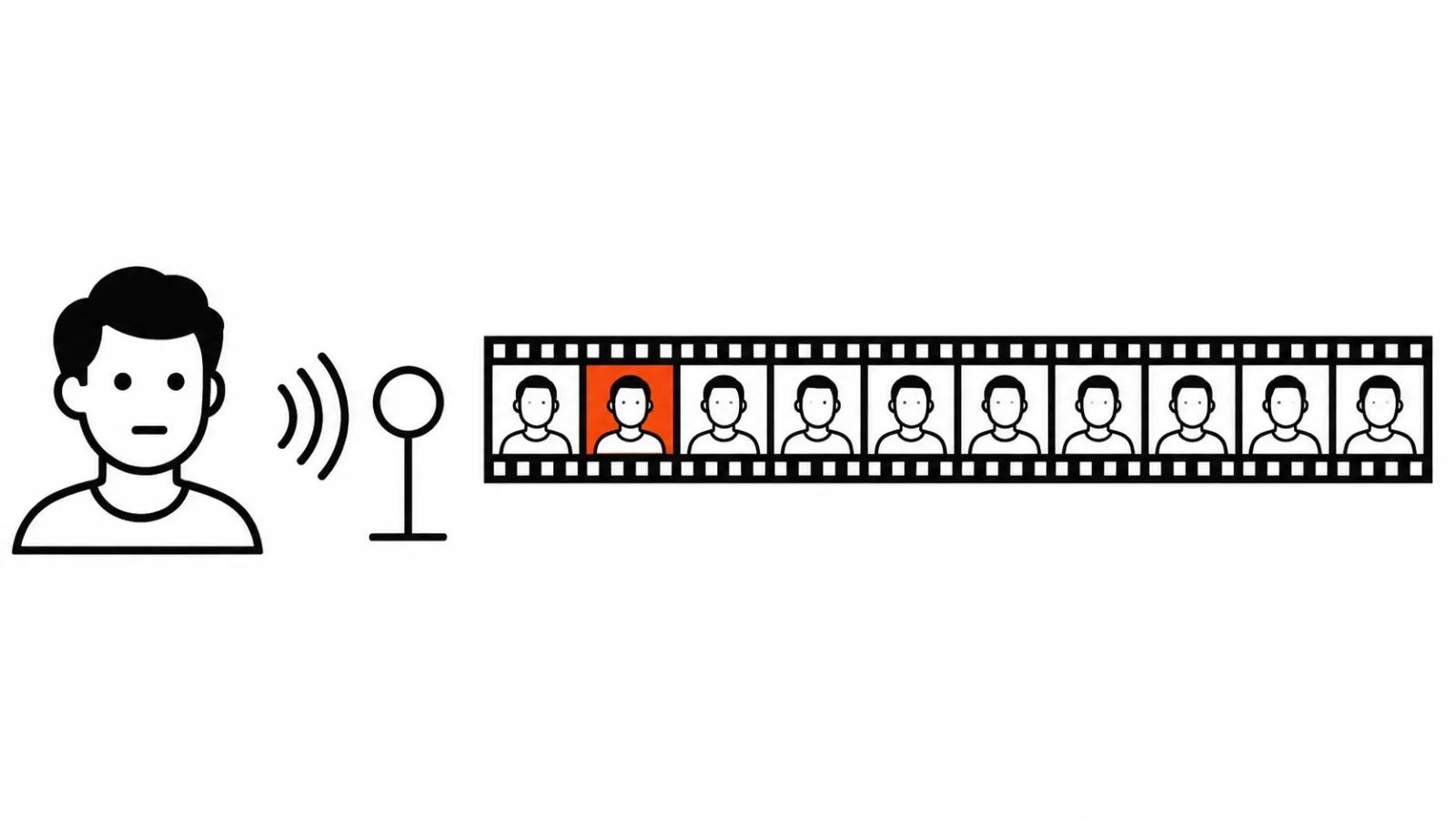
The avatar itself was built from filmed footage of Gary Vaynerchuk, with the brief of reproducing his looks, his voice and his delivery. What Avatar 6 does and how it drives gestures from audio is covered in a separate piece on Avatar 6. The relevant point here is that the source is footage of a real person, which is what separates this from a project built around a drawn character.
Why a person approves every script
A daily format across 365 episodes means 365 decisions in a row, and the cost of a bad one does not shrink with time. Advice about business or a career arrives in the voice of a person the audience knows by name, so the wording goes through whoever is accountable for the meaning.
The second reason is control. When the script is written and checked before the render, a fix costs one rewritten paragraph. When a model improvises, the questionable line gets noticed in the comments.
The third reason is personalisation. Each answer is tied to one person's situation, and a canned line shows up immediately in a series like this: a viewer compares their episode with the one next to it and hears the same words. An approved script keeps the level of detail steady without leaving the wording to generation.
An AI influencer with a founder's face: what it means for a brand channel
For a brand, the production model matters more than the avatar. A channel planned 365 episodes ahead means the schedule is written for a year, while a single episode fits a short loop: question, script, approval, render, publish. The same loop works for a customer-question series, for breaking down incoming requests, and for a channel where a founder answers comments under posts.
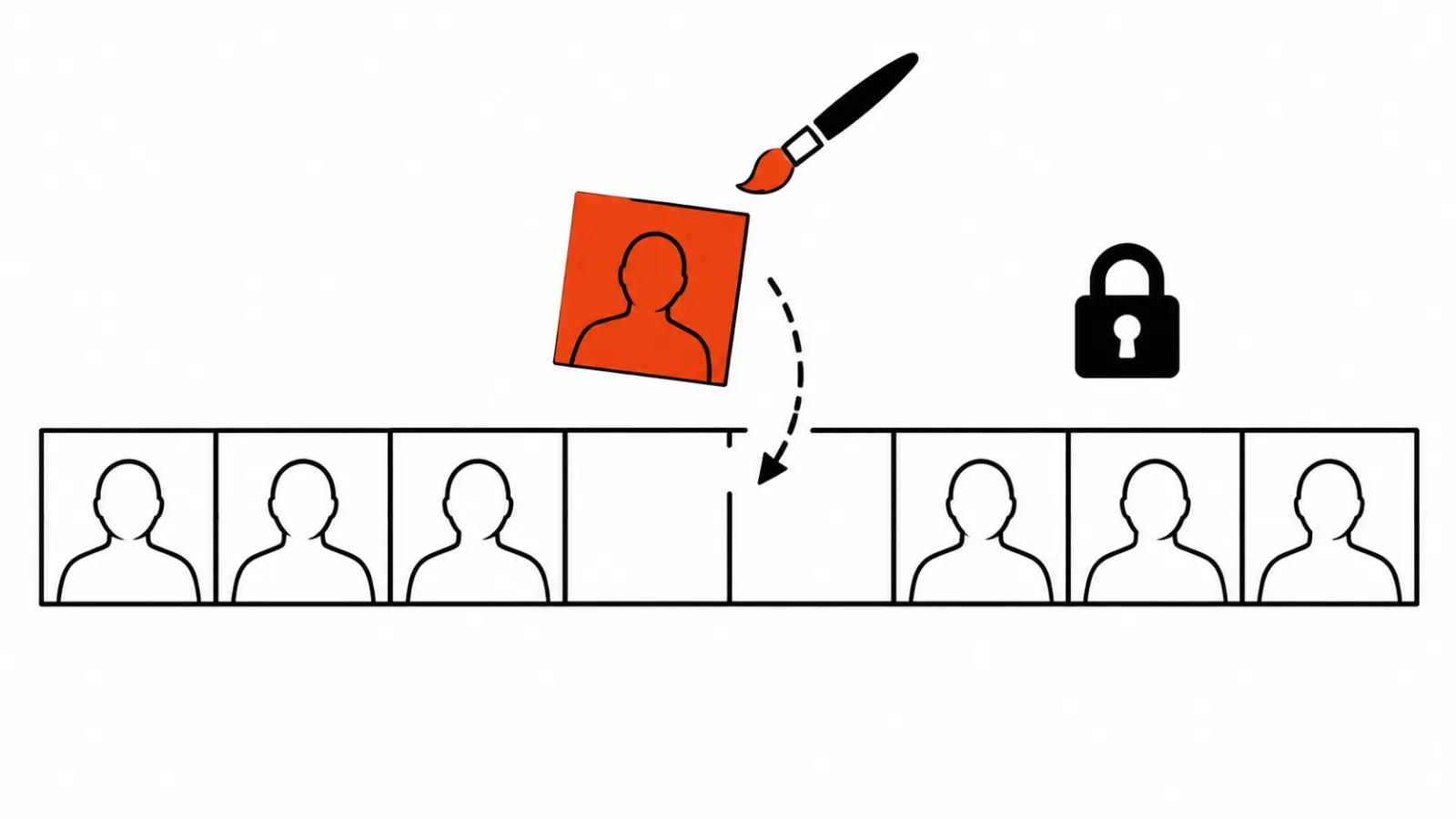
The second point is rights. A comment under a campaign post gives HeyGen and Gary Vaynerchuk the right to publish the answers worldwide without payment. That is a participation term and it is stated plainly: a person pays for an answer with their question and with the right to publish it. A brand channel on an avatar needs a matching clause in its consent for handling customer requests, written before launch.
The third point is honesty about the format. The channel labels itself as AI on every clip. For an audience, that removes the question of why a person sounds exactly the same for a full year.
One more thing worth keeping in mind. @hey_garyvee is promotion for a HeyGen product in the shape of an author channel, so some choices follow the platform's interests, with audience convenience coming after them.
If a brand wants this format, an AI avatar video for a brand channel is built around one specific series: episode script, voice, script approval and labelling. Handcrafted videos start from $190, an AI-run YouTube channel from $200 per month, and short-form video at scale runs up to $2.40 per 1000 views. Custom AI video production follows the same rule: the script gets approved before generation, and the render comes after that approval.
What to ask a vendor
The list is short, and every item closes one specific risk.
The answers to those six usually show whether a channel will last a year or stop at week ten.
- Who writes the script, and who approves it before the render.
- What footage the avatar was built from, and whether there is written consent for the likeness and the voice.
- How the clip is labelled as AI, and whether the label lands in the post description as well as in the frame.
- How many languages the avatar speaks, and who checks pronunciation in each of them.
- Who holds the rights to a viewer's question once it becomes an episode, and what the terms say about it.
- Who owns the meaning at episode three hundred, three months into the run.
What the launch report leaves open
The source for this piece is the Unite AI story published on 24 November 2026. It gives no subscriber count, no view numbers and no production cost per episode, so none of those numbers appear here. The format is announced, the first clip had not been published on the story date, and any judgement of quality has to wait for the first episodes.
The second open question is selection. The rules say the team picks the topics, and they do not say by what standard. For a brand that means a similar series needs a written process first: who takes a question into work, how many days an answer takes, and what happens to the people who never get one.