What HeyGen shipped, and why the 30-second window matters
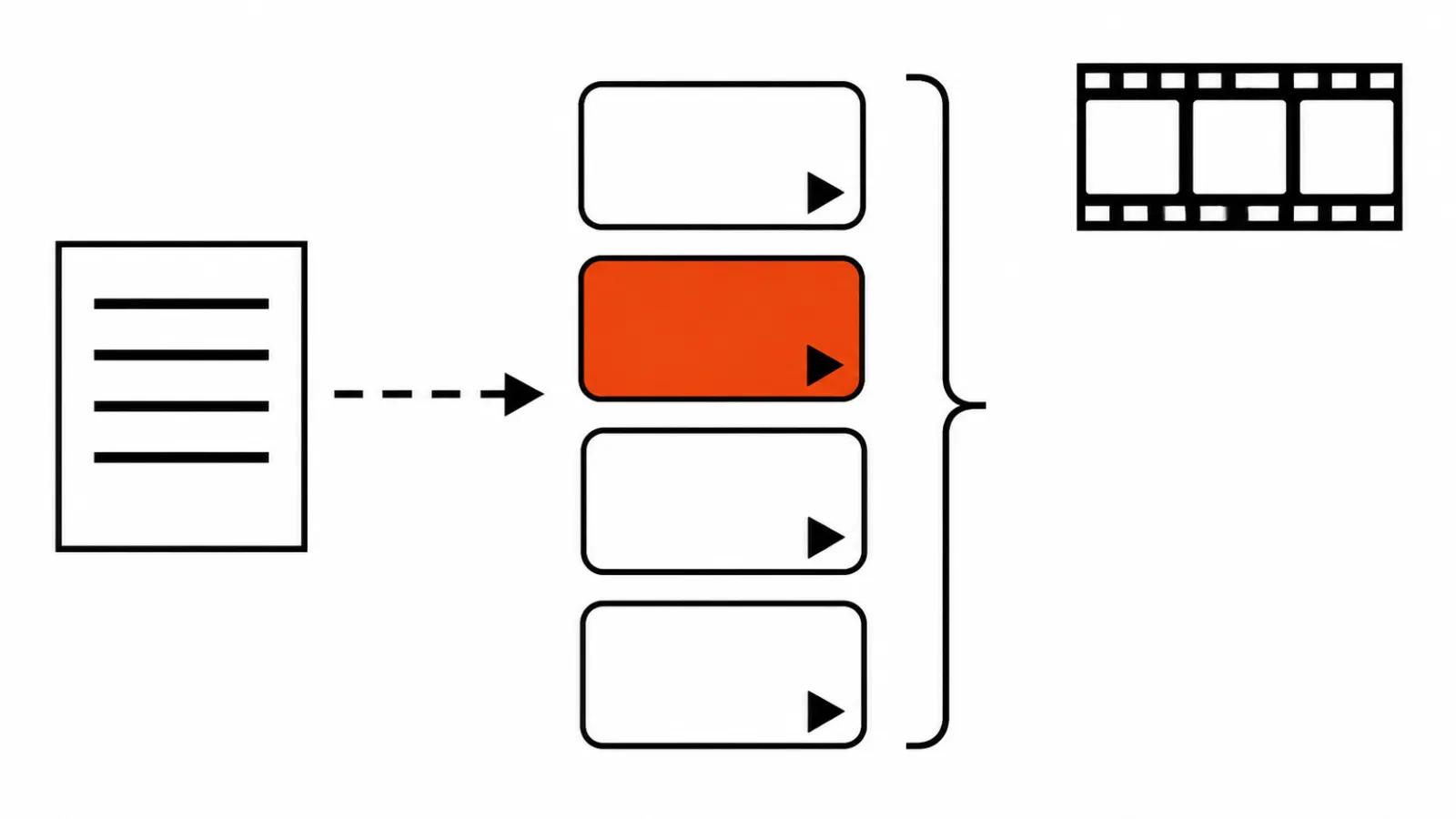
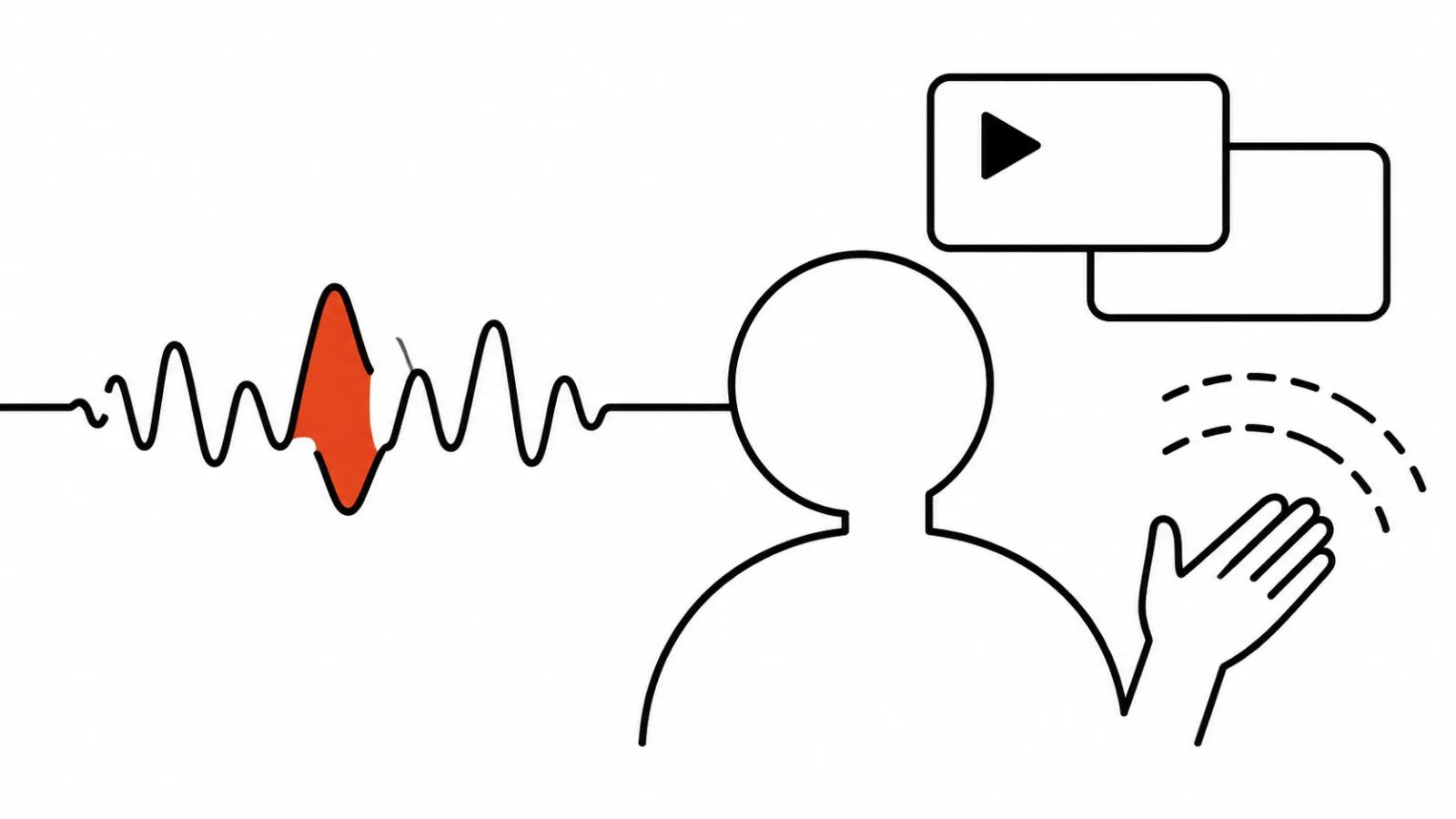
Avatar 6 came out on 17 November, announced on PR Newswire at 12:07 ET. HeyGen describes it as the smartest avatar model in its line. The change sits in what drives the model: it reads the script and the intonation, and builds gestures and facial expression around the speech. The problem it targets is familiar to anyone who has watched a talking head for three minutes, and HeyGen calls repetitive motion a long-standing limit of avatars.
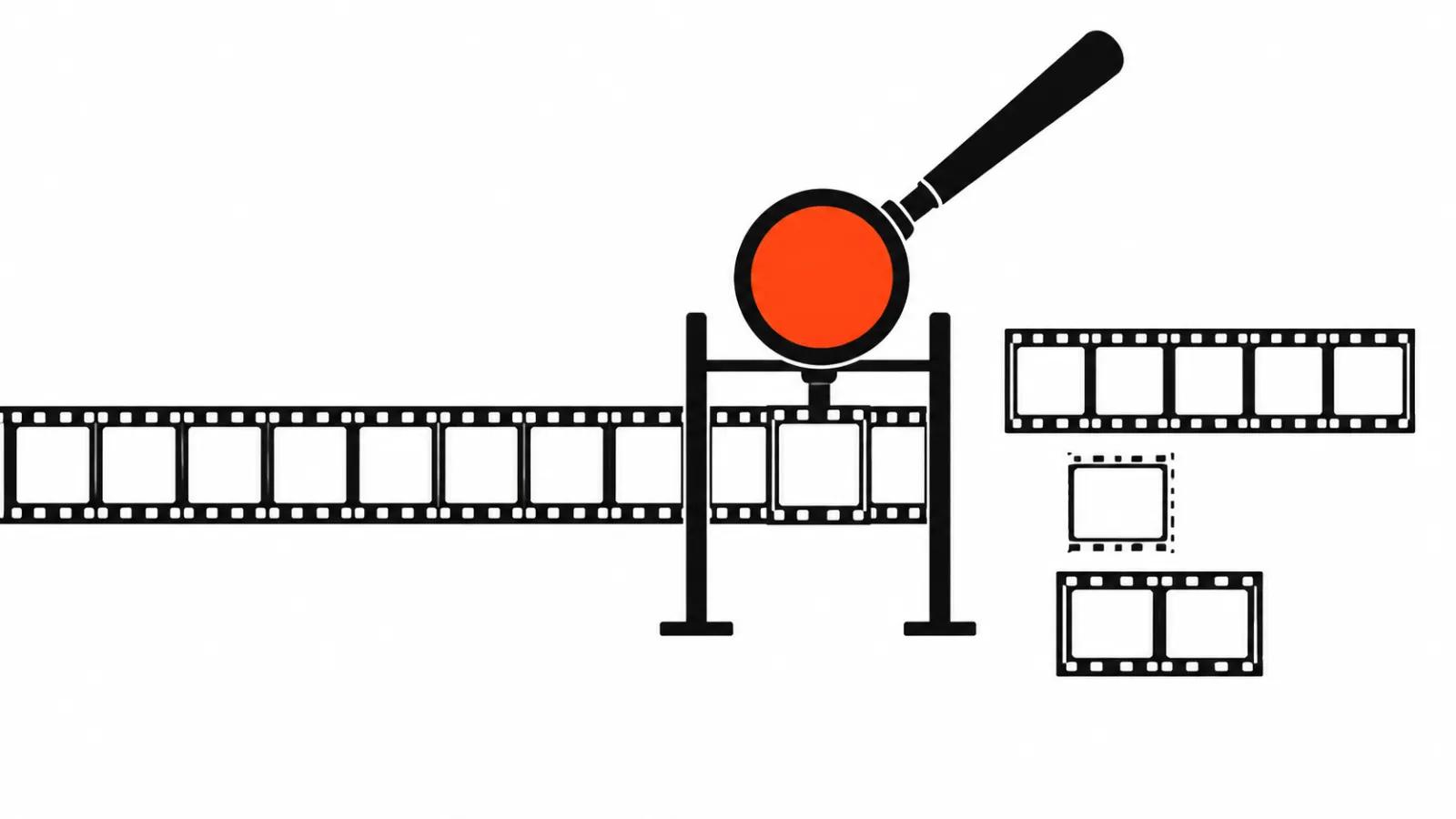
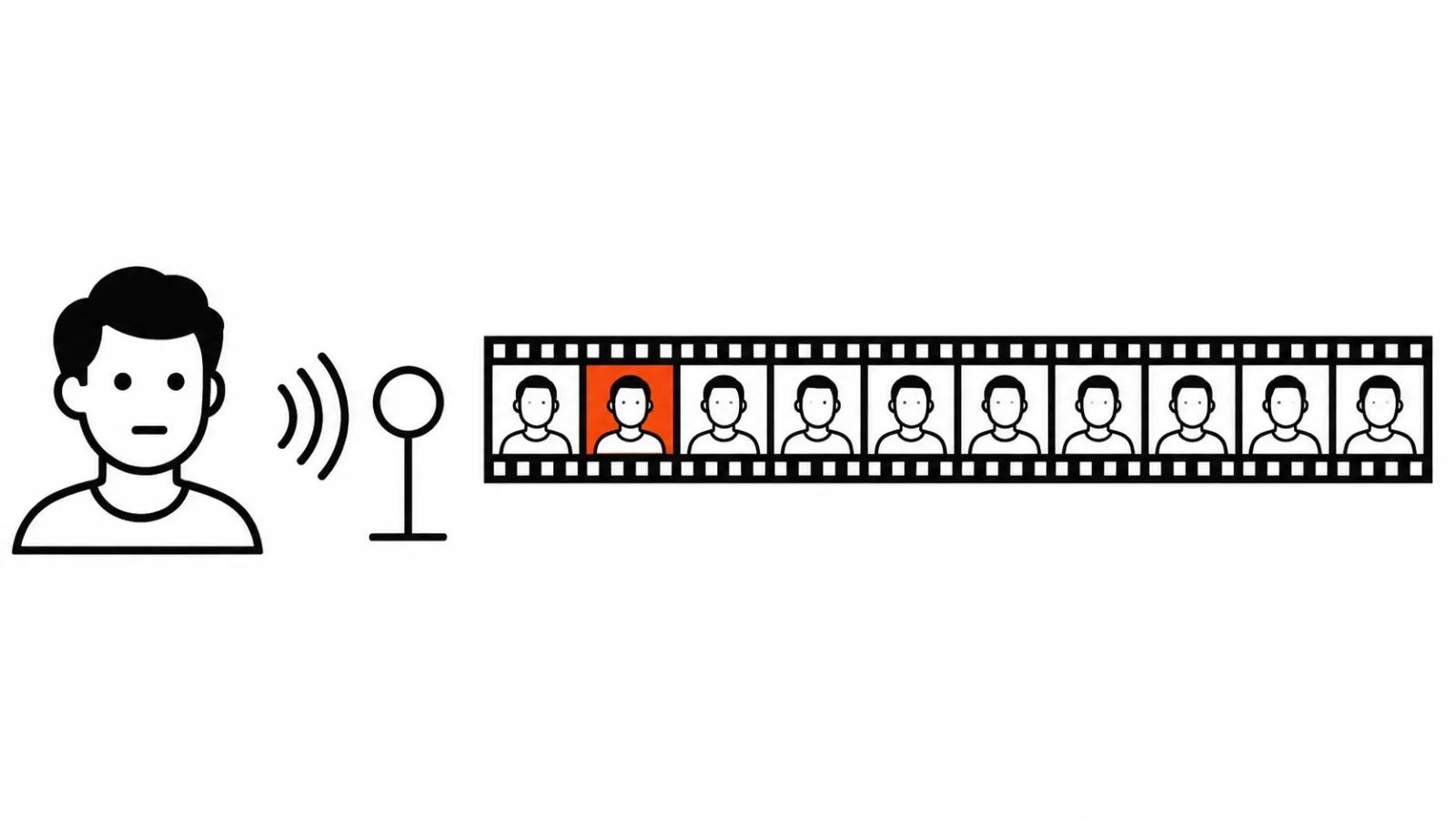
The context window grew tenfold, from roughly 3 seconds to 30. Keep that number in mind while watching demos. Three seconds is less than one sentence: with a window that short the model barely remembers what it did before, so gestures repeat more easily. Thirty seconds is two or three full sentences with pauses, stress and shifts in tone. Inside that window the model can see what it has already done and avoid planting the same nod again.
That is the real news in this release. Native 2K is pleasant, though repeated gestures broke the illusion harder than a soft image ever did. A gesture that lands on the meaning of a phrase is one viewers never notice.
Building an AI avatar from 30 seconds of footage
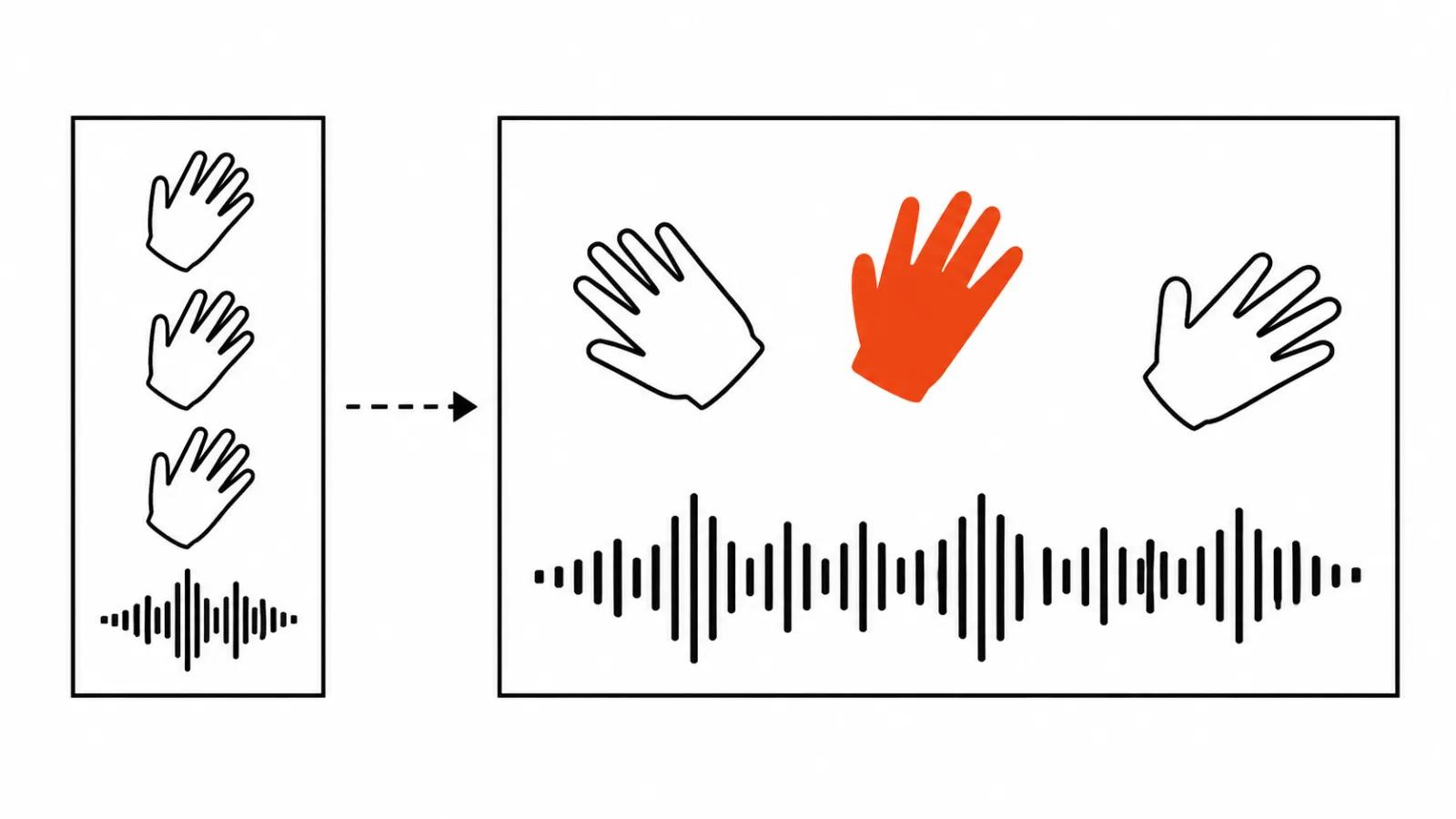
The model learns from recordings of the person, so it can pick up how they look and how they move. A minimum of about 30 seconds of video is enough to start. More footage can be uploaded by hand or pulled from YouTube, Instagram and TikTok. Existing personal avatars update without a new shoot.
What that means in practice: 30 seconds gets you an avatar, and it is thin material for a performance. For a series, ask for 3 to 5 minutes of varied recording, calm text, energetic text, pauses, smiling and straight delivery. The wider the range of movement in the source, the lower the chance the model starts looping on a long paragraph. That is advice, and the release does not say it.
2K output and lip sync
Output is native 2K now, and lip sync is claimed to be tighter than in the previous version. 2K earns its keep in two cases: when you crop a vertical cut out of a wide frame, and when the clip plays on a large screen. For stories and Reels, 1080 is still enough, and platform compression will eat the extra pixels anyway.
Watch the plosives, the p, b and m sounds, because they show whether the model closes the mouth. Flawless articulation with no visible closure reads like a dubbed mannequin, however sharp the frame is.
Where Avatar 6 runs and what the arena win means
The model runs in the HeyGen platform, in the API, and on selected third-party platforms. On those third-party platforms, photo avatars and virtual avatars are allowed. Realistic video of real people stays inside HeyGen, where liveness verification and explicit consent are required.
Worth saying out loud to a client before the job starts: build the clip in someone else's tool and the realistic double of an employee will not be there. The whole "shoot once, then say anything" promise falls apart outside HeyGen.
According to HeyGen, Avatar 6 took first place in the Avatar Arena run by New Measure. The claim comes from HeyGen itself and there is no independent check, so I file it as marketing. Separately, ReelStack reports that the model appeared as a partner node in ComfyUI the same day. That is a third-party report with no confirmation from HeyGen in the release, so for now it is a rumour with a source.
What to check in the finished talking-head video
Four things worth looking at first.
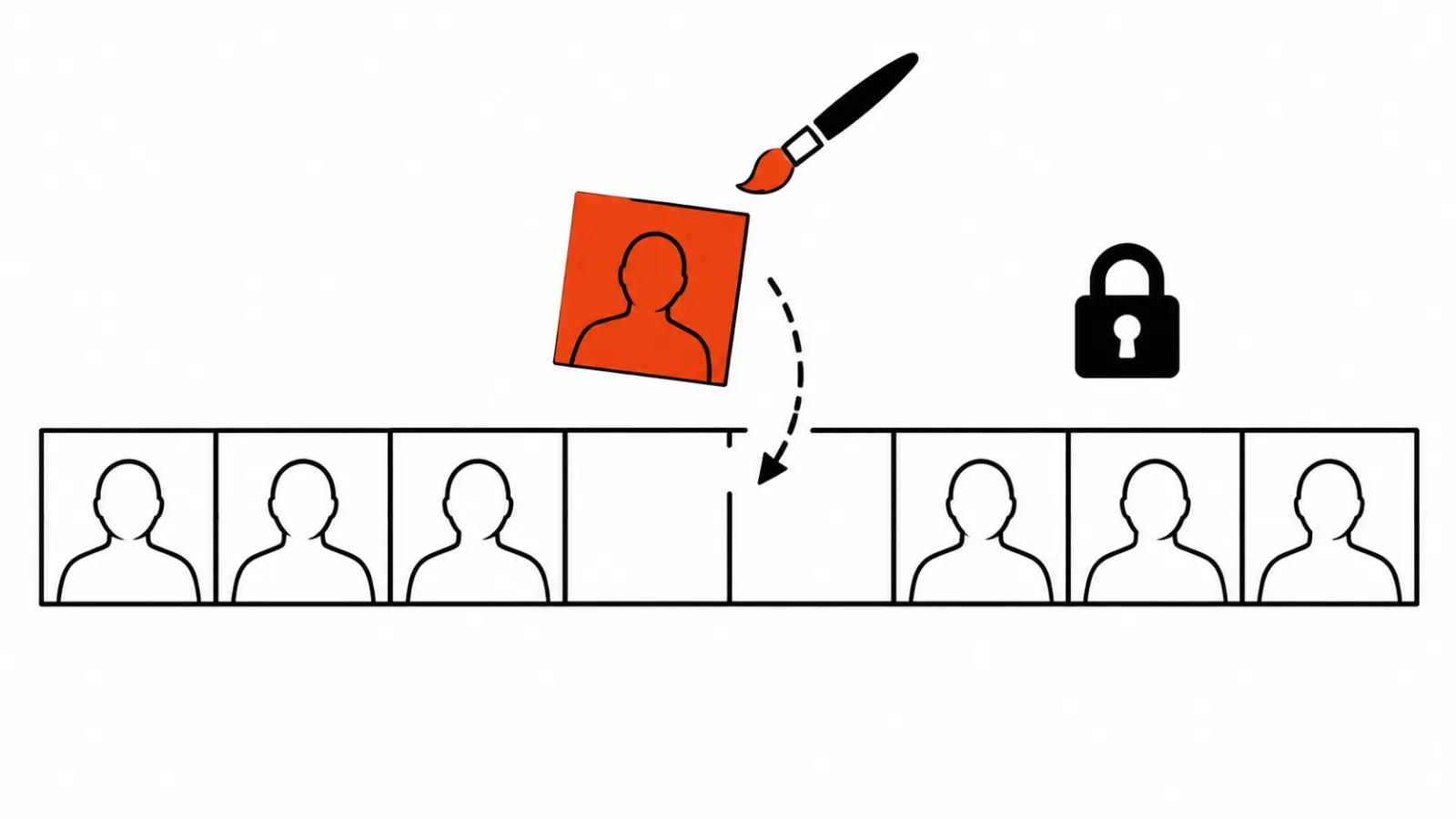
Gestures on a long phrase. The tell is the same combo, a nod plus a raised brow, arriving at even intervals. Past the 30-second window the model starts fresh, and the pose can shift at the seam.
Pauses. In silence, avatars often jerk the head as if waiting for a command. A good pause looks like a human pause: a glance to the side, a small shift in the shoulders, nothing more.
Lips on plosives. This is where both drift and a too-even mouth show up.
Scene seams. Check whether the character jumps between phrases: head angle, height in frame, hand position.
What the release does not promise
There are no prices and no limits in the release. Nothing about how much footage one avatar holds, nothing about how fast a minute of 2K renders. So a project budget has to be built from the interface and the API pricing on the day you start, and planning fifty clips without those numbers is guesswork.
That is normal for an announcement day. The less pleasant part is the market: some vendors are already selling the "new avatar" at the old price and the old quality, and only a test fragment tells you which one you got.
Where this lands in real work
Two scenarios come to mind. The first is a talking-head piece for a landing page or a channel, where speech has to hold for two or three minutes straight. The second is a set of versions for vertical ads, where the same person delivers different scripts to different audiences.
If you are ordering an AI avatar for the first time, start with a plain-language breakdown, since vendors mean three different things by the phrase. For a channel with an on-camera host the logic holds: the longer the unbroken speech, the more the context window matters.
Bottom line
Avatar 6 is the right move. HeyGen fixed what damaged long clips most: a repeated gesture is visible within a second, and no amount of 2K rescues it. Thirty seconds of context sounds modest, and in practice it is the difference between a robot and an avatar that holds a paragraph.
Order it with a test: two minutes of script with pauses, then the four checks above. If repetition survives on a long phrase, the next lever is the script: shorter sentences, more cuts, a live cutaway. And ask where the model actually runs, because a realistic double of a real person will not appear on a third-party platform.
For this kind of work there are services: AI video production.