What was actually reported
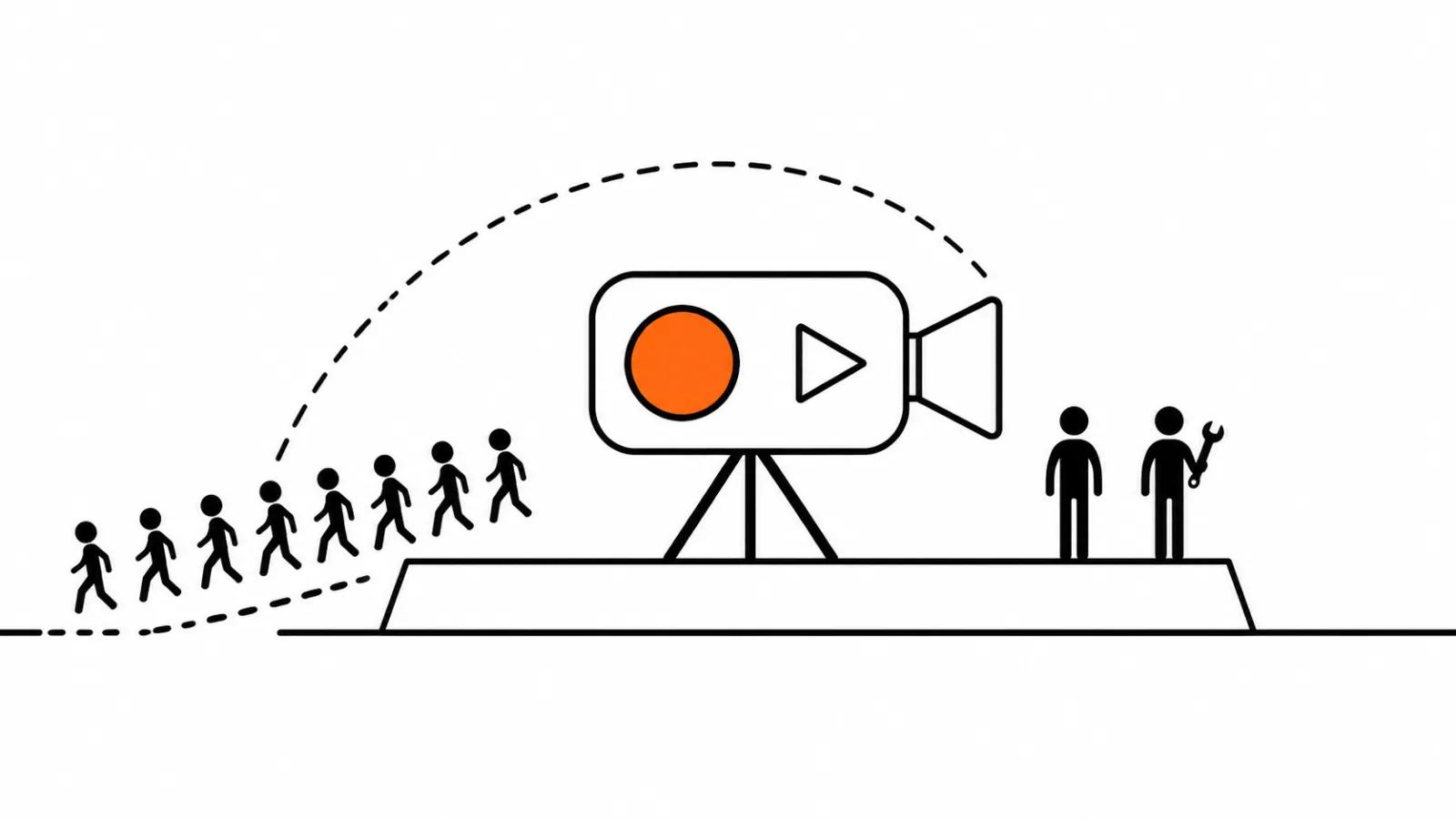
The story is short. On November 13 2026 The Information published a piece citing sources inside the company: the AI unit of SpaceX, formerly xAI, cut roughly 60 employees from the Grok Imagine team over the past week. Grok Imagine is a tool for generating video and images. A handful of people stayed to keep the product alive, and the company is said to be prioritising tools for programming.
Techmeme carried a paraphrase of the headline and subhead, Investing.com pointed at the same outlet. The chain of sources is easy to follow: one outlet, its internal sources, then the aggregators.
There is no statement from SpaceX or xAI. As of November 14 the company's official accounts on X had not mentioned the cuts, and the original story sits behind a paywall. Keep that framing in mind: this is press reporting with sources, and it is not a press release.
What the report says about the product
Retellings say the tool keeps working. There is no public roadmap, and nobody has commented on model releases or feature plans. This is the point where guessing starts, so I stop: no dates for the next version, no knowledge of what stayed supported and what was dropped. Anything beyond the original report is speculation.
For the hands on side, our guide to how to use Grok for video covers the tool itself.
Why a cut team reads as a change of priority
If a handful stayed after 60 people left, most of the product team is gone. A handful left behind on support means one specific mode of operation: fixing what breaks and keeping the service up. Development is a different mode, where features get added, models get trained, limits get raised and support queues get worked through.
If, as the report says, the company now puts programming tools first, the conclusion is straightforward: less money goes into the video generator. The service can keep running. The risk is a freeze in development, and a freeze bites harder than it sounds.
Platform risk: what happens to a product with no development
The pattern is familiar to anyone who has leaned on a service that stopped moving.
First, quality hits a ceiling. Competitors add clip length, audio and camera control over six months, while your tool stays exactly where it was on the day of the cuts.
Second, limits and prices drift. A product kept alive on support often gets repriced to pay for itself: queues grow, free tiers shrink. This is the usual logic of such assets. Treat it as a pattern to watch, with no forecast attached for Grok Imagine.
Third, integrations fall behind. When a service has an API and plugins for editing apps, updates for new versions of those apps arrive less often.
Fourth, and this one hurts most, the interface can change overnight. A large team discusses changes and warns people. A small team ships quietly, and you find out from your own broken workflow.
What clients and studios should do
Four habits, none of them exotic.
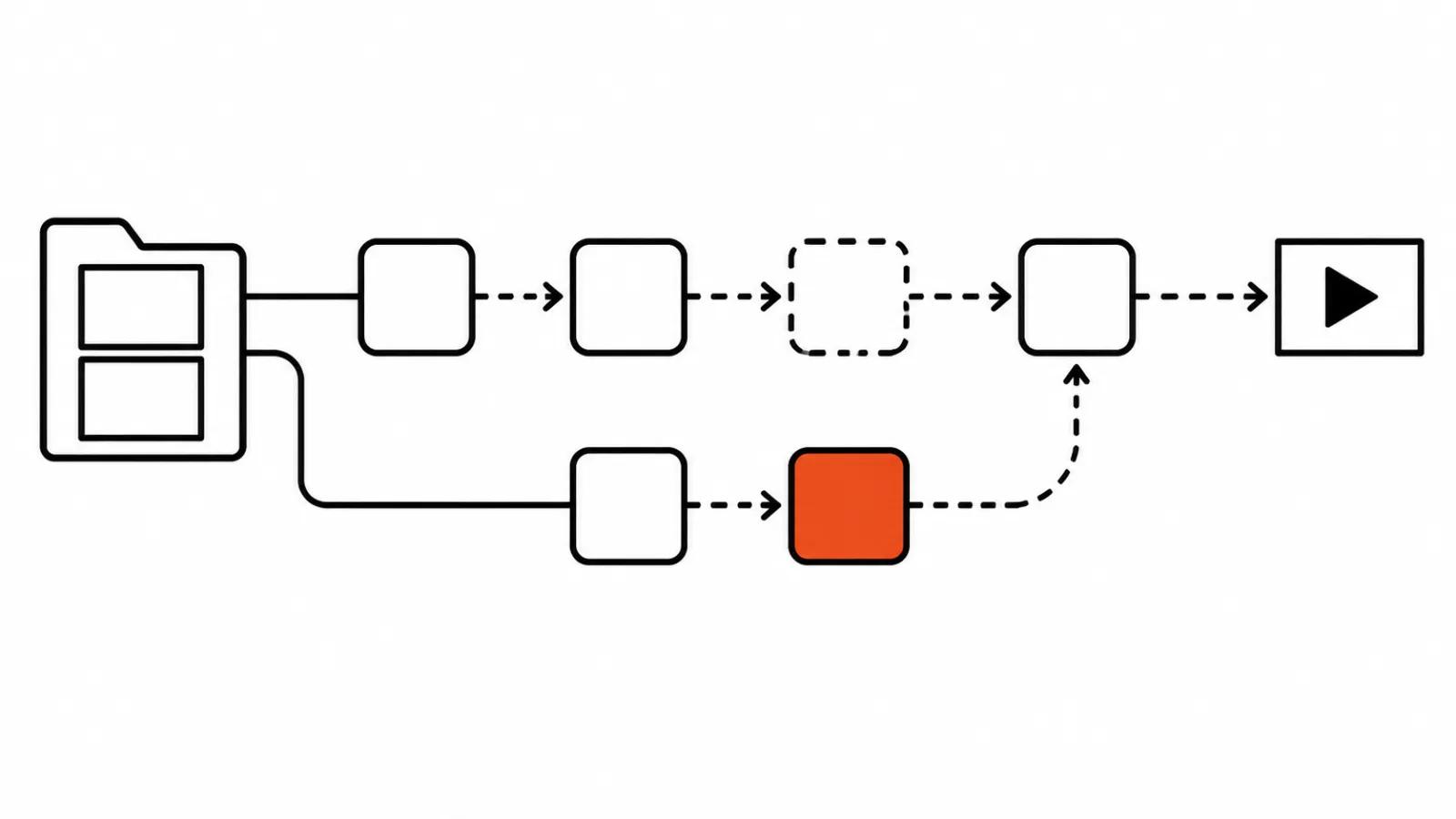
A duplicate model. For each class of shot, keep a second tool that can do the same job. It only needs to work on the day the main one breaks or doubles its price. For ad work and YouTube runs that is a couple of test renders instead of a new project.
Your prompts and source files, on your own disk. Prompt text, references, seeds, settings, intermediate frames and final exports live in your folder, in a readable format, with names a colleague can follow. When a service reshuffles its interface, you move the work from your own notes.
A ten second test first. New tools get tried on a short fragment before a series is built on them. Same with Grok: a short test shows quality, speed and how the limits behave.
No single model in the quote. In a project budget the model is a swappable part, like a lens or a microphone. When a quote names one service with no alternative, you have sold the client someone else's hiring decisions.
When you need video on a schedule
Jobs differ: one needs a fast vertical shot, another needs a long scene with the same character, so AI video production makes sense with several models within reach. For channels that publish on schedule there is an AI YouTube channel service, and swapping a tool mid month should never break the calendar.
That is the practical answer to a platform that stops moving. Put it in the chain, and do not make it the chain. One tool can deliver the best frame, another covers a rush job, a third rescues a scene the first one cannot handle.
My conclusion
The tool works, and by all retellings it works the way it did last week. For me the news is mainly a reminder of something studios forget between urgent projects: any service in a pipeline can stop developing on any given day, and the answer is a plan B on paper.
For a client the takeaway is one question. Ask your studio what renders the shot and what replaces it if that tool breaks. "We only work in one service" is an honest answer, and it means the risk sits in your budget.