What Higgsfield shipped on November 16
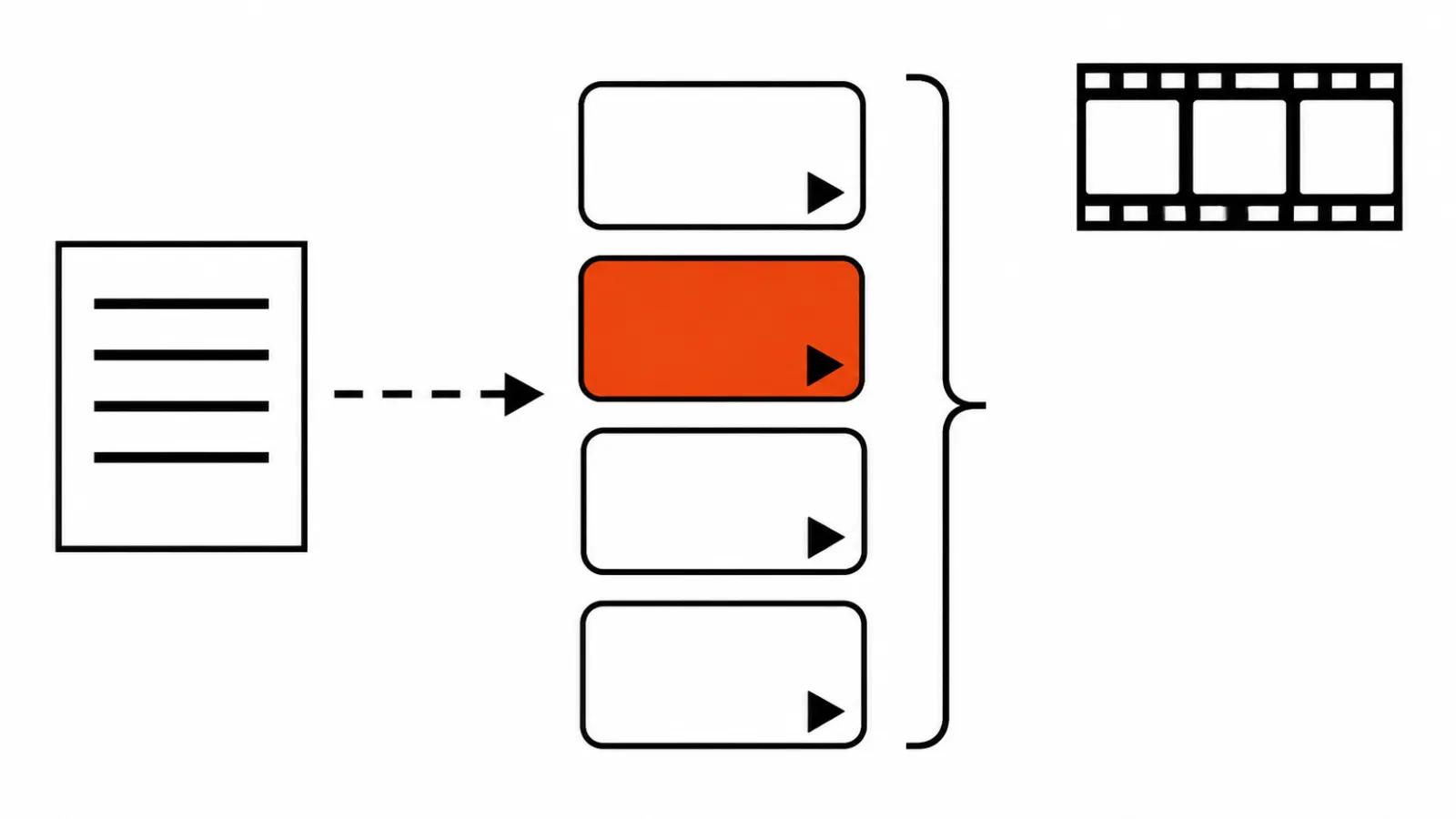
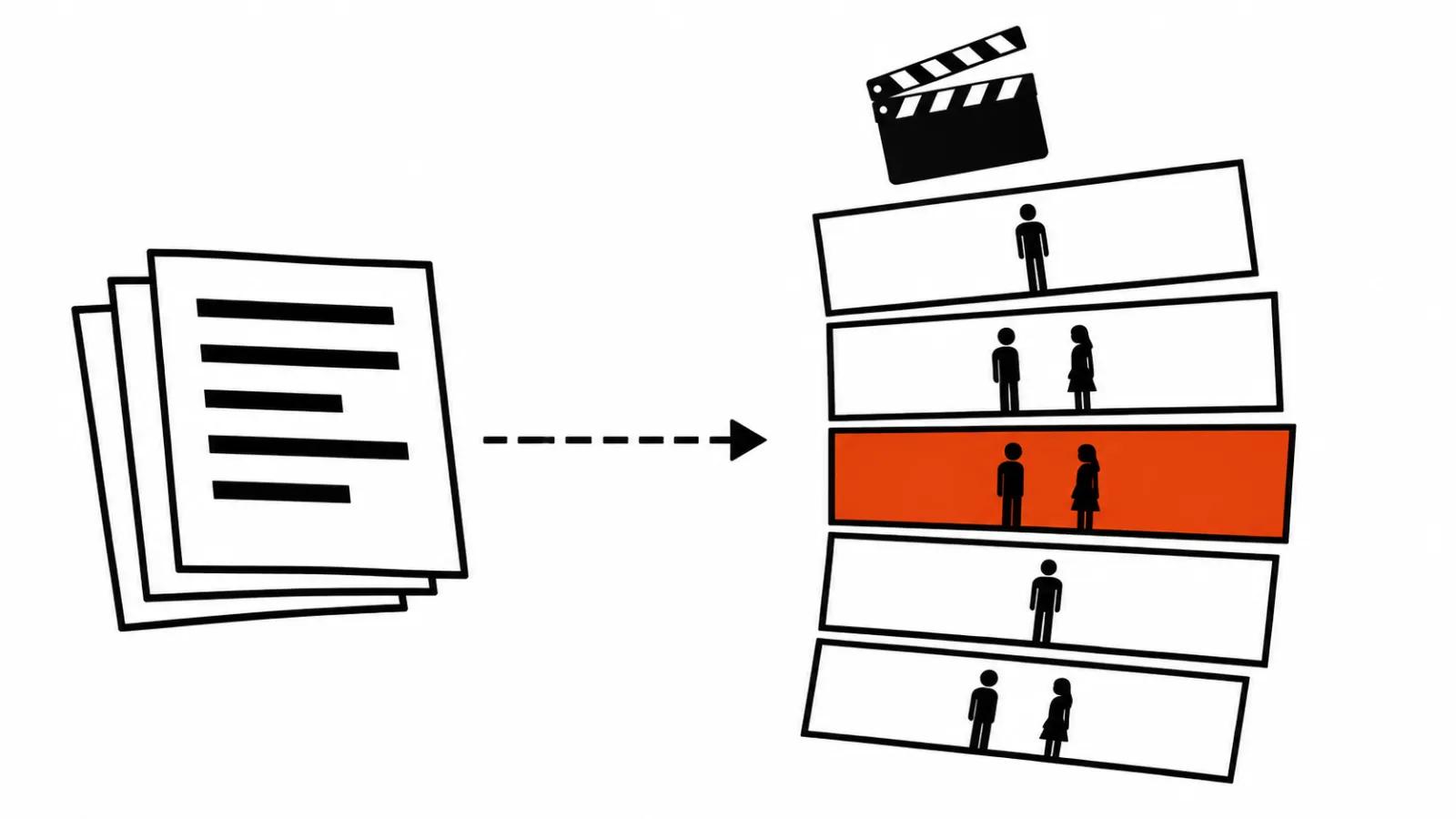
Short Drama Studio accepts a finished script as TXT, Markdown, DOCX, PDF or Final Draft FDX, up to 10 MB. From there the studio splits the text into episodes and shots and shoots them in the style you picked.
Style is set once for the whole project, from a set of more than 15 looks, dark fantasy and nineties school among them. Six aspect ratios are supported: 9:16, 16:9, 4:3, 3:4, 1:1, 21:9. According to the company, one run delivers up to 100 episodes.
It runs on the Higgsfield site and inside Claude and ChatGPT through an MCP plugin, so a script can arrive as a pasted text instead of a file.
Your script, their camera
The old chain was different. A model invented a scene from a prompt, you rewrote the prompt, then you glued the shots together by hand. Authorship was split between person and model, and the argument was about the story itself.
Here the story is already written. The studio receives the text and turns it into footage, and the conversation moves to shots, faces and pacing.
For a client that changes the shape of the deal. What gets discussed is a specific script, an episode count and the faces of the leads. Delivery can be checked against a text the client approved personally. That is the clearest approval loop I have seen on a video generator so far.
An approval gate at every step
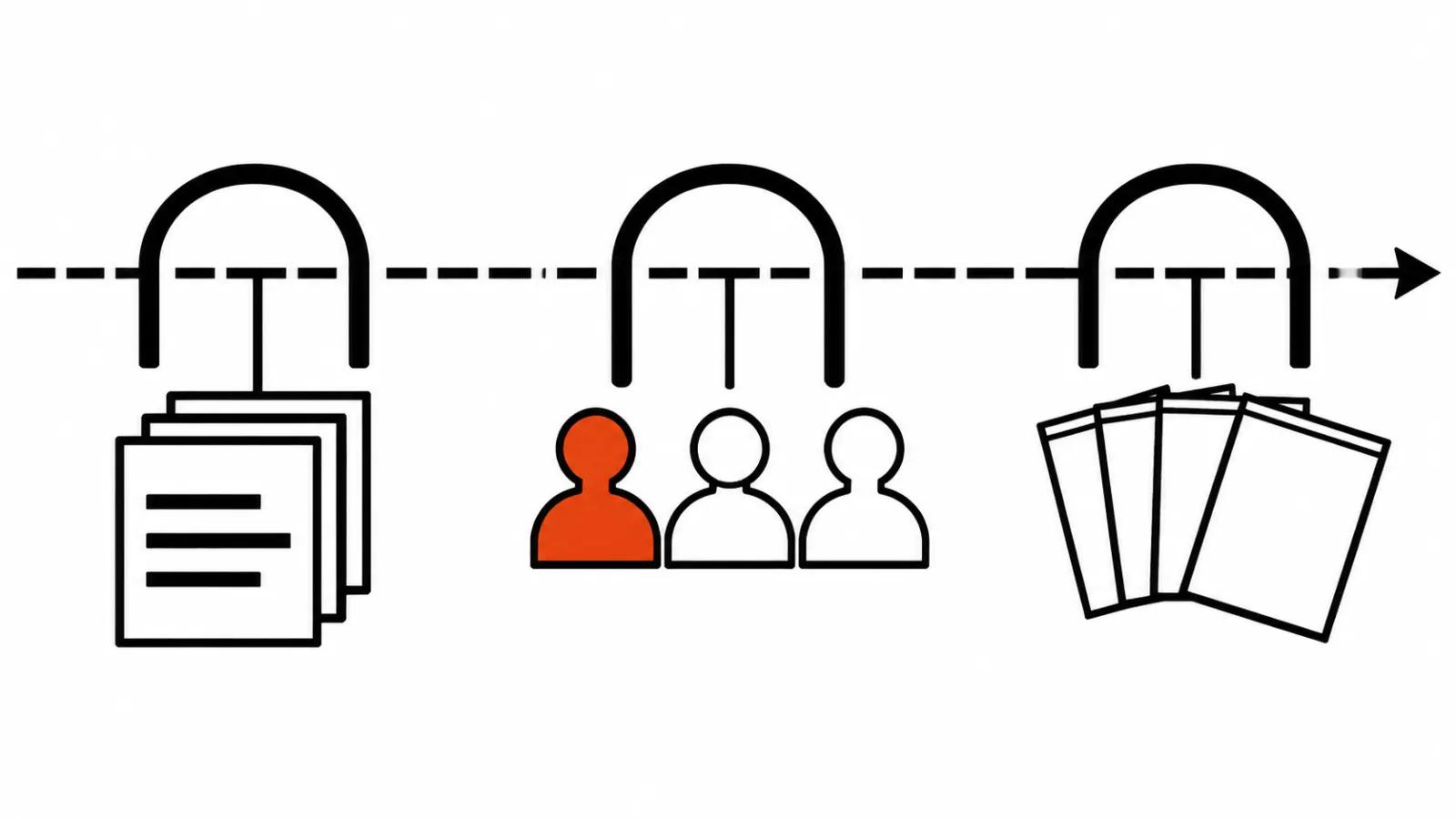
Nothing renders without a green light. The studio first proposes a breakdown into episodes and shots, and that breakdown can be rewritten. Script edits are stored as a separate version, the original file stays untouched, so versions can be compared and rolled back.
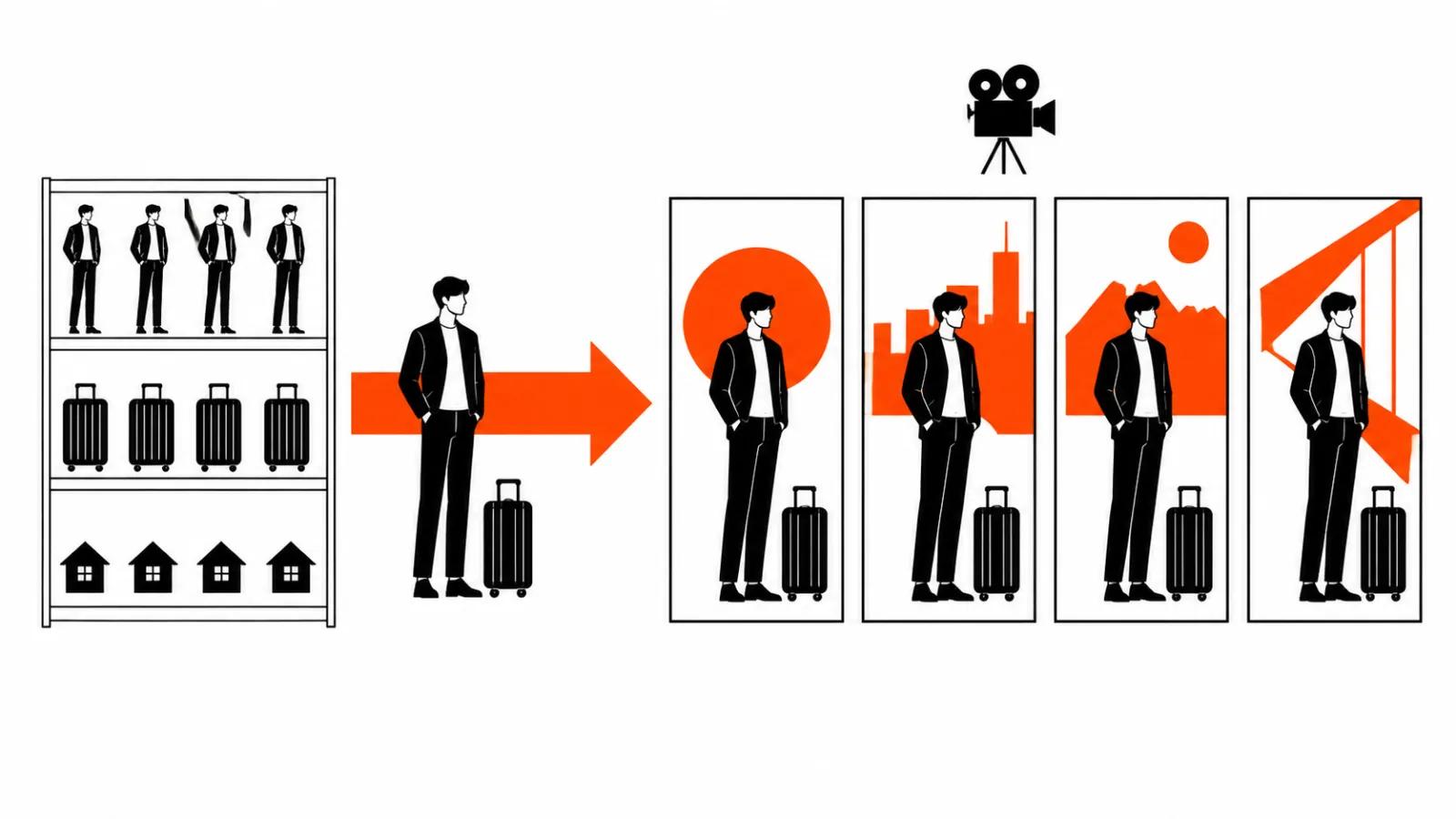
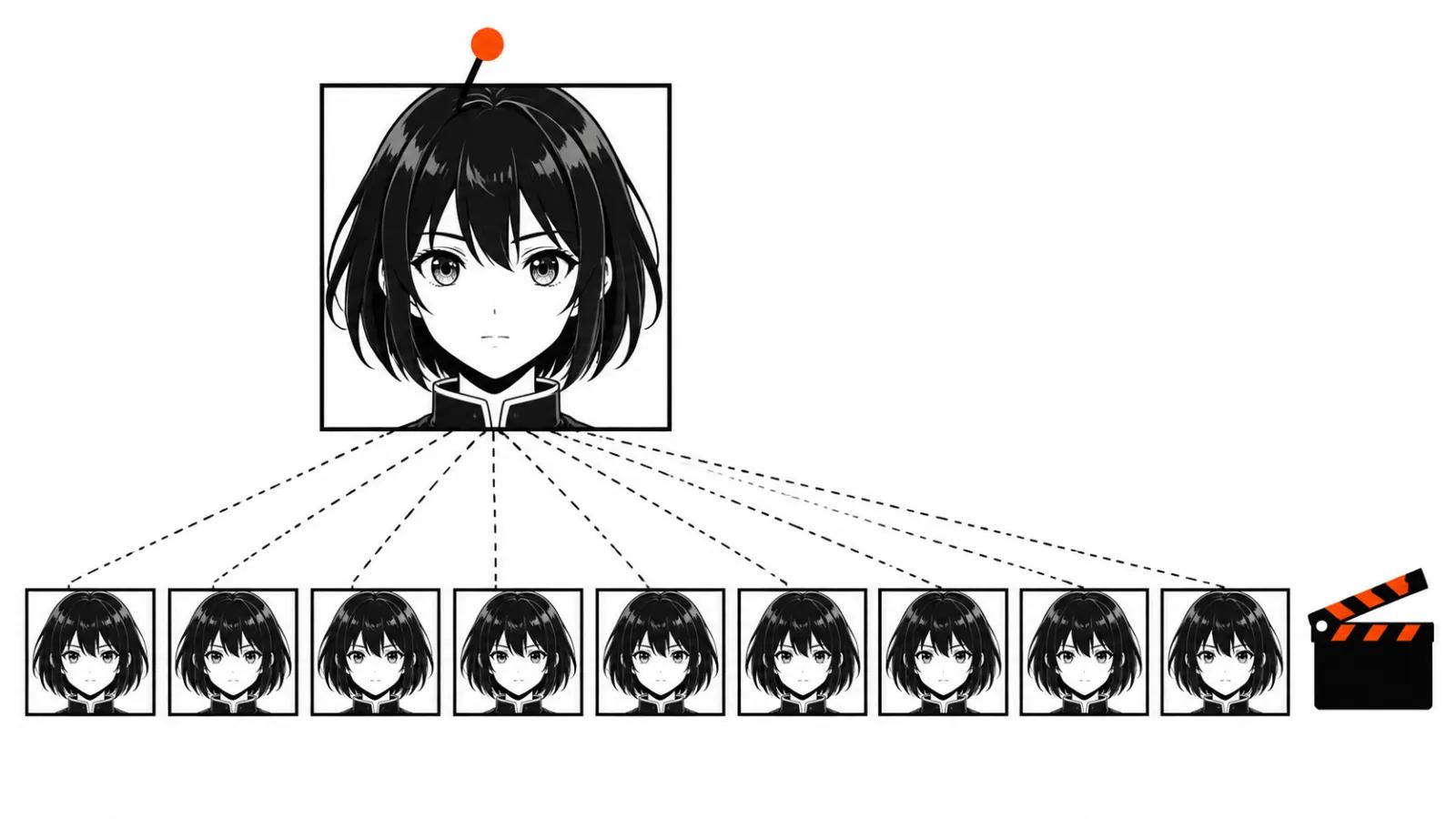
The face for each role is picked by hand. An approved face keeps the hero recognisable from scene to scene, while wardrobe and even age can shift with the story. In practice this is casting: until a face is signed off, the episode does not go to render.
Shot drafts and the edit package
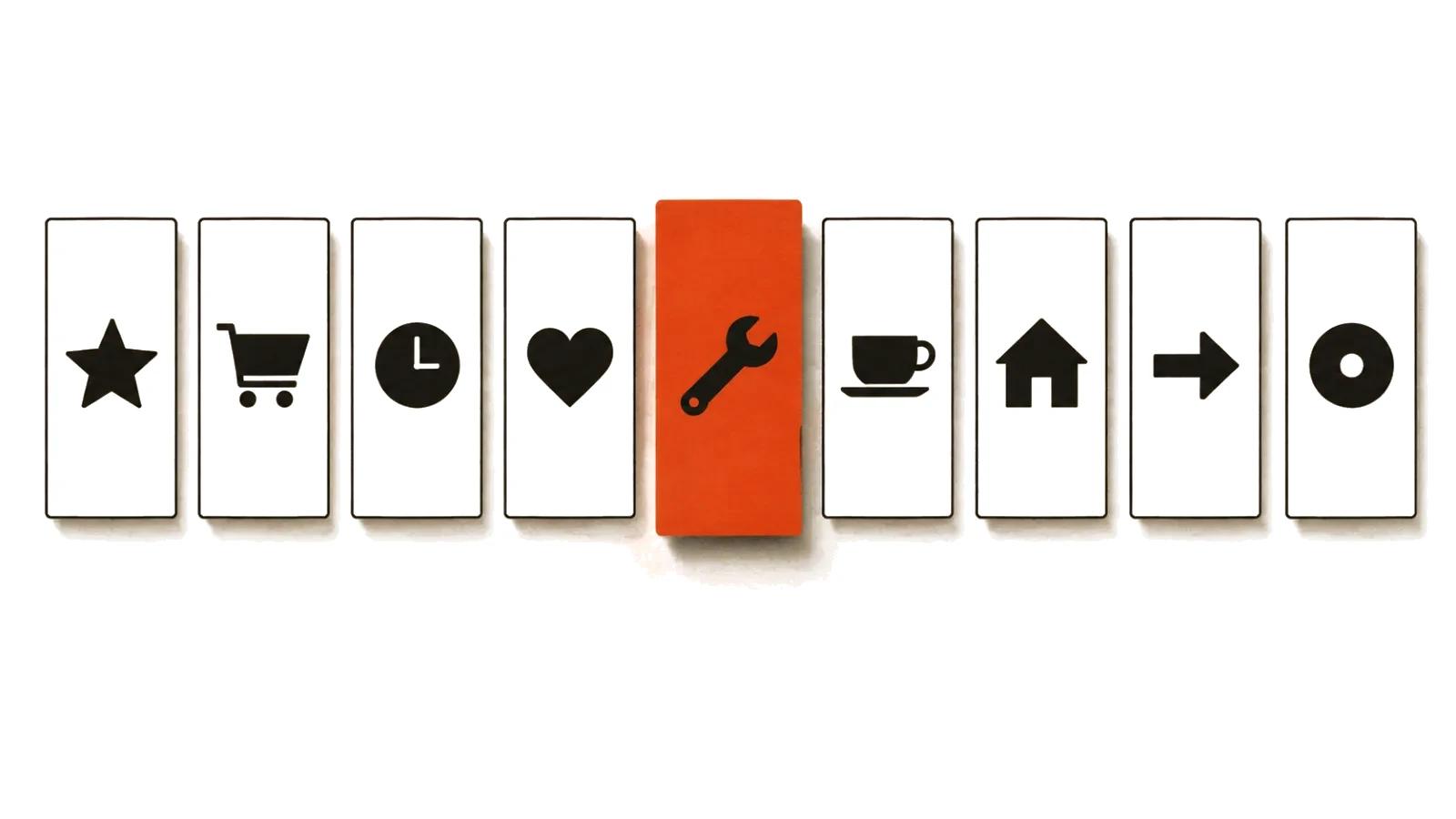
Every shot arrives in one to four drafts, and only the chosen one is finished at 1080p. The unused takes never burn high resolution credits, you pay for the pick.
The finished episode assembles itself: shots in order, a separate voice for each character plus a narrator, levels matched. You download 1080p plus an edit package with the script, episode notes and the final shots.
That package matters more than it sounds. It lets an editor finish the episode in Premiere or Resolve, change a title card, rerecord a line, and the project keeps its structure instead of dissolving into loose files.
Where the client still holds the wheel
I count three control points: the breakdown, the faces, the take selection. The breakdown decides what lands in episode one and where the cliffhanger sits. The faces decide whether a viewer recognises the hero in episode two. The takes decide which expression survives to the final cut.
Everything between those points is handled quietly by the studio: lighting, angle, camera movement, pace inside a shot. If an episode comes out wrong, the argument happens over finished shots.
For contrast, take the short drama studio inside Jimeng from ByteDance, which shipped in October. Its logic runs the other way: the service writes the episodes itself from a novel of up to 100,000 characters. Higgsfield takes your text, Jimeng invents one. Two answers to the same question of who should come up with the story.
The price of a season is missing
Billing runs on credits on top of a subscription. In the Black Friday sale an annual plan starts at $15 a month. Each paid step shows its price before it starts, so a single generation holds no surprises.
What a hundred-episode season costs, Higgsfield has not published. That is the real gap: a season budget is assembled step by step, and there is no season price list. A client arriving with money for ten episodes gets no number until the first run is done.
How this fits real work
We covered AI anime series built with Higgsfield before, and that piece was about frame and style. This one adds the layer of episodes: breakdown, casting, assembly, sign-off. The same problem approached from the other end shows up in our write-up of Pine Drama Studio, where a series is assembled from open models.
AI video production is still built shot by shot, and the known weak point is the seam between shots. Automatic assembly smooths that seam, while quality inside a shot still depends on the model. Vertical video ads get a different benefit, because one character can carry ten episodes and viewers come back to a familiar face.
The practical takeaway for a client is plain. If the script already exists, this tool gives you a clean step by step sign-off, and the difficult scenes still belong with handcrafted videos from $190, where a person owns the frame.
My conclusion
The strength of Short Drama Studio is that approval sits at every step and the output includes an edit package. That combination is rare, since generators usually hand over a finished file and good luck.
The weakness is the price. A season cannot be budgeted in advance, and "up to 100 episodes" is the company's claim. Long-form quality only shows up on your own script, and that test belongs before you promise a client a schedule.
We have no hands-on time with this tool yet, so on episode length and stability I repeat exactly what Higgsfield states. My plan for a first test: one script cut to three episodes, approve the breakdown, approve the faces, then decide about the season.