What Kling shipped on 18 November
The official Kling blog published a post called Meet Kling Image 4.0 on 18 November. Now there are numbers, and they say a lot about where this model is aimed.
Availability is listed as Kling Creative Studio plus an API for enterprises and developers, and the post says the model is open to all users. Under the hood there is one architecture for understanding and generation, a single autoregressive frame. In plain terms: the model does not hand a prompt to a separate meaning module and paint afterwards, it continues one sequence where text and pixels are the same substance. That is why it looks strongest wherever there is a lot to read in the frame: packaging, signage, a product card.
Native 8K, light, and 110 colour grades
The first of three improvements is realism. Kling is offering native 8K for the first time, and calls out work on light and on the texture of skin and materials. On top of that come 110 plus ready colour grades: cinema, vintage and the rest of what people normally hunt for in preset packs. You can load a reference and pull its palette out.
A first frame goes into the motion generator, and whatever is fixed inside it (light on a face, the weave of fabric, a reflection on glass) the model then holds across the shot. A cleaner entry frame means fewer passes burned on a scene.
8K is not free joy. Kling does not put a price in the post.
Text on the image: 2000 characters, 70 fonts, seven languages
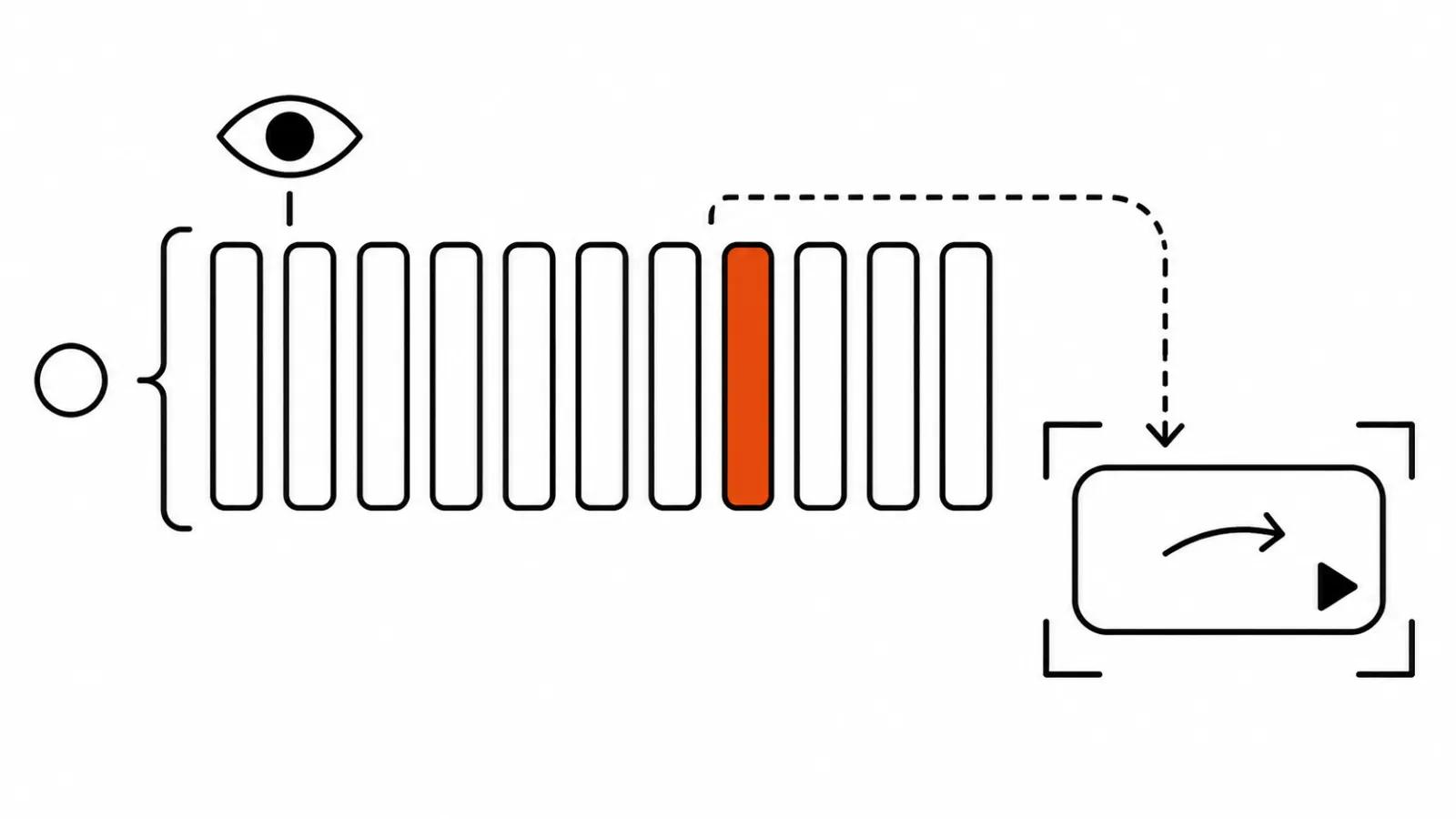
The second improvement is about text. Up to 2000 characters inside a single image, prompts up to 15 000 tokens, more than 70 ready commercial fonts, a font reference, and editing of the text on an image that already exists. Seven languages: Simplified and Traditional Chinese, English, Japanese, Korean, Spanish, Portuguese.
Editing text after generation is the part that saves the most. A typo on a package used to mean a fresh run, because there was no way to correct a line on a finished frame. Now it is an edit inside the image.
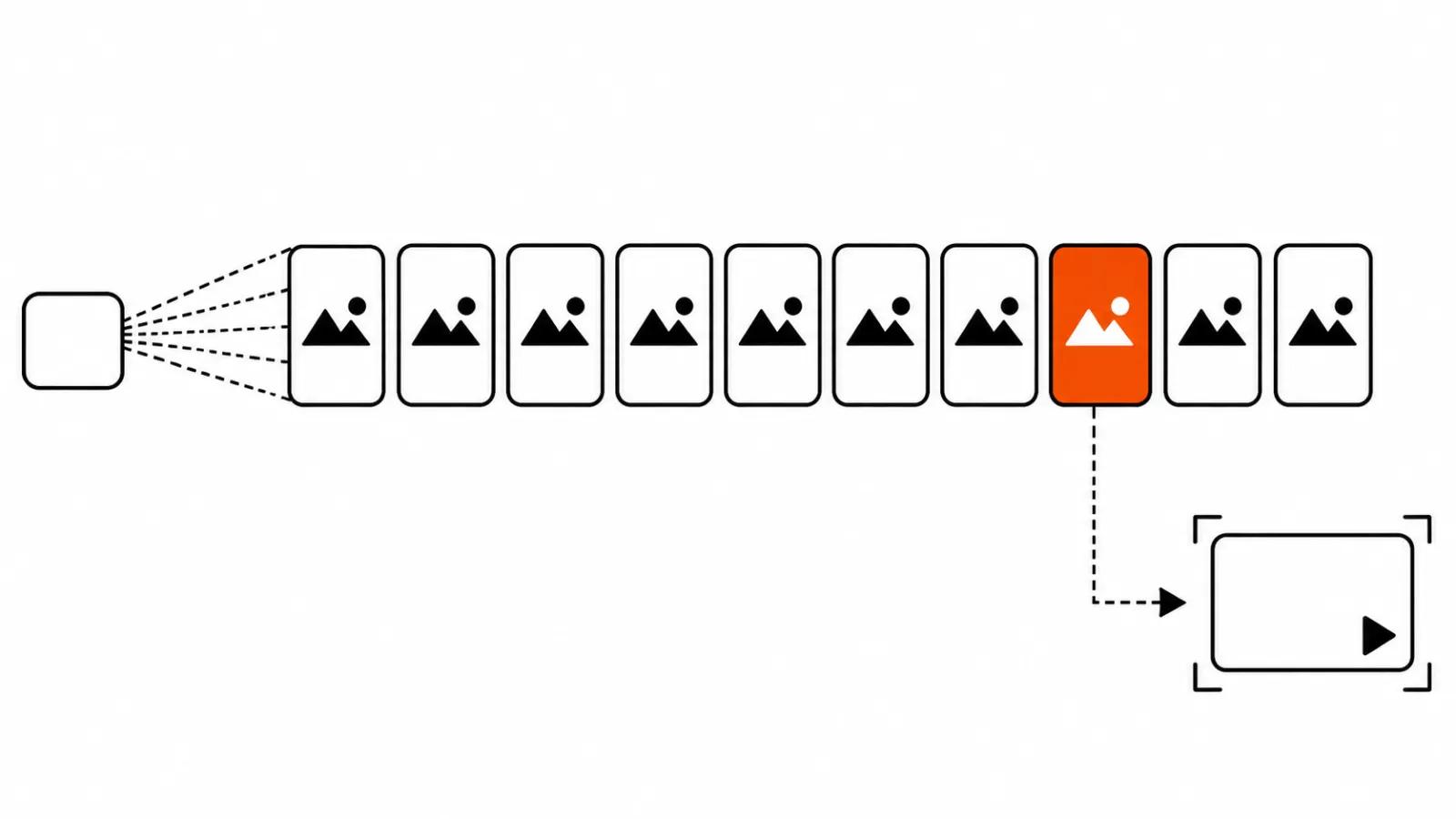
A set of ten images as a storyboard
The third improvement is sets. Up to ten consistent images from one prompt, and the model decides what each of them shows. Long images for product cards and web pages are listed separately.
For video this is the most useful part of the release. A ten-shot storyboard in one style, with one hero and one palette, is half the prep work. A dozen frames used to come out of separate runs, and then someone matched the light by hand in an editor.
A consistent set removes exactly that chore, provided it stays consistent across all ten.
Using the still as a first frame in Kling 4.0
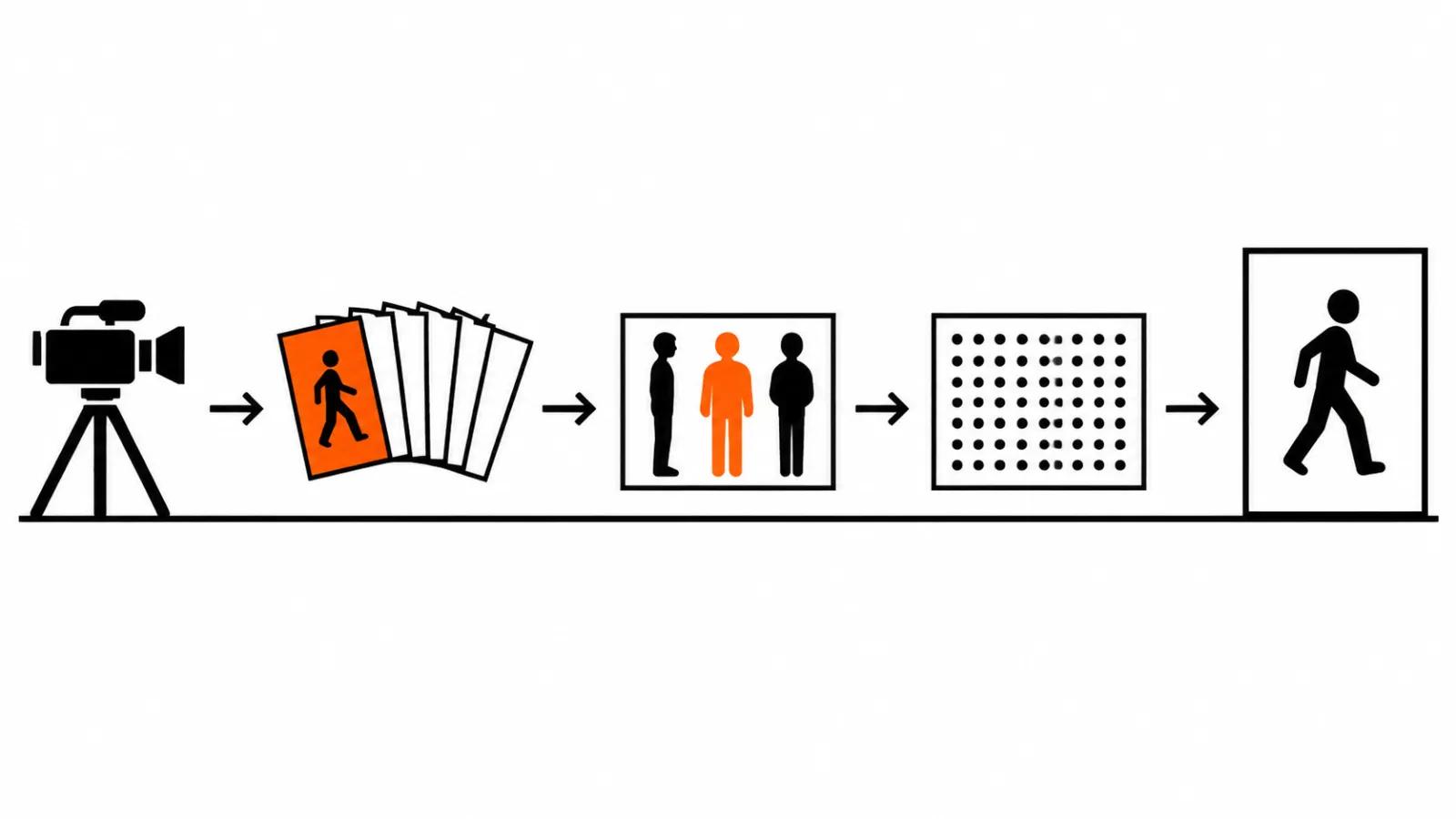
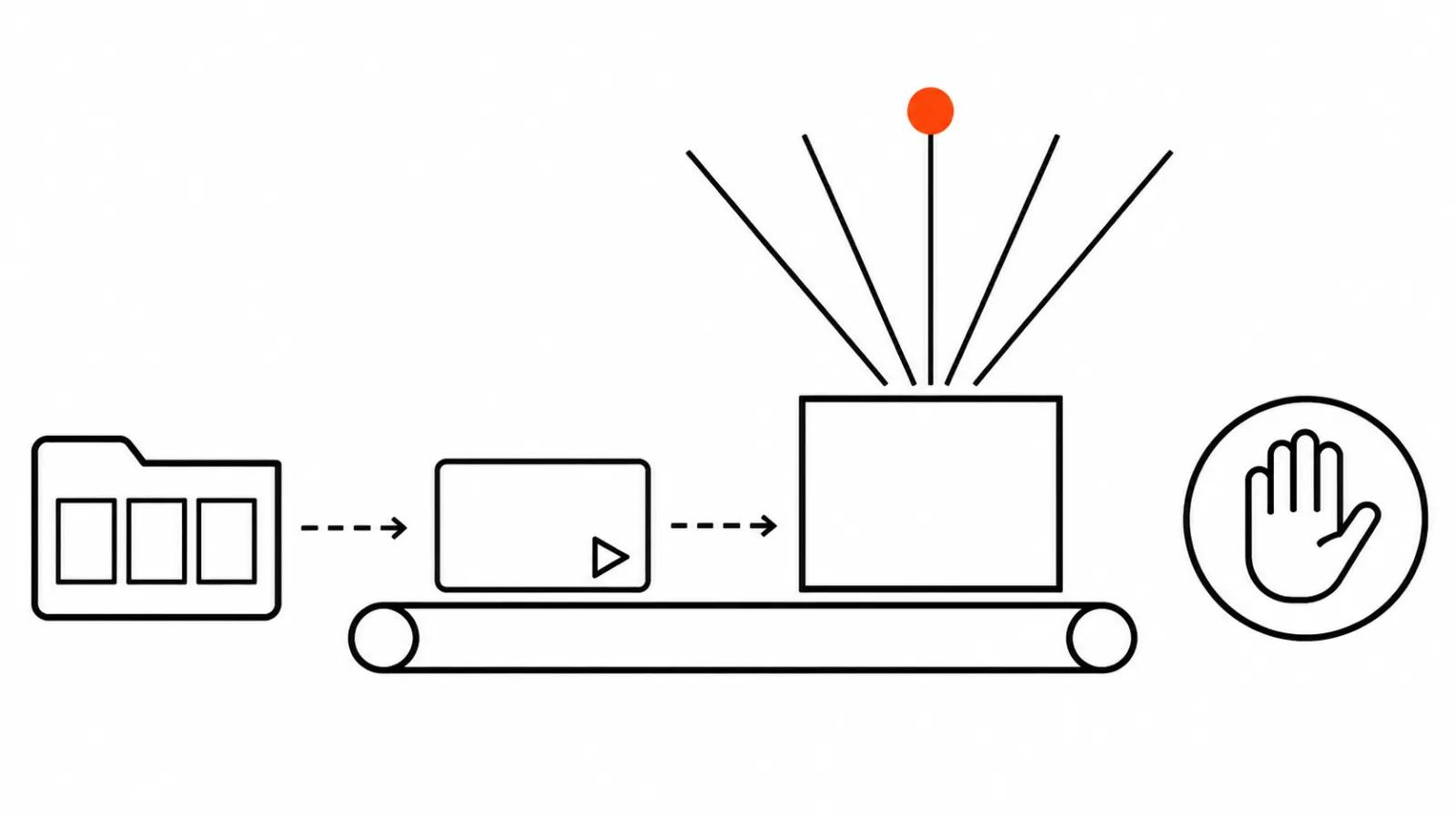
The workflow is simple. A frame from the set gets saved, cropped to the right aspect ratio and sent to Kling 4.0 as the first frame of a shot. The video model then builds motion: a head turn, a camera move, a product falling onto a table.
Two models from one vendor have an advantage: still and video speak the same descriptive language. The order is a ten-frame set first, three scenes picked from it, motion generated for those three. It is cheaper than building a shot from a text prompt and hoping the composition lands.
When a shot needs guarantees on a face and props, handcrafted videos take over and a person owns the frame. There is a separate guide on keyframes in AI video that covers how a first and a last frame define the motion inside a shot.
Where sets pay off in ads
AI video ads run in series: one product, several scenes, the same light. A ten-image set closes that series in one prompt, and the packaging copy gets written right there in the frame instead of being dropped in as a separate layer.
The second case is the product card. Long images for cards and web pages are listed on their own, and that is exactly the format marketplaces ask for.
What stays unknown: price, request limits, speed at 8K and behaviour on Cyrillic.
Bottom line
Kling Image 4.0 is the first image-model release where the set matters more to me than the single frame. A beautiful still was doable before. Ten consistent stills in one style from one prompt change how a series gets prepared, because the storyboard stops being manual work.
2000 characters and post-generation editing cover packaging, sets cover a run of shots. 8K gets tested where it genuinely matters, on posters and tight close-ups.
The caution is just as clear. Without a price and request limits the model cannot go into a project quote, and Cyrillic is missing from the language list. One evening of testing will show whether prep work moves to it or it stays a second tool beside what is already in production.
For this kind of work there are services: AI video production. Related reading: Kling Image 4.0 teaser with no specs.