What the element actually is
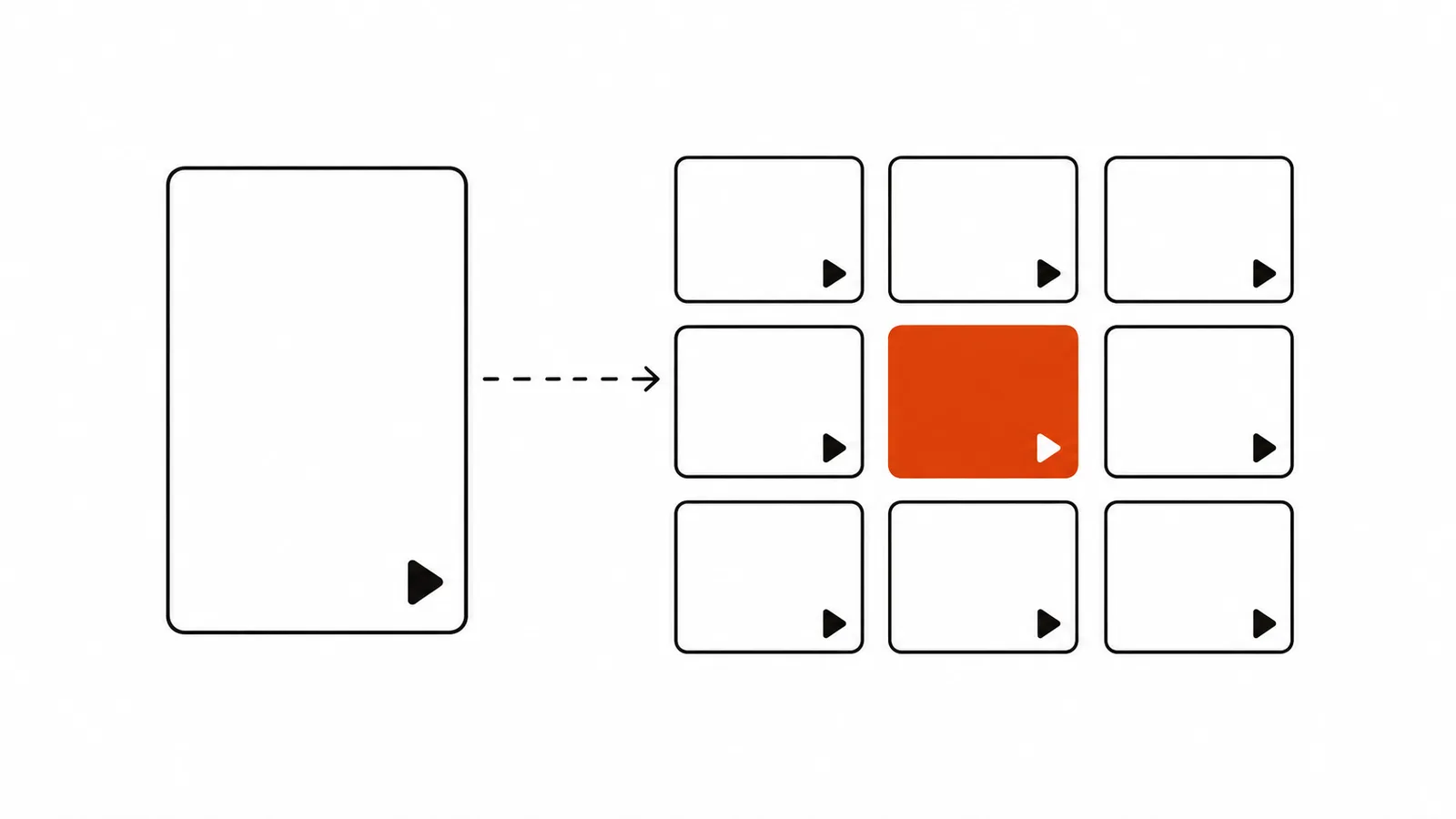
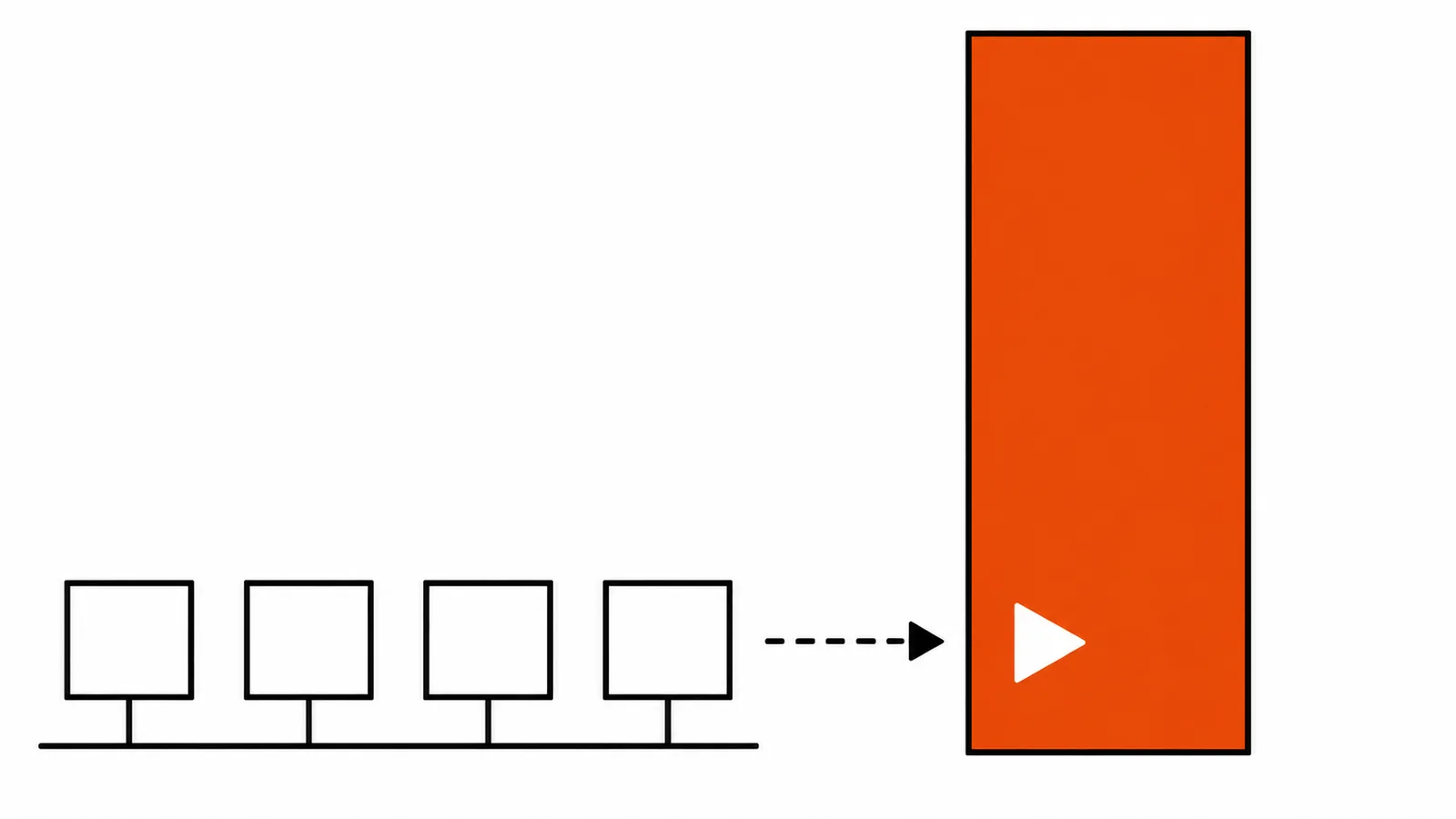
A video cover takes the slot of the main photo and plays on its own, with no click. A shopper sees it on a product tile in search results, a fraction of a second before deciding whether to open the listing. There is no sound at that moment: people scroll on a commute or at work, and the clip runs muted by default.
According to a Cha-Meleon breakdown published on 28 July 2026, where the requirements were checked against platform help pages, a Wildberries listing holds one video, while Ozon fits up to five clips in the gallery plus a separate video cover. On Ozon the clip is not mandatory, yet the platform counts it in the content score: the "Media" block is worth 45 points out of 100, and one video delivers 18 of them, while three or four photos give 13.5 points.
Demand for volume grows out of that arithmetic. A cover is needed for nearly every SKU, and one shoot for a whole catalog does not solve the problem, because listings sell one at a time.
How a cover differs from a gallery clip
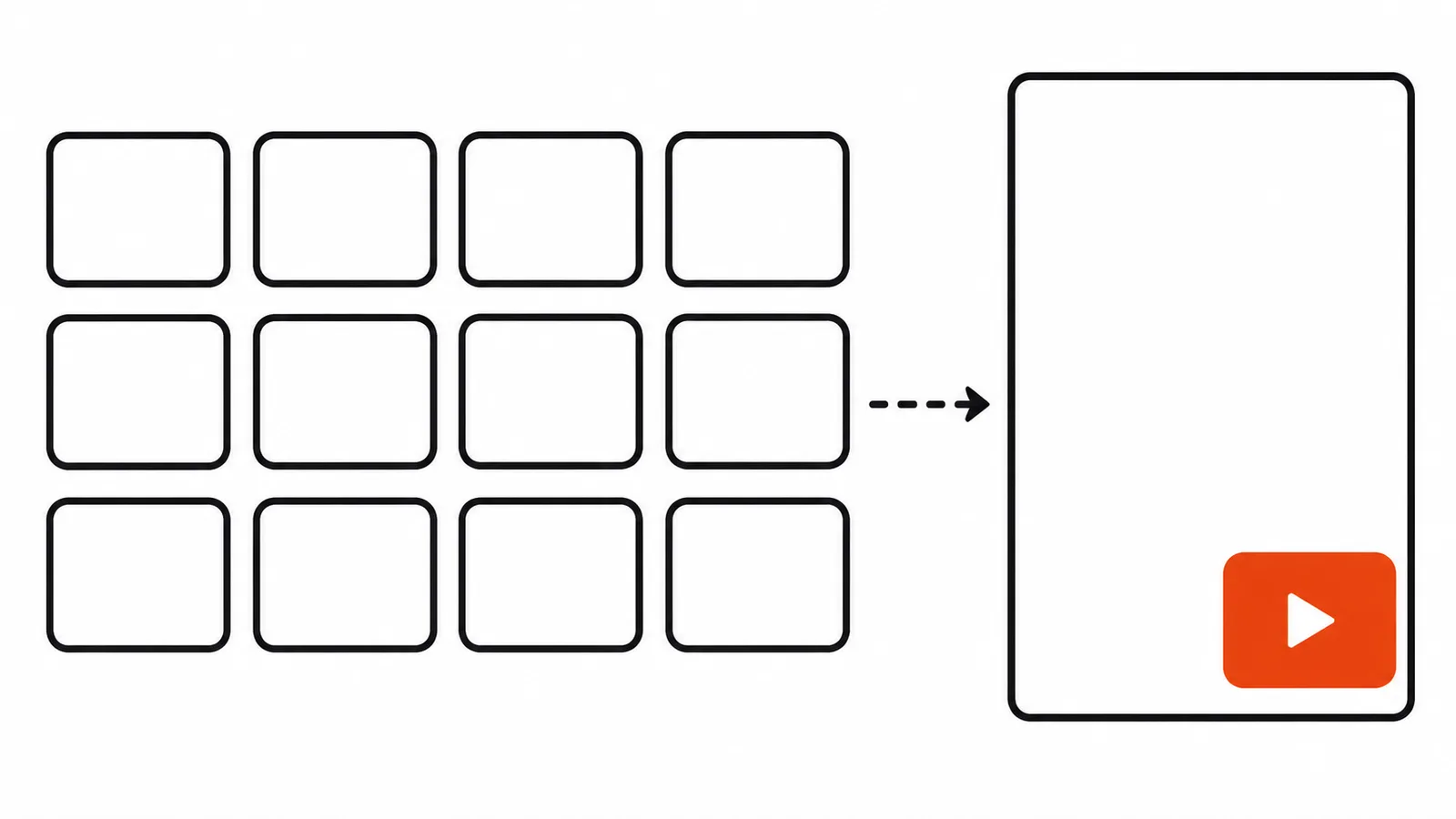
The service Flami, in a review dated 20 May 2026, separates the two formats directly: the cover is a short animation in the second gallery slot, a preview with light motion, while the clip is a separate video up to 3 minutes long with a script and sound.
The difference in purpose explains the difference in build. A cover answers the question "what is this", and it is seen in search results among dozens of similar tiles. A gallery clip answers "how does it work", and it gets played once the product is already shortlisted. Hence the first frame, the length and the sound: on a cover the opening fraction of a second decides everything, while a clip has room to set things up.
The second consequence concerns file counts. There is one cover per listing, while gallery clips can be several, and buyers regularly receive a quote for five clips when what they needed was one strong first frame.
Platform rules and why the guides disagree
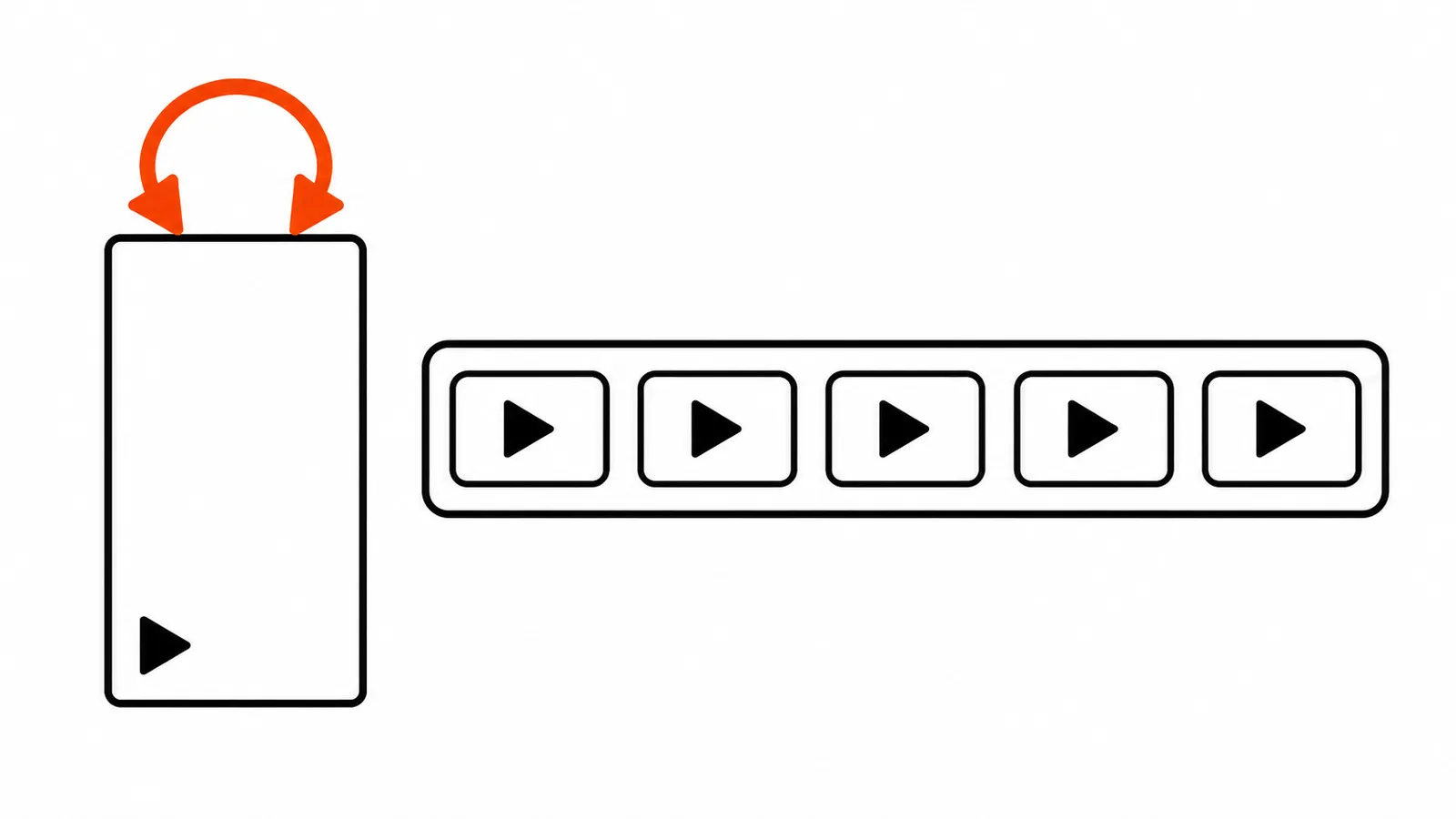
Innovadvisers, in a review dated 31 August 2026, lists the Wildberries video cover parameters: a vertical 3:4 frame, a working size of 810 by 1080 pixels, MP4 or MOV container, H.264 or MPEG-4 codec, side from 720 to 1920 pixels, 25 to 30 frames per second, AAC or MP3 audio, weight up to 1000 MB, length up to 3 minutes, one video per listing, placed second in the gallery by default.
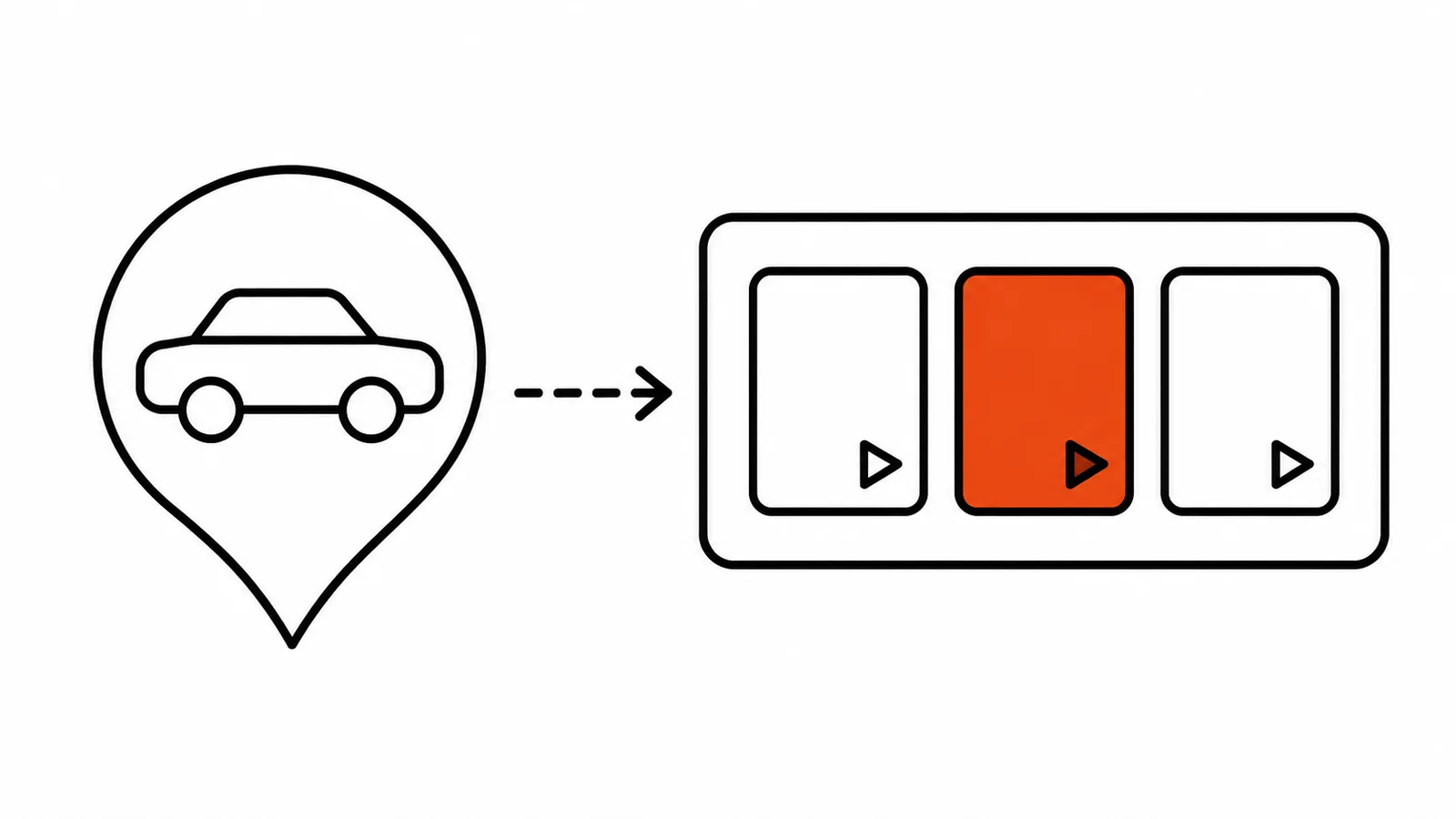
Ozon reads differently in the same review: the aspect ratio follows the category, 3:4 for apparel and 1:1 for everything else, resolution from 1080p on the long side, an optimal length of 8 to 30 seconds built for looping, weight up to 20 MB, and no audio track.
Then the disagreements start. PixSora, in a review dated 3 June 2026, gives up to 3 minutes and up to 1000 MB for Wildberries, and up to 5 minutes with up to 100 MB for Ozon rich content. Shopstory, in a review updated on 27 November 2026, sets a different weight limit for Wildberries: up to 50 MB. Three sources, three different numbers for the same requirement.
The practical takeaway is plain: pull the parameters from the platform help page before every batch. A published guide goes stale faster than it gets updated, and a file built to it lands in moderation along with the gallery slot.
What belongs in the first frame
A cover shows the product whole: shape, colour, texture, scale next to familiar objects. A logo, an unboxing shot or a person holding a box tends to underperform on a tile, because the eye is looking for the product itself at that moment.
The second rule concerns motion. A slow rotation, a highlight travelling across a surface, a change of angle on the same product reads well in a small window. A fast cut of five shots in the same window turns into flicker, and the shopper scrolls past.
What shapes the cost on the market
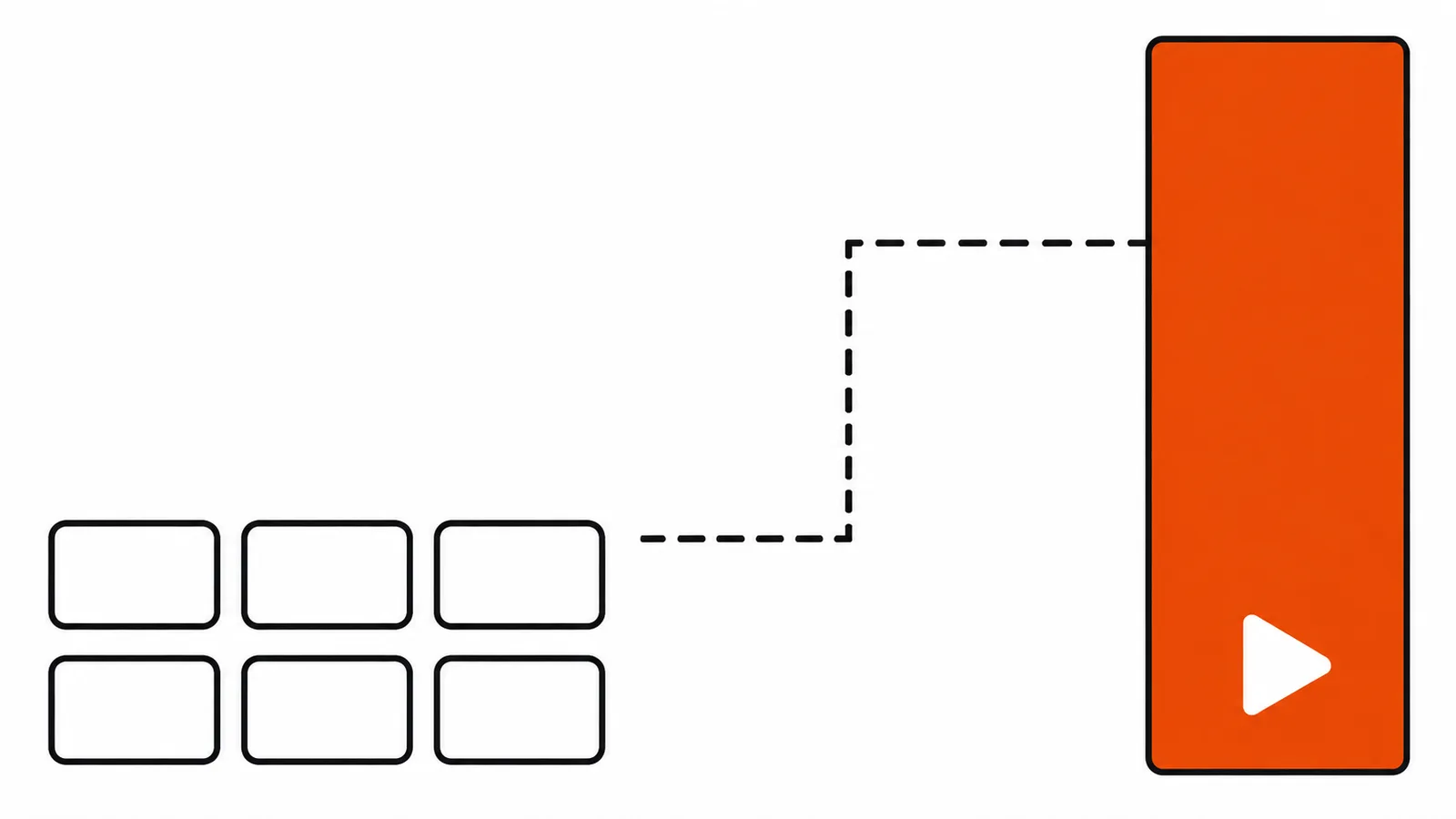
Flami, in the review dated 20 May 2026, gives two reference points: building a cover with AI costs from 30 to 200 roubles per clip, and a studio will ask for 5,000 to 15,000 roubles. The figures come from the service, with no calculation method on the page, yet the order of magnitude shows the main thing: the gap between the paths runs into tens of times.
A breakdown by pricing model helps when estimating a catalog.
Per clip. The buyer pays per unit of output: one product, one file.
Per shift. The studio model, where price tracks crew time and equipment, and the number of products per shift depends on how well they are prepared.
Per position. Price is tied to the catalog: so many SKUs, so many covers.
Per iteration. Rebuilding after moderation or after client feedback is a separate line, and on a hundred-item catalog that line weighs more than it looks.
Comparing quotes honestly only works with a breakdown. Two suppliers will name the same job differently: in one price list editing is included in the clip price, in another it is a separate line, a third bills by the minute of finished material. For a catalog quote it pays to see three numbers: unit price, batch size and the date of the first delivery.
A catalog and a single listing are priced differently
On a single listing, handwork is cheaper: one product, one approach, fixes on the spot. Across dozens of listings a template wins: one first-frame layout, one motion scheme, product swapped in. The difference rests on the economics of repetition, because a template does not pay off on one clip, and handwork is not worth repeating a hundred times.
The line runs along catalog uniformity. Five items with different packaging and different angles are easier to handle one by one. Fifty items of the same category ask for an assembly line: shared backdrop, shared rhythm of motion, one length. Covers for Wildberries and for Ozon are quoted as separate batches, because the platform requirements do not match. The same task from the service side is laid out on the AI UGC videos for marketplace listings page.
Rights to the footage
The breakdown from 28 July 2026 states it directly: a clip taken from a manufacturer's site, from another listing or from social media stays someone else's property, and a rights holder's claim leads to the video being taken down. For a cover this bites harder than for a gallery clip, because the cover sits on the first screen and everyone sees it.
Assembling from existing product photos does not remove the question. If the shots were made by a supplier or pulled from another listing, the same story repeats at the level of source material. Rights get collected before editing starts.
Common buyer mistakes
The first is uploading a cover hundreds of megabytes heavy. The Ozon ceiling sits well below the Wildberries one, and a heavy file from one platform does not move to the other.
The second is opening with a spoken line. Covers are watched muted, and a meaning that rests on a phrase disappears with the sound.
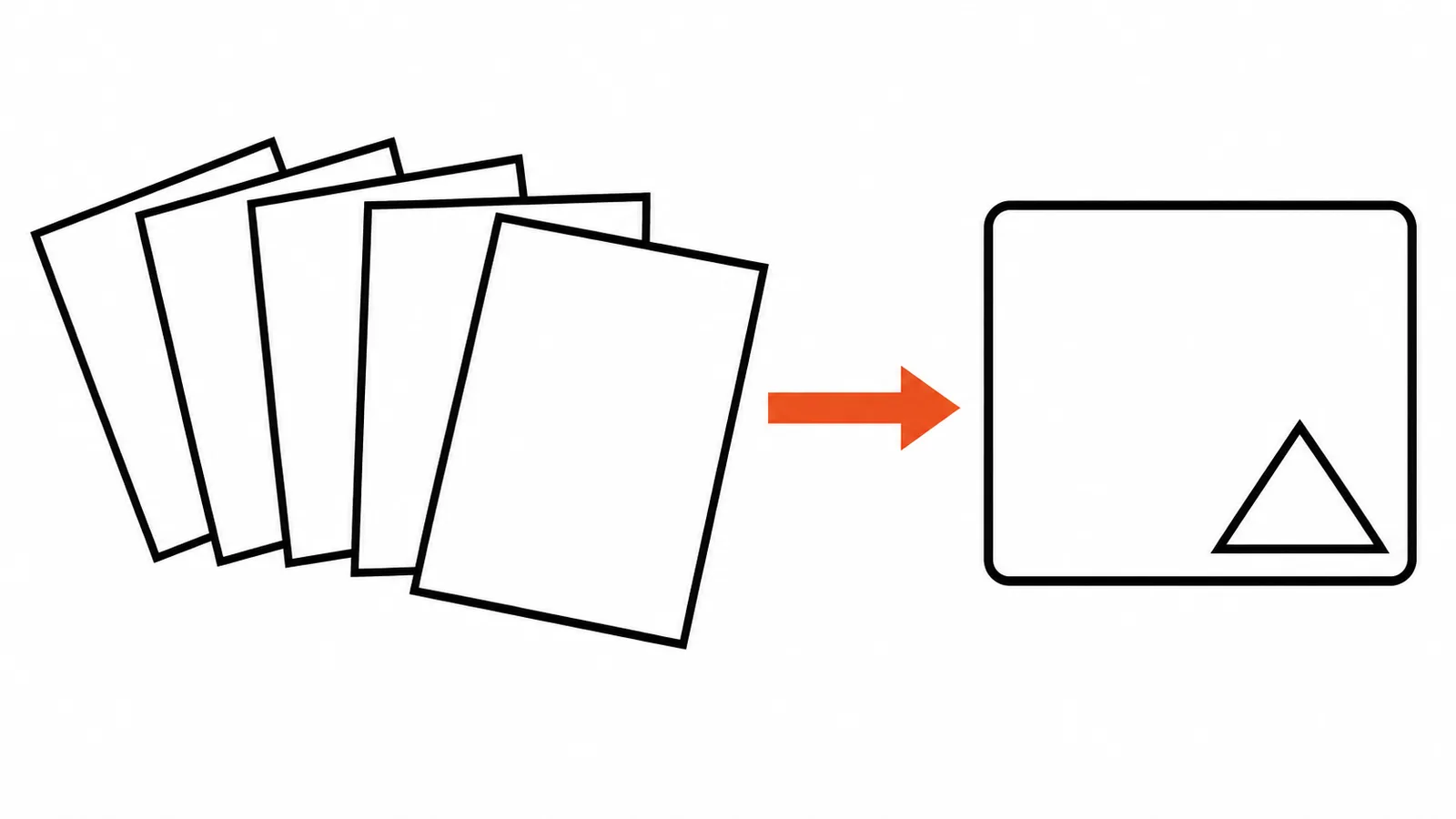
The third is building a cover from a single still frame. That repeats the photo, and the gallery slot is already taken.
The fourth is reading a service's conversion claim as a guarantee. Uniseller, in an article published on 18 June 2026 and updated on 26 November 2026, claims that listings with a video cover get on average 15 percent more orders. PixSora promises "30 percent better" in the headline of its 3 June 2026 review. Neither figure comes with a published methodology, and both are claims by a service provider.
The fifth is skipping the category check on framing. On Ozon the aspect ratio is set by category, and a 3:4 frame built for apparel looks foreign on another category.
Platform rules are worth checking before every batch: rich content for marketplaces changes faster than the reviews get updated. The neighbouring platform is covered separately in the piece on video for Wildberries listings, and the broader picture of listing video demand sits in the Ozon product video market.
Our offer
We produce video covers for marketplace listings in batches. Handcrafted videos run from $394 per video, up to 90 seconds, with editing and music included and a first batch in about a week. Vertical videos at scale and 9:16 vertical video ads are billed from $2.47 CPM, with orders from 100 clips per month and a first batch in 5-7 days. Formats and timelines sit on our pricing page, and the AI UGC video service page covers work for a specific platform.
Reach us on Telegram @neurocartel_sup, WhatsApp +7 993 909-98-29, or email info@neurocartel.com.