Three jobs behind one sentence
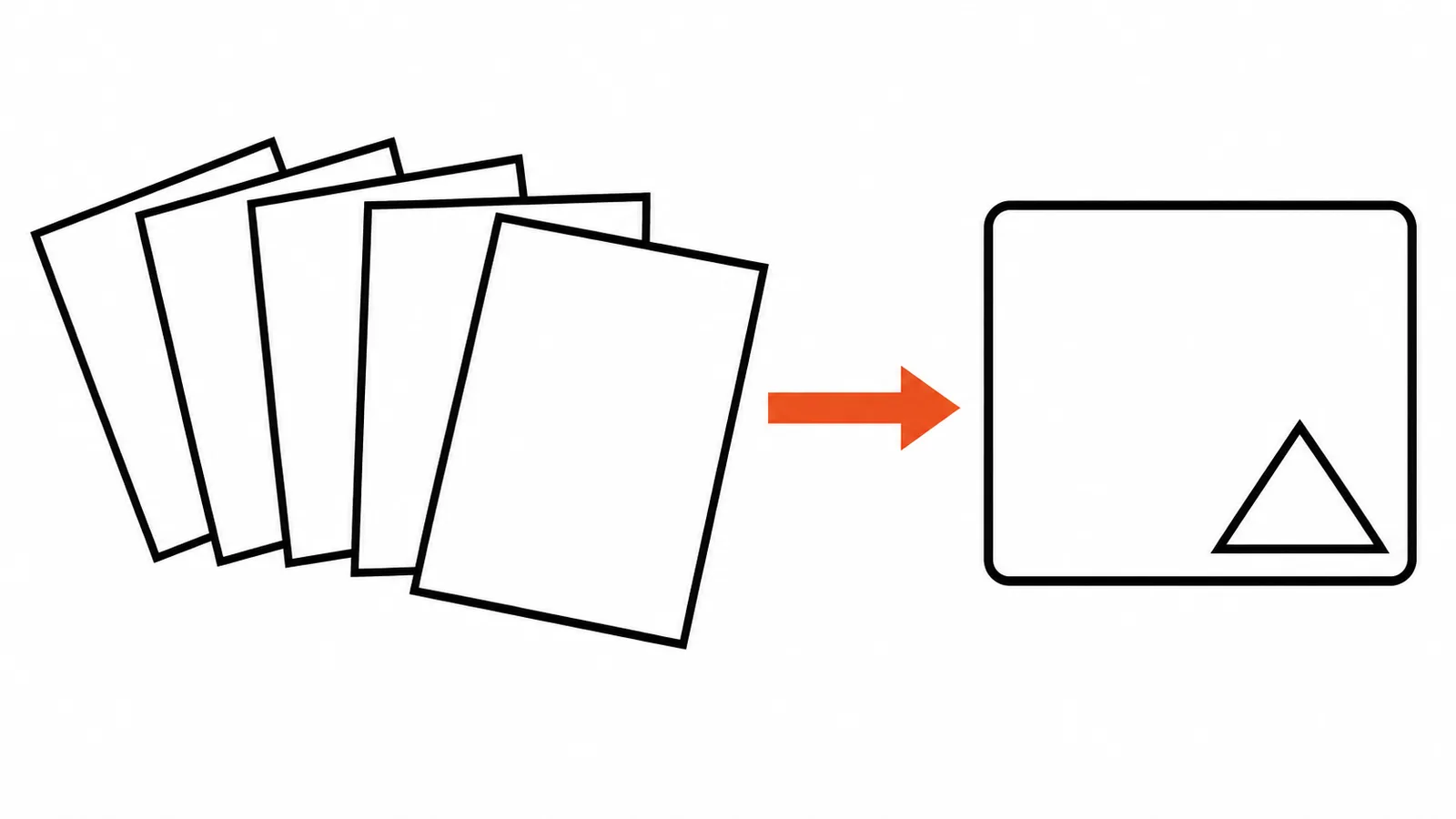
A folder of stills arrives with a request for a video. Behind that request sit three separate projects.
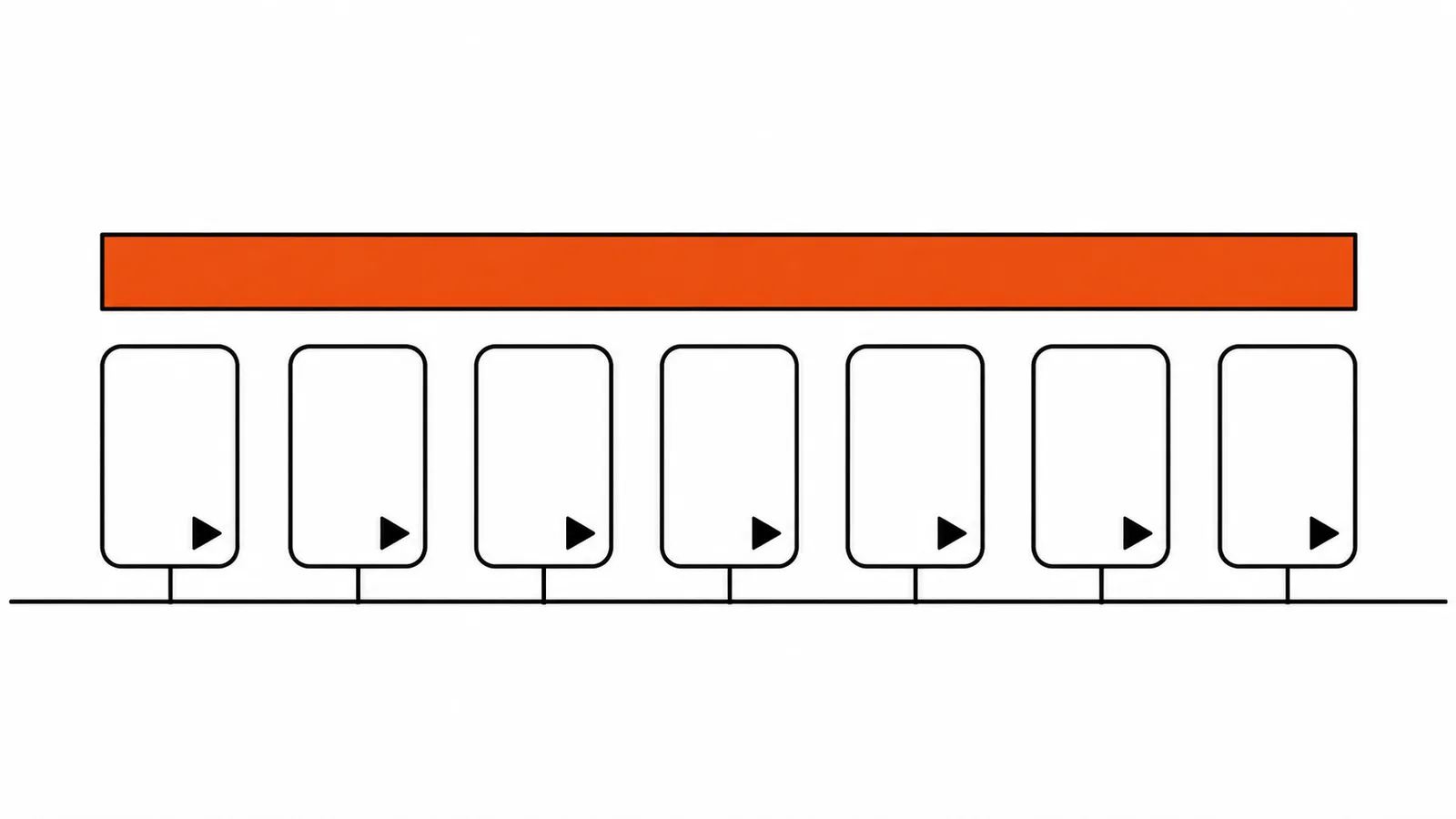
A slideshow. Photos run one after another over music, with transitions, dates and captions on screen. Almost all of the work is editing.
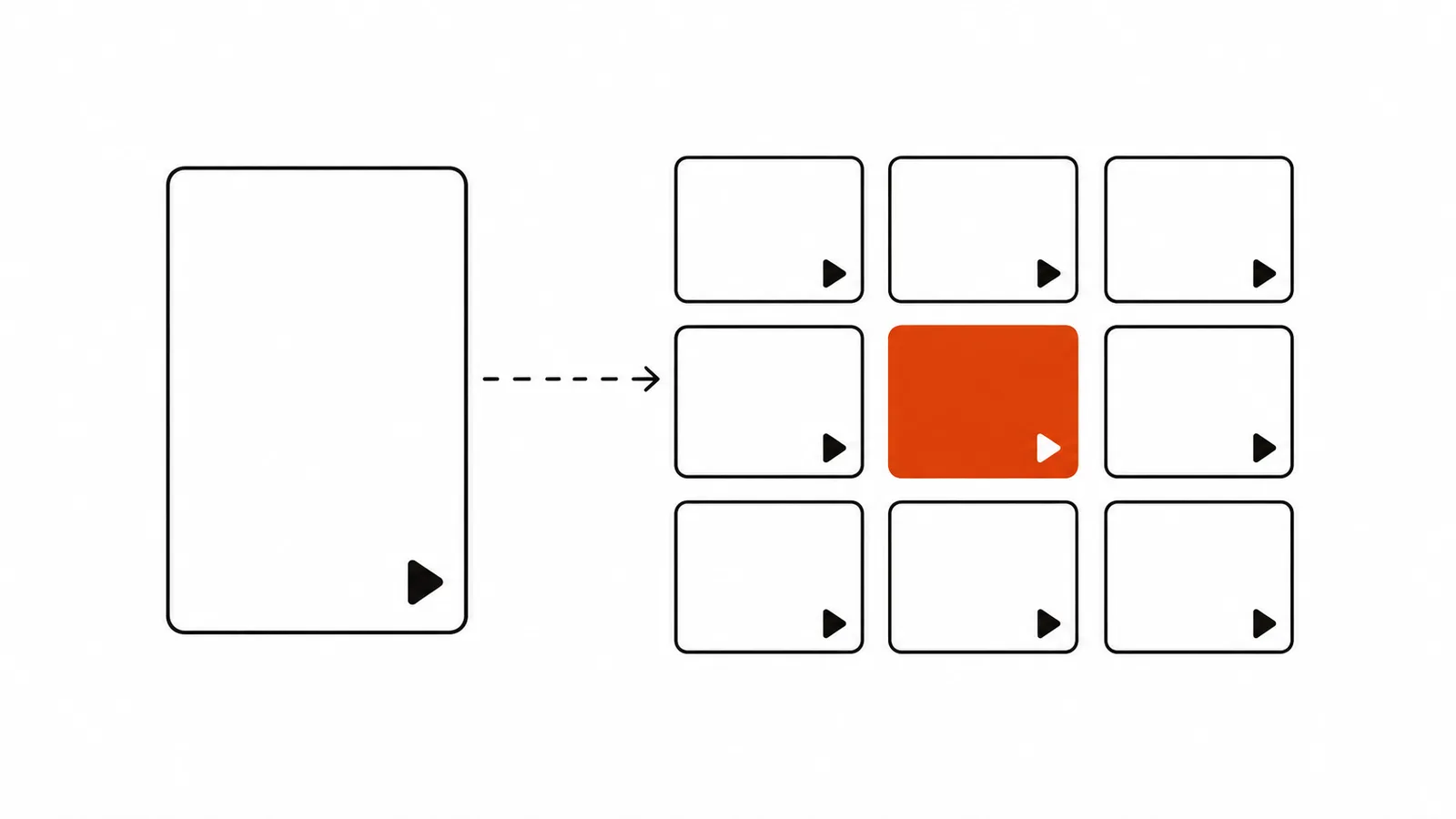
A single animated still. A portrait or a landscape becomes a short shot: the person turns their head, leaves move, the camera pushes in.
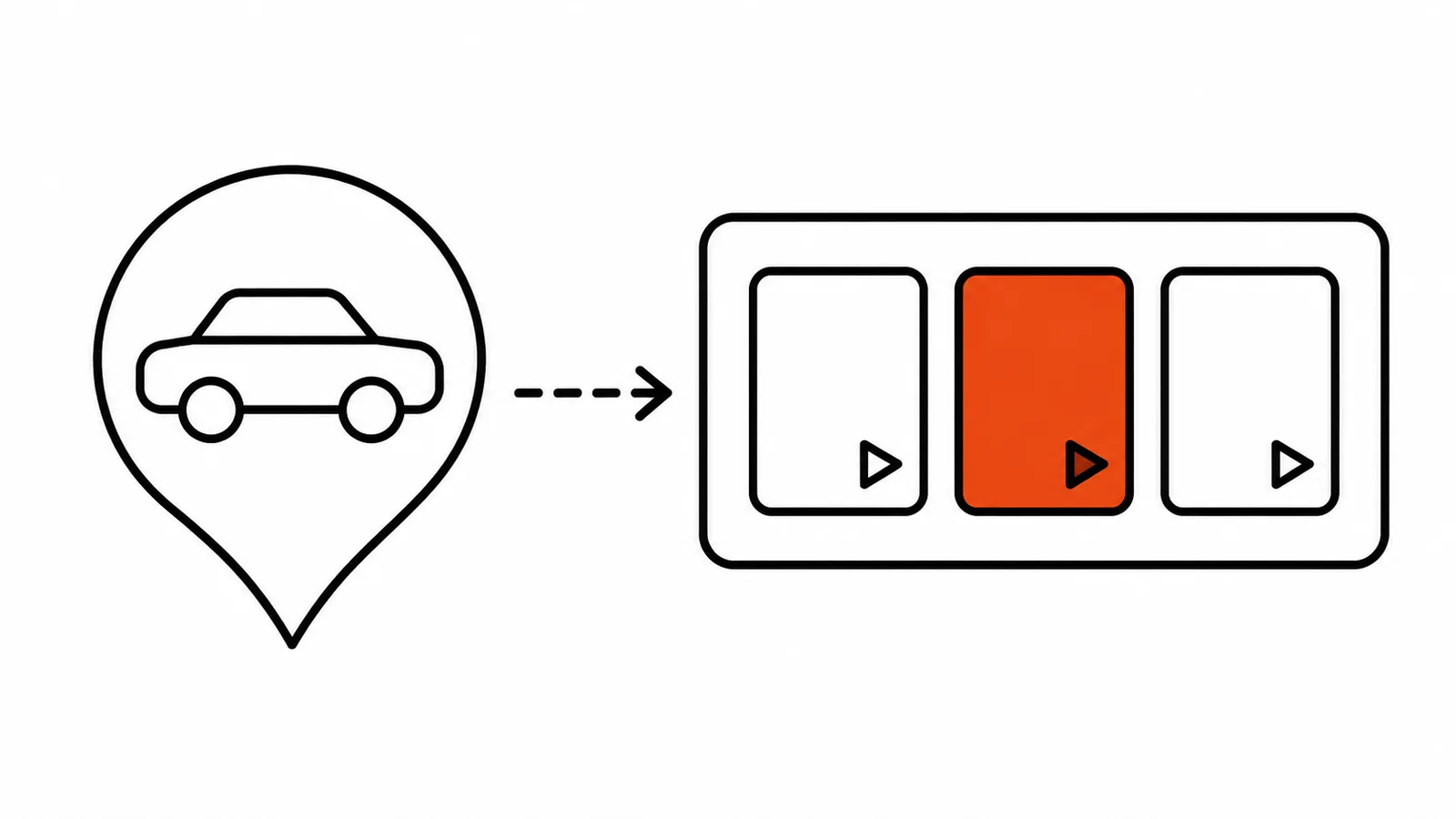
A narrative piece. Several scenes, camera movement between them, voiceover, sometimes on-screen text. The expensive version, because it needs a script and matching between shots.
The quotes differ, and so does shelf life. An anniversary greeting plays once, a website clip runs until the layout changes, a slideshow gets rebuilt whenever the client adds new photos. One flat rate across all three usually means somebody guessed at part of the scope.
What generation actually does with a still
A Habr article by the company Study AI, published on 26 November 2026, describes the flow plainly: upload a photo, describe what should happen on screen, get a clip of 5 to 30 seconds, often with sound attached. The author warns that the difficulty sits in the result: the frame has to look like film, and a wobbling animation with a drifting face goes in the bin. That piece comes from a service vendor with no independent research behind it, so its numbers describe tools, not market rates.
The limits show up fast in practice. Profiles and moving hands break first, text on signage rewrites itself, and a long scene falls apart as the model holds a short shot and bends the geometry of the frame over time.
Why this is usually editing work
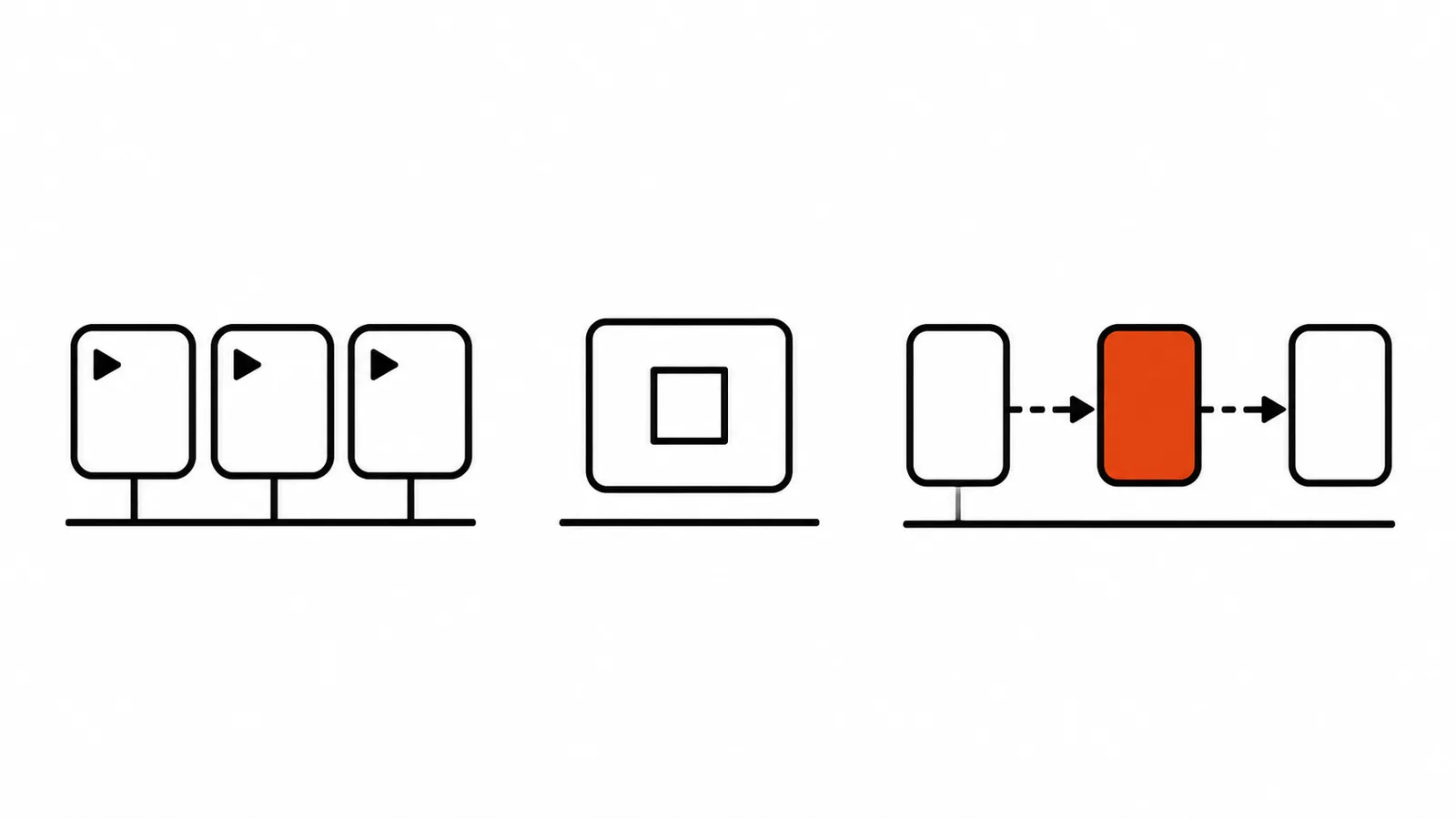
Thirty seconds of generated footage is not a video. A two-minute piece cut from an archive runs on many shots, and generation covers one or two of them.
The rest of the calendar goes to culling a large folder of stills, ordering shots, pacing against music, matching colour across seasons, captions with dates, and sound. That is video editing as a service, and it is where the hours actually go.
Shot Studio, writing on Sostav on 25 November 2026, breaks a production estimate into preparation, crew, equipment and logistics, and postproduction. Postproduction is billed per video, and the more versions and graphics, the larger that part of the quote grows. For an archive project there is no shooting day at all, so postproduction becomes the main block.
What the market's price is made of
The market prices three units, and a single quote often mixes them.
Per finished minute. In the Videohunter price list, checked on 28 November 2026, editing is listed at 45,000 rubles per minute of finished video.
Per finished video. MustFilm, in an article dated 27 July 2026, explains a spread from fifty thousand to several million rubles for outwardly similar clips through volume of work: the cheap end is one operator for half a day and an edit over two evenings, the expensive end is a team of producer, director, camera operator and editor plus sign-offs and several rounds of revisions. Timelines in the same piece run from two to four weeks.
Per scene and per version. Every shot in a narrative piece is its own generation, its own cull of takes and its own check against the neighbouring frames. A vertical cut changes the framing and the caption line, so it is a new export.
What the demand data shows
Wyzowl, in State of Video Marketing 2026, reports that 63 percent of marketers use AI tools to create or edit video, up from 51 percent a year earlier. Over the same period the share reporting good return on video fell from 93 to 82 percent.
That gap is the fact worth carrying into a quote. The tooling got easier and satisfaction with the output dropped, because a still pushed through a generator produces a fragment, while a video needs selection, pacing and sound.
What to prepare before asking for a price
Original resolution. A screenshot from a messenger arrives compressed, so once it is stretched to a 16:9 frame the blocks show.
Rights to the photos. Start with whose still it is and which document backs the right to use it. That dispute rarely ends in the client's favour: one complaint from the author and the clip leaves the platform. Slepoy Khameleon works through exactly that case in a blog post dated 28 July 2026.
On-screen text, music, references. Dates, names and prices are best handed over as a list, because a caption change after delivery means another pass over the whole video. A track from a streaming service does not clear for use. Two or three reference clips that show the desired result save one round of revisions.
Where generation wins and where it does not
Decade-to-decade transitions. A 1970s photo next to a shot from this year, an animated frame between them, and the passage of time reads without a word. Faded portraits from a family archive and places that no longer exist work the same way. How this is assembled at tool level is covered in the material on AI video production.
A shoot is still needed wherever the audience can check the result. Packaging, fabric, food and mechanisms get redrawn, and small details drift from the original. A person who has to be filmed now is a different case: an avatar covers regularity, a live frame covers trust. A specific object with exact details gets shot too. Work like that sits closer to handcrafted AI videos, while a company archive built for an anniversary or a hiring push leans on chronology and belongs with corporate video.
The line runs along the consequence of an error. If someone can verify the mismatch and a conversation follows, the object gets filmed. The general logic of that choice is set out in AI video versus a traditional shoot.
Mistakes clients keep making
Three minutes out of twenty photos. Twenty frames across three minutes is nine seconds per frame, and the piece turns into a slideshow of pauses.
Expecting photorealism from one still. A model holds a short shot, and the face drifts over a longer move.
A quote without failed takes and revisions. In generation, duds are normal, and the time spent culling takes belongs in the price.
Screenshots instead of originals, and no versions. Upscaling does not restore resolution, and a single file for every placement means a second edit later.
How to read a quote
How many shots are in the piece and how many stills feed each one. How many takes and revisions come with the price: one round and three rounds are different work. Which cut-downs you get for the same money, and for which placements. What postproduction covers, since edit, colour, sound, captions and voiceover get quoted differently. Who owns the source material and the rights to the result.
A useful quote answers three things: what is produced, at what batch volume, and when the first delivery lands. Read those three answers side by side and the padding shows up on its own. For a market baseline, the breakdown in what an AI video costs is a useful reference.
Our offer
We produce AI video from clients' photo and video archives: culling, animating key shots, editing, music and captions. Handcrafted videos run from $394 per video, up to 90 seconds, with editing and music included and a first batch in about a week. Vertical formats at scale and 9:16 vertical video ads are billed from $2.47 CPM. Rates and timelines for every format are on our pricing page.
Reach us on Telegram @neurocartel_sup, WhatsApp +7 993 909-98-29, or email info@neurocartel.com.