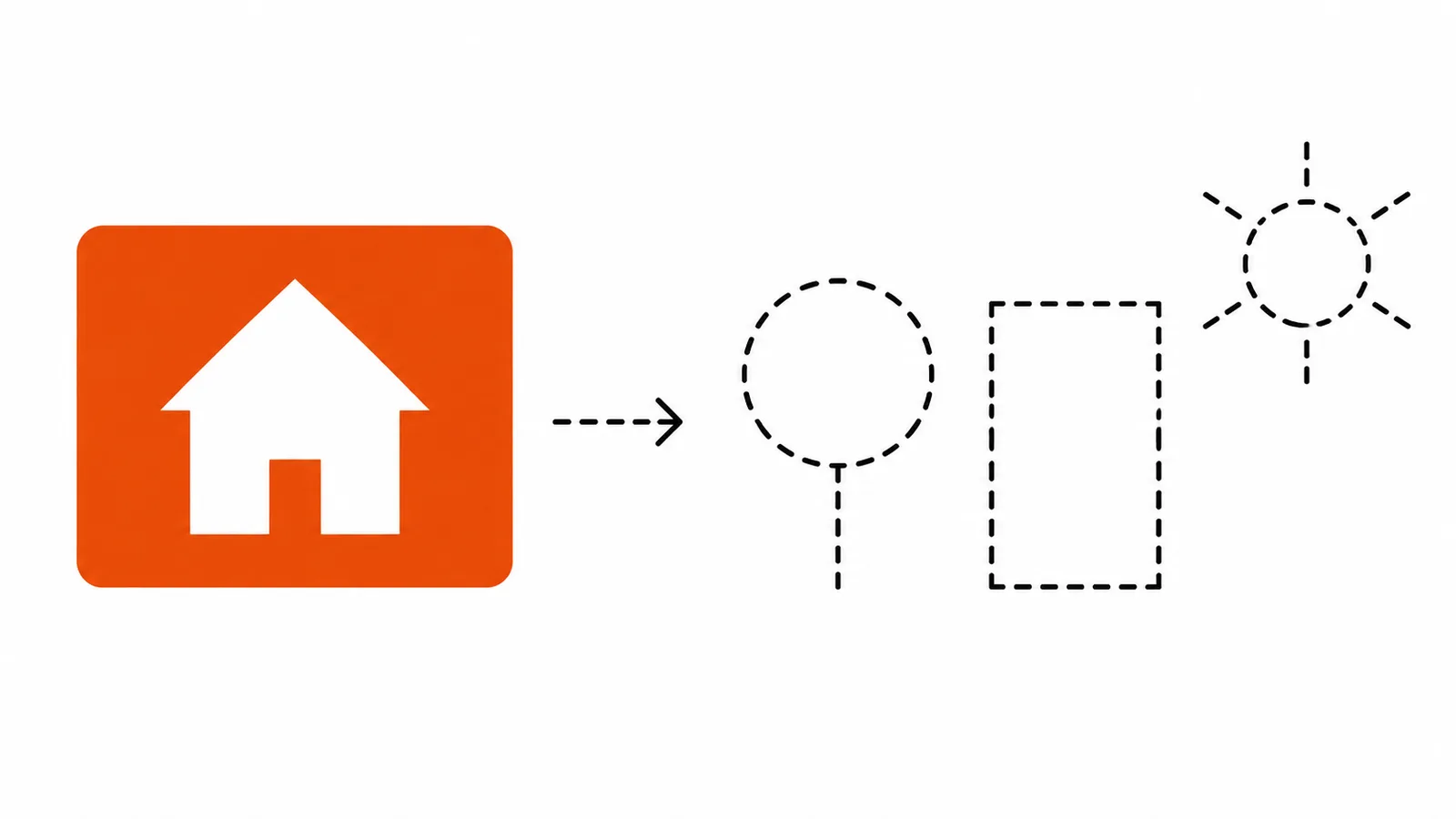
Four jobs behind one request
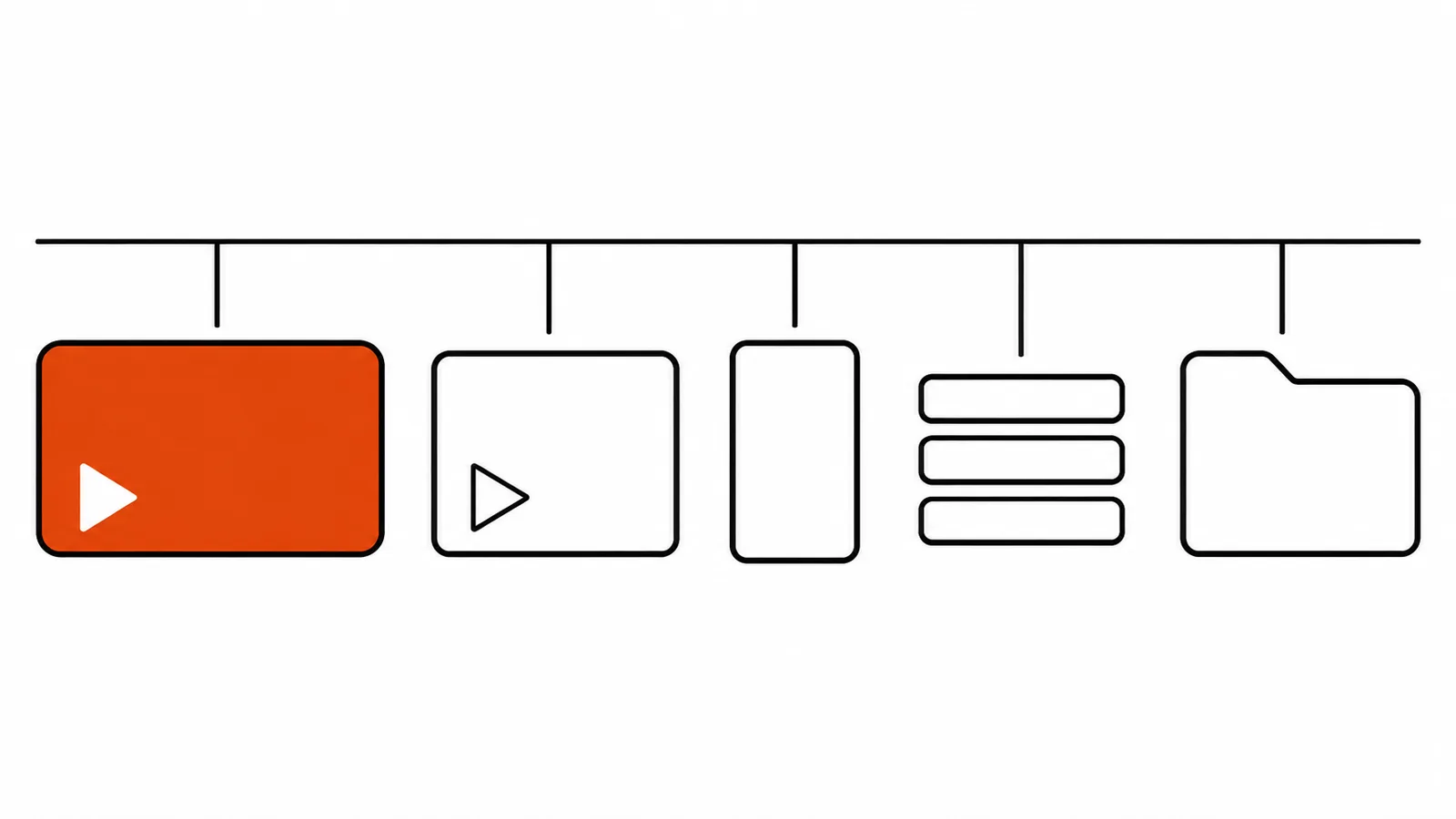
An agency asks for a video, and the conversation then turns to which video.
A clip for one property. A flat or a house that is on the market right now. The job is narrow: floor area, light, layout, the view from the window, the state of the renovation.
A video about the agency. People, the office, experience, viewings, paperwork. What sells is trust in the team, and the property is only the backdrop.
A project for a developer. A residential complex, the courtyard, amenities, floor plans, construction stages. A separate genre with its own approval cycle.
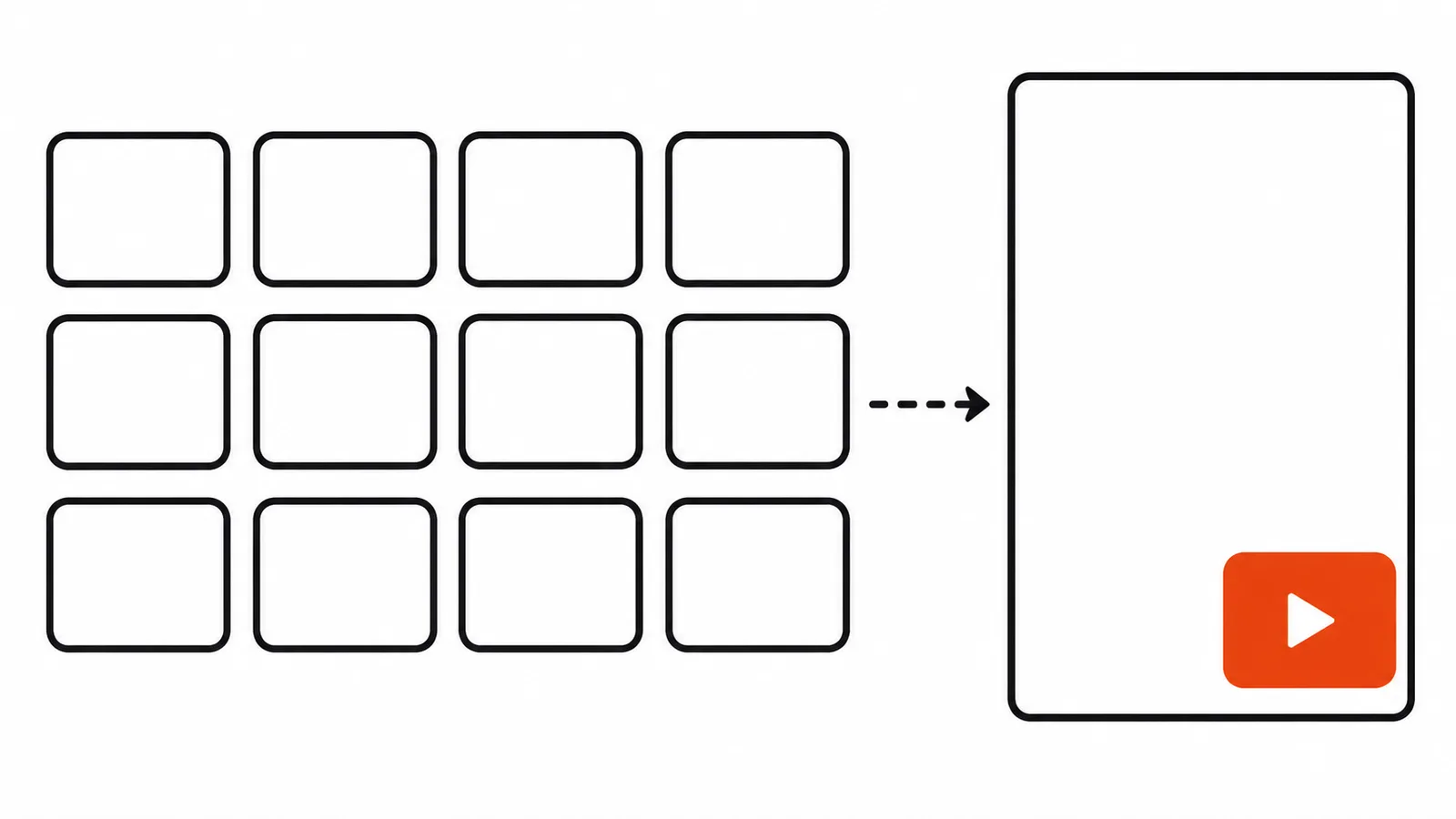
Versions for placements. Short vertical cuts from finished footage: one shoot and several files for different screens.
These pieces age at different speeds. A flat leaves the market within weeks, and the clip lives exactly that long. An agency film keeps working for years. A developer's project is updated with each new phase. Hence the first rule: one quote covering all of it usually means that part of the work was guessed at.
Why a property and an agency are priced apart
A property shoot is tied to an address. A crew arrives, sets up light, films the floor area and the view, and leaves. The result is needed for as long as the listing is live. An agency shoot is tied to people and the calendar: several faces on camera, interviews, re-recording, titles with names, graphics. That footage outlives a change of listings.
Both can be squeezed into one day when the office and the property sit close together and everybody is free on the same date. That coincidence is rare, so the market prices them separately: a property budget grows with the number of addresses, an agency budget with the number of people and angles.
What the niche data shows
Propmodo, in an article by Franco Faraudo published on 13 October 2026, looks at the case of Rian Serhant. He started a channel with HeyGen that publishes original content daily for twelve months through an AI avatar built on his likeness and voice. He approves the topics himself and personally signs off anything related to the market. His argument: every hour an agent spends on filming is an hour not spent with a client, at a showing, or on the business.
The same piece cites the NAR 2026 Realtors Technology Report. Twenty-three percent of agents use AI daily and another 25 percent weekly, while the share who do not use it at all fell from 32 to 21 percent over the year. Most of that use goes to text: 75 percent write property descriptions with it, 56 percent social posts, 52 percent email drafts. Fifty-four percent named generative AI for content as what they most want to add in the coming year. Video stayed on the sidelines for an obvious reason: it required being on camera.
The price of trust
This niche carries a constraint that product advertising does not. Propmodo puts it plainly: the product being sold is a person, and agents compete on recognition and judgement. An avatar of a particular agent saying generic things about interest rates stays generic, and likeness does not compensate for substance.
Surveys show how audiences receive AI advertising. Fractl polled 1,008 US consumers: the share who say heavy AI use would lower their trust in a favourite brand rose from 20 percent in 2025 to roughly 40 percent in 2026, while only 14 percent said trust would rise. A Harris Poll from June 2026, cited in the same piece, found 78 percent of consumers think AI makes advertising less credible and 63 percent are less inclined to buy from a brand that uses AI ads. Both surveys come through the Propmodo article of 13 October 2026.
The conclusion is narrow. Generation handles the routine around a deal well: environments, versions, repeatable scenes. It handles the face of the deal badly when there is no substance behind the avatar.
Geography as part of the brief
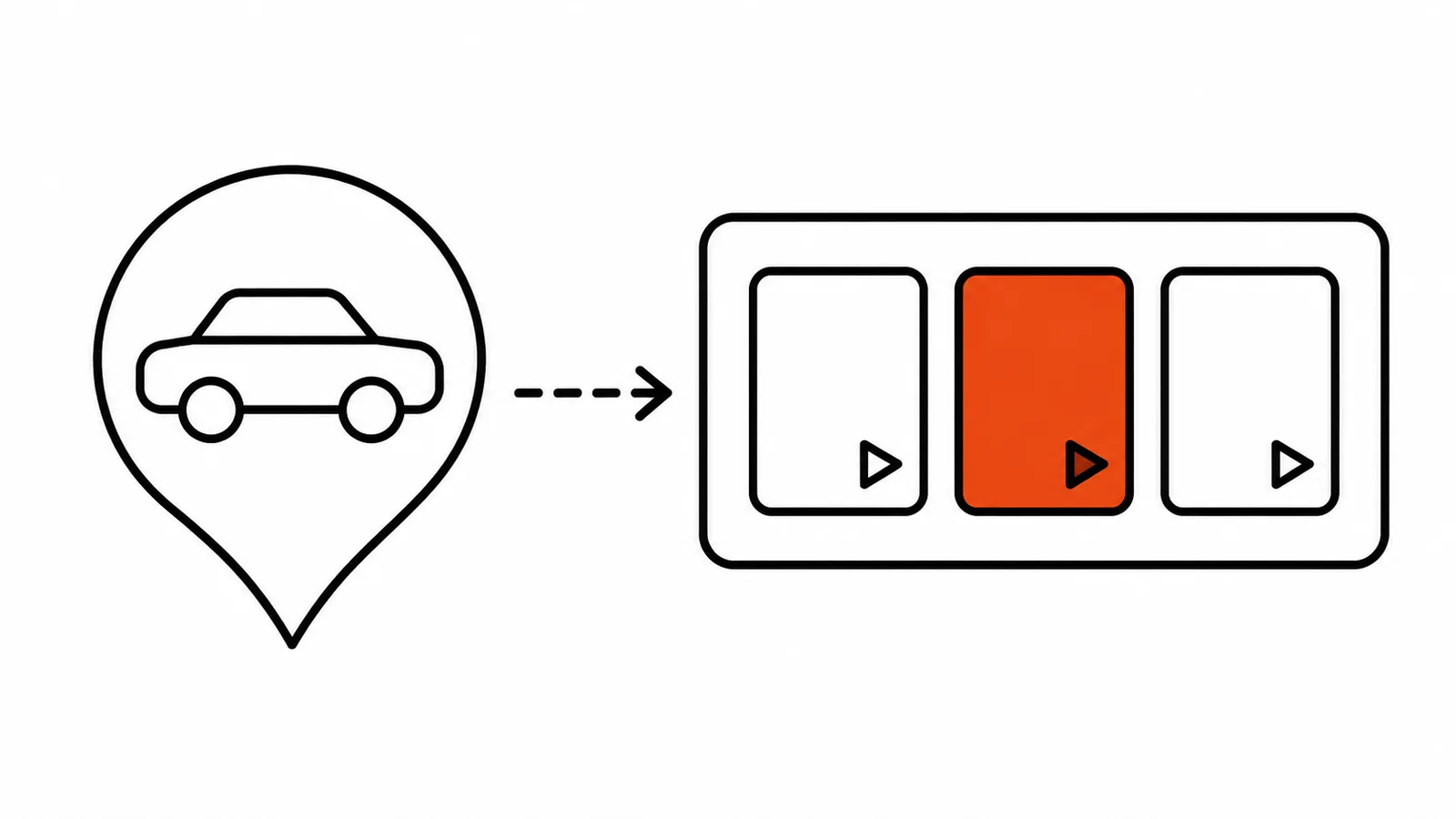
A property sells in a specific city and often in a specific district, and buyers search by map. That creates two cost lines clients rarely budget for. The address and the on-screen titles tied to a district. A separate version for each district when the agency covers several.
A template with swapped text saves a crew day and gives itself away when the courtyard on screen does not exist in that neighbourhood. The buyer turns up for a viewing and compares the place against the clip.
A separate line in this niche is a property video built for ads: scenes, angles and surroundings are made for a specific address, with the real property as the source. The surroundings on screen belong to that address, so each district needs its own brief and its own check.
What the market's budget is made of
Shot Studio, in a blog post on Sostav dated 25 November 2026, splits a shoot estimate into four blocks: preparation, the crew billed by shift, equipment and logistics billed by shift, and postproduction. Every extra shooting day drags the crew, the equipment and the logistics along with it, and in one of the estimates broken down in that post a second day added about 40 percent to the budget.
For an agency with ten listings in play that means the budget follows shifts and locations. The number of clips is secondary. Five flats in one building and five flats in five districts give different estimates at the same floor area. A second location and a second property inside one project cost close to a second project.
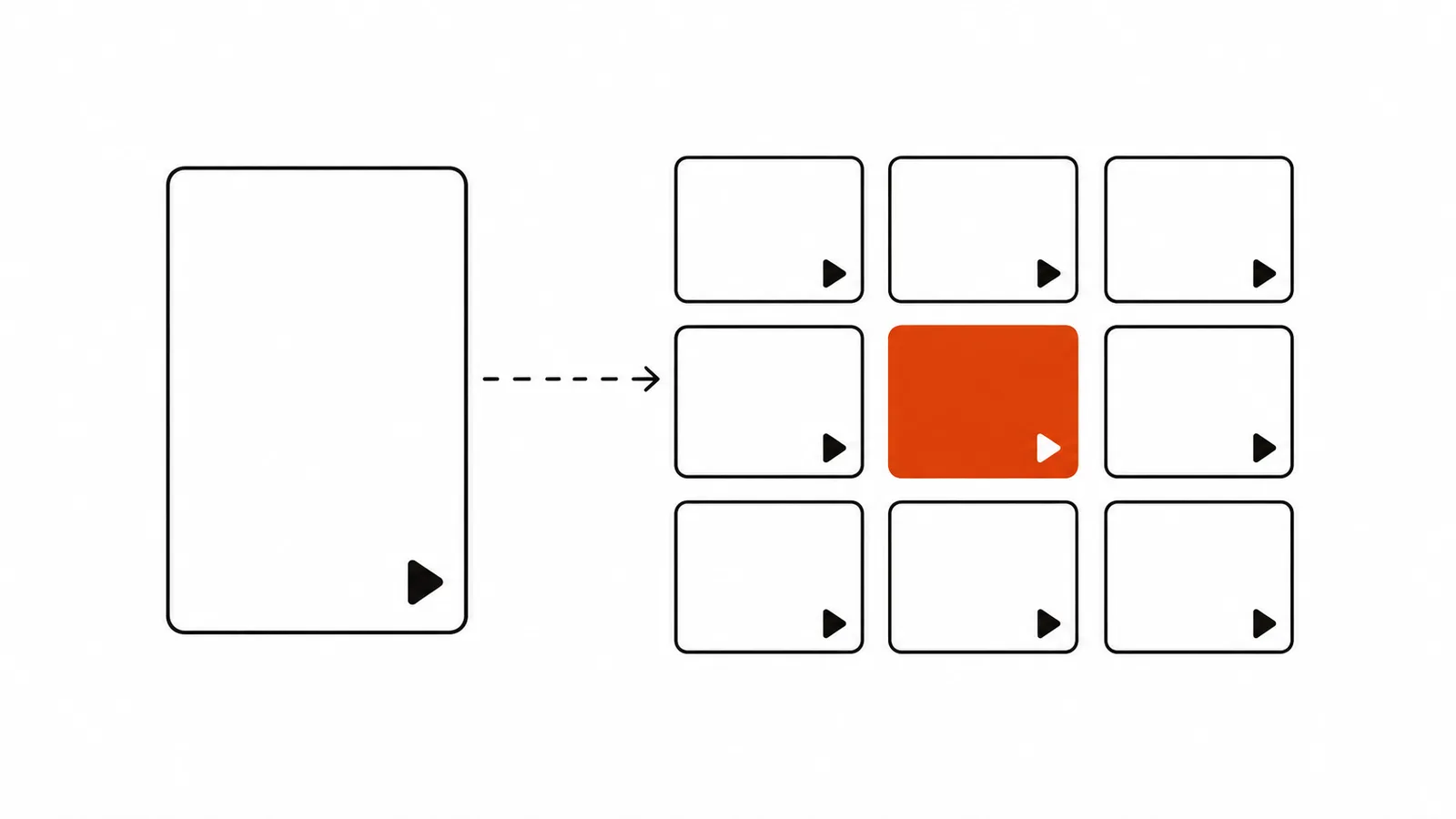
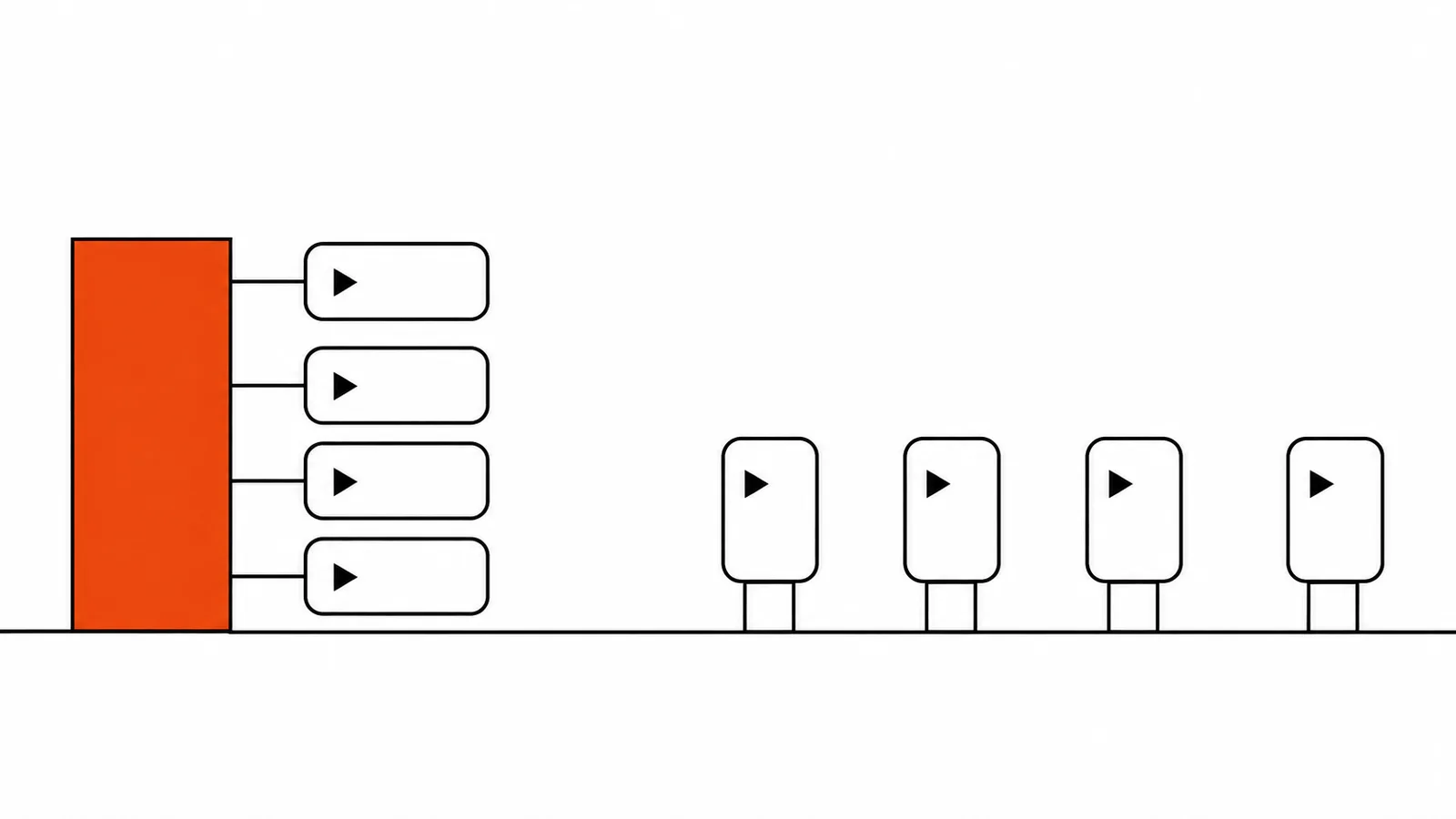
The third line that is easy to miss is versions. Horizontal footage for a website and vertical cuts for feeds differ in framing, titles and cropping, and each version is a separate export with its own check. Video ad formats are worth settling before signing: re-laying out a finished horizontal clip into vertical means a new assembly.
Where the shoot ends and generation begins
The line runs along the property itself. Everything around it is generation's work: furnishings, time of day, the view from the window, background planes, the courtyard, the entrance hall, the parking area. The property with its real layout and finishes needs source material, because a buyer comes to see what the clip showed, and a mismatch ends in a conversation at the viewing.
How a flat tour is assembled with generation is laid out in the breakdown of Higgsfield Property Studio. The working scheme is short: a person films the photos and a short clip of the property, generation builds the surroundings and the versions.
The photos have to be your own. Footage taken from someone else stays someone else's property, and a rights holder's claim leads to the clip being pulled, as Slepoy Khameleon notes in an article dated 28 July 2026. For an agency that applies directly to pictures taken by the owner or by a previous contractor: written permission is required.
Mistakes agencies keep making
A clip with no price and no address. A beautiful piece about light and floor area that carries neither the address nor the sum does not help anyone call.
One template across every listing. Swapping the footage saves a crew day and leaves the line about a cosy courtyard standing in ten districts at once.
Shooting without preparation and light. A flat full of belongings, a frame against the window and a dark corridor are not rescued in the edit.
No vertical versions. A clip cut for a website loses its titles at the edges of a vertical feed. How one shoot turns into vertical videos for business is covered separately, and a flow of those versions is what video ad creatives are built from.
A quote with no version count. The contract names one file while the placement list holds several, and every extra cut gets negotiated again.
How to check an estimate
Five questions cover most of the risk.
How many properties are in the project and across how many addresses. Shift count follows from that.
How many shifts are included and what a shift covers: crew, equipment, logistics.
How many versions and in which ratios. Separately: whether cuts from existing footage are included.
What postproduction includes. Edit, colour, sound, titles, graphics and voiceover are quoted differently by different vendors.
Who owns the source footage and for how long rights are transferred. Without that clause the material stays with the vendor.
It also helps to ask for the quote in three lines: production, batch volume, date of the first delivery. That shows where the vendor has built in a cushion.
Our offer
We produce real estate video ads for agencies and developers, including versions for each placement. Handcrafted videos run from $394 per video, up to 90 seconds, with editing and music included and a first batch in about a week. Vertical formats at scale and 9:16 vertical video ads are billed from $2.47 CPM, with a first batch in 5 to 7 days. Rates and timelines for every format are on our pricing page.
Reach us on Telegram @neurocartel_sup, WhatsApp +7 993 909-98-29, or email info@neurocartel.com.