Five jobs hiding behind one word
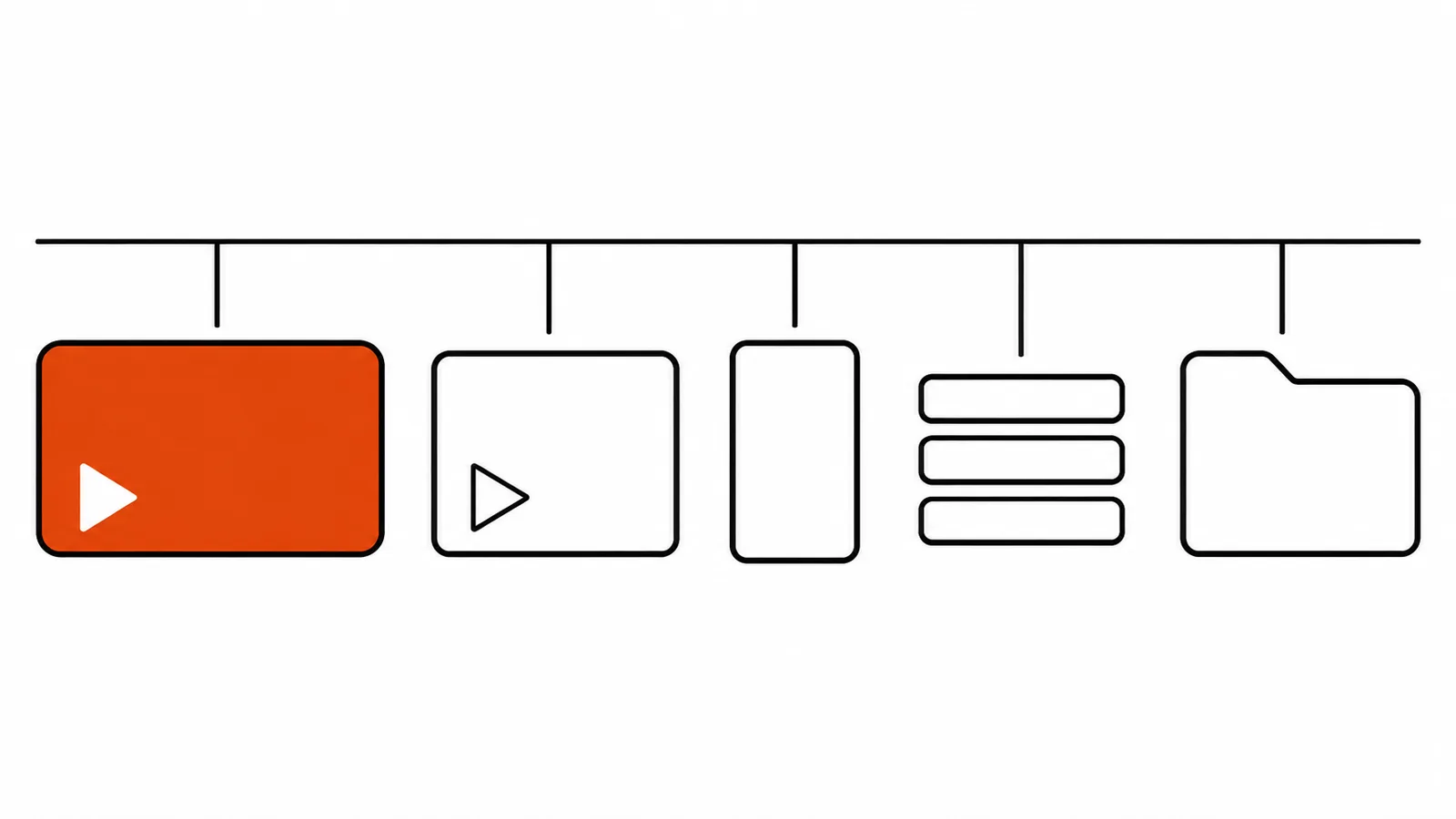
Corporate video is an umbrella. Five different jobs live under it, and each pulls its own budget.
A brand film. About eight minutes, interviews with leadership, a shoot of the facility or the office, music and graphics. The most expensive item on the list.
A product video. A short company video or a separate clip focused on one product: the item, its use, the benefit. Accuracy of detail matters more here than the scale of the shoot.
HR and onboarding. Clips about roles, a welcome from the team, safety training, a video about the city and relocation.
A training course. Modules with a screen, a presenter and subtitles.
An event report. A conference, a team offsite, an anniversary. A single filming day and a fast edit.
MustFilm, in an article dated 27 July 2026, gives reference points: a product clip and a standalone HR clip from 300,000 roubles, a brand film about the company from 500,000 roubles, and a full HR package (brand film, role videos, onboarding video and vertical formats) from 1,200,000 roubles. The same article puts timelines at 2 to 4 weeks depending on the format.
The explanation of the spread in that article is more useful than the sums. The market ranges from fifty thousand to several million roubles, and the difference is the scope of work at a similar margin. In the cheap version one operator works half a day and the edit takes two evenings. In the expensive one a crew is assembled: producer, director, operator with lighting, sound engineer, editor and motion designer, plus approvals and revisions. A general breakdown of what a video costs across vendors is worth reading before the negotiations.
Why the client and the vendor hear different things
A 40-second clip and an 8-minute film with interviews differ in the number of people on camera, locations, takes and versions. Length is a consequence in that breakdown, yet negotiations often start with it.
The client arrives with a task: show that the company is serious. The vendor hears a request for a film and quotes the full cycle. Both sides said the same word, and expectations landed an order of magnitude apart.
There is one practical way out. Before any estimate, describe where the video will live. A website, a client presentation, a screen in the office, an employee chat, a job board. The five jobs above differ partly by placement, and placement sets the length, the ratios and the number of versions.
What the market's budget is made of
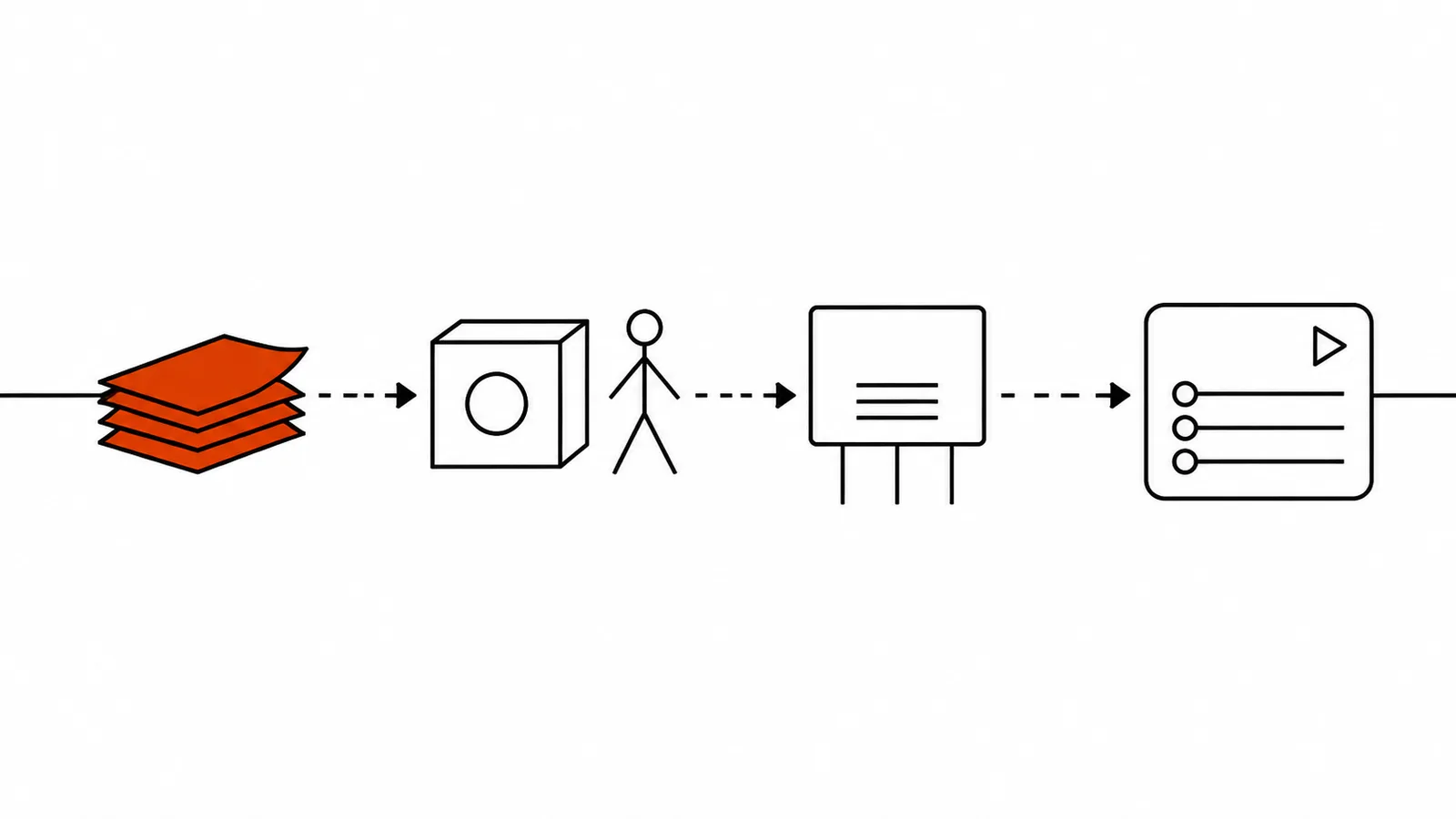
Shot Studio, in a blog post on Sostav dated 25 November 2026, splits an estimate into four blocks: preparation (producer, script, storyboard, locations and cast), the crew billed by shift, equipment and logistics billed by shift, and postproduction (edit, colour, sound, titles, graphics, voiceover).
The studio calls preparation the most underestimated block. A mistake there costs the most later, because going back to the start means paying for a new shift.
Shifts multiply a budget fast. Every extra shooting day drags the crew, the equipment and the logistics along with it, and in one of the estimates broken down in that post a second day added about 40 percent to the budget. The number of shifts is worth fixing before signing, along with the number of revision rounds: revisions often take one line in a contract and a week in the calendar.
Postproduction weighs more in corporate video than clients expect. Titles with job descriptions, graphics with numbers, colour matching across screens, and sound on a leader's voice recorded in a meeting room with hard echo. Video editing in such projects is a separate block of work, and it is better counted before the budget is approved.
Approvals as a separate line
In a corporate project the script gets signed by several people: marketing, HR, legal, the executive. Every new signatory adds a round of revisions, and the schedule stretches without a single new shift on set.
Hence a working rule of the market: the list of approvers and the number of revision rounds are fixed in the contract before the start. Studios that treat preparation as a separate block usually do exactly that. In an estimate it appears as an "approvals" line, and it is more honest than unlimited free revisions.
Where generation enters the chain
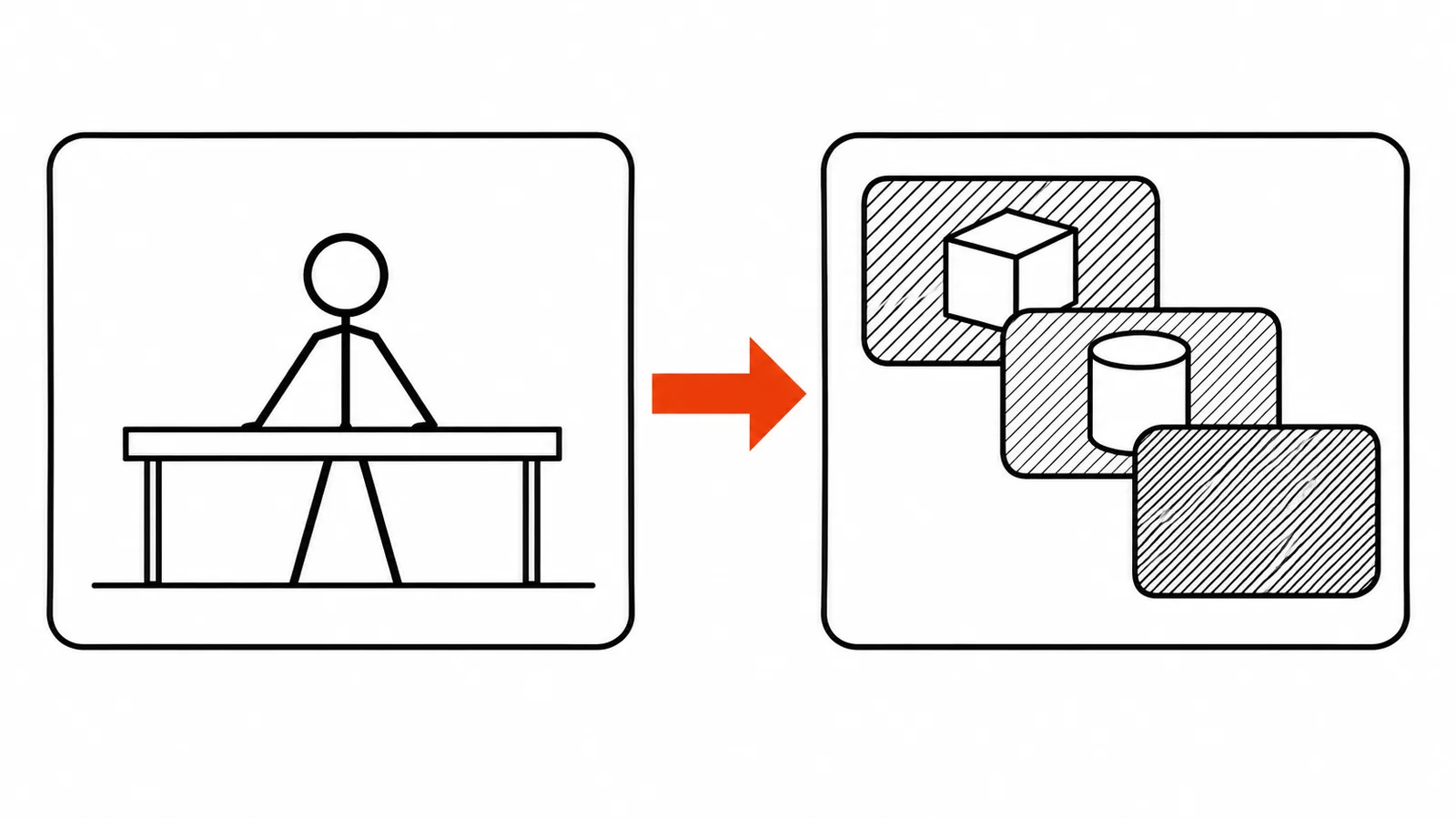
Generation has clear places in corporate video. Sets and backgrounds: an office, a city, a production floor when travelling there is expensive. Secondary shots: walking down a corridor, hands on a keyboard, a coffee cup on a desk. Versions for placements: a vertical cut from horizontal material. Anonymised scenes where a specific employee is not needed. Re-voicing into other languages, and an AI avatar hosting internal modules.
AI video production covers volume without sending a crew out, and for an internal library that is the main way to collect a dozen clips at a sensible cost.
There is a line. An executive talking about the year's results and an employee describing their work have to be real people. Trust in that kind of video rests on a recognisable face and a live voice. Scenes with real people are filmed with a camera, while generation takes the environment and the versions.
A library of clips versus one film
One brand film does the job of showing the company and barely touches the rest. Companies that have been through that stage usually end up with a library: a set of short clips for specific moments. What that looks like in practice is covered in the guide to how a company video is built.
Vendors make that case with numbers. The miru service, in a post dated 12 March 2026, reports that 72 percent of employees say video improves their onboarding experience, while only 23 percent of organisations use video in onboarding. The same post says 44 percent of HR managers saw new hires leave within the first month over the past year, and 70 percent of new hires decide whether the job suits them within that first month. The methodology is not published, so this stays the vendor's claim, not an independent measurement.
The wider market adds context. Wyzowl's State of Video Marketing 2026 reports that 91 percent of companies use video, that the share reporting good return on investment fell from 93 to 82 percent over the year, and that 89 percent of consumers say video quality affects trust in a brand. IAB and PwC, in April 2026, put US digital video ad revenue for 2025 at 78.0 billion dollars, up 25.4 percent (as summarised by Elite Content Marketer, page updated 2 November 2026). External advertising heats up production, and internal budgets compete for the same shifts and the same people.
The practical conclusion is short. Agree the internal success metric with the vendor before the estimate. For a recruitment clip it is time to fill a role, for a training module the number of questions sent to HR, for a brand film recognition at a trade show. A general ROI figure from an industry report does not transfer here.
Mistakes clients make
Filming everything at once. One clip that covers production, values, vacancies and the warehouse holds attention on none of them.
Blocking access to the site. Filming on a production floor needs permits, safety sign-offs and people released from the line. Without that the crew sits idle while the shift is already paid for.
Running approvals in one chat thread. Decisions get lost, script versions get mixed, and the schedule slips.
Skimping on preparation and sound. Weak audio in an interview is audible immediately and does not get fixed in the edit. A rewritten storyboard costs less than a reshot day.
Skipping vertical versions. A horizontal film watched in an employee chat on a phone loses the titles with names to the side crop.
Our offer
For corporate jobs we produce a company video and a set of handcrafted videos for specific moments: product, hiring, onboarding, training. Handcrafted videos run from $394 per video, up to 90 seconds, with editing and music included and a first batch in about a week. Mass formats, vertical versions for internal chats among them, are billed from $2.47 CPM. The full rate card for every format is on our pricing page.
Reach us on Telegram @neurocartel_sup, WhatsApp +7 993 909-98-29, or email info@neurocartel.com. Tell us where the video will live and how many people sign it off, and we will quote the work.