Criteria first, choice second
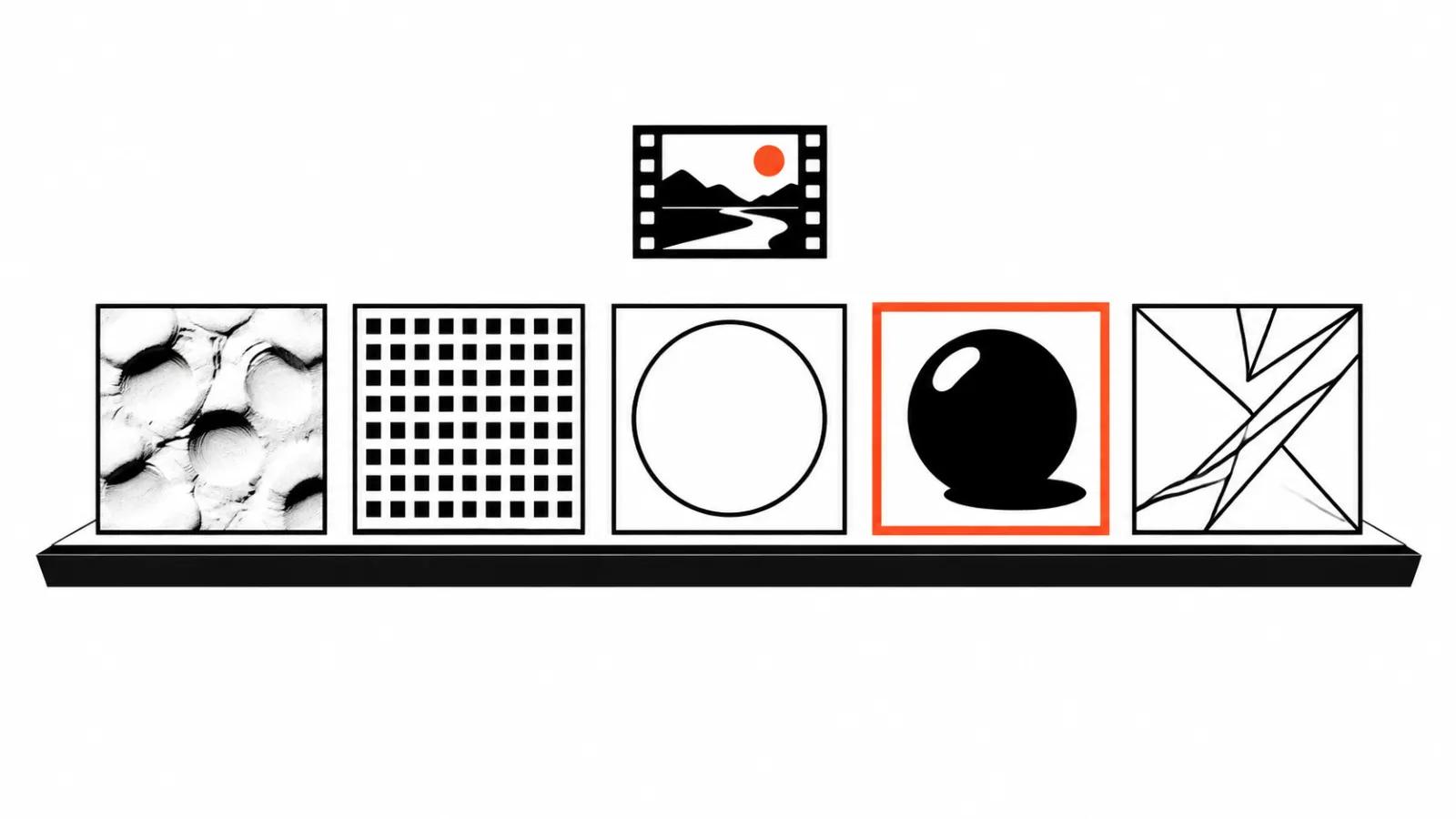
The debate over AI video versus a shoot is usually held without a list of criteria, which is why it ends in a slogan. The working order is different: six questions about the task first, format second.
What has to be shown: a real person, a real product, or a scene you cannot stage on set. What the deadline is: delivery next week or a month of room. What budget exists and whether there is any at all for a crew day. What physically cannot be filmed: something not in stock, something that does not exist, or something expensive to build. What the placement requires: length, aspect ratio, labelling. How many versions are needed: one spot or twenty variants for different audiences.
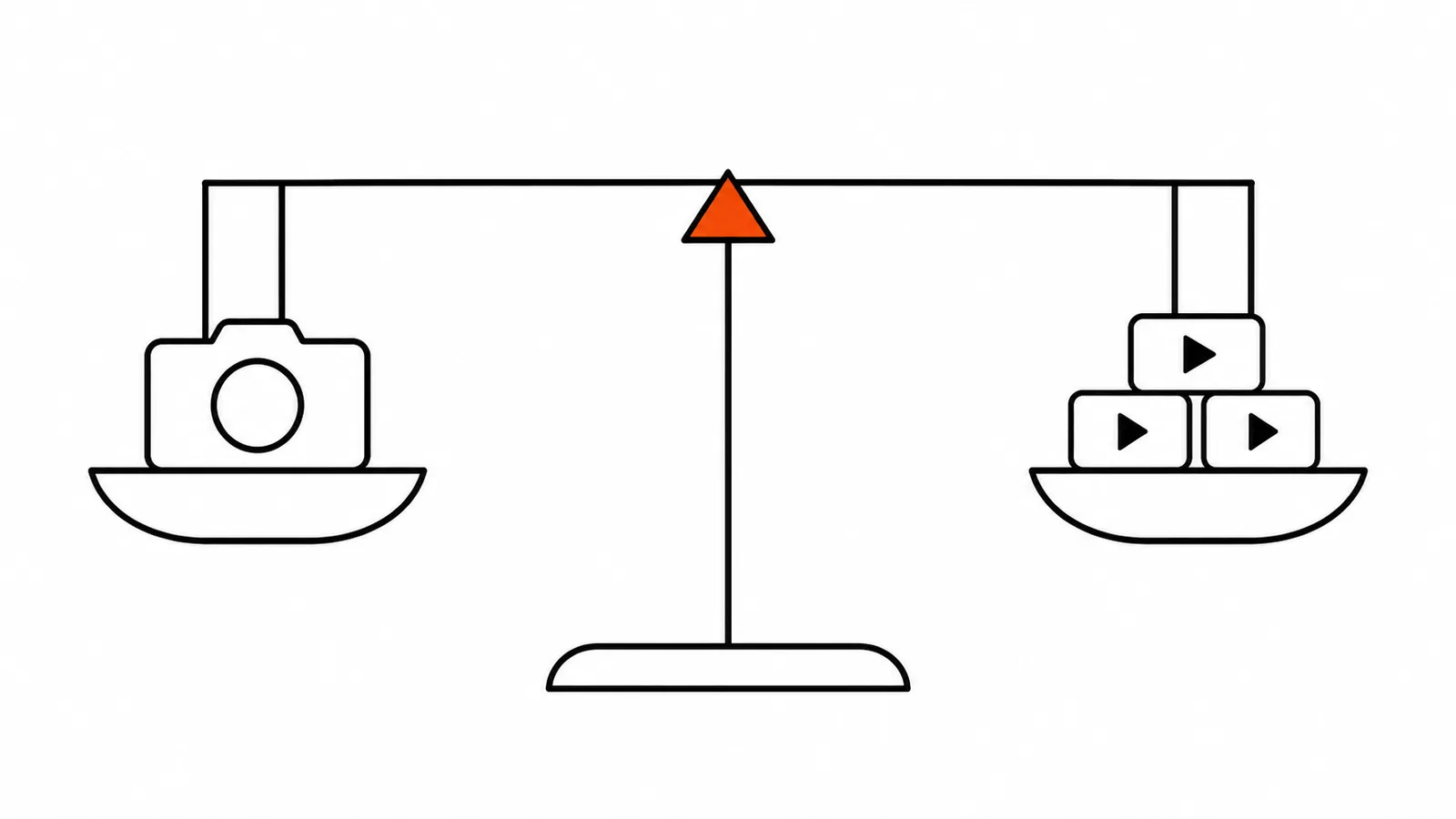
Once the answers are written down, the choice stops being a matter of taste. After that it is worth checking the answers against what each path can actually do.
Where a shoot stays irreplaceable
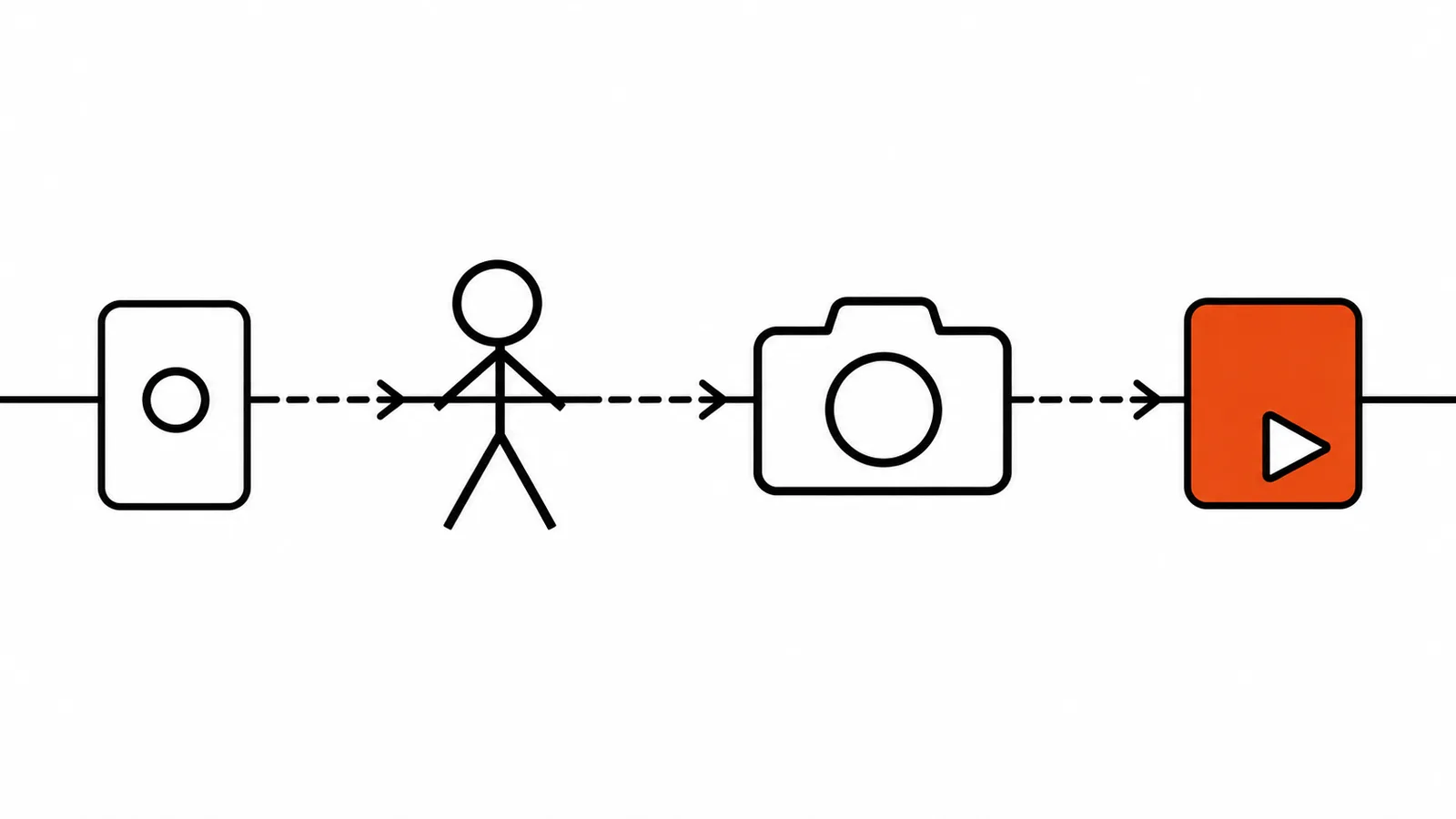
A shoot rests entirely on what physically exists. A real person on camera, their voice, expression, pause. A real product in close-up, where material and fine detail are visible. The client's own site: a production floor, a warehouse, a dining room. An interview or a testimonial, where it matters that this specific employee or customer is speaking. For those tasks a commercial shoot remains the main path, and its budget is counted in crew days.
The breakdown published by Shot Studio on Sostav on 25 November 2026 covers a telling case. An interview piece with employees, filmed in one day at the client's site, and an ad with actors, a rented studio and 3D graphics are both called a video in a brief. They are two different projects with different budgets, and confusing them is expensive.
Where generation wins
Generation takes what a camera does slowly and at high cost. Vertical formats at scale, where a steady stream of dozens of clips is needed. Dozens of versions of one concept for different audiences and placements. Product listings, where a scene is assembled from existing materials. Hypothesis testing, when it is not clear in advance which angle will work and checking each one with a shoot does not pay off. Shots that are hard or risky to film: an object that does not exist, a view inside a process, a scene from the past. Where volume is the point, video generated with AI covers it faster than a crew.
Demand for exactly these tasks is growing. Wyzowl reports in its State of Video Marketing 2026 that 63 percent of marketers use AI tools to create or edit video, up from 51 percent a year earlier. The same report says 89 percent of consumers call video quality important for trusting a brand. IAB projects that US digital video ad spending will rise 11 percent in 2026 to 81.9 billion dollars. A growing placement budget pulls production demand behind it, and part of that demand moves into generation.
IAB and PwC data from April 2026, in a secondary summary, paints a similar picture: purchases of AI creative for video ads are estimated by two independent 2026 studies at roughly two thirds of respondents, with Wyzowl naming 63 percent of marketers and IAB giving 62 percent of buyers.
What a shoot budget is made of
A studio shoot budget breaks into four blocks. Preparation: producer, script, storyboard, scouting locations and casting talent. Crew by the day. Equipment and logistics by the day. Post-production: editing, colour, sound, titles, graphics, voiceover. In the same Shot Studio breakdown on Sostav from 25 November 2026, the outlet advises asking the vendor for a line-by-line split across those four blocks.
Every extra shooting day multiplies crew, equipment and logistics costs. In one budget from that breakdown, a second shooting day added about 40 percent to the total. So the number of crew days is worth confirming before signing, at the estimate stage. Budget and timeline benchmarks run like this: MustFilm in an article dated 27 July 2026 lists a product video from 300,000 rubles and a brand film from 500,000 rubles, with timelines of 2 to 4 weeks depending on format.
If the work goes to a studio, it helps to know how to choose a video production studio by portfolio and by how transparent the estimate is. A separate question, what a videographer costs in a given city, matters too, because the spread between regions and formats is wide.
Timelines and logistics on each path
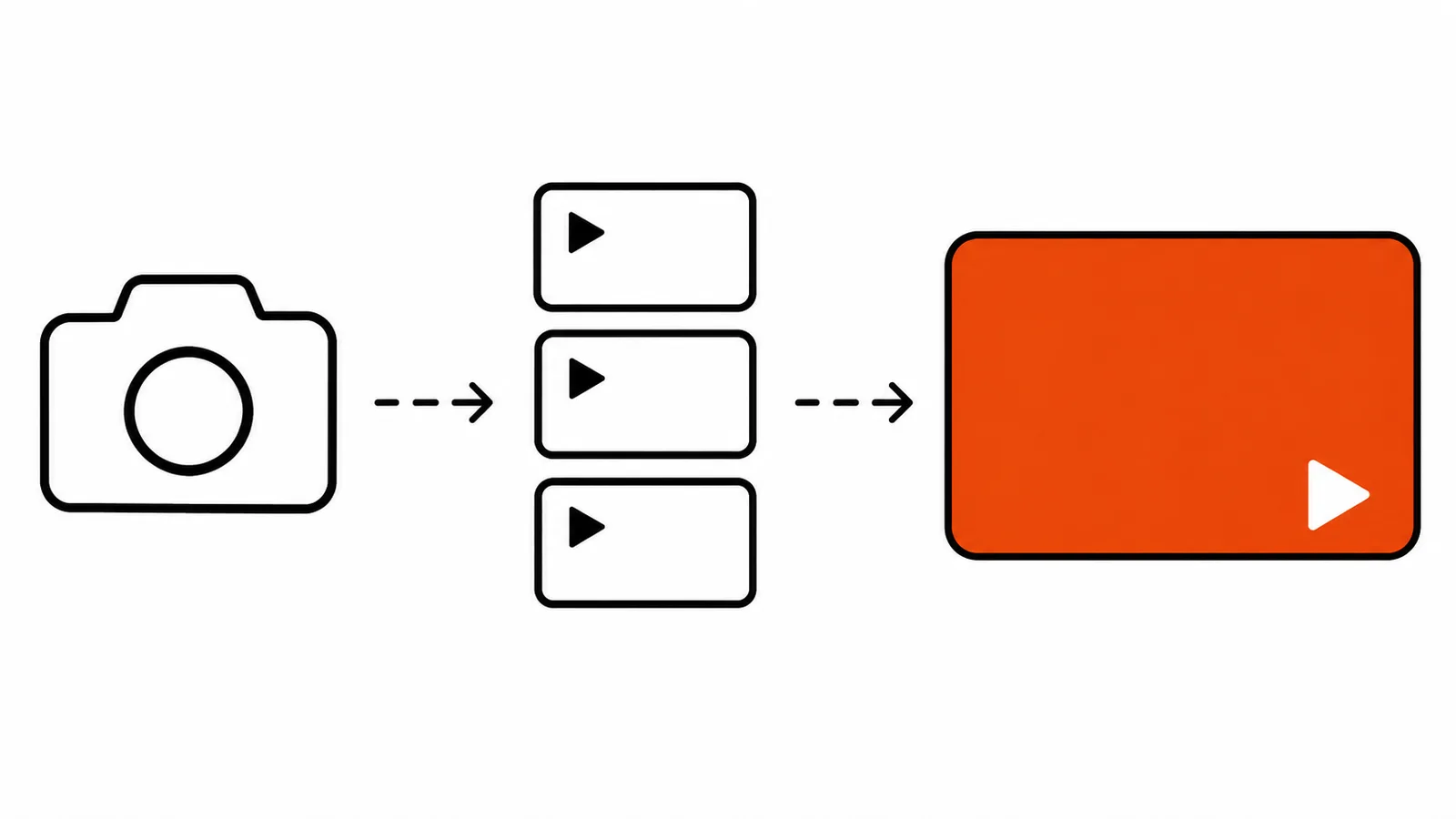
The two paths are scheduled differently. A shoot is tied to the calendar: prep, crew day, post, and moving a crew day because of weather or a sick actor pushes everything back. Logistics adds costs for crew travel, location and equipment rental. Generation is tied to the number of iterations: preparing materials, running passes, selecting shots, discarding rejects, sound and editing. Here the timeline depends on how many versions you need and how many passes it takes to reach an acceptable result.
The hybrid option
It is often cheaper to combine the two paths. The hero, the real product and the location are shot with a camera, while secondary shots, backgrounds, non-existent objects and versions are assembled with generation. The crew day then goes to what cannot be faked, and the volume of versions is handled by the pipeline. Both sides are covered: the live shot stays live, and the number of variants no longer hinges on the number of crew days.
Mistakes that cost the most
The first mistake is expecting photorealism of a real product from generation. A model builds a scene and motion well, but it reproduces the exact texture of a specific package only approximately. If the product has to look as it does in life, it gets filmed.
The second is cutting corners on shooting where a person has to be on camera. Swapping a real hero for generation shows up in expression and voice, and that is exactly what video trust rests on.
The third is not budgeting for rejects. A share of passes ends up in the bin, and planning a budget around one lucky shot is wrong.
The fourth is comparing estimates without a breakdown. The same headline number can cover a different scope: number of crew days, number of versions, graphics, voiceover. It pays to ask for an estimate across the four blocks and compare them line by line, and to settle the format and version questions before the start.
Our offer
When the task is easier to close with generation, we take it end to end. Handcrafted videos run from $394 per video, up to 90 seconds, with editing and music included and a first batch in about a week. Vertical formats at scale and 9:16 vertical video ads are billed from $2.47 CPM. The full rate card for each format is on our pricing page. If you are unsure which path fits, the studio, freelancer or AI breakdown sorts the options by task and budget.
Reach us on Telegram @neurocartel_sup, WhatsApp +7 993 909-98-29, or email info@neurocartel.com.