What a client actually buys
A brief usually contains one line about needing product photography. On the estimate it turns into measurable quantities: crew days, number of SKUs, angles per SKU, volume of retouching, delivery date. A crew day is paid studio time, a SKU is a unit of output, and they are priced differently.
How wide the spread can be is visible from what studios themselves claim. The service page of MPPHOTO, checked on 28 November 2026, advertises shooting from 1,490 rubles, its own 195 square metre studio, up to 180 SKUs per crew day and two-day delivery. That is the studio's own claim on its own site, and the 180 figure reads as a ceiling that holds when the goods arrive ready and the angles were agreed in advance.
Three tiers of the market
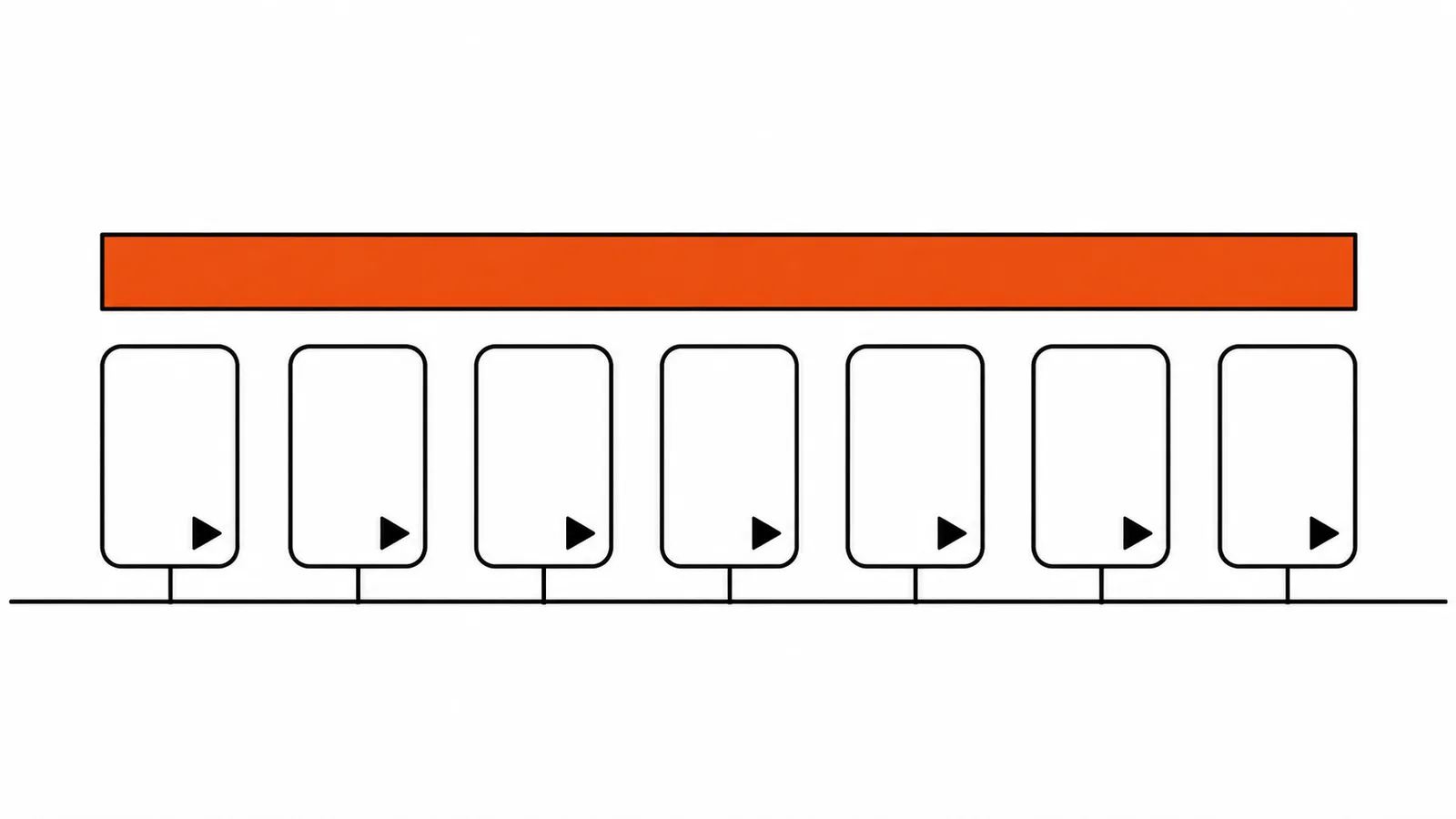
The product shoot market runs on three tiers: a studio, a freelancer, a seller's phone. The difference between them is physical: floor space, lighting, equipment, the number of people on the crew.
A studio with a cyclorama and a team holds space, light, technicians and post-production. It can shoot a series of matching frames under matching light across hundreds of SKUs, shoot video with motion, build infographics and deliver the whole package. That is what a crew day pays for.
A freelance photographer with one light takes selected jobs and often charges less, while working under physical limits: one shooting position, one quality of light, manual retouching of every frame. Video with motion and sound usually does not come out of that setup. Shooting on a phone by the seller is the third tier: an honest shot of the product in hand and a fast result for testing. A catalogue of hundreds of items needs a studio and a schedule of crew days.
Where product video differs from product photo
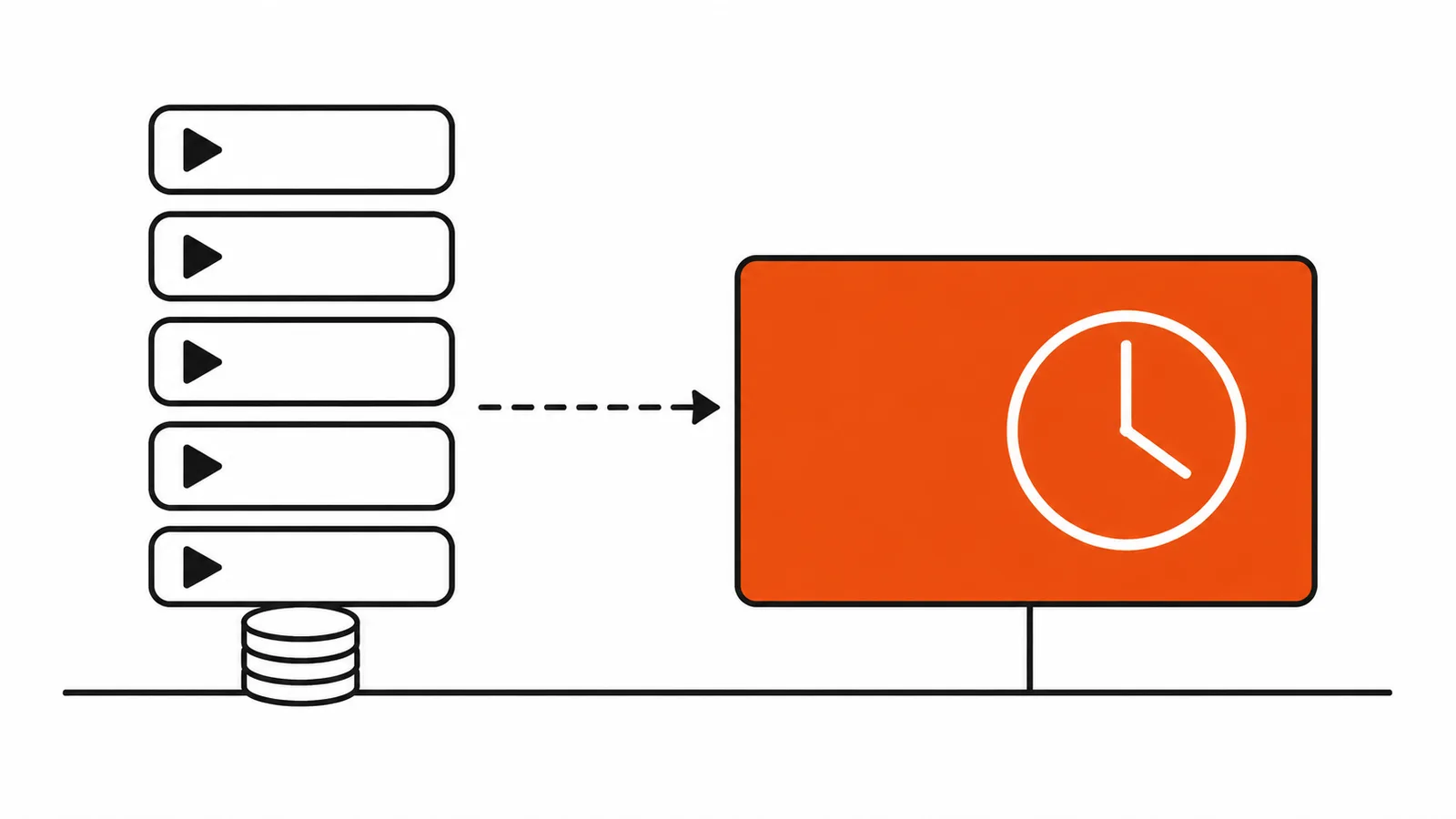
Light, angle and composition carry over from stills to video almost without loss. After that a separate body of work begins: motion, hands in frame, assembly, a demonstration of how the item works, and sound. Each of those needs its own staging and its own takes.
The market splits these jobs on its own. At the studio Mozart (service pages checked on 28 November 2026) product photography, product videography and infographics sit as three separate services, with separate pages for Ozon and Wildberries, fixed prices and retouching included. Photo, video and infographics involve different people and different crew days, so the two estimates are built separately.
What a shoot estimate is made of
A studio project estimate breaks into four blocks. Preparation: producer, script, storyboard, scouting locations and casting. Crew, counted by the day. Equipment and logistics, also by the day. Post-production: editing, colour, sound, titles, graphics, voiceover. That split comes from a Shot Studio breakdown published on Sostav on 25 November 2026, which also names the studio's project range: from 100,000 rubles up to 3 million rubles and above.
Every extra shooting day multiplies crew, equipment and logistics costs. In the estimate broken down in that same post, shooting on a second day pushed the total up by roughly 40 percent. So the number of crew days belongs in the contract before signing.
Post-production lives as a separate line in that scheme. Videohunter's editing price list, checked on 28 November 2026, quotes by the minute of finished video, and the page markup for editing shows 45,000 rubles per minute. For a product clip this means something simple: a minute on screen can cost more than the shoot of several SKUs.
Per-item pricing against per-day pricing
Two units of account are what break quote comparison. Per-item pricing ties the sum to a SKU: the client sees a price per unit and multiplies by the assortment. Per-day pricing ties the sum to time: whatever got shot is what you get.
A crew day can produce a very different number of SKUs, and preparation decides which. Goods that arrive unpacked, with agreed angles and no changes on set, give the maximum. If the angles get discussed on the floor, the day goes to a handful of items. Three parameters therefore matter together: the unit of account, the number of SKUs per crew day, and the list of included work.
Rights to the footage and to the trademark
A product shoot almost always runs on goods that belong to someone else, and that is where the legal part starts. The first question there is who owns the frame. A photographer or a studio shoots it, and the item in hand creates no right to shoot. A file taken from a manufacturer's site, from another seller's listing or from a feed arrives without that right, even when the item shown is exactly the one on sale. Slepoy Khameleon notes in an article dated 28 July 2026 that on Wildberries a rights holder's claim leads to the clip being pulled from the listing.
The footage therefore has to be shot to order or obtained with written permission. Three things belong in the contract: transfer of rights to the shot material, the right to use the image of the product and its packaging, and the term of those rights.
One shoot, several files
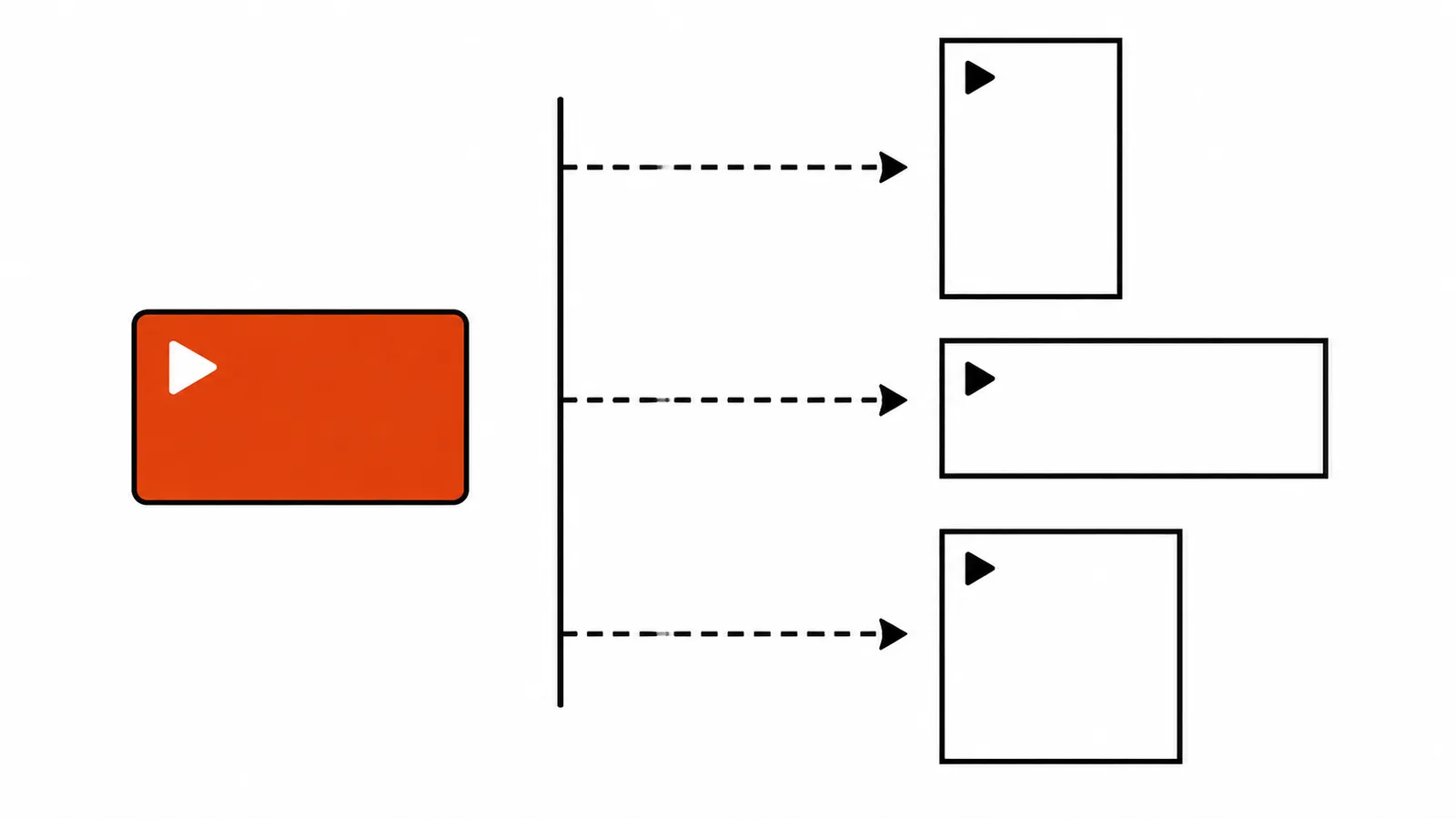
Placement requirements differ. PixSora in an article dated 3 June 2026 lists the parameters: Ozon rich content takes up to 5 minutes, up to 100 MB, from 1080x1920 px, while Wildberries takes up to 3 minutes and up to 1000 MB. The same shot material has to be delivered as two different files, and every version is a separate export, trim and check. Extra versions grow post-production even though there was only one crew day.
Mistakes clients make most often
The first: bringing goods without packaging and without a brief on angles. The studio spends the day on approvals and the client ends up with fewer SKUs than planned.
The second: saving on preparation. Storyboard, references and an angle list cost less than a second crew day.
The third: ordering one shoot for every placement at once. Length, file size and aspect differ between platforms, and one universal clip often passes none of them.
The fourth: not asking who handles retouching. Some price lists include it, others charge separately.
Where generation enters this chain
Generation does not replace shooting the product. It takes the neighbouring tasks: sets and backgrounds that no studio has, secondary shots where the product is not the subject, versions for different platforms and audiences, and frames that are expensive or impossible to build physically.
The product itself stays shot. A model reproduces the texture of a package, its seams and small details only approximately, and a selling listing depends on exactly that precision. The working scheme: the product is shot in a studio or on a phone, and the set, the motion and the versions are assembled with generation. Where to start is laid out in an article on commercial shoots, and how a flow of listing clips works is shown in a piece on AI video for product pages.
For a single clip built around one product, it helps to know what a video ad costs across vendors. For a catalogue, the conversation shifts to AI video ads produced at volume and to UGC-style product reviews.
Our offer
When the product is already shot and what remains is the set, the motion and the versions, we cover that part with generation. Handcrafted videos run from $394 per video, up to 90 seconds, with editing and music included and a first batch in about a week. Vertical formats at scale and 9:16 vertical video ads run from $2.47 CPM, with a first batch in 5 to 7 days. Rates and timelines for every format are on our pricing page, and work built around an ad brief is described on the AI commercial page.
Reach us on Telegram @neurocartel_sup, WhatsApp +7 993 909-98-29, or email info@neurocartel.com.