Meta opened Dream Render: a product video from a photo
The announcement came on November 16 at Upskill Day in Singapore, alongside a training programme on AI for small businesses. The app lives at dreamrender.com and nothing gets installed. You sign in with a Facebook profile or a professional Instagram account.
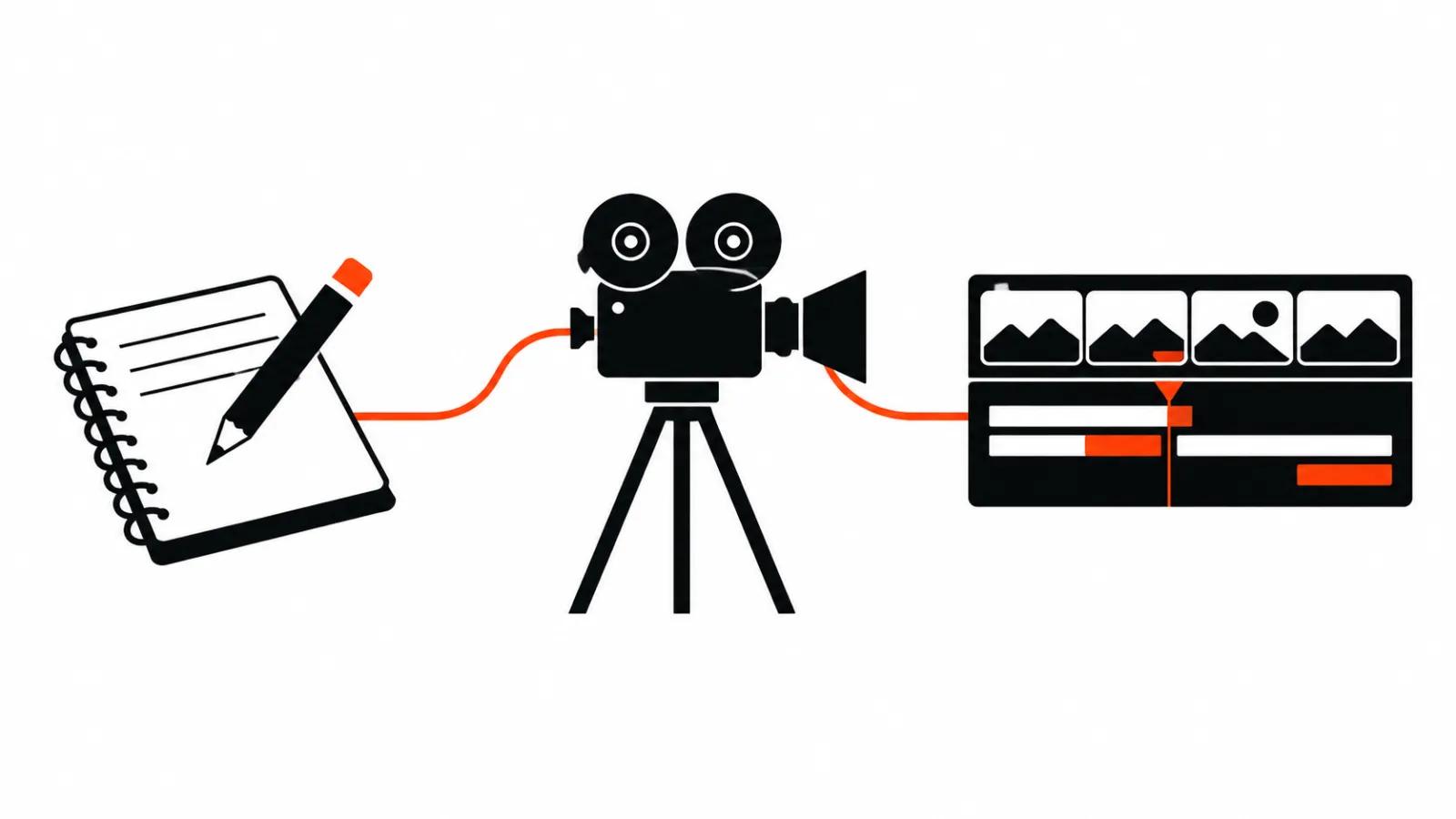
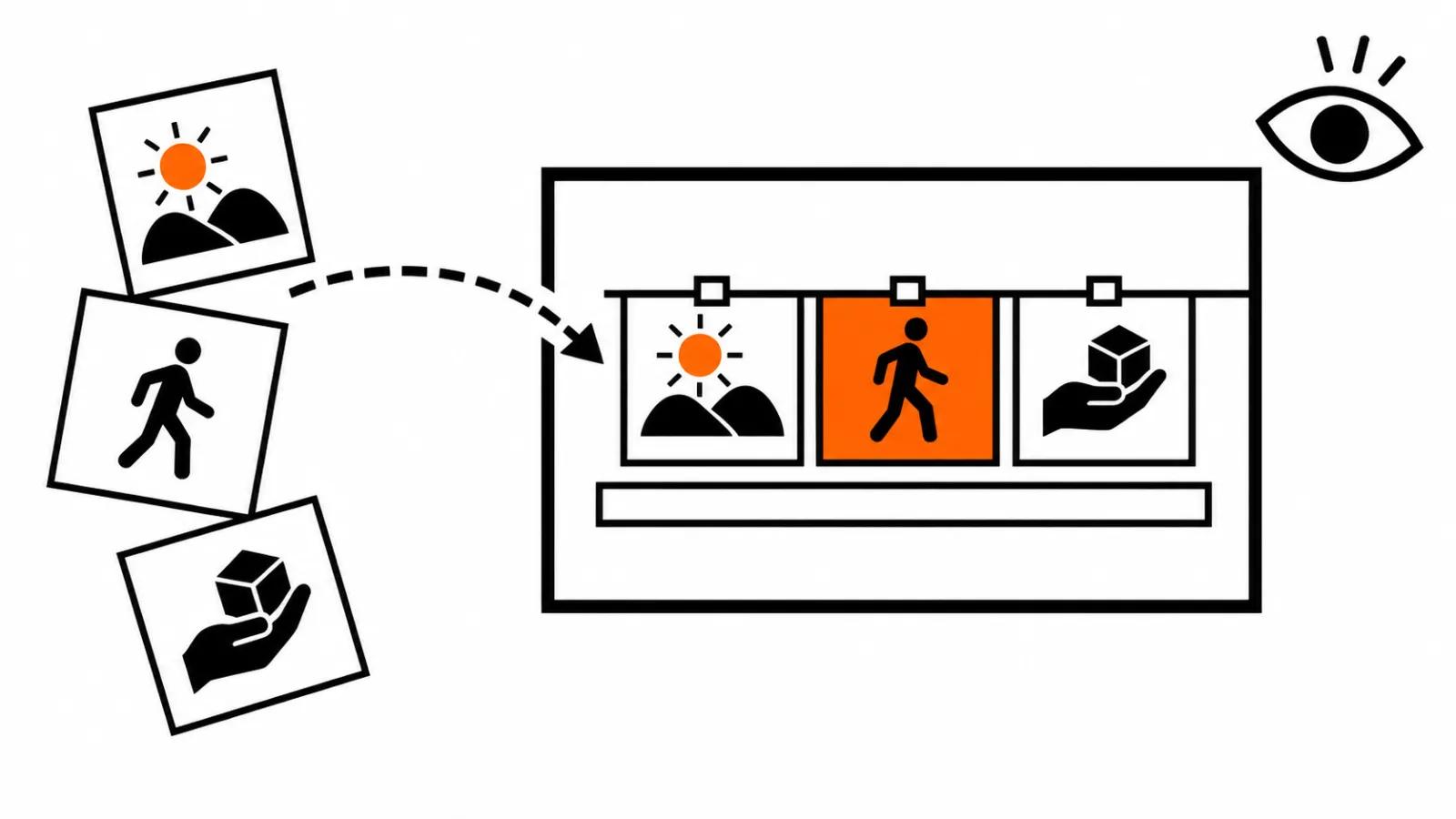
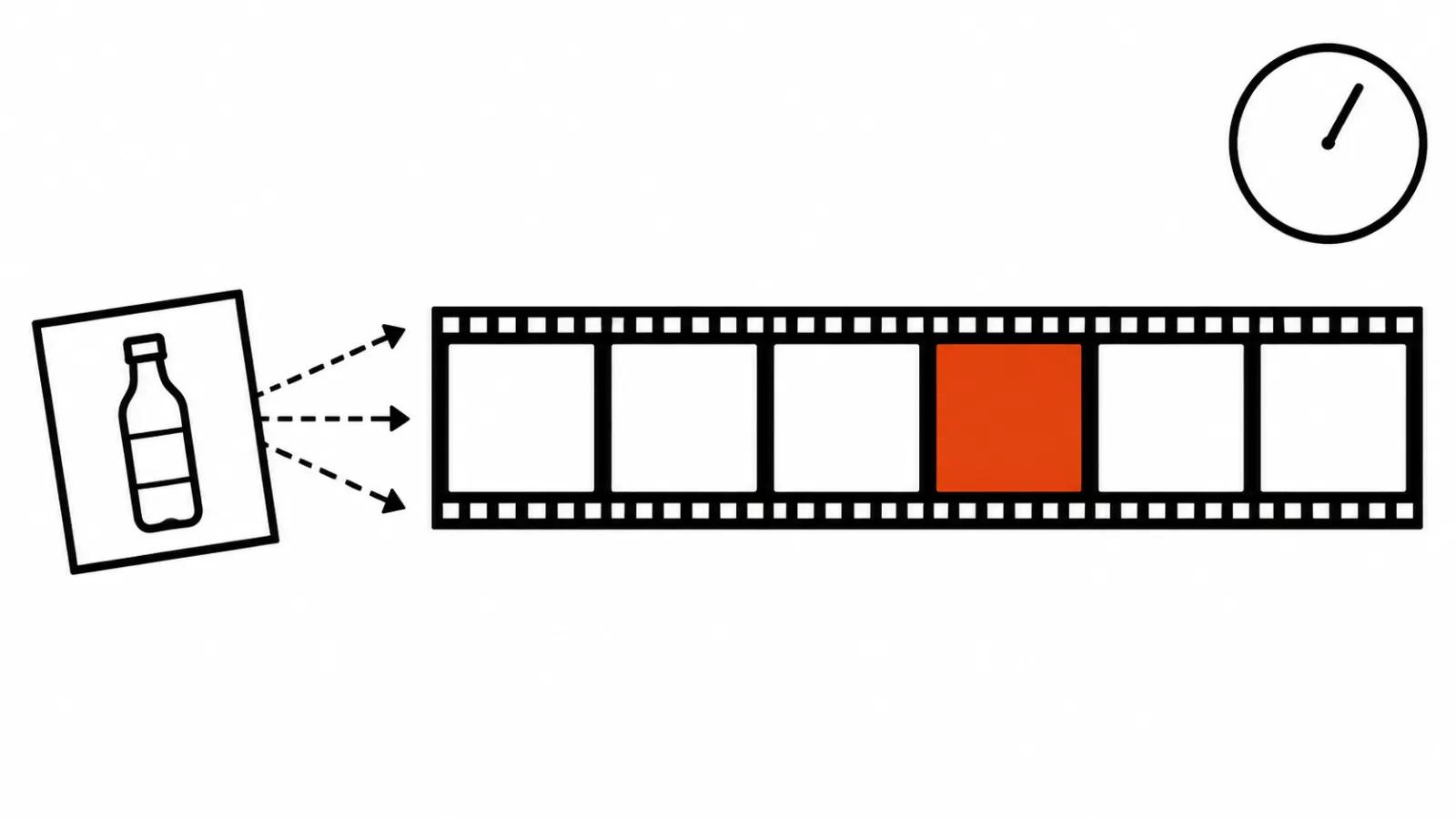
The flow is short. A product photo or a short description goes in, a first video draft comes out in minutes. Then the edits: single shots, framing, pacing, voiceover, on-screen text. You watch the preview and approve it. After approval you download the file and publish it yourself, as a regular post or as an ad, and the published video carries a label saying it was made with AI.
What Meta did not say: length, resolution, languages, price, country list. Everything below sticks to that set of facts.
How a photo turns into a video
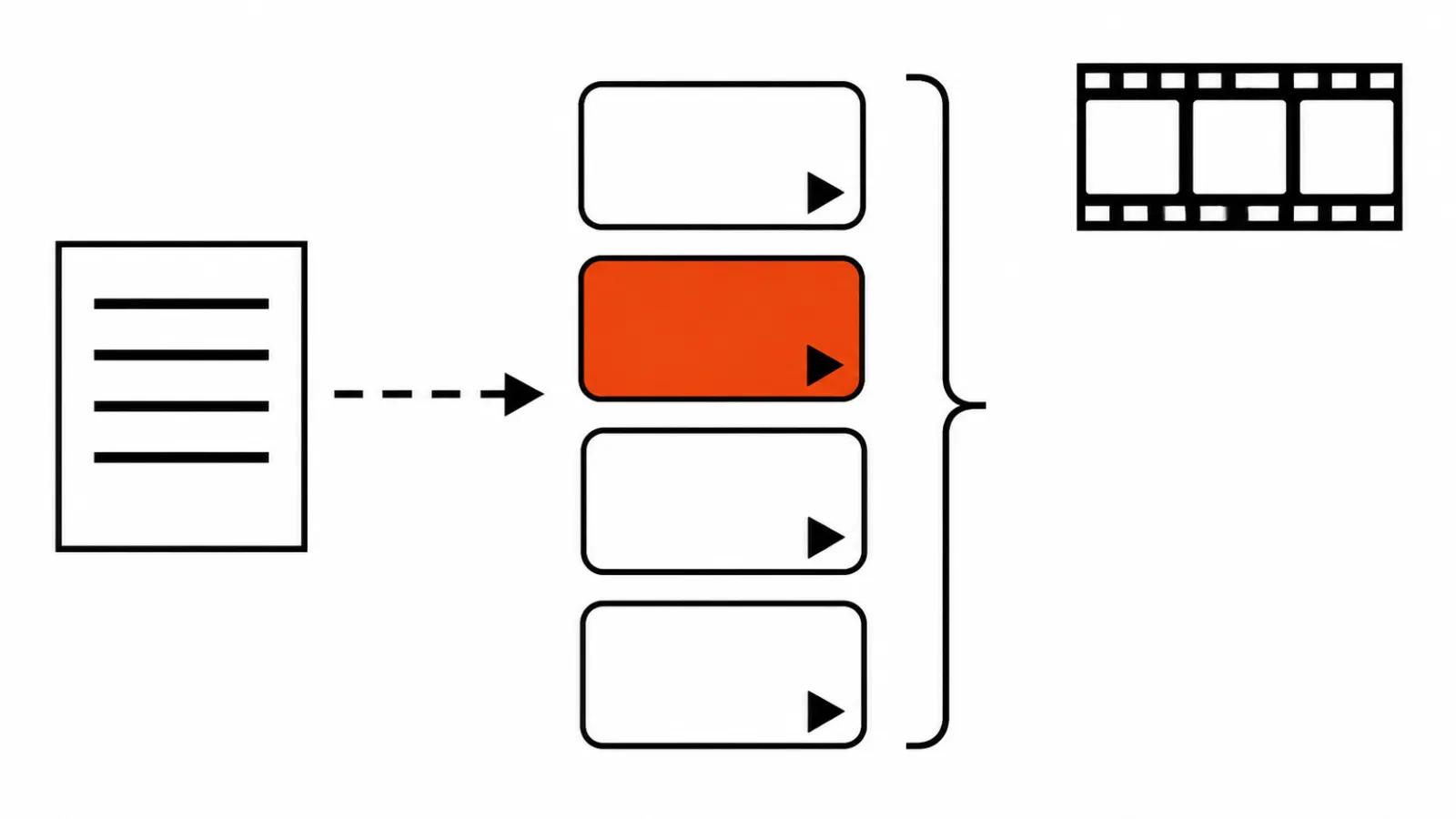
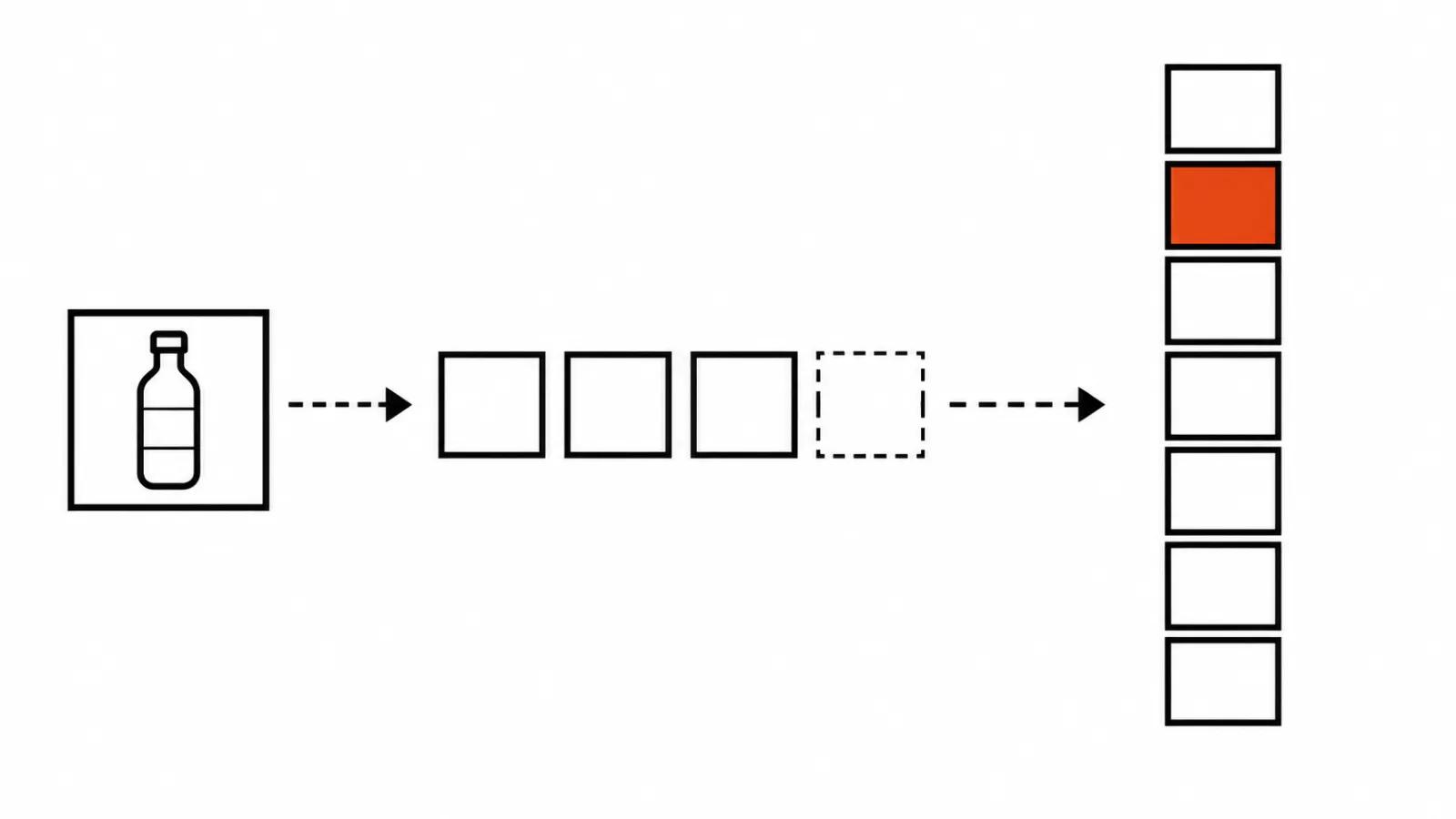
Dream Render assembles an ad skeleton: shots, transitions, captions, pacing, a voiceover. The model fills a fixed construction with your product, and a person moves the parts afterwards.
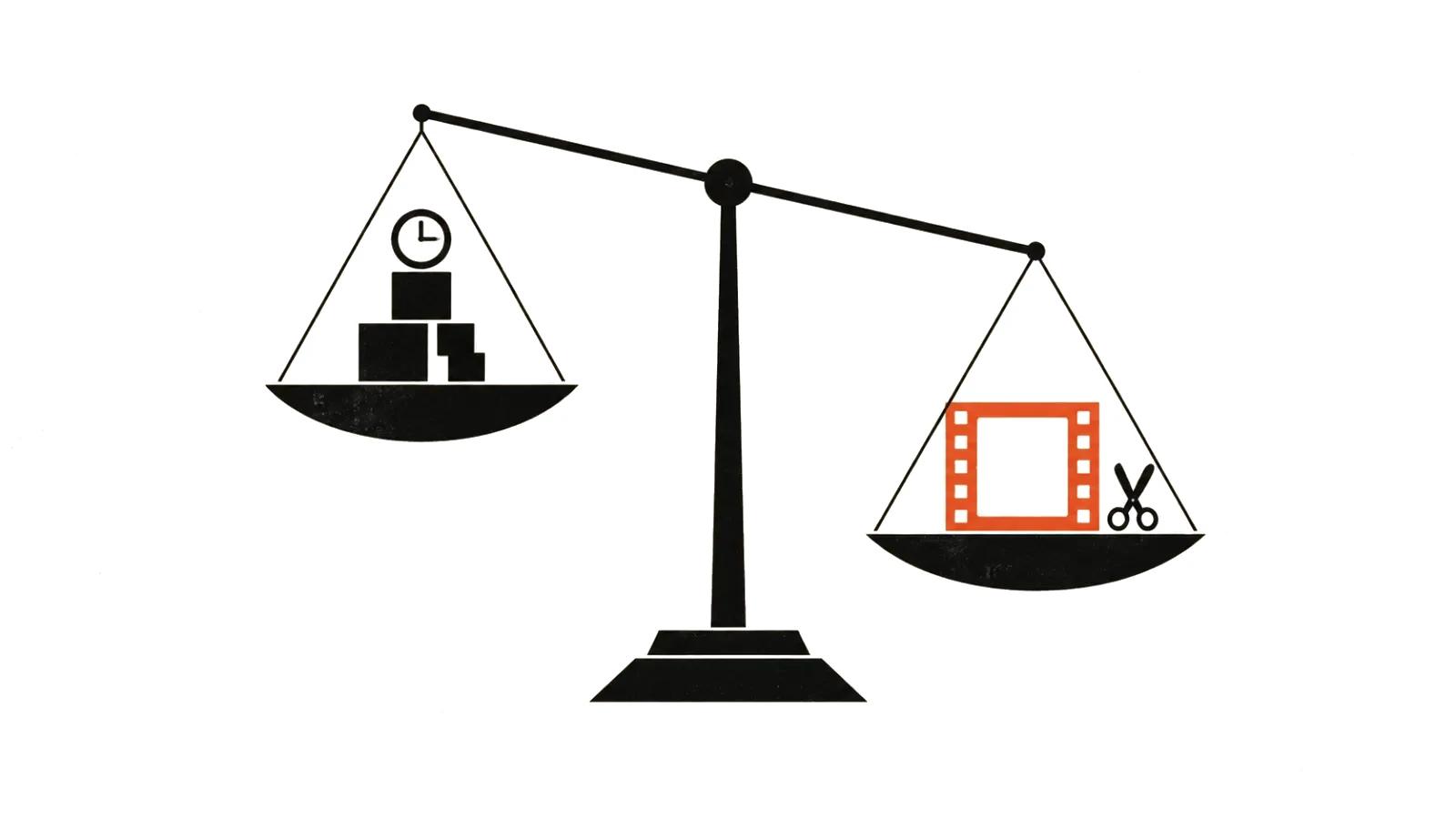
I read this as a shift in the bottleneck. Shops used to stall at production: find someone, shoot, edit, and the first version lands a week later. Now the first version lands before lunch, and the stall moves to approval: watch it, fix a shot, fix a line, check the voiceover on a brand name, approve. Ten product pages make for a calm evening. Three hundred pages are a separate job, and someone does it by hand.
Why the platform hands out a tool like this
Ad money goes where the creative is. Every shop owner who could not put a video together is an ad budget that never got spent. That explains the training programme announced next to the tool, and the YouGov survey commissioned by Meta: 94% of small business owners in Singapore say they need more AI training.
The number is honest in one way, since people genuinely do not know where to start. It also dodges the harder question. Training removes the fear of the button and says nothing about what the video should argue. Dream Render does not teach that either, as far as the announcement goes.
The ceiling: the template, the idea, the script
My main argument is simple. A tool that builds a video from a photo pulls everyone toward a similar result: the same rhythm, the same transitions, the same way of showing a product, the same caption at the bottom of the frame. While these videos are rare they look fresh. Once they dominate a feed, the shops with their own move start winning.
Script and idea stay with a person. The model does not know how your product differs from the one next to it on a shelf, what pain you solve, or why a customer picked you last time. A photo of mint sweets produces a lovely video about mint sweets, with no answer to why anyone buys them twice.
There is a second, simpler limit. Meta's own example, a Singapore startup called Haldy that makes sugar-free mint sweets, shows the tool works. How many videos came out of it and what they did for sales is not in the announcement.
What to check before publishing
The AI label goes on the finished file. Read the platform rules on synthetic media before the launch. After the first complaint it is too late.
Check voiceover and on-screen text separately. Brand names, figures, ingredients, delivery times: everything the model says from your prompt gets read with eyes and heard with ears on a phone. Feed compression eats soft transitions and sharpens mistakes in words.
Rights to the original photo are your problem too. A borrowed shot from a marketplace listing is no safer in this construction than in a regular edit.
Who Dream Render is enough for
A shop with three products and a test budget: enough. Check an offer fast, see which pitch lands, skip paying for a first video. That is exactly the case the tool was built for.
A series for several audiences, a launch with positioning, an ad where every frame matters: that needs a script and someone who writes it. Vertical video ads ship in dozens of versions, and each version carries its own idea, with the crop as the wrapping. Such videos are made through AI video production and by hand, and the gap between a first draft and a finished series is rarely about the render.
If the job sits closer to a product page than to a feed, we have a separate guide on video for product pages: different proportions, different rhythm, a different viewer.
My conclusion
The entry threshold for a product video dropped to zero, and that is good news for anyone who kept postponing video over price and lead time. The bad news is that zero buys exactly zero: everyone gets a draft, and the advantage goes to whoever has an idea and a script.
Meta named no price, so I keep the word free in quotation marks. Once a tariff and a country list appear, the question gets simpler: cost of one approved video instead of the price of a subscription.