What is actually known about Gaussian splats at Netflix
The source here is one relay: the VP Land story from November 20, which rests on a Lowpass report about the posting. From it, the company is looking into Gaussian splats as a future streaming format: a volumetric scene delivered to televisions, set-top boxes, phones and laptops. There is no official product announcement. No timeline, no codec and no container are named in the materials.
A job posting is not a launch. A hiring ad says someone intends to look into a topic, and that is where its evidentiary value ends. It can sit in front of a product a year from now, and it can lead to nothing at all: hire, research, shelve. Enthusiastic retellings of such a posting tend to lose that caveat on the way.
The device list in the posting still matters. A television, a set-top box, a phone and a laptop are four very different screens with four very different decode budgets. If a scene has to open on a set-top box that has been sitting in a living room for years, the format requirements get strict fast. The reading here: Netflix is testing whether delivery holds up on the weakest link. A polished demo reel for the press would prove nothing about that.
What a splat is, in plain terms
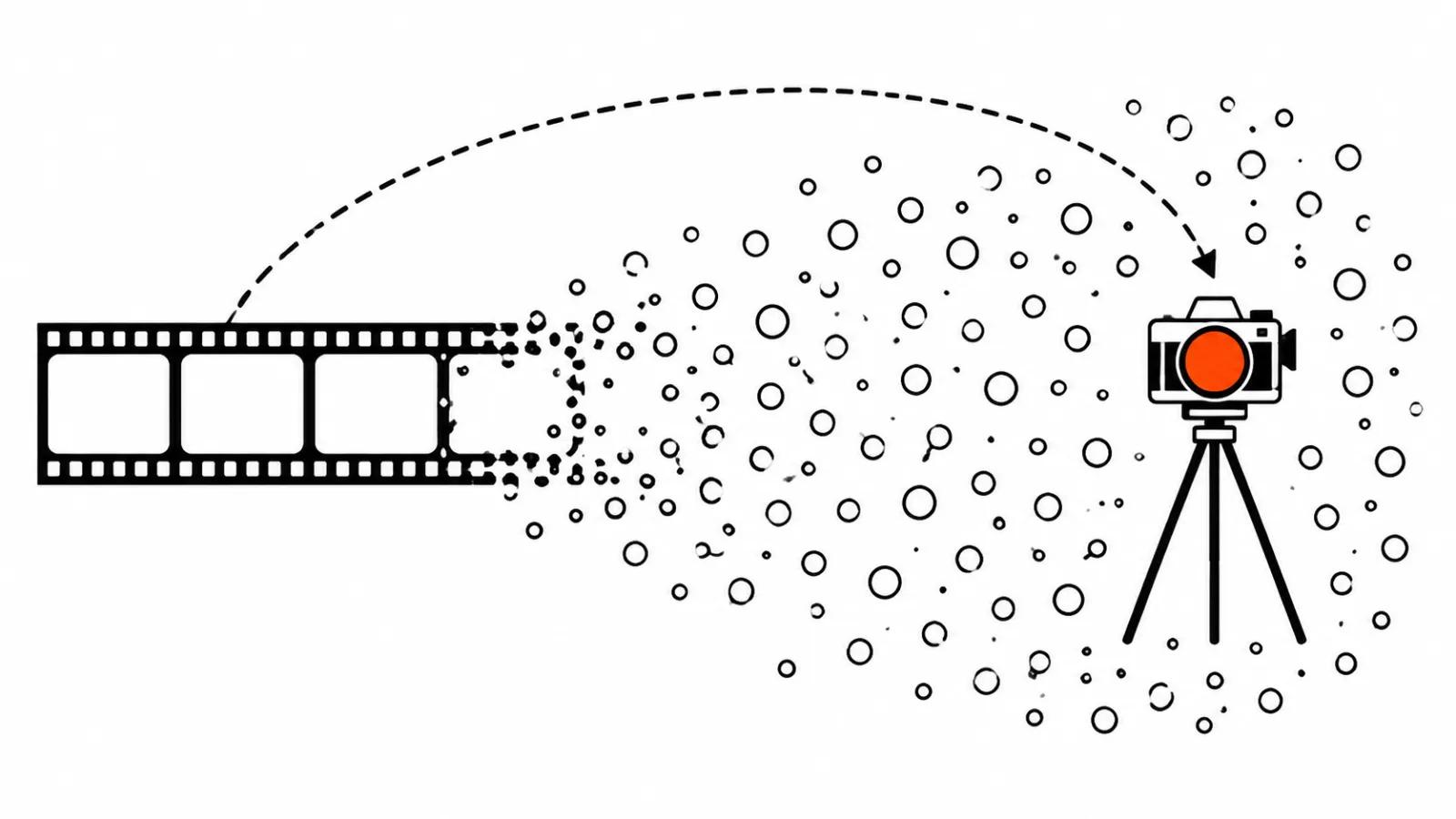
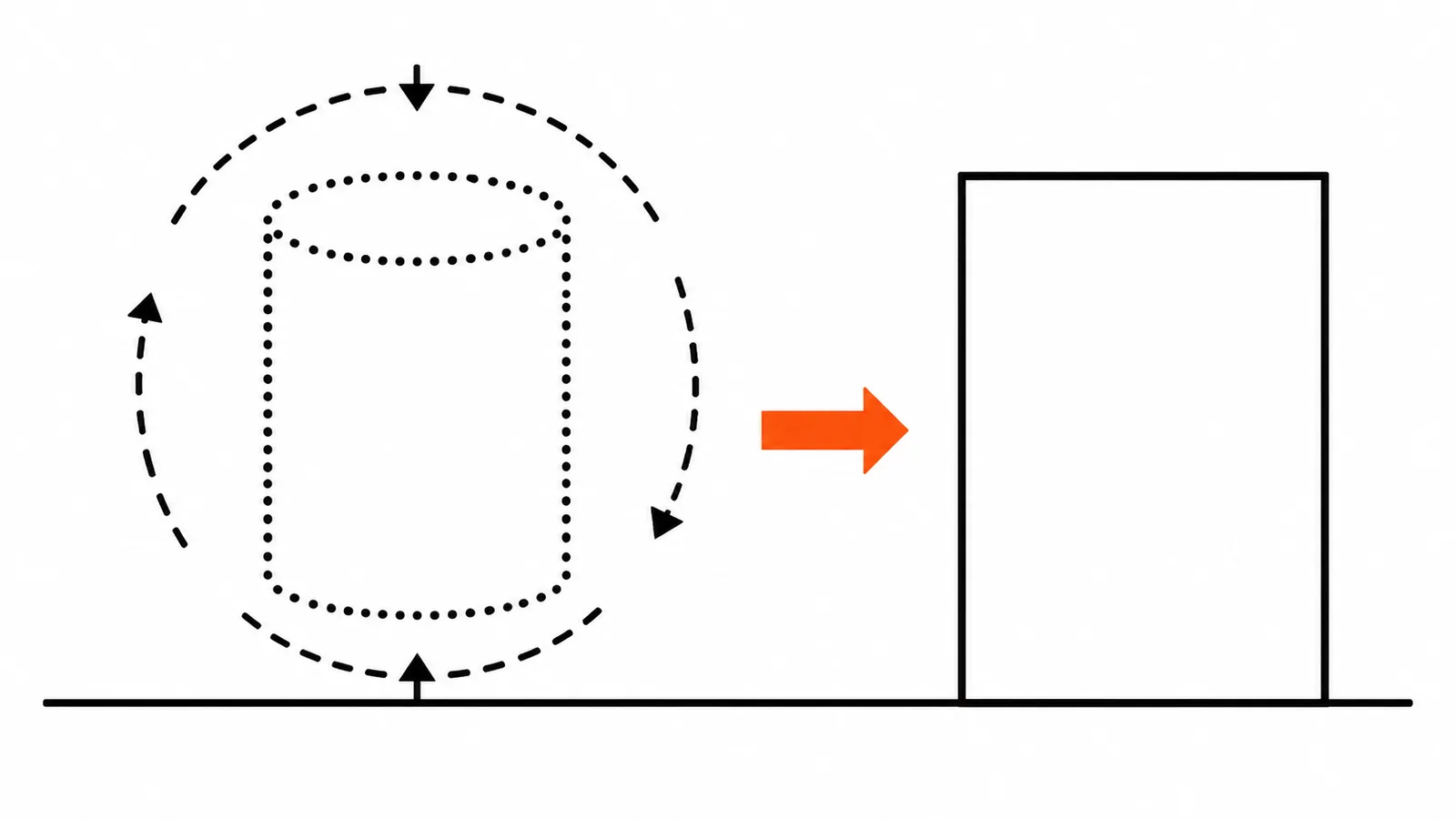
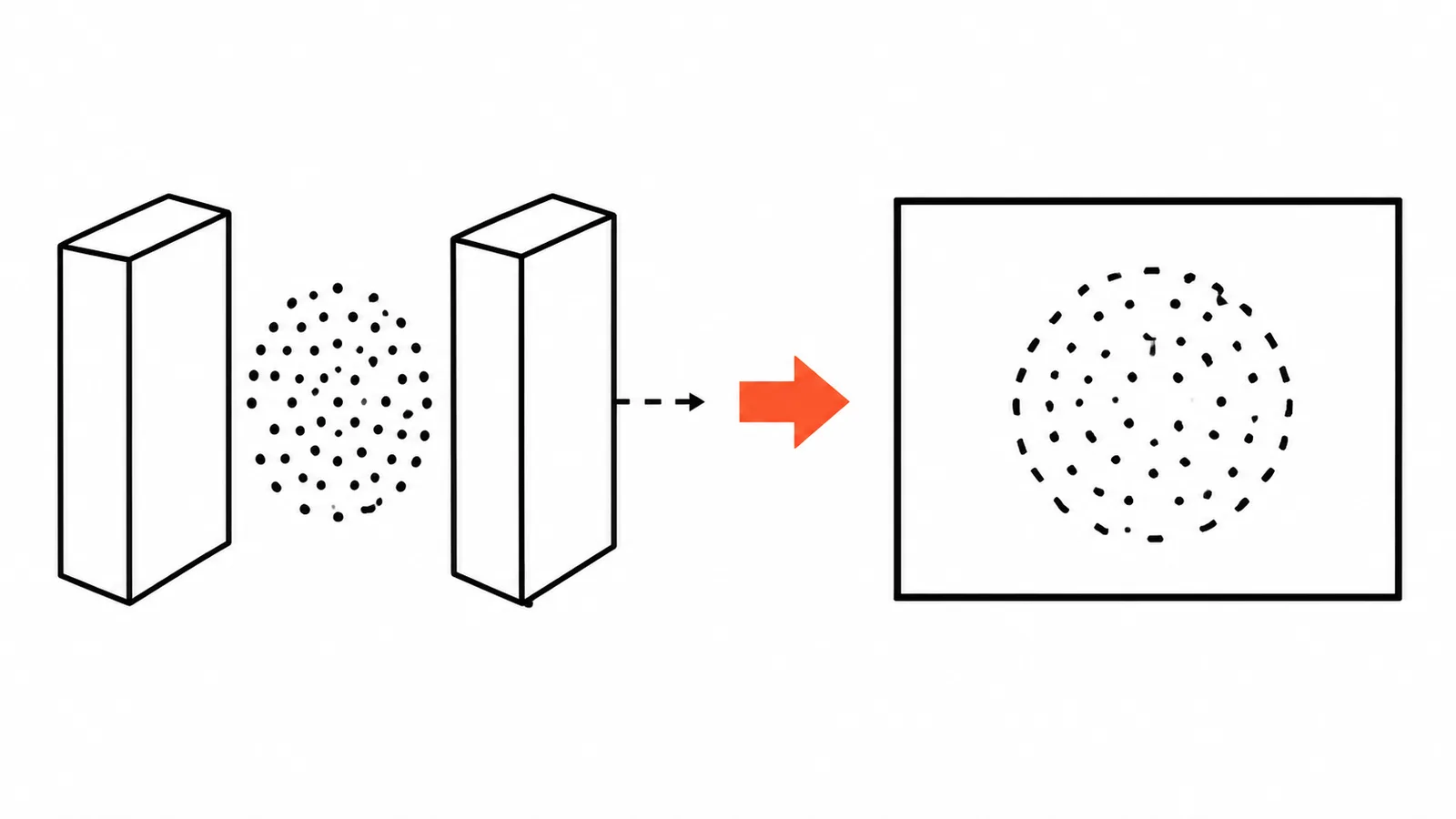
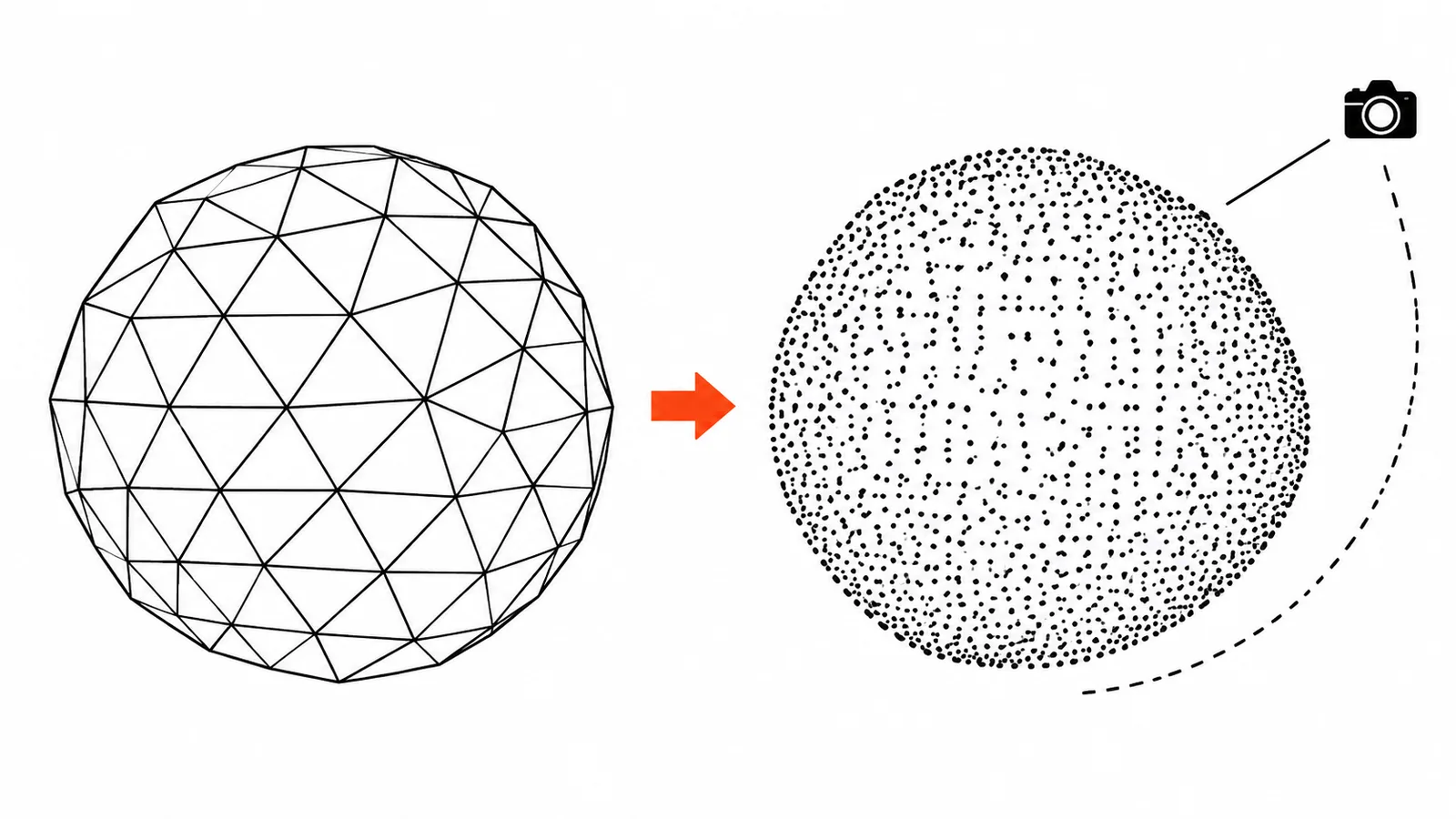
A Gaussian splat is a set of points, and every point carries transparency and orientation. Those points assemble into a volumetric scene, and a camera can walk around the object: it looks different from each side, because the points fill the space in three dimensions where a polygon mesh only holds a surface.
The difference from ordinary 3d geometry is simple. A polygon model describes surfaces and gets built by hand or captured with a scanner. A splat comes from a capture pass: shoot the object from all around, and the points emerge straight from the frames. For a buyer this means the source asset is footage. The modeler who spends weeks building geometry by hand drops out of that workflow.
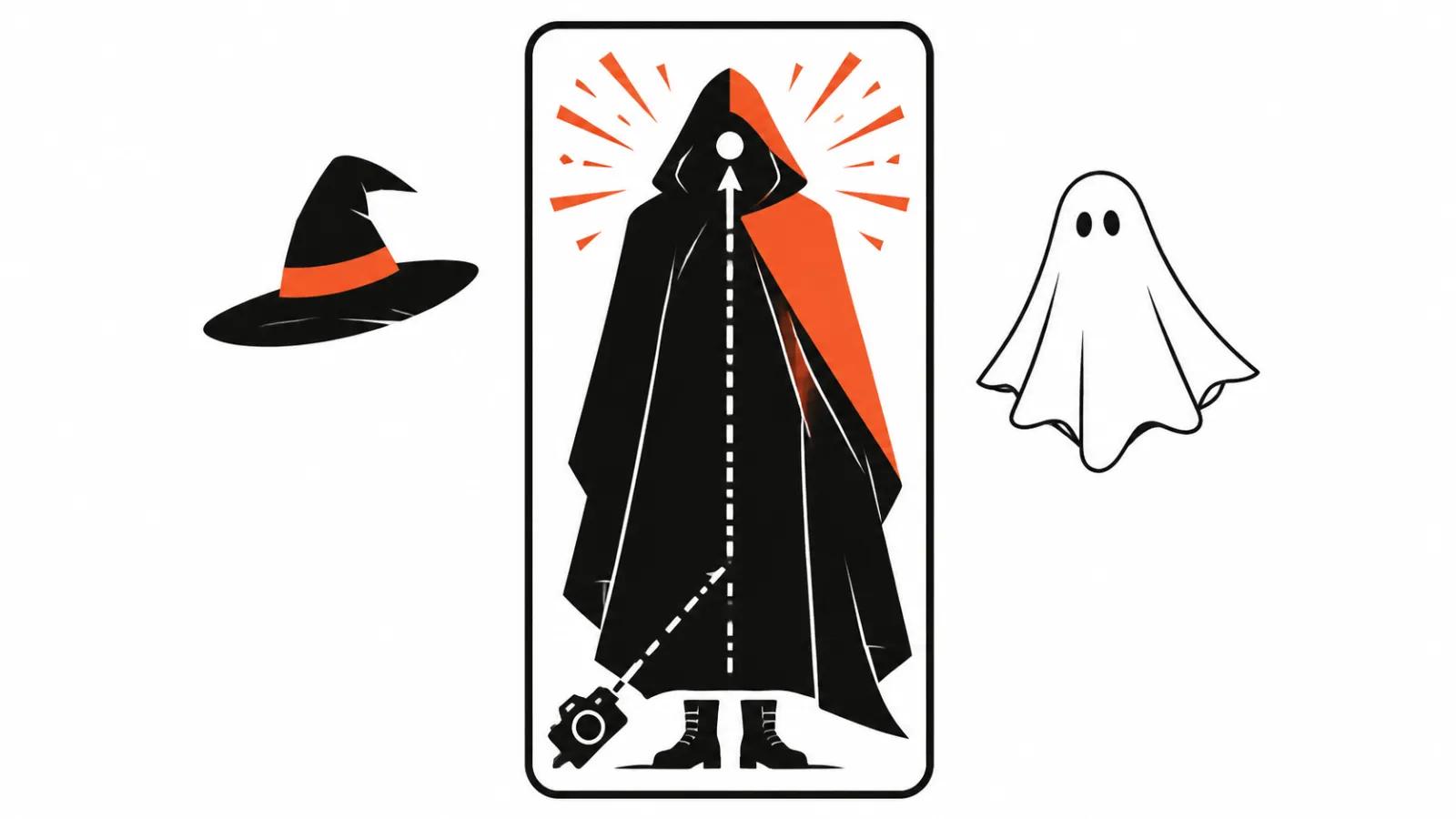
Camera moves pulled out of an AI clip are a separate topic and already have their own piece. There the question was how to mine new viewpoints from generated footage. Here the angle is different: a splat as the thing you deliver, with the freedom to look from any side.
Production can already do it, delivery cannot
The second half of the story is the more interesting one. Native splat support already exists in the tools people work in: Blender 5.3 added it on November 10, 2026, and support has also arrived in Unreal Engine. A scene built from splats now moves through the software that artists and 3d animators use every day, on standard features.
That leaves a gap worth naming. The person building a scene can hand over volume today. Streaming cannot hand it to a viewer yet: the only public evidence of interest is a job posting. All the work between those two points is work nobody has shown.
The conclusion here is narrow. The debate over whether splats will beat polygon geometry is empty right now. Whatever is cheaper to get onto a screen wins. While production has learned splats and delivery has not, a splat stays an intermediate file for the edit bay, and that is its honest status as of November 23.
What 3d video and volumetric scenes change for a buyer
The practical takeaway is short. Volumetric capture belongs in a project when the piece will also be watched volumetrically, on a separate screen or in an app that allows orbiting. If the footage lives in a feed and gets watched on a phone in vertical format, a volumetric scene adds cost and adds nothing to the result.
The second case where splats pay off today is product and property visualisation. Shoot a room or an object from all around once, and every later camera pass comes out of that same capture. The saving is counted in shoot days: capture the room once, and new viewpoints cost no extra filming, so the same capture feeds several versions of the piece.
Third: when a project needs hand assembly and a check on every transition, that is craft work. High-volume vertical output is priced differently, up to $2.40 per 1000 views, while handcrafted videos are priced from $190. A volumetric scene does not fit that pipeline. It gets made as a one-off, against a specific job.
The neighbouring question of how 3d animation is commissioned has its own piece, and the logic carries over to splats: decide what the viewer sees first, then pick the technology.
Why a quick release is unlikely to land
Three reasons, and all of them are on the surface. There is no product, only a posting. There is no codec, and the codec decides whether a set-top box decodes the scene without stutter. There is no date, which is the most honest point of the three: in the Lowpass relay, no timeline is mentioned at all.
There is also a substantive question the materials do not answer. A volumetric scene is interactive by nature: the viewer picks the viewpoint. Streaming has spent years building the opposite model, where the director decides where you look. How those two coexist inside one interface is something nobody has demonstrated, and that answer matters more than decode speed.
So this reads as a signal about direction. There is no announcement anywhere near it. The direction: volumetric material stops being a trade-show attraction and becomes a candidate for ordinary delivery into a living room. That is a long road, and the first mover is whoever already owns both production and the streaming pipe.