What landed on November 17
A repository called ai-video-in-code appeared on GitHub on November 17. The author goes by sirioberati, the licence is MIT, which means the code can go straight into paid work with no permission and no fee. The README states the job plainly: take a finished five second AI clip and turn it into a scene you can shoot new camera moves from.
The source clips came out of Seedance, and the tool itself was built with Claude. That detail explains a lot. The code was written by someone who does not have to be a photogrammetry specialist, so the pipeline reads like a stack of ready made parts instead of a research project.
Gaussian splats: a cloud of drops instead of frames
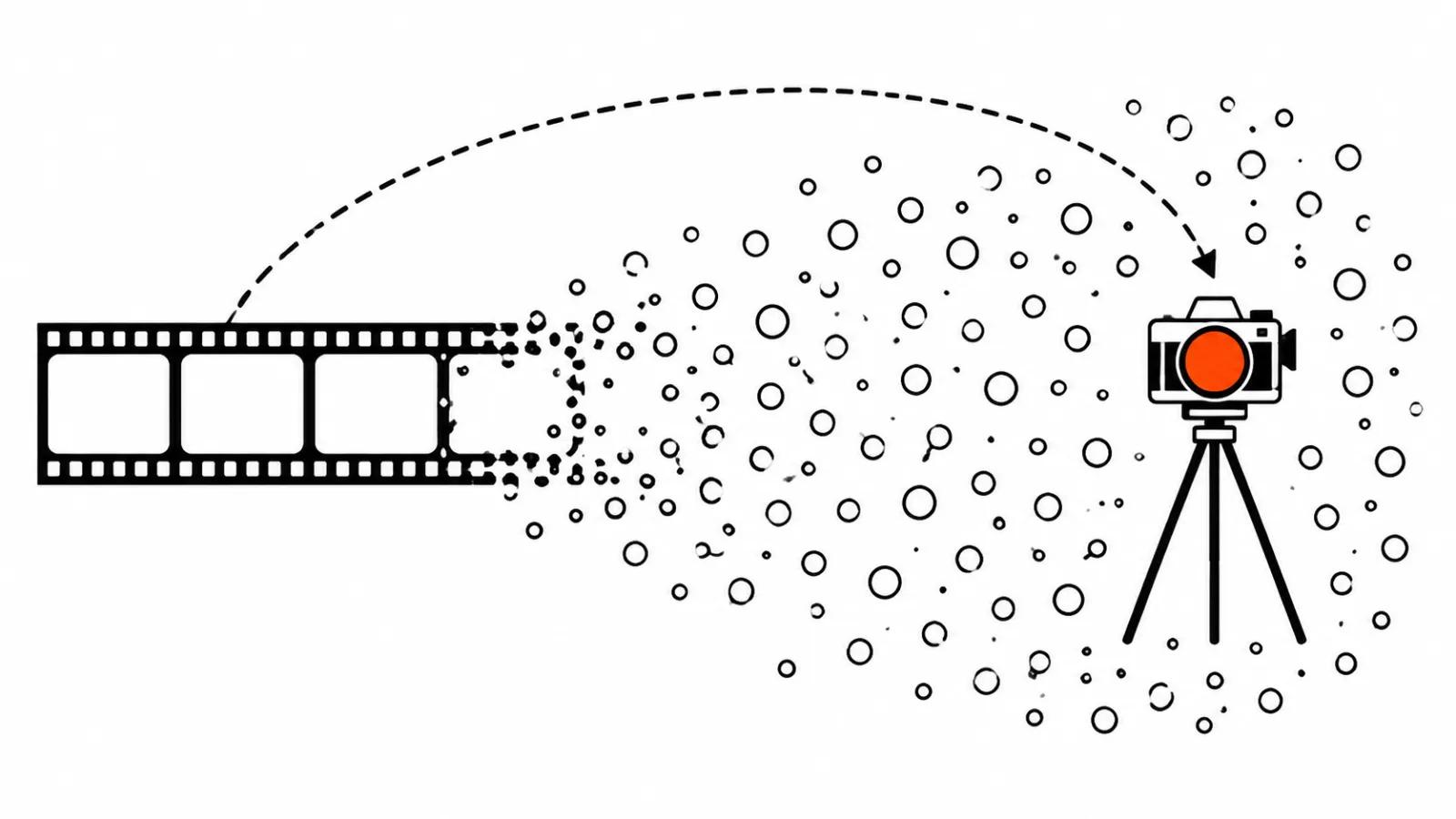
Ordinary video is a sequence of pictures. A Gaussian splat scene works differently. It is a cloud of soft coloured drops in three dimensional space. Each drop carries a position, a size, a rotation, an opacity and a colour, 59 numbers in total. A drop has no hard edge, it is smeared through space, and a few hundred thousand of them together produce something that looks like a frame.
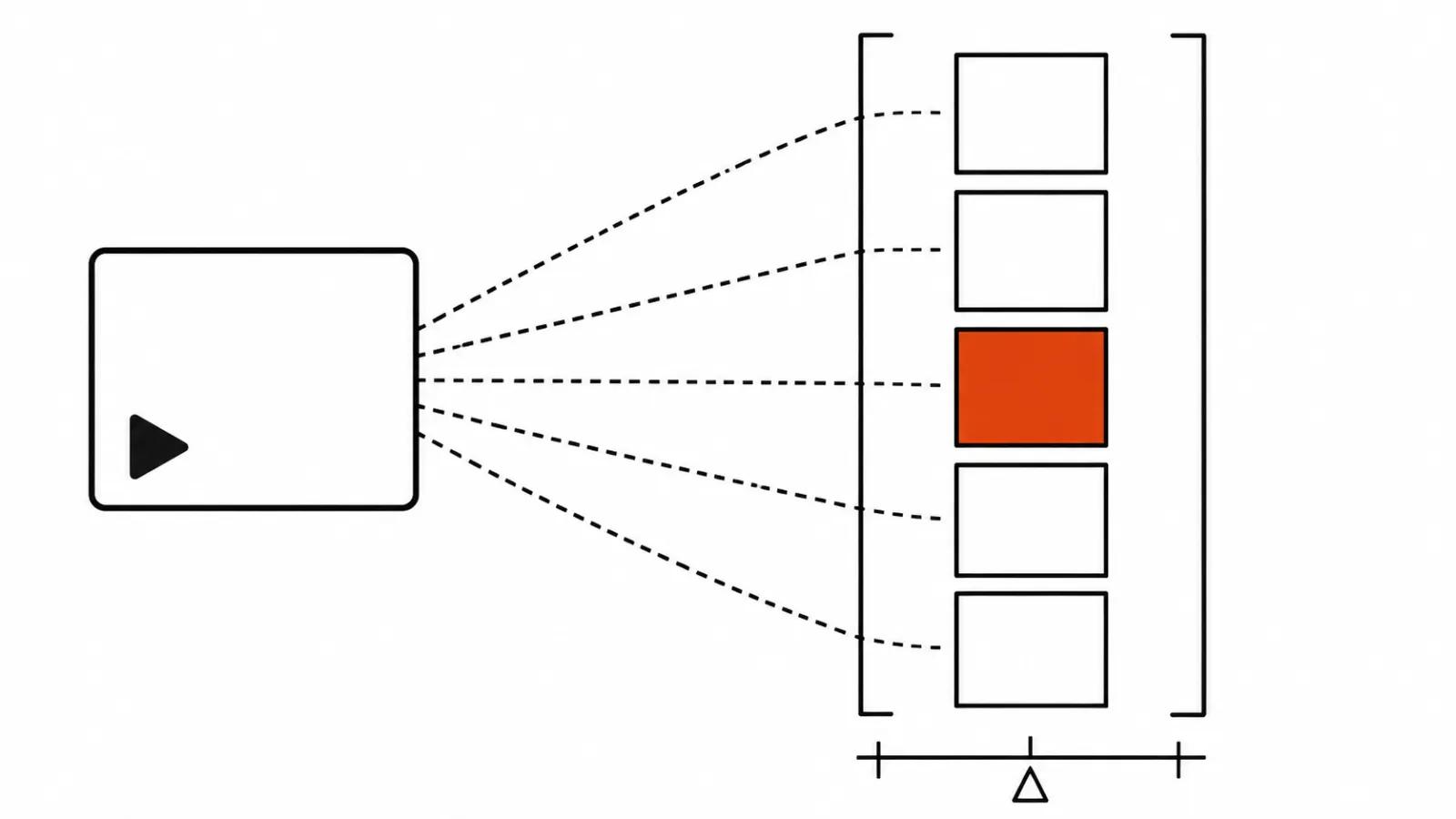
That gives the scene its main property. The image is no longer tied to the spot where the camera stood. You can place a camera anywhere inside the cloud and look at the scene from there. For AI video it changes the maths: a new angle used to cost a new generation, and now it costs one render pass.
The pipeline, from clip to new camera
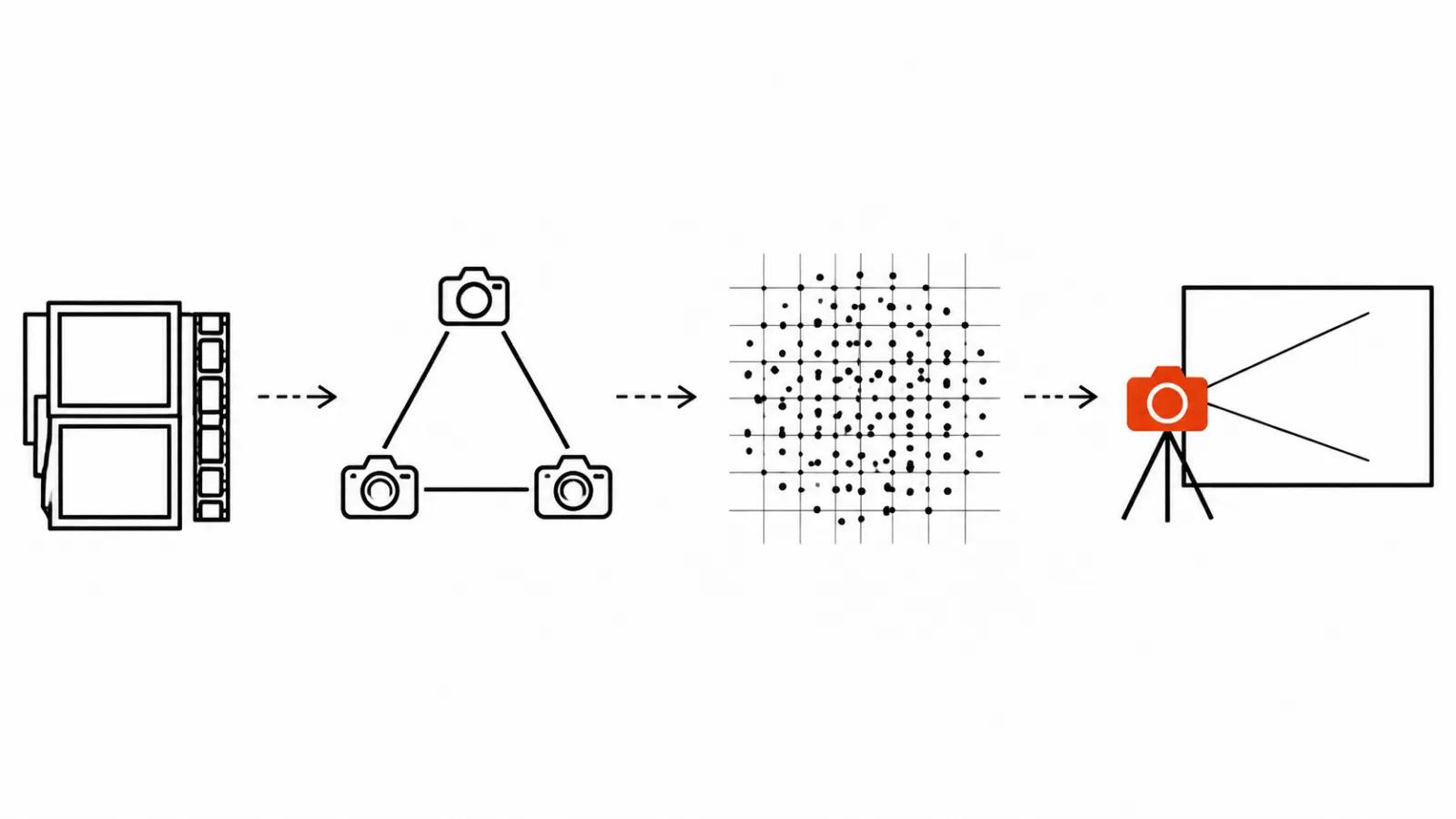
Five steps, and the steps are what explain the limits.
First, ffmpeg pulls frames. Every second frame is kept, which gives roughly sixty images for five seconds. Half the frames are dropped for speed.
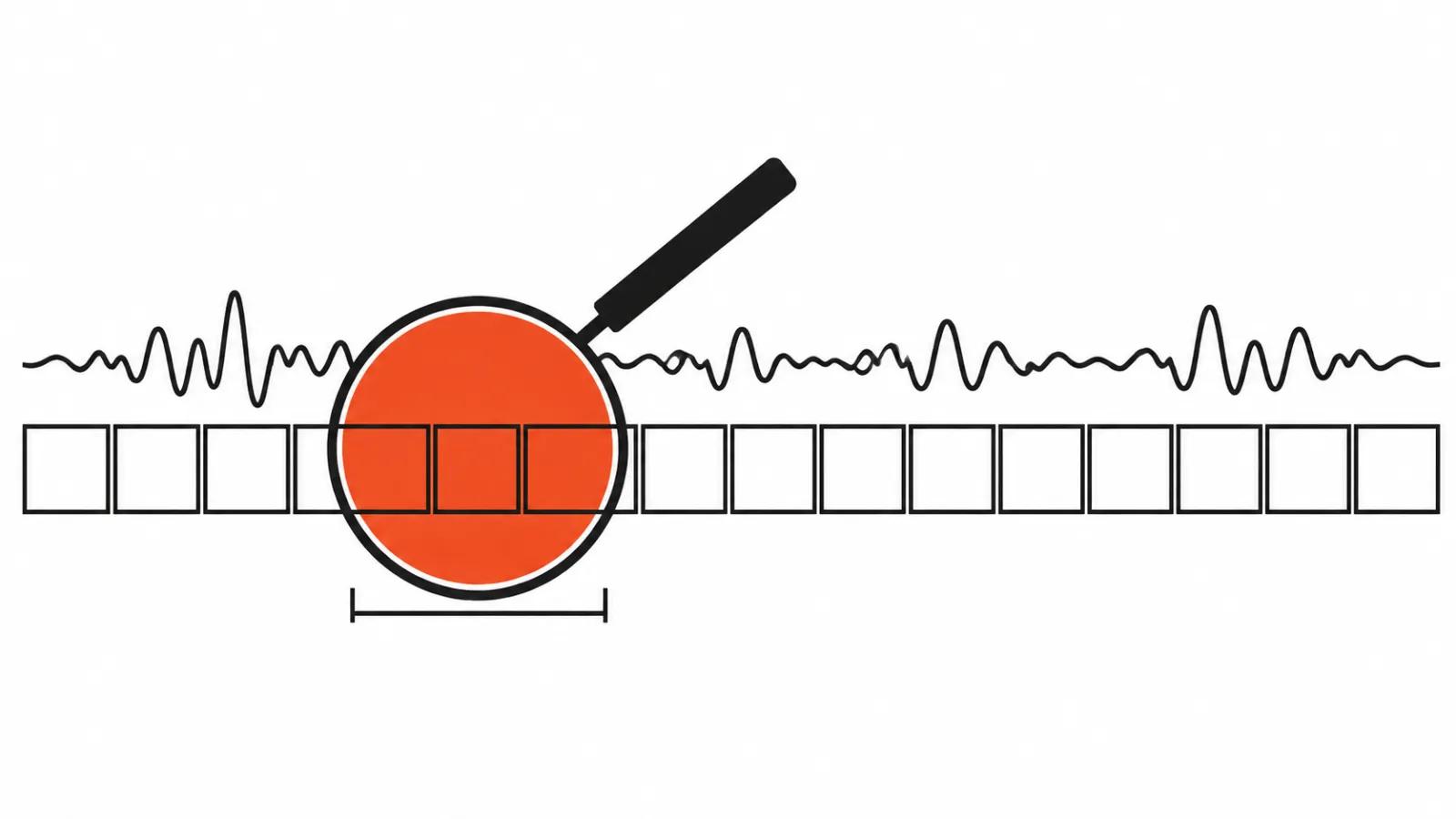
Second, COLMAP works out where the camera stood in each frame. It is an old photogrammetry program: it matches points across frames and reconstructs the path the camera travelled. On a five second clip that takes between forty seconds and a minute and a half.
Third, Brush trains the splats. Five thousand steps, twelve to nineteen minutes on a MacBook Pro M3 Pro. This is the slow part.
Fourth, a WebGL2 page draws the scene from the new camera position. Twenty to twenty four seconds for a five second shot.
Fifth, ffmpeg writes the mp4. Done.
One detail is easy to miss. AI appears only in the first step, inside the original clip. Everything after that is ordinary code, geometry and rendering. There is no network in the pipeline that understands the scene.
Why building a 3D scene beats another generation
Regeneration is where AI video budgets go. The shot misses, the camera drifts the wrong way, the subject blinks at the wrong moment, and you pay again: for seconds, for queue time, for luck. Twenty takes of one setup add up fast, and the dud frames still sit on the drive.
The splat route changes the deal. A good shot stops being a one off file and becomes an asset. You pull coverage out of it: a reverse angle on the same table, a push in under the title, a crane up on the last frame, a pull back at the head of the next scene. All of it renders from one trained scene, with no second call to a video model.
The money comparison is blunt. Twenty seconds of local rendering against one more generation that may miss again. When the source is five seconds and the edit needs four angles, the saving shows up as attempts you never had to pay for.
Where new camera angles break
The README lists the limits honestly, and they matter more than a demo reel suggests. A review from Fervor Creative AI on November 18 repeats the same list and does not argue with it.
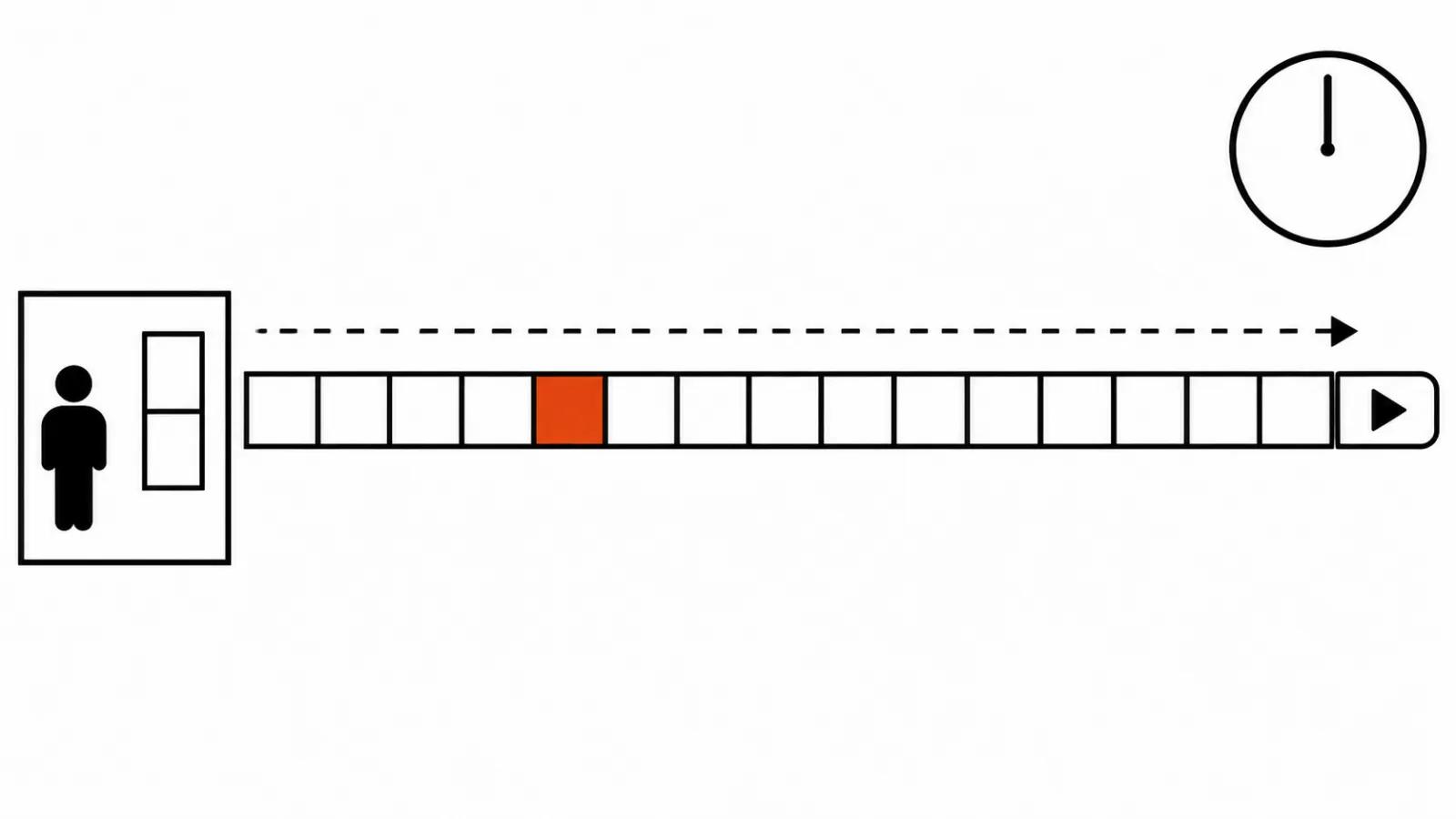
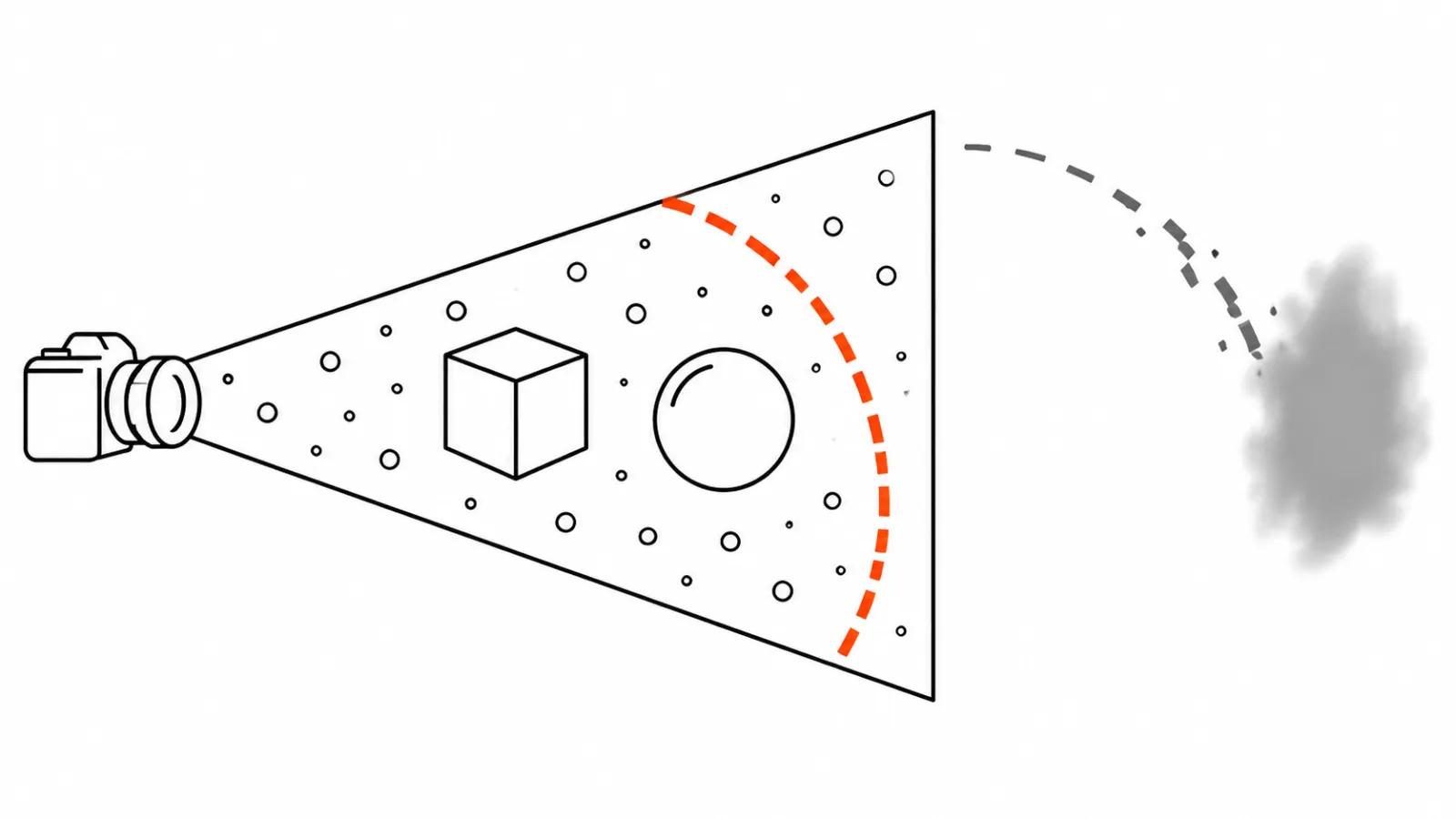
The camera in the source clip has to move. If the clip was locked off on a tripod and the frame barely changes, COLMAP cannot solve it. The program does not know where the camera stood, and the geometry never forms. The tool works only on footage with parallax and camera travel.
Smooth surfaces turn into smoke. A white mug against a white wall, plain plastic, a glass shopfront with no detail. The splats have nothing to lock onto and the object dissolves into the cloud. This is the nature of the method.
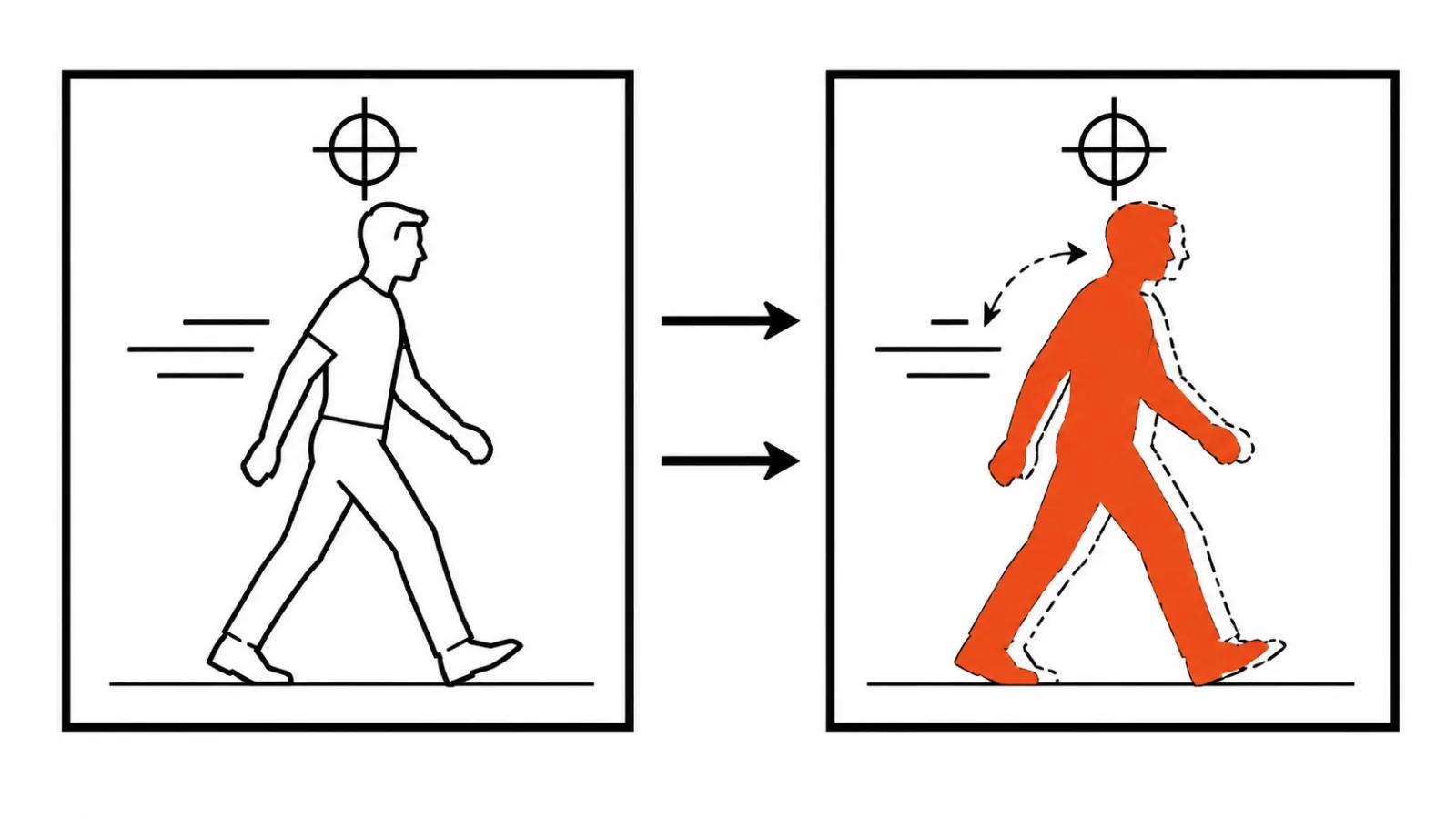
The camera cannot leave the volume the original clip saw. Past that boundary you get black or smeared edges. A ninety degree arc out of a five second frontal shot is unlikely to work, because there is no information on the side.
Highlights and reflections fall flat. The renderer draws only the base colour of each drop, so metal loses its glints and glass stops mirroring anything.
And the whole thing was tested on macOS with an M3 Pro. The author promises nothing for Windows or other chips, so a move to a GPU workstation is your own experiment.
What this means if you commission video
One request follows from those limits, and it belongs at the start of the job: ask for the source clip with camera movement, at the highest resolution available. That file decides whether extra angles are cheap or whether everything has to be generated again.
Then the arithmetic. If the edit calls for a reverse angle and a push in under the title, it is cheaper to shoot the original with a slow move than to find workarounds later. If the whole piece is static, the tool gives you nothing, which is fine, it was built for something else.
A useful habit when ordering: agree that the contractor keeps the source clips and working scenes, so a fix does not always mean a fresh generation. AI video production works best from such sources. Handcrafted videos, from $190, are priced differently: every shot there is built and checked by hand. For the language side, there is a guide on camera movement in AI prompts, and a separate piece on 3D previs before a single frame is generated.
My take
The tool is rough, and the numbers say so: up to nineteen minutes of training for five seconds, macOS only, one author's test. As a product it does not exist yet. As an idea it matters.
The idea is that a clip stops being a final file. While generation was the only route to a new angle, every angle was paid for separately and carried risk. Gaussian splats change the estimate: one good shot can cover several setups.
Keep it practical. If you commission AI video and know another angle will be needed, ask for the source clip with camera movement and keep it. That is the one thing nobody can rebuild after the fact.