What NVIDIA published on November 2
The November 2 post on the NVIDIA developer blog covers the assembly of world models for interactive simulation. The subject is Cosmos, a platform of world foundation models and tools for physical AI, meaning systems that deal with physics: robots, vehicles, surgical manipulators.
The interesting part of the release sits in the scaffolding. The Cosmos Framework is described as an open set of modular tools for training, optimization and inference, with agent skills and recipes attached. That layer removes a good share of the manual work that usually goes into wiring a pipeline.
I find this layer more useful than another demo with a beautiful frame. A demo shows the ceiling of the technology. A framework shows how many people, weeks and gigabytes it takes to reach that ceiling on your own task.
What the Cosmos Framework contains
Cosmos used to read as the Cosmos 3 model family. The frame is wider now: Alpamayo, GR00T, Qwen, pi0.5 and compatible Hugging Face models all go in. The practical point is that one training and inference pipeline should serve different architectures without being rewritten for each.
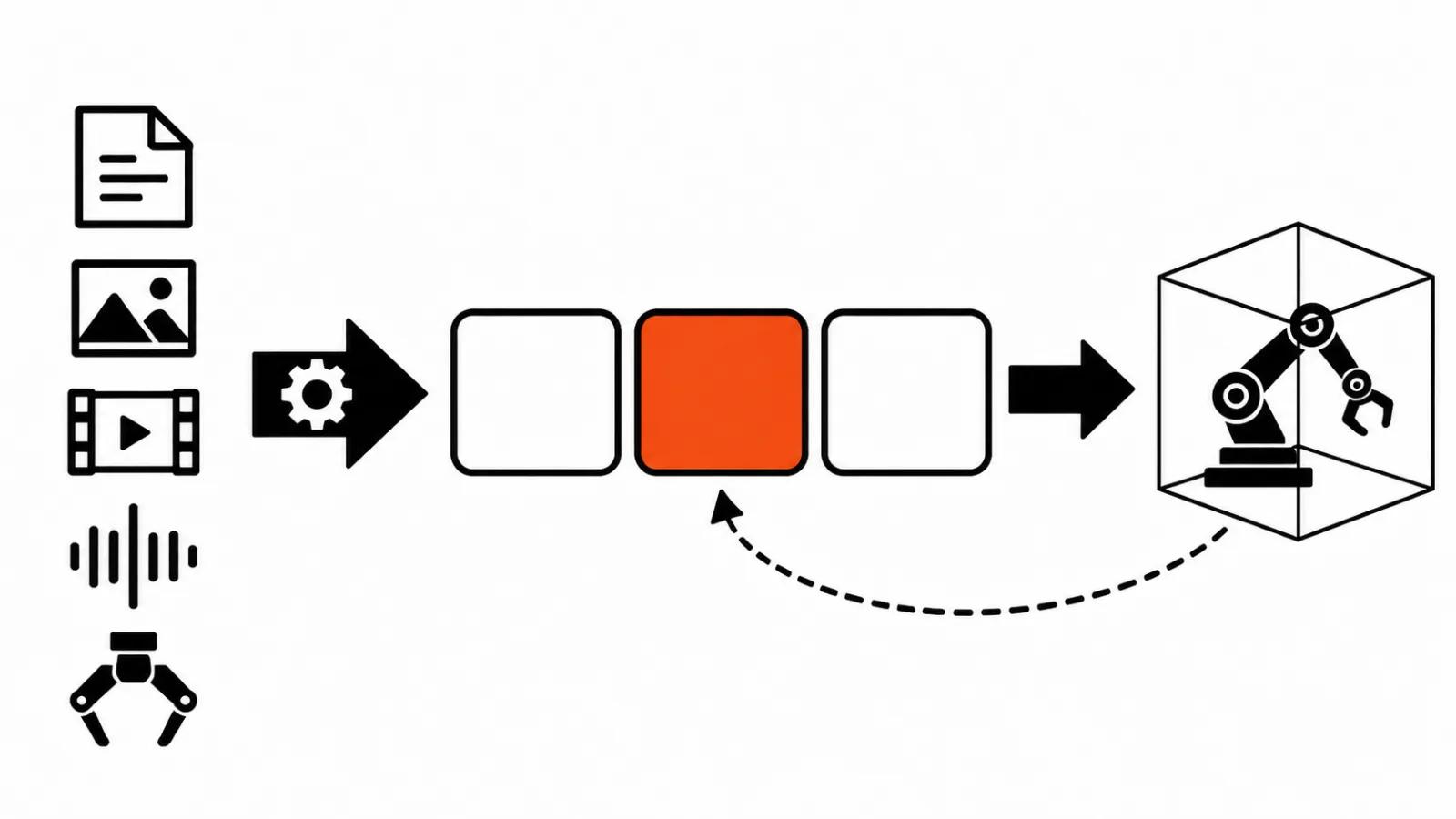
Inputs are listed without a modality limit: text, images, video, audio, actions. Fine-tuning runs through LoRA or full SFT. Datasets arrive as JSONL, WebDataset, LeRobot or your own adapters. For a team whose data already lives in a custom format, that last item carries the most weight, since the adapter removes a conversion pass over terabytes before the first run.
Reinforcement learning: five methods on one list
Alongside supervised training the release lists the RL side: DPO, GRPO, PPO, OPD and DiffusionNFT. The set covers preference optimization, policy gradient and methods built for diffusion generators, which amounts to several ways of telling a model what a better output looks like.
For video that matters. A pixel loss rewards the averaged frame, and the result comes out soft. A preference or reward signal pushes generation toward the motion a person would call correct, and at that point the work moves into data and labelling.
Which of the five schemes gains anything on your data is a question for a test run. The blog offers no universal answer either, it lists the methods with recipes attached.
World model video: the Cosmos 3 Nano recipes
The most practical part of the release is the simulation recipes for Cosmos 3 Nano. Three scenarios: synchronized camera video and LiDAR for autonomous driving, two-arm robots, surgical scenes. Example checkpoints ship with the recipes, so a team can run something instead of reading about it.
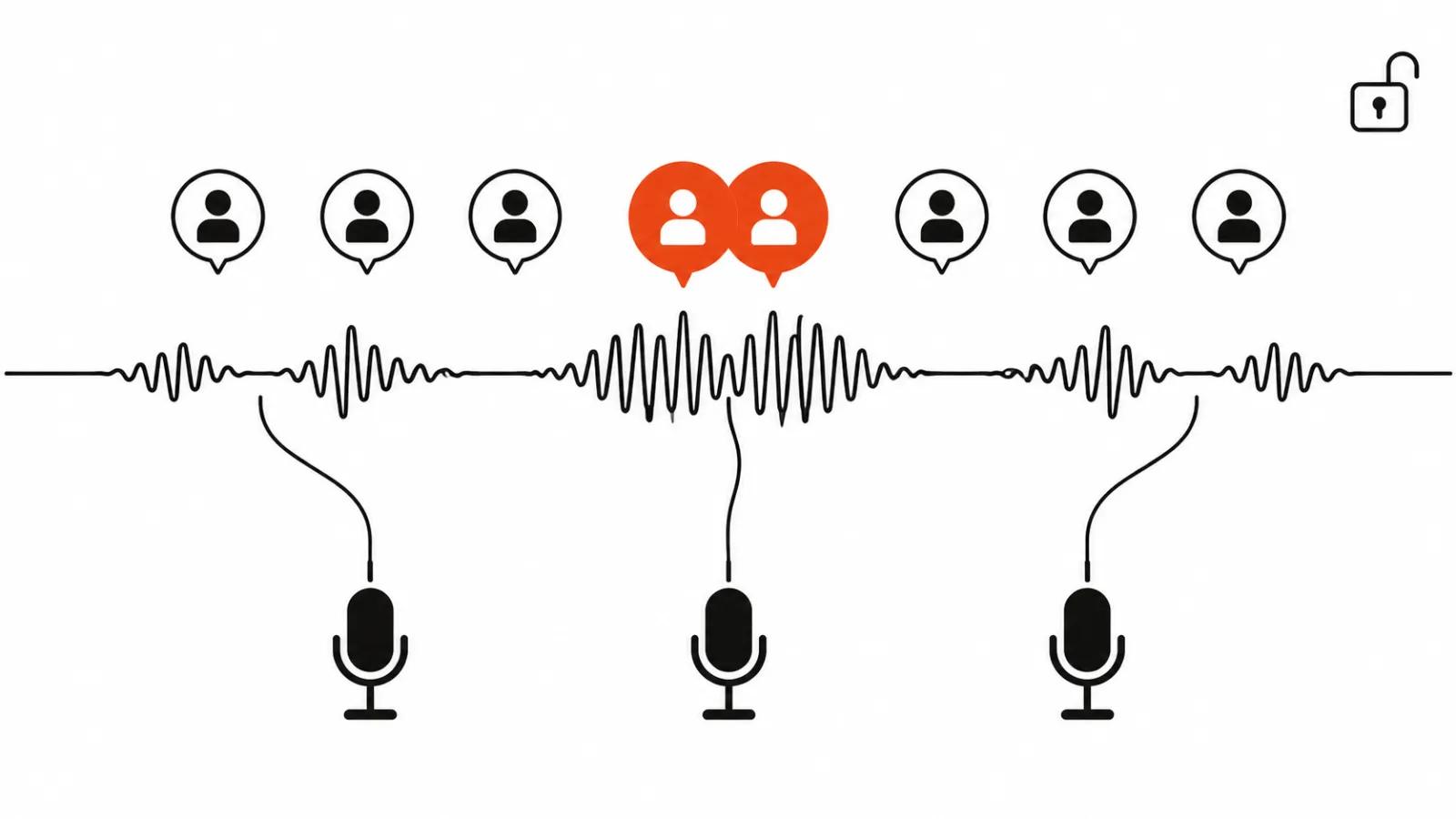
Camera and LiDAR synchronization deserves a separate note. A couple of frames of drift breaks the match between points and picture, and the model trains on noise. Anyone who has built such a set knows how much time goes into calibration before the first training run.
Two-arm scenes and surgery hit a different wall: fine motor control and contact with objects. There the recipe saves engineering effort, because the pipeline structure is already described and tested on examples.
AI video simulation: the memory numbers
NVIDIA lists memory requirements for generation on Cosmos3-Nano: about 58 GiB in BF16 and about 44 GiB in FP8 with partial offloading. That is one top-end card or a pair of smaller ones. For a local rig the number matters more than any claim about quality, since it decides whether the task fits the hardware at hand.
The second number covers inference through Cosmos NIM. Speculative decoding brings around 2-3x mean speedups on H200 according to NVIDIA. The post carries no independent measurement, so I would budget the low end and test on the actual workload.
The November 5 stream
Today, Thursday November 5, NVIDIA runs a livestream about the Cosmos Framework. Two things are worth watching: whether the recipe checkpoints go public and how they explain moving a recipe onto outside data.
The rest of a stream like this usually repeats the blog. The useful minutes tend to sit in the questions at the end, if there are any.
How this differs from Kling and Seedance
Consumer video models solve the short clip: a good-looking frame, readable motion, a couple of seconds that a person watches. Cosmos solves for an environment where an object lives longer than one clip and obeys physics.
The requirements split from there. A spot needs expression, a simulation needs repeatability: the same input has to produce the same result, or training a robot loses its point.
For ad production that means Cosmos will not replace Kling on Reels cutting. It offers another tool: angles and conditions that are expensive or impossible to shoot.
My take: where Cosmos pays off
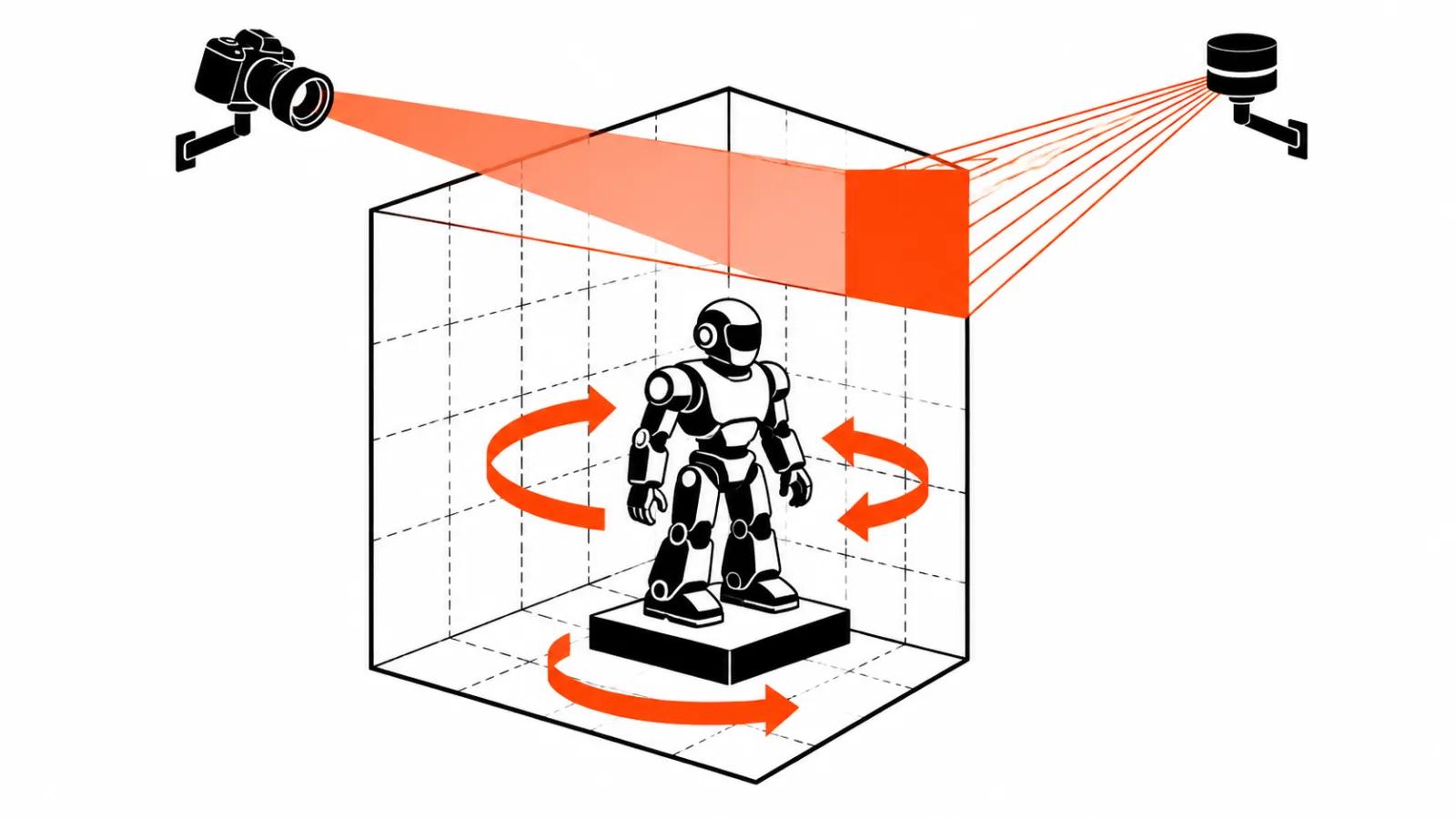
I see two places in production. First, synthetic camera angles for scenes that cannot be filmed, an orbit, a view from a point where no crane fits. Second, stress tests of a set, where you want to know how the build and the light behave under camera movement before the crew travels anywhere.
For mass short-form work it is early. The hardware floor, the missing interface and the cost of a misconfigured pipeline still outweigh the benefit. Teams building robots, autonomous driving or complex previz get value now, because the release removes part of the engineering work.
Our own work with this sits in two lanes. High-volume versions of a spot come out of AI video production, and scenes that need acting and precise drama go through handcrafted AI videos. A similar breakdown lives in our Cosmos3-H-Dreams piece, which covers the surgical simulator and the way video turns into a controllable environment.