Issue 1: what shipped on October 20
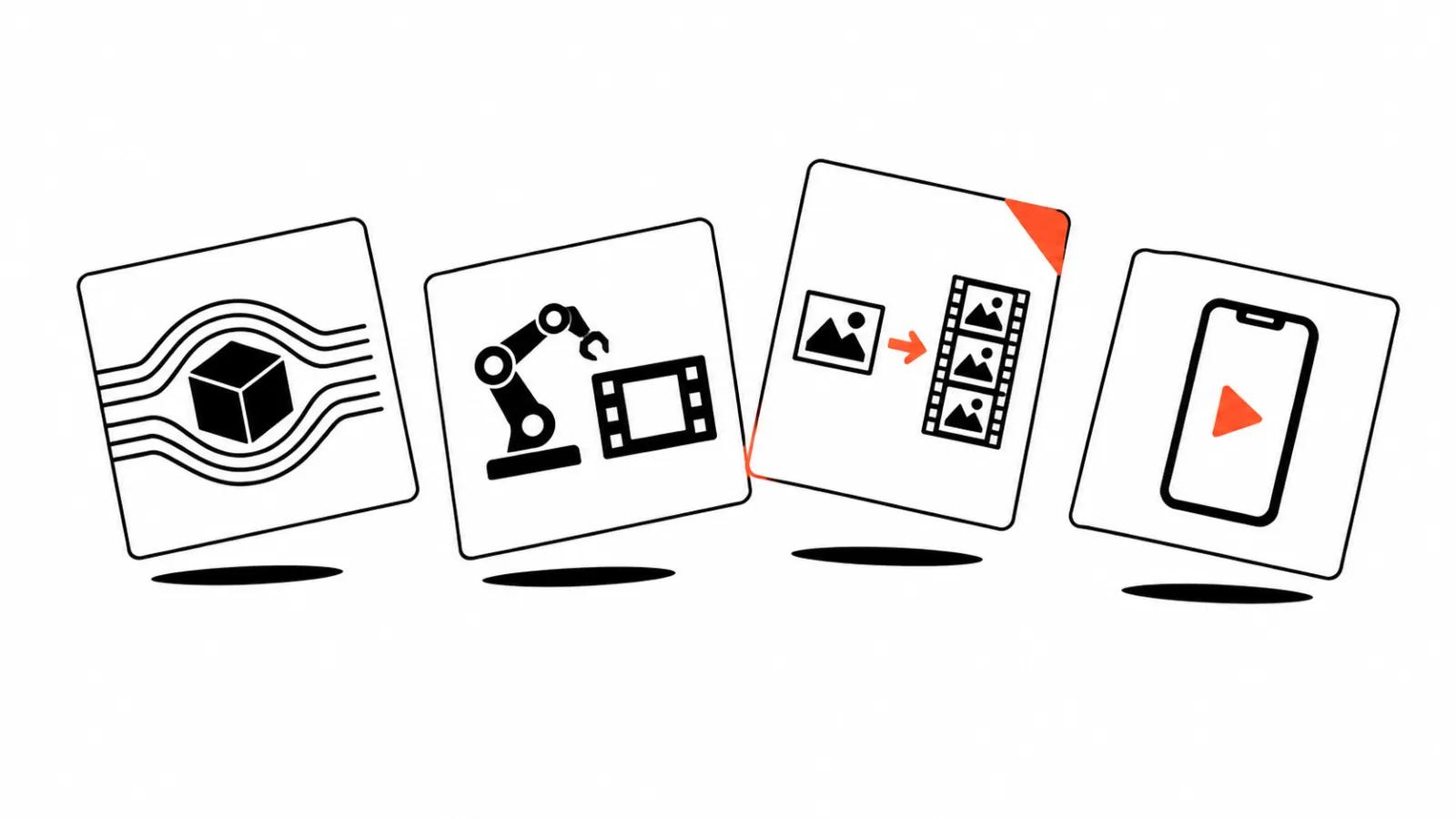
A technical day. No company launched a new flagship model for advertising, yet three teams showed how video stops being a file and becomes an environment: a trainer, a geometry, an object of inspection.
Three items below, each with a primary source, a line on why it matters for people who commission video, and a note on where the facts end.
AI video generation inside an operating room: NVIDIA's simulator
NVIDIA published Cosmos3-H-Dreams (https://huggingface.co/blog/nvidia/cosmos3-h-dreams), a generative simulator that builds an operating scene and changes it in response to instrument commands. It learned from recordings of clinical cholecystectomies, gallbladder removals on the CMR Surgical Versius platform.
The frame holds two instruments, a left grasper and a right monopolar hook. The model takes 28 action dimensions: position and grip of both hands, energy control, stick axes and buttons. Training ran on 832 by 480 video at 10 hertz.
Then the engineering. A bidirectional teacher learns 24 future frames, and the horizon stretches to 72 frames, 2.4 and 7.2 seconds. A causal student is distilled from it and generates short blocks as commands arrive: one checkpoint at four denoising steps, another at two, trained on its own.
The FlashDreams runtime keeps long rollouts alive, FadeMem compresses the attention cache, and the whole thing runs interactively on one RTX PRO 6000. Code, checkpoints and a fine-tuning recipe are open.
Why it matters: by NVIDIA's account, this is the first public example of video driven by action, where the instrument gives the command and the prompt only sets the scene. For a client that is a trainer you can re-shoot forever and use for rare cases. For the market it is a bid for a new class of work: an environment where people learn, in place of a clip about a product.
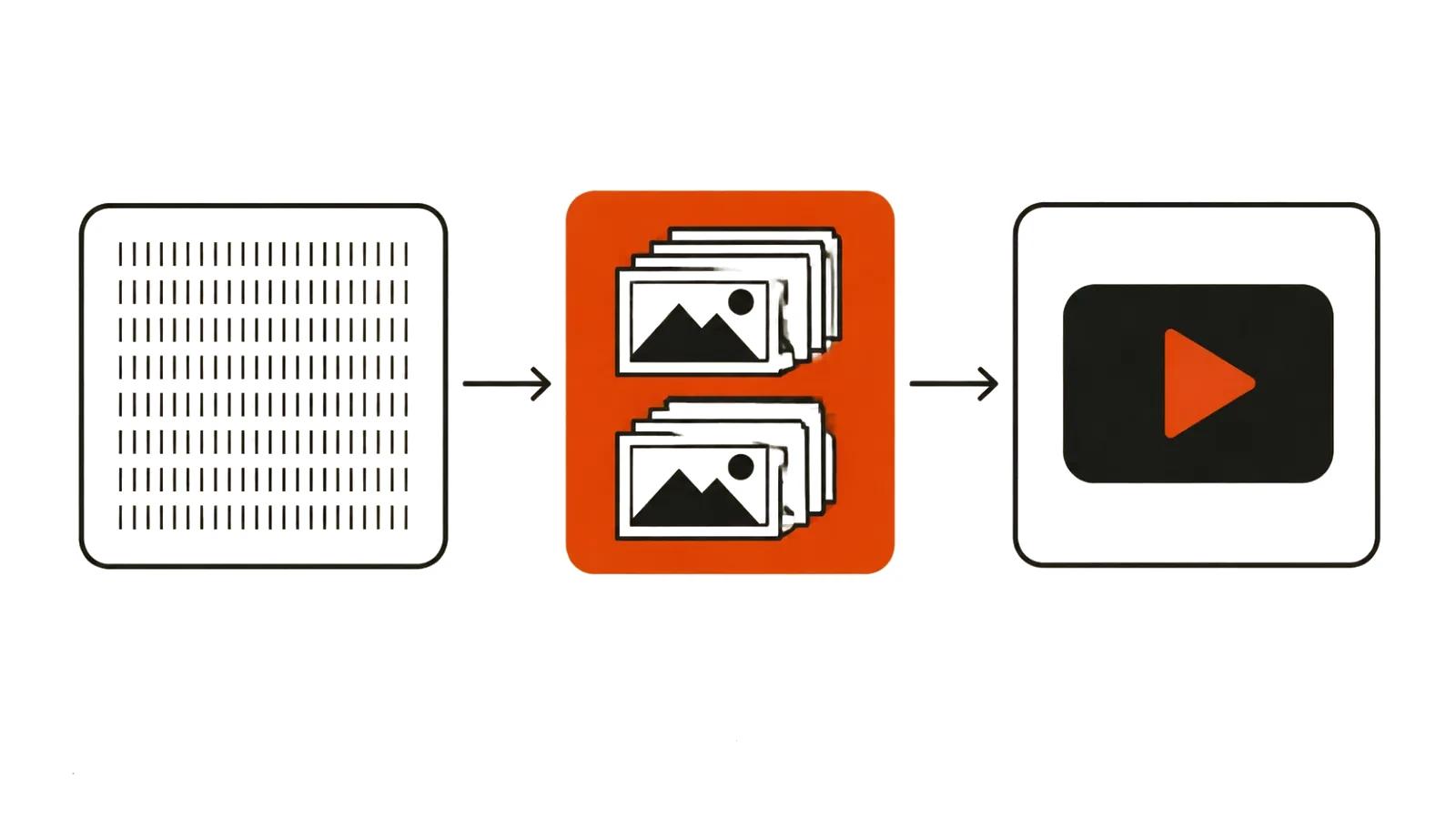
AEON: a 4D scene out of video
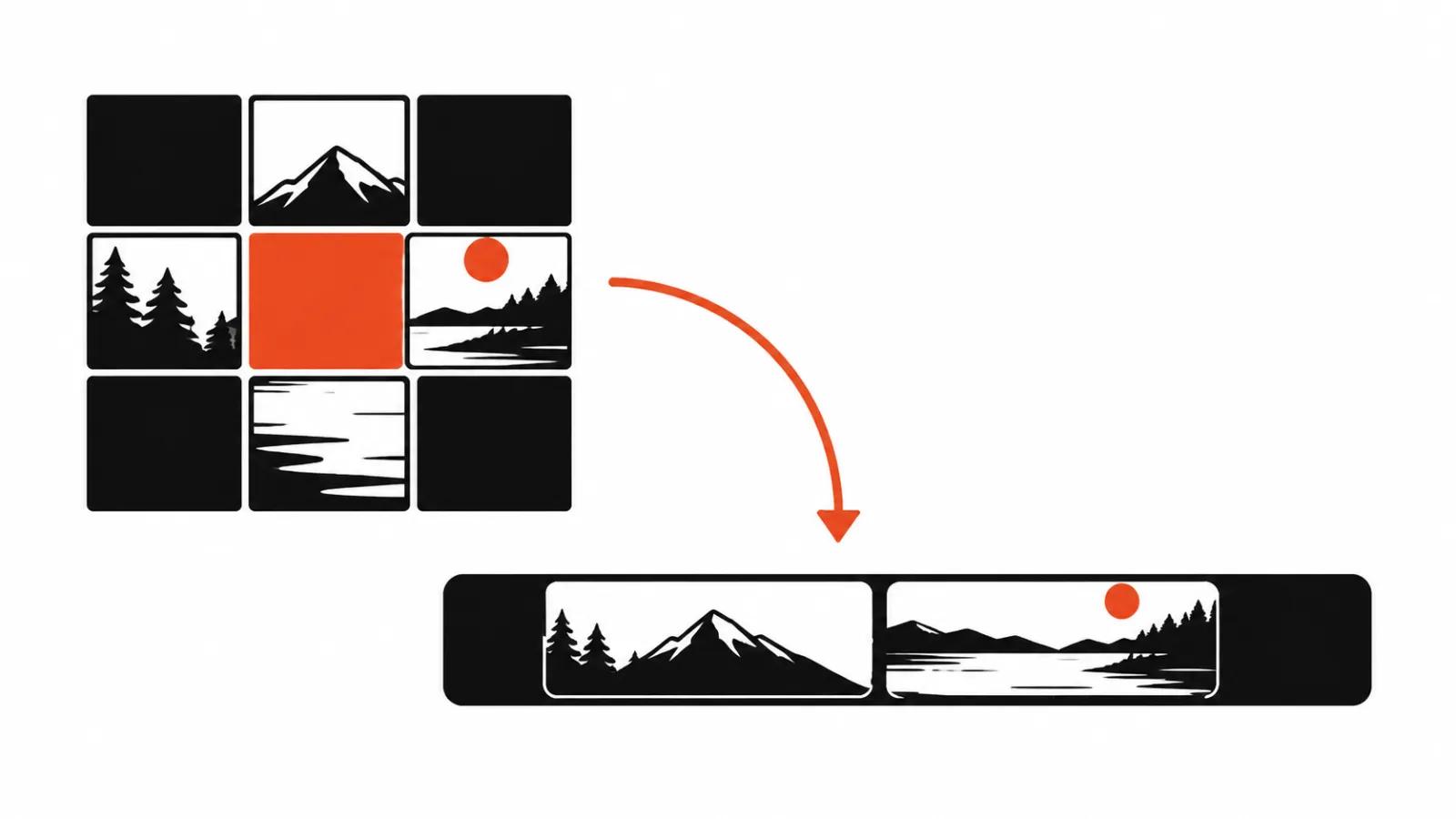
The second item came from arXiv. AEON (https://arxiv.org/abs/2610.28631) merges two approaches to world models: video generators that deliver a realistic image without geometric consistency, and 3D generators that deliver consistent geometry without motion.
The authors work in video latent space and predict 4D Gaussians, primitives that render into a scene. A reconstruction model predicts those primitives and camera poses from monocular video, and a domain adapter maps the generator's latents into its representation. The result can be orbited like an ordinary 3D scene and keeps its motion.
The paper was accepted to NeurIPS 2026 and the project page is live. There is no independent comparison against production models on real footage yet.
Why it matters: if the approach scales, the line between generation and shooting blurs. One pass around an object yields a scene you can cut any angle from. Production saves repeat trips, and editing gains a new kind of source that is not a file.
A plagiarism detector for generated video
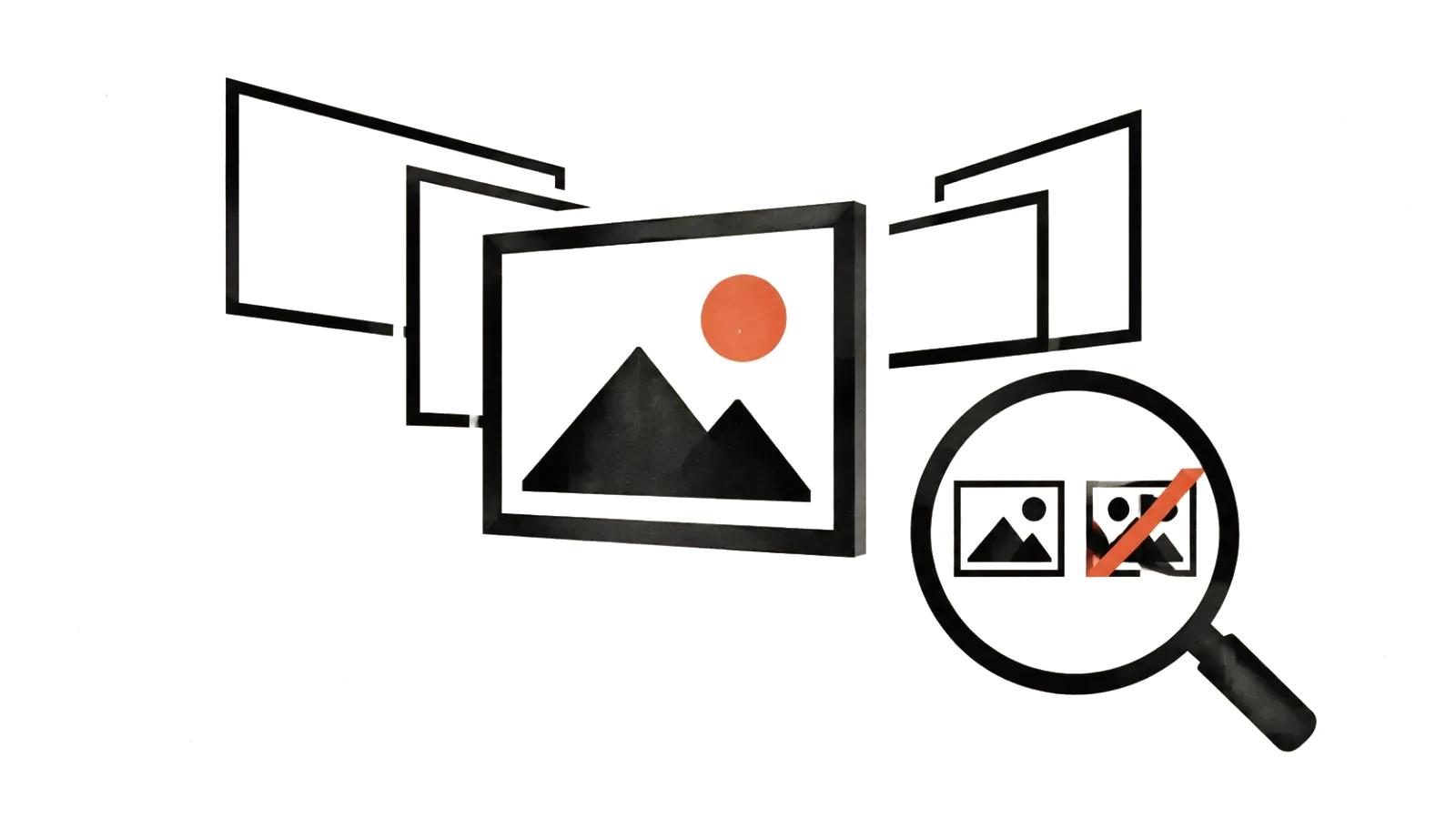
The fourth paper, Copyright Leakage Detection in AI Generated Videos (https://arxiv.org/abs/2610.28524), answers a question lawyers ask more often than engineers: does the model reproduce someone else's material?
The authors assembled 50 copyrighted concepts with five images each. For every concept they generated five videos two ways, from an image plus a prompt and from a prompt alone. Detection reduces to retrieval: frames become averaged embeddings and are compared against a database of copyrighted image embeddings, with one threshold and the nearest match returned as evidence.
In their experiments the authors report 99.6 percent accuracy with one false negative. Data is on Zenodo, code on GitHub, and the work was accepted to ICECER 2026.
Why it matters: checking a clip for copied material used to be manual. A public method with open code means a claim can be backed by a calculation instead of an eyeball. For a studio it is also an argument when a client brings a reference full of someone else's graphics.
What the three have in common
First, all three release artifacts: NVIDIA ships checkpoints and code, AEON has a project page, the detector has data on Zenodo and a repository. The numbers are checkable without writing to the authors.
Second, each of the three jobs used to need shooting or handwork: surgeons rehearsed on a trainer, geometry was rebuilt frame by frame, copies were found by eye. Video is moving from result to tool.
Third, all three share one weak spot, independent evaluation. NVIDIA learned one operation, AEON compares on its own set, the detector was checked on 50 concepts. All three are papers about a method, with no finished product behind them.
What this changes for a client
All three items say one thing: video is growing layers that used to live apart. Action, geometry, rights checks. Three consequences follow.
First, trainers become a category of their own. Where repeatability and rare situations matter, generative video competes with shooting on location, and AI video production starts with what should happen in frame; how to shoot it comes second.
Second, demands on source material rise. If a scene can be orbited, a client brings one pass and expects five angles. Handcrafted videos stay where acting and precise drama are needed: from $394 per video up to 90 seconds, about a week.
Third, rights checks become technical: a detector and open datasets simplify the conversation about references and, for high-volume work with video versioning, filter foreign elements before publishing.
A guide to AI video models sorts models by task; announcement volume counts for nothing there.
Where the facts end
Caveats matter here, because all three sources were written by the people who built the thing.
Cosmos3-H-Dreams is a research simulator. NVIDIA states plainly that the system is not validated for patient care, and a realistic image does not prove biomechanical accuracy. The model learned one type of operation on one platform, and moving to other procedures needs its own data.
AEON reports results on standard benchmarks, with no independent test on production footage. Comparisons against commercial world models run on the authors' own set.
The detector was evaluated on 50 concepts, a small sample, and the 99.6 percent figure comes from that same sample. How the method behaves on a long clip with cuts does not follow from the preprint.