What Pika showed on 17 November
Pika published a post titled Research Preview: Pika Enact. The date on the page is 17 November 2026, while the text also mentions 19 November, so I take the page date. The headline is honest: this is a research preview, and it is not for sale. Enact is closed to consumers, companies are invited to write to the address in the post. No prices and no timelines appear anywhere in it.
The idea in one line: an environment where video is generated as a stream and edited while it runs. Instead of the familiar loop of writing a prompt, waiting for a clip and rewriting the prompt, you get a set you stand next to and call out to.
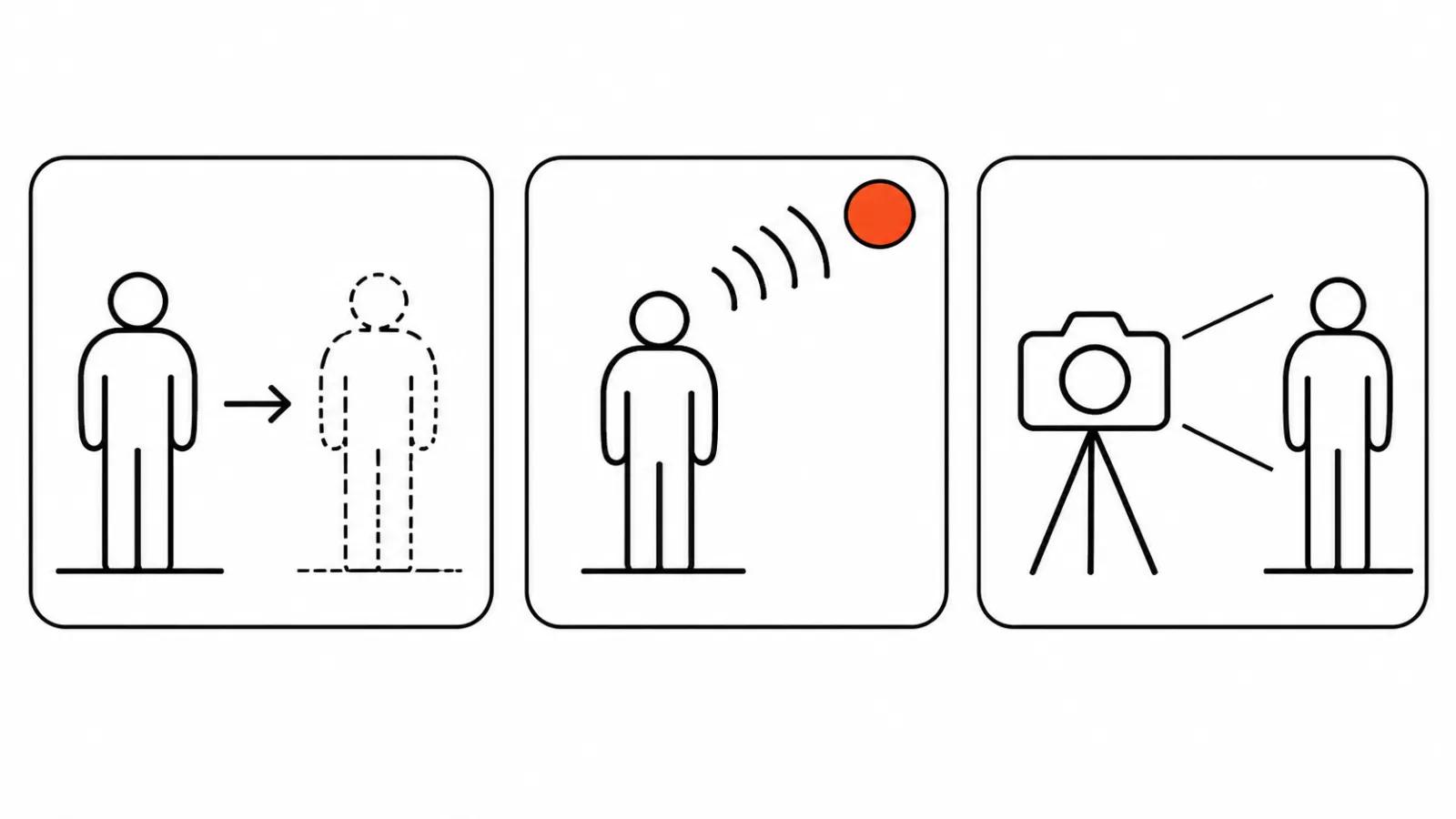
Three modes: staging, actors, camera
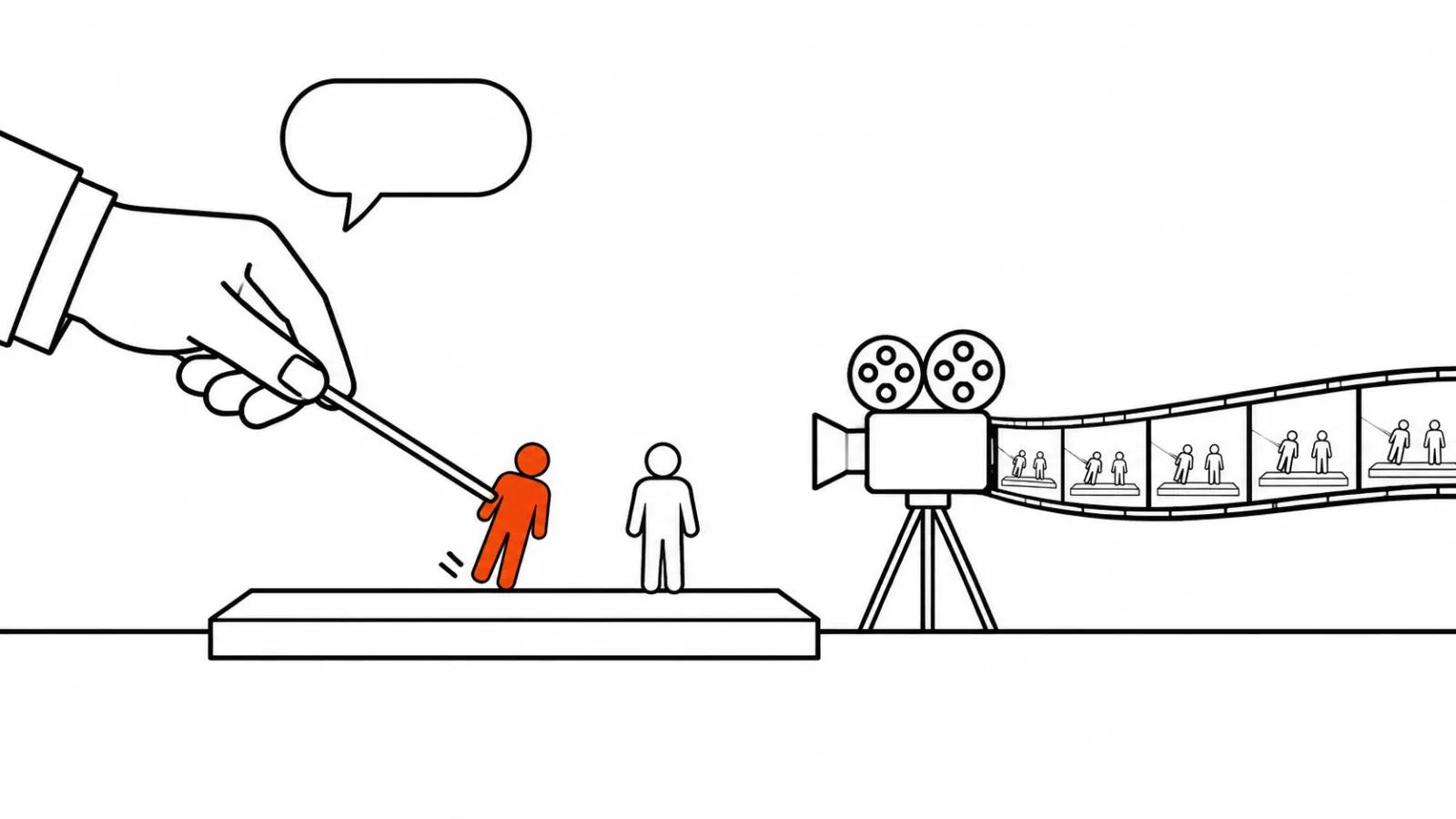
The first mode is live staging. The scene is already playing and you drag actors and objects around with the mouse. An actor shifts, and the shot continues with the new position in the room.
The second mode Pika calls live actor direction. You talk to them and give notes: on lines, on emotion, on movement. The word Action turns the rehearsal into a new continuous take, and the actors remember what was discussed before. With ordinary generation every revision brings a new person with a new face and a new tone of voice, while here the fix stays inside the same scene.
The third mode is the camera. Mouse control, mid-scene, no restart.
Pika says the result feels more real in its own tests. That is the company's wording, the post carries no numbers and no comparisons, so I treat it as a claim.
How AI video directing differs from a prompt
The ordinary loop goes prompt, wait, watch, new version of the prompt. Each run takes minutes, and fixing one detail drags three others with it. Directing with a model flips the order: scene first, correction on the live stream after.
The difference shows up in the cost of a mistake. In a prompt the mistake surfaces a minute later and costs a fresh run. On the set it is visible immediately and cleared with a spoken note. That feels closer to working with an actor on a stage than to filling in an order form.
There is a second difference, less obvious. A prompt describes a result, directing sets a process. When you say "sit on the edge of the table and look into the lens", you are not drawing the frame, you are giving a task to someone who is already standing there.
Chunks under a second: how it works
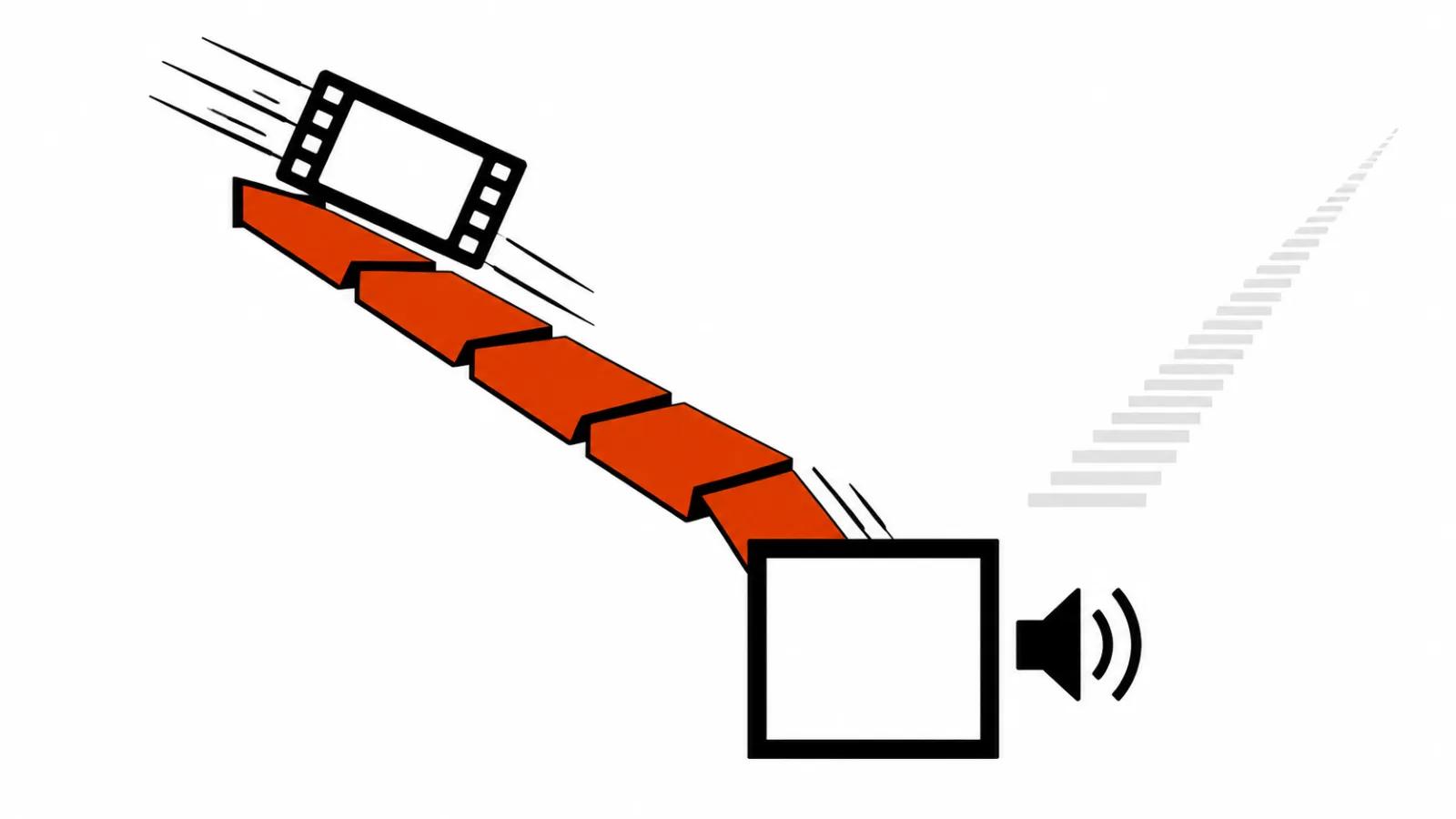
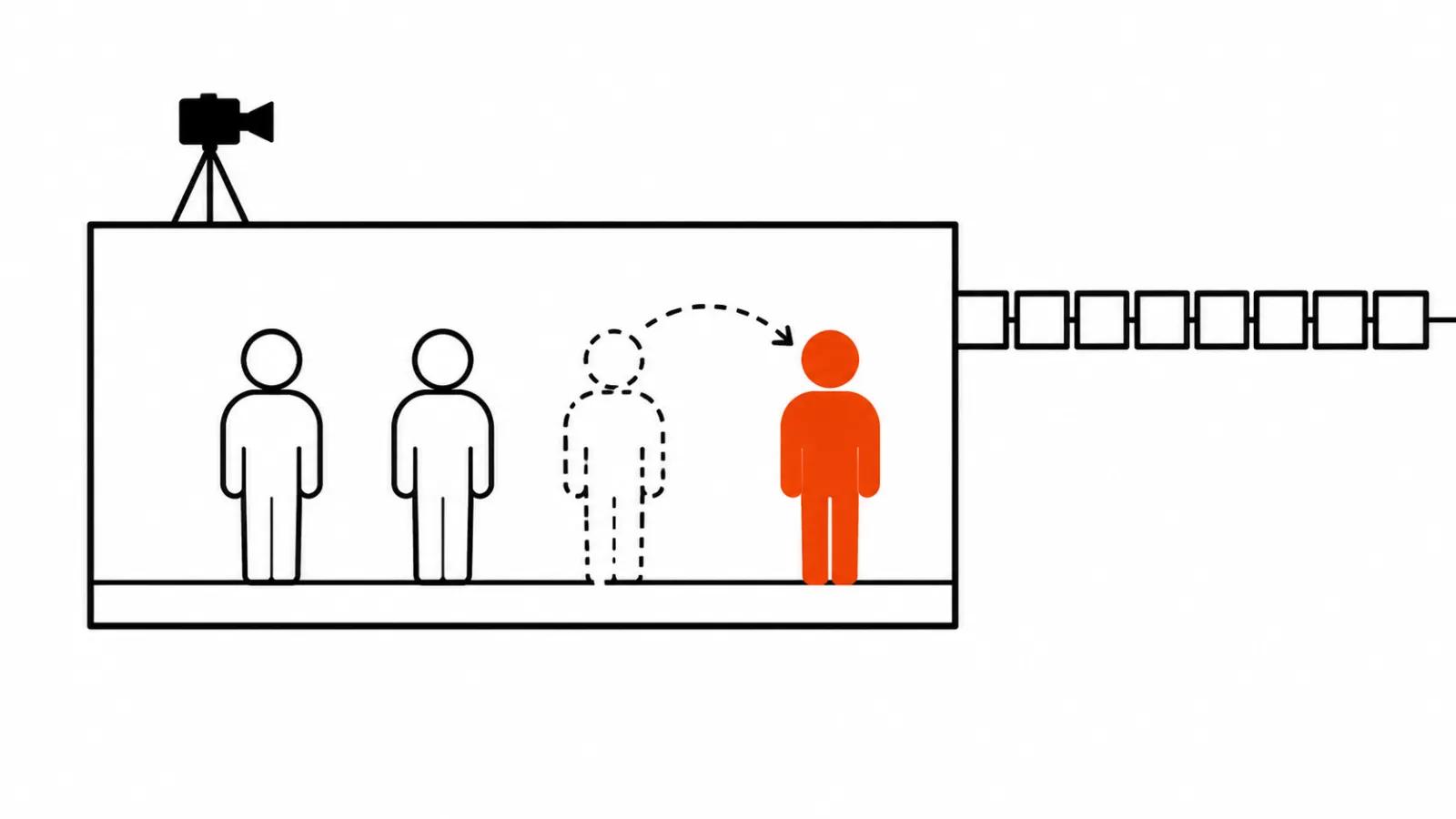
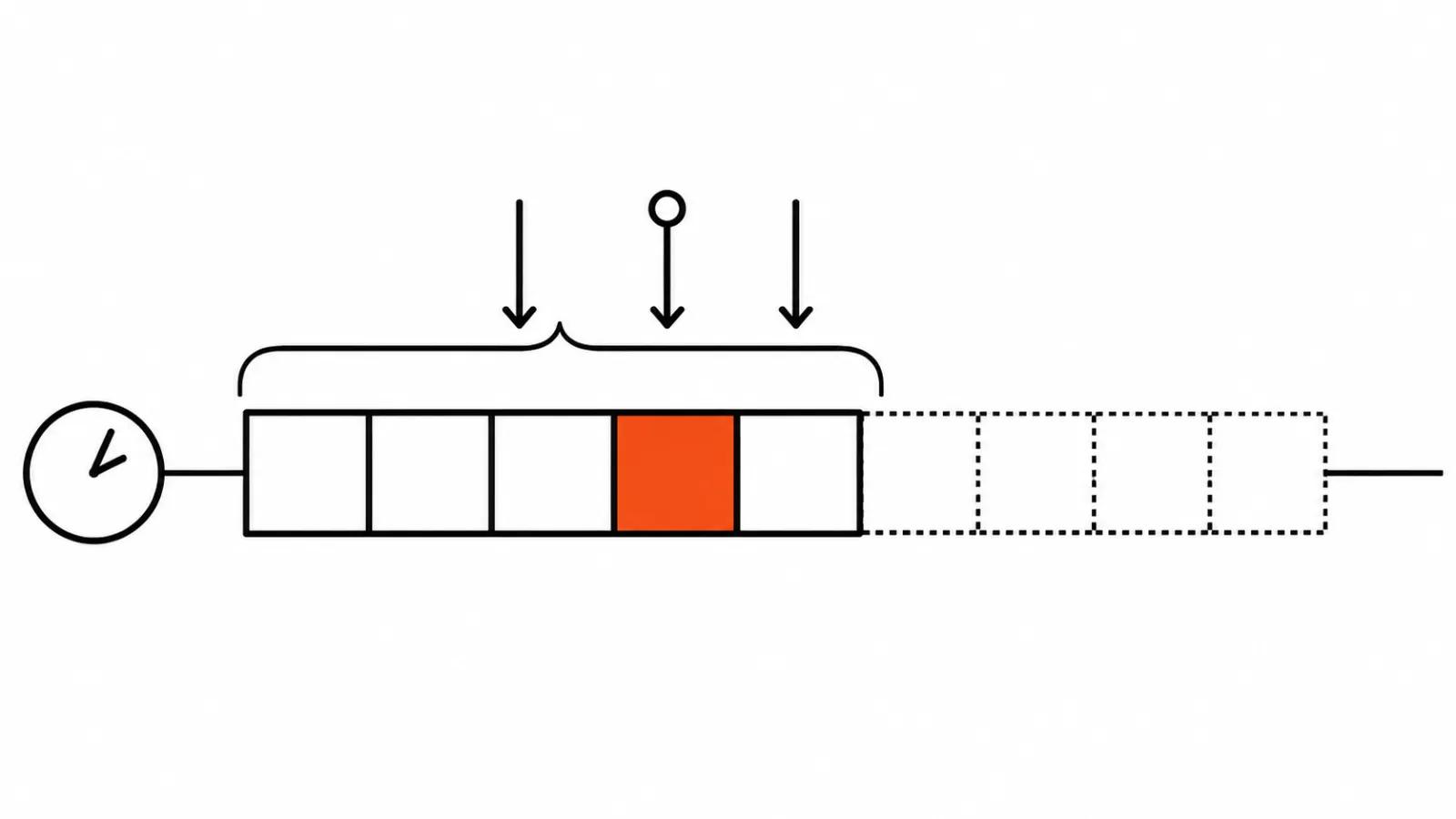
Enact generates video and audio in chunks shorter than a second, carries the scene context forward and takes new instructions as they arrive. In plain terms, the model does not paint the whole clip, it paints the next tiny piece while remembering the one before and listening to the note that just came in. That is why the scene does not restart when you move an object: the next chunk is computed with the new arrangement already in place.
The hard engineering part is latency. To direct live, the system has to compute a chunk faster than the chunk plays back. Pika does not say what latency Enact reached in practice.
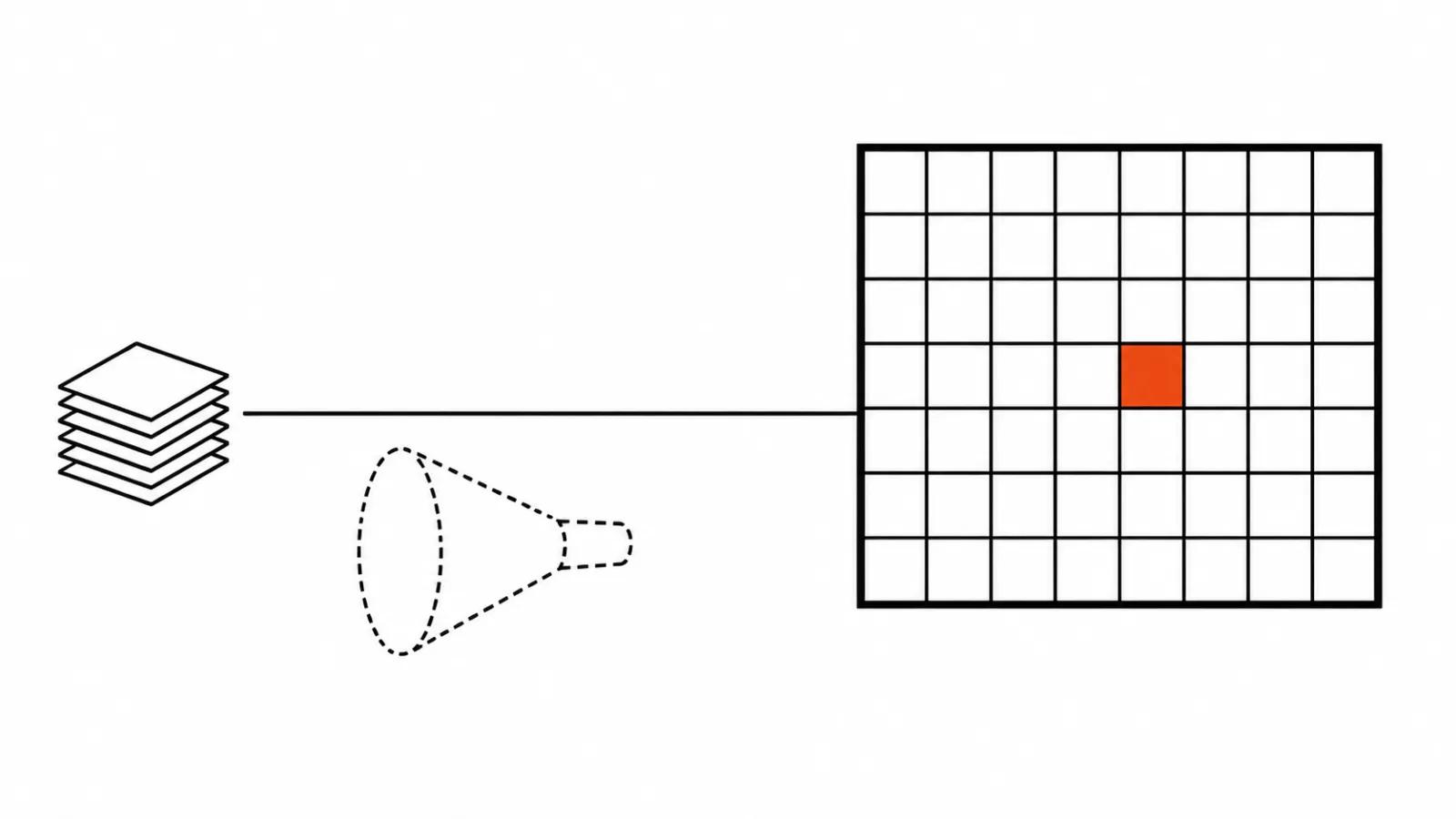
The foundation under Enact is Pika H3 Flex. A short chain of steps is probably what makes the stream possible at all: fewer steps from prompt to frame means a better chance of keeping up with the scene.
What will reach ordinary tools
The three modes travel at different speeds, and that matters when you plan a purchase.
The mouse camera is the easy one. A camera is a set of parameters, and moving it through an interface needs no new model. Live staging is harder: the object you drag has to hold together and keep its shadow on the next chunk. Voice notes are the hardest, because they need memory of the scene and of the character, otherwise an actor forgets a request ten seconds later.
A guess: the camera lands in ordinary editors first, staging after that, and actor memory last. It is a guess with nothing to back it. Unknown as well: whether that memory survives between takes, what happens with two people talking at once, and how many seconds a scene holds before the face starts to drift.
Who should care right now
While Enact is closed, the practical value is narrow: see where generation is heading and adjust your process early. In ads and social video most of the hours go into fixes after the first viewing, and the first render is the smaller part of the quote. A tool that fixes the frame live lands exactly on that part.
The client-facing difference is simple: the earlier a fix happens, the cheaper it is.
Bottom line
Pika is going after the role a person with a set used to hold: place the actors, correct them, call the shot. The claim is serious, and right now there is nothing to test it with beyond the company's own words.
What to watch when access opens. First, how long a scene lasts before it falls apart. Second, whether the face stays the same after ten notes. Third, whether footsteps and voices land where they should, since the audio comes out of the same stream.
One more thing. Even if half of it fails to hold up, a shift has already happened: the conversation is about the working loop instead of clip length in seconds.
For this kind of work there are services: AI video production. Related reading: Pika H3 Flex open weights; what Pika can do for video.