What is actually known on November 4
Officially, nothing. ByteDance has not published a model card for Seedance 3.0, has not added it to the API docs and has not issued a press release. The document driving the conversation appeared on November 4 in the WaveSpeed blog, where the authors gathered secondhand notes from community threads.
That detail matters for planning. A rumor has no version number, no date and no license. Yesterday's piece on Seedance overseas revenue at least rested on 36Kr and people close to Volcano Engine. Here the source is one article plus the chatter around it.
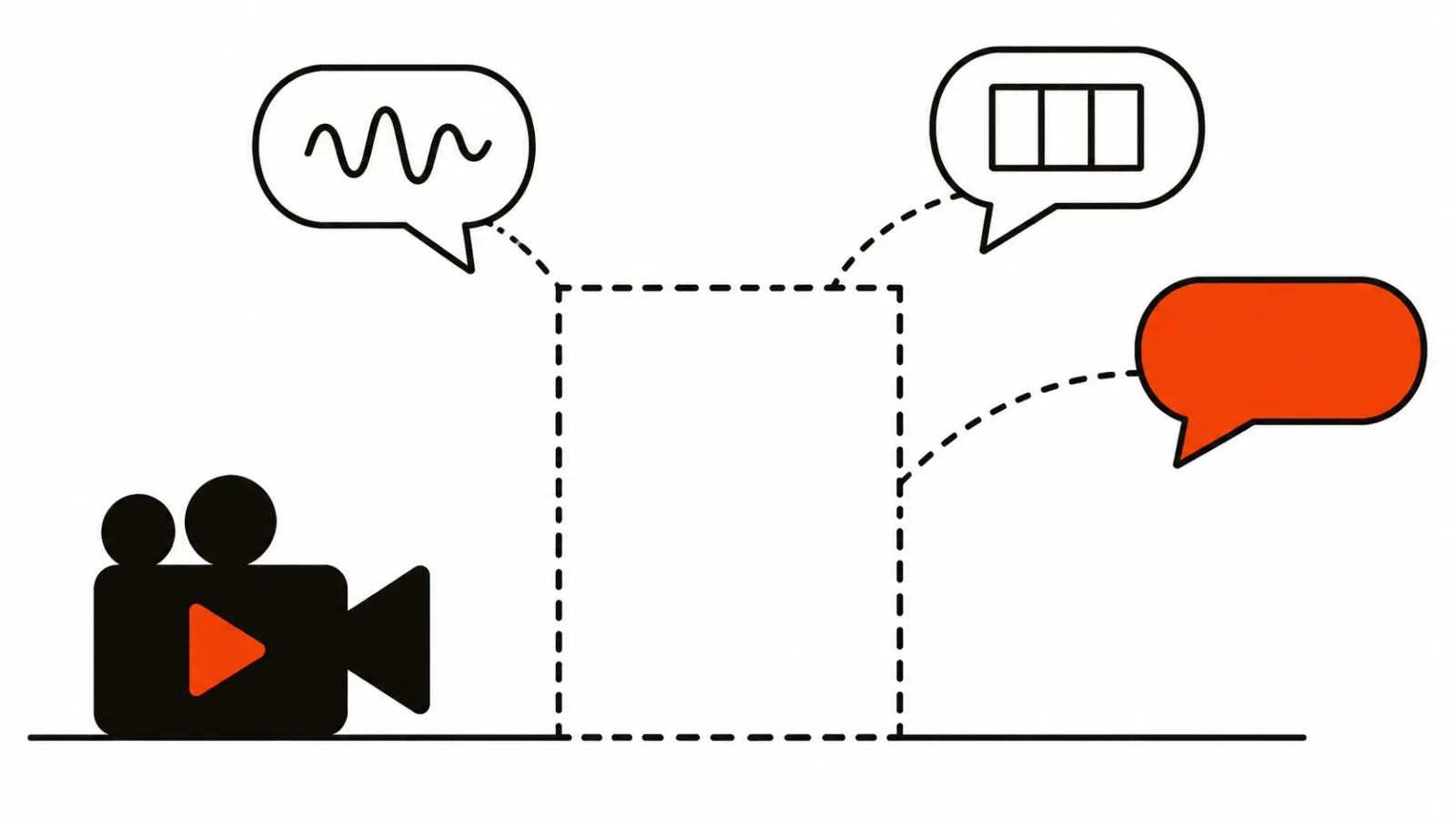
What the rumors attribute to Seedance 3.0
The list is short. Tighter sync between audio and picture, lip movement included. Multi-shot storytelling where a character keeps the same face and clothing across shots. Output at 2K and 4K. Stronger references on input. Faster generation.
There is no date anywhere in the rumors. Any day you see quoted, including cautious phrasing like by the end of the year, is a poster's guess. I do not put such a date into a schedule.
Two of the six items matter for production. Lip sync removes a separate voice pass and the nudging that follows, which is half the work on any line delivered on camera. Multi-shot with a held character removes the sorest point of series work: the cut between scenes where the hero quietly becomes someone else.
What Seedance 2.5 already does
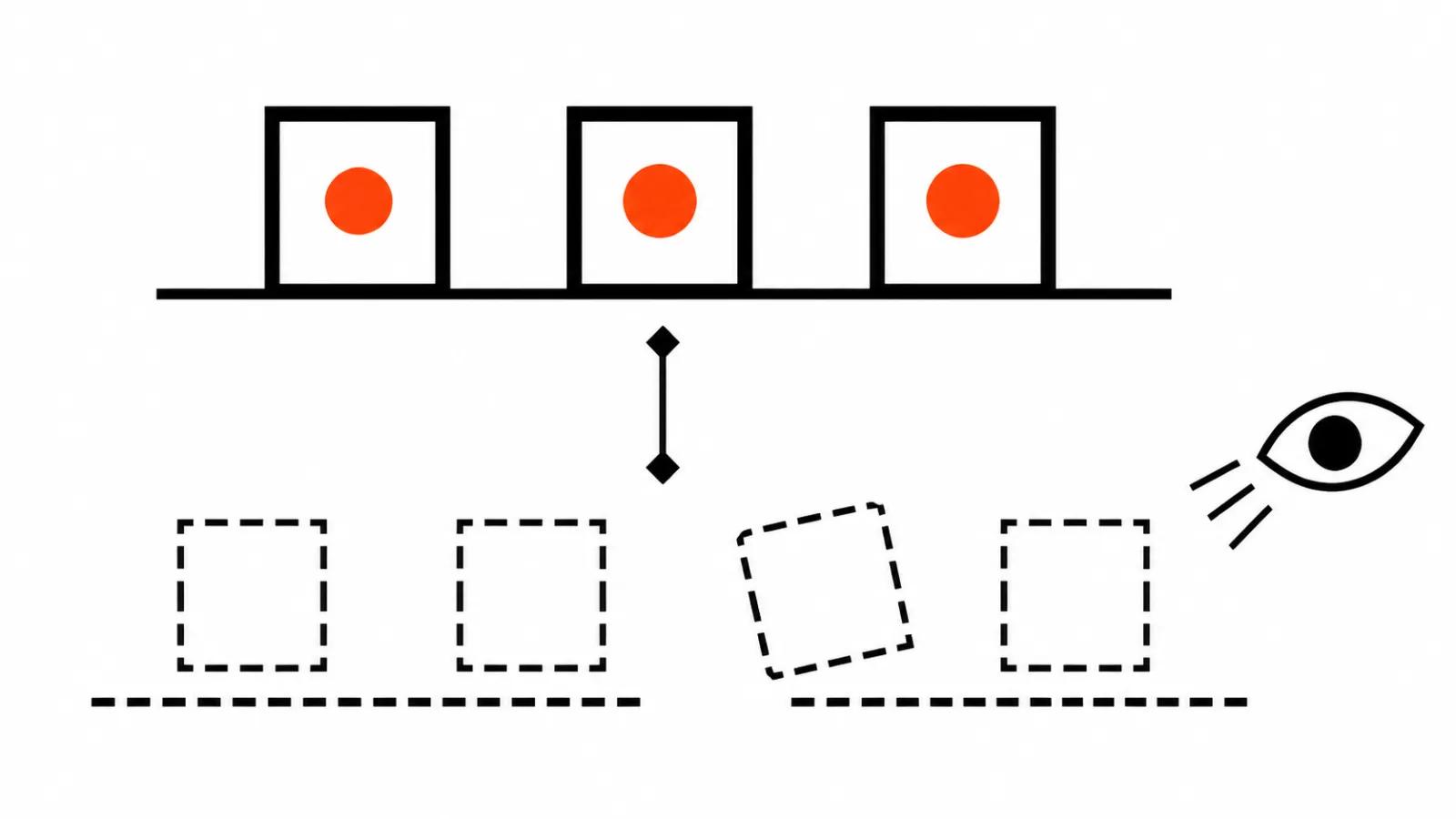
Part of that list ships today. Native audio arrived with 2.0, in 2.5 it is on by default, and there is audio reference plus multimodal references. On WaveSpeed, 2.5 outputs up to 4K.
So three rumors about 3.0 describe features that already run, with caveats. Audio in 2.5 syncs to the picture, and the open question is accuracy on a close-up and across a long line. 4K exists, and the open question is render time and cost. The gap between available and reliably available costs more in production than any version number.
How the models compare on the text-to-video leaderboard
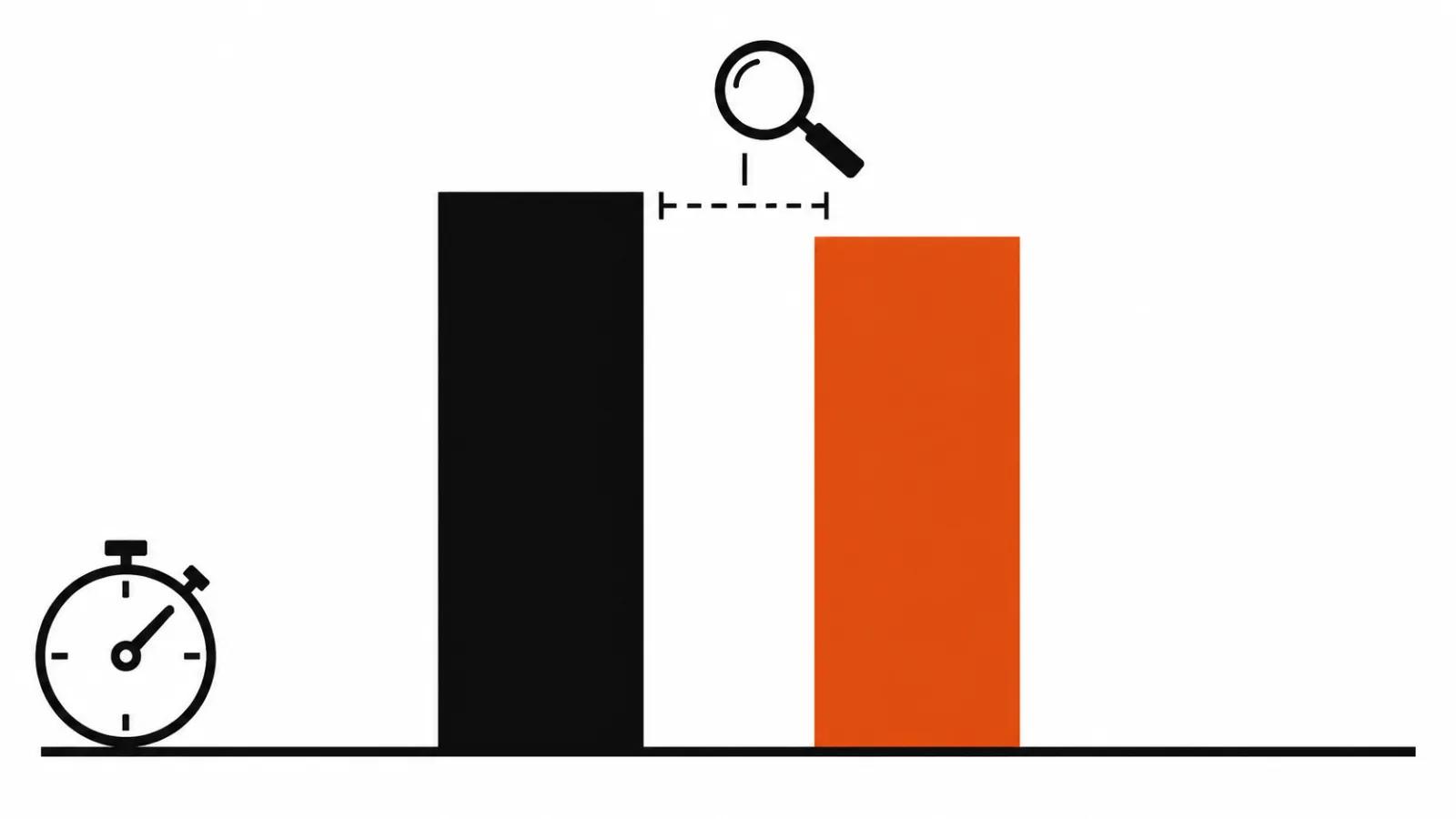
On November 4 the Artificial Analysis Text-to-Video board put Seedance 2.5 at roughly 1155 Elo, with Wan 3.0 leading at 1172. That is 17 points, under two percent, and first place is taken.
The board scores blind pairs on shared prompts. It knows nothing about your scene, the cost of a second or how many takes end in the bin. I read it as a signal about picture quality and build the budget from my own tests.
Why I will not write that Seedance 3.0 is out
The word out means at least a reachable endpoint. While there is no model card and no API note from ByteDance, a release claim swaps a wish for a fact. Silence does not prove that work has stopped, and a rumor does not prove that it has finished.
The damage from that headline is concrete. A client reads out, plans around the new sync, then gets 2.5 behaving exactly as before on a long line. The redo comes out of the project budget. I would rather write something dull and stay correct.
What to prepare in the pipeline now
Two rumors deserve preparation because they change the storyboard.
The first is lip sync. If an on-camera line no longer needs its own audio pass, a talking scene drops one stage: generate, check, edit. That makes it reasonable to write scripts with direct speech on camera and stop budgeting a margin for re-recording.
The second is multi-shot. One prompt covering three or four shots inside a scene changes the unit of work from take to scene. The storyboard then gets built in blocks of ten to fifteen seconds, which maps neatly onto vertical formats.
Preparation is cheaper than waiting. A brief template, a scene breakdown and an acceptance checklist for lips and audio all work on the current version and survive a model change.
The call on Seedance 2.5 and the price of a second
Until a model card and API note exist, I count on 2.5. The reason is plain: its cost per second is known, its resolution ceiling is known, and delivered work can be accepted against a checklist. For 3.0 the rumors offer promises only.
The second reason is money. A 17 point Elo gap between 2.5 and Wan 3.0 can vanish or flip on your own material. The price of a second and the number of retakes stay in the budget with any model. That is why I start an AI video comparison with a test on the client's scene and a quote for one finished minute, then look at the version number.
When a video has to land on a date, AI video production through a team with a working pipeline is the cheaper route. Where a real person and an unhedged voice must appear on camera, handcrafted videos carry that part: shot and cut by hand, with the model handling only inserts.
Volume settles the rest. One video a month runs fine on a subscription, while a series of vertical releases needs a template and a predictable price per unit. For a series I would take 2.5 and budget spare seconds for rejects until 3.0 is backed by documentation.