What 36Kr reported
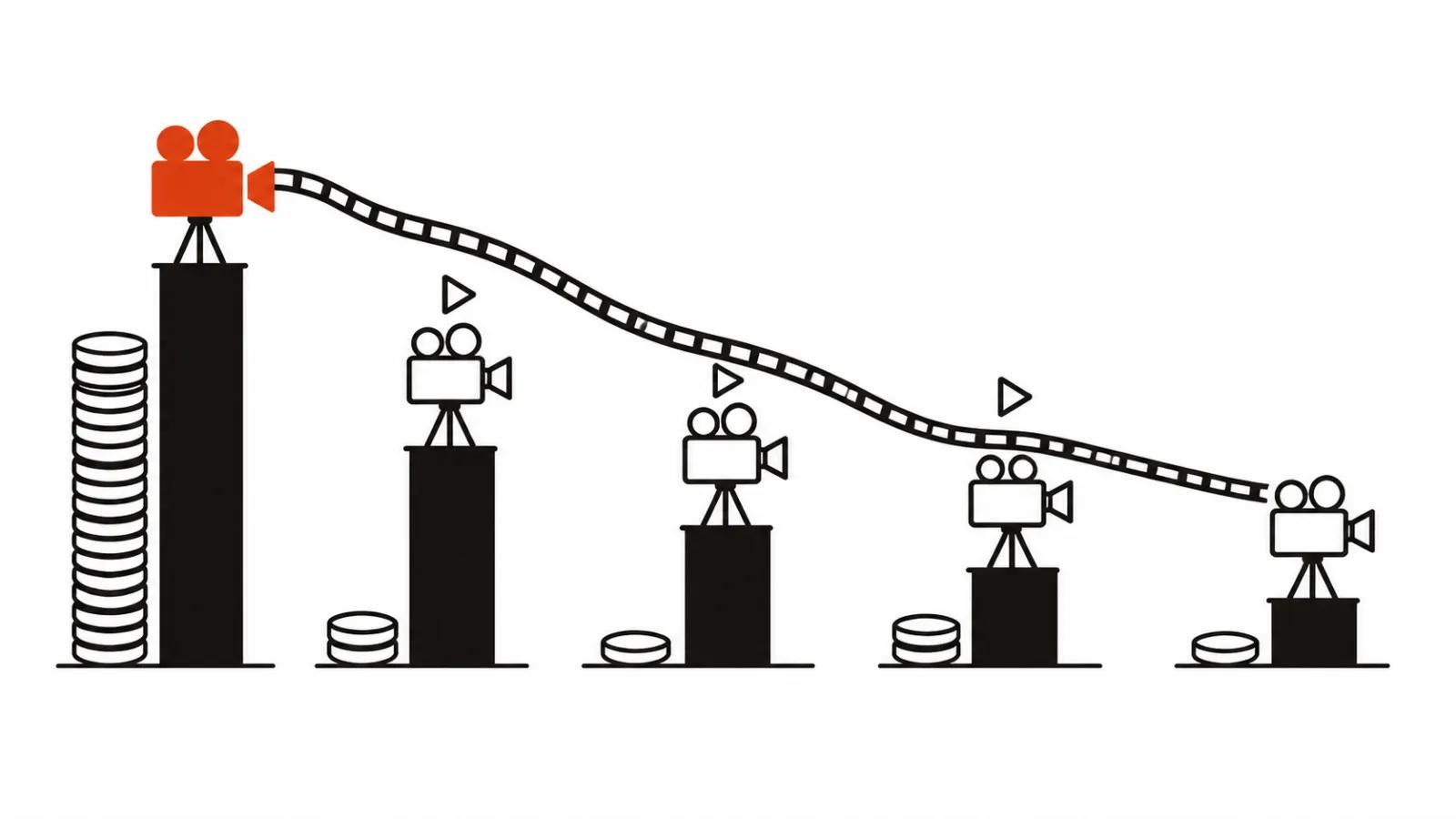
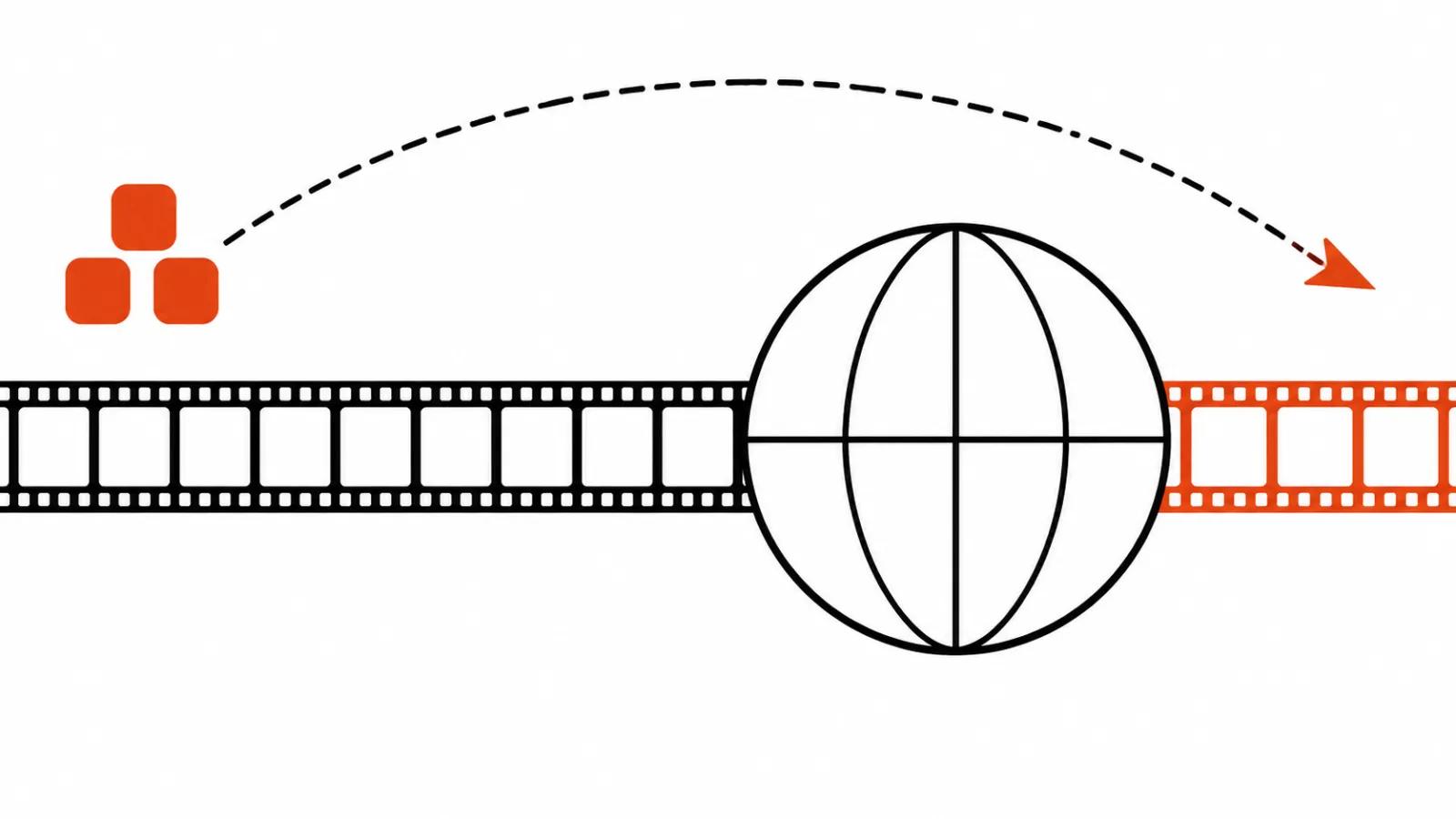
The story ran on November 3 in the Intelligent Emergence column, with Yicai carrying a recap. There is one source: people close to Volcano Engine, the ByteDance cloud unit that sells Seedance. The claim covers the overseas share of the model's revenue. It now sits at 50%, and overseas revenue grew almost fivefold over the past six months.
Neither text gives a figure in money. Fifty percent describes a share, and the size of the business does not follow from it: off a small base a jump like that looks louder than it would in an annual report. ByteDance publishes no statement on the line either, so I read the number as a signal about direction, with no audited account behind it.
From MPA demands to a global memorandum
In February 2026 the Motion Picture Association demanded that ByteDance stop copyright infringement: Hollywood characters were turning up in generations. On August 17 the two sides signed a global memorandum. After Seedance 2.5 shipped, the association acknowledged the company's progress on protecting intellectual property.
The timeline hints at why overseas revenue turned up in summer. A Western client will not build a production line on a model with an open fight over rights. My reading: while the talks ran, overseas sales were held back, so the six months of growth may start from a low base.
The Disney and TikTok deal
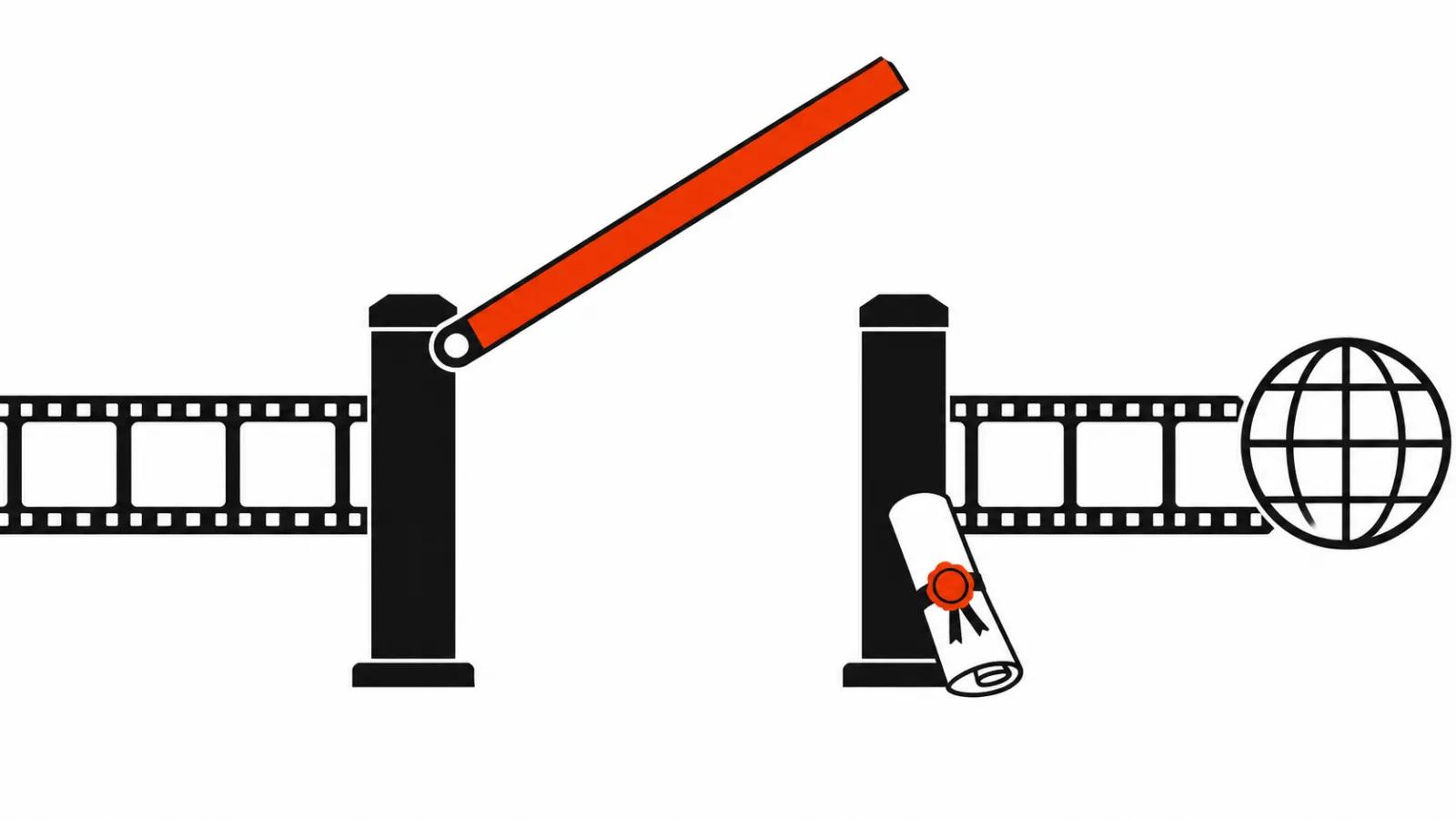
In August Disney and TikTok reached an agreement. Creators can legally use characters and clips from the Marvel, Pixar, Star Wars and FX libraries, and the work travels through Verts, the vertical channel on TikTok and Disney+. The pilot starts in the United States.
For Seedance this is a shop window. The model holds references, the rights holder clears its own characters, the platform brings traffic. An overseas client in that setup buys cleared legal risk, with the generation as an attachment to the deal. My reading of the growth: the money followed the signatures, and image quality played a smaller part.
Who pays inside China
Domestic demand rests on internet companies. By token consumption and revenue, Tencent ranks among the three largest Seedance clients, with Bilibili inside the top ten. These are companies that ship a lot of short video and count the cost of a second.
A base like that is easy to plan around and exposed to a single decision. If one large client moves to its own model, the overseas share rises with no new sale at all. The headline half is partly arithmetic of the denominator.
Why AI video leaves the studio bubble
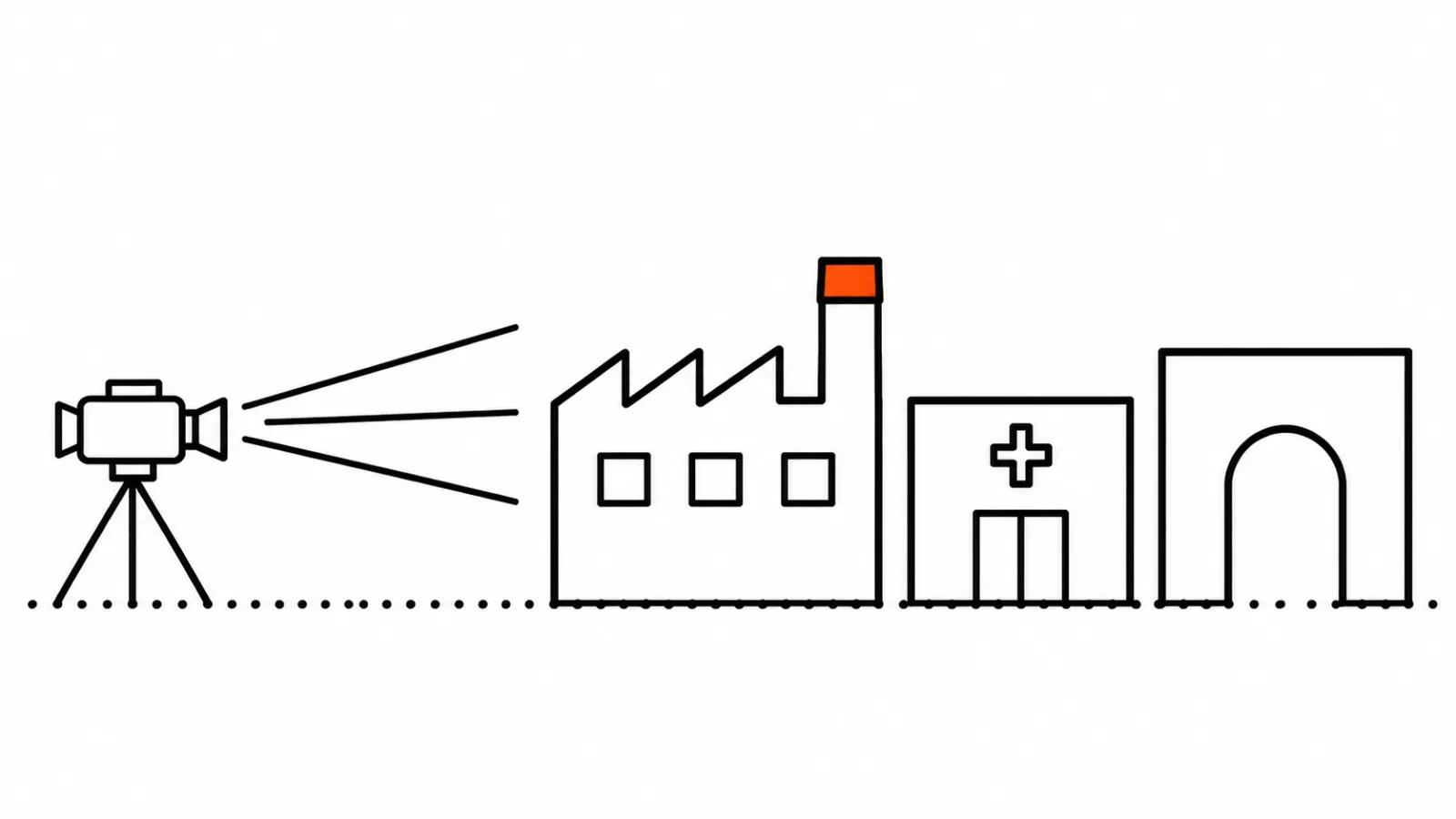
Clients from the real economy already contribute more than a quarter of revenue: manufacturing, retail, services, education, medicine, telecom, automotive, energy.
Seedance 2.5 holds multimodal references and edit consistency better. Industrial modelling, staff training and embodied AI grow out of that, since each needs a predictable frame on the way in and the same object on the way out. For a production shop this is different work: a spec, sign-off against a checklist, repeatability between batches.
AI video production is changing shape here. The client arrives with a process that has to be shown and a deadline that cannot move. The numbers that matter become saved shifts and training hours, with likes left as a pleasant side effect.
What the Volcano Engine president said
At the FORCE conference in June 2026, Volcano Engine president Tan Dai called AI dramas a small scenario over the long run and said the company wants Seedance inside production across every industry. A field engineering team, FDE, was formed for automotive, medicine and education.
Hiring for verticals says more than any percentage in a press release. Selling through integrators means long contracts and repeatable tasks, a revenue profile unlike a single studio's subscription. If the plan lands, the overseas share may keep climbing without an ad campaign.
What this means for a client
For anyone commissioning video, the news changes one line in the brief: rights to source material and characters. A legality check now sits next to format and duration in the spec. A model with no agreement with rights holders can drop out of a pipeline overnight, and the whole batch gets remade, with no partial credit for one scene.
The second point concerns your supplier. If a studio runs video through generative models, ask which ones and what happens if access changes. Our overview of Chinese AI video models helps compare the lineups before money comes up, and the service page explains how the process runs on our side.
Advertising shows the effect first. An AI commercial built on someone else's character risks a re-render and a fresh approval round, while one built on cleared assets gets through review more smoothly. Saving on the rights check usually comes back as an invoice for rework.