What Suno shipped on October 28
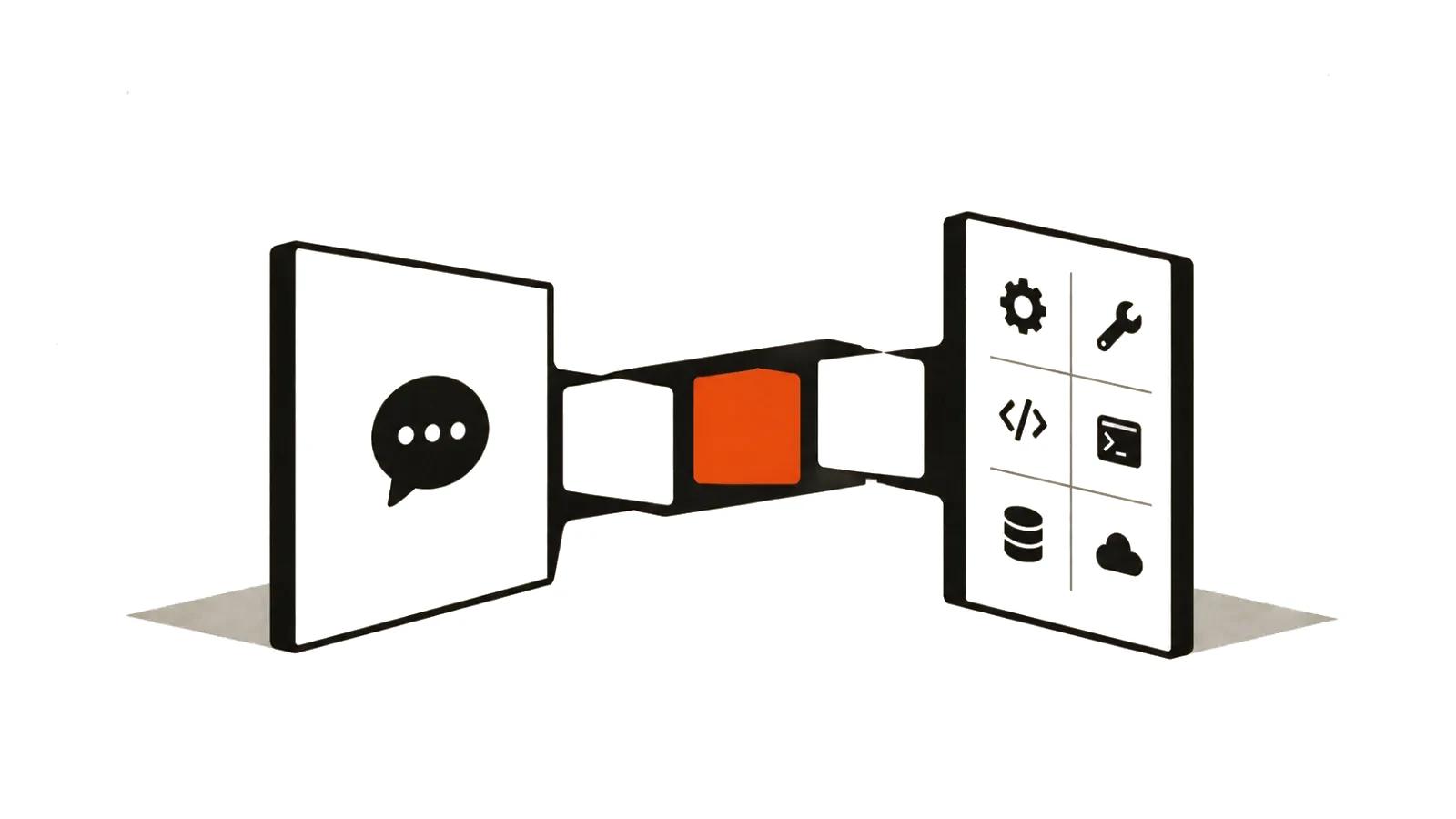
Suno opened the beta of Suno MCP. It is a Model Context Protocol connector that puts song generation inside an AI assistant: Claude, ChatGPT, Claude Code and other MCP clients. The project page also lists Gemini and Cursor. The news came through Suno's release notes dated October 28, and Music Business Worldwide covered the details.
The shift is that the assistant stops being an adviser and gets the right to call someone else's tool. You type in the chat, the assistant assembles the request, Suno renders the track.
What a session looks like
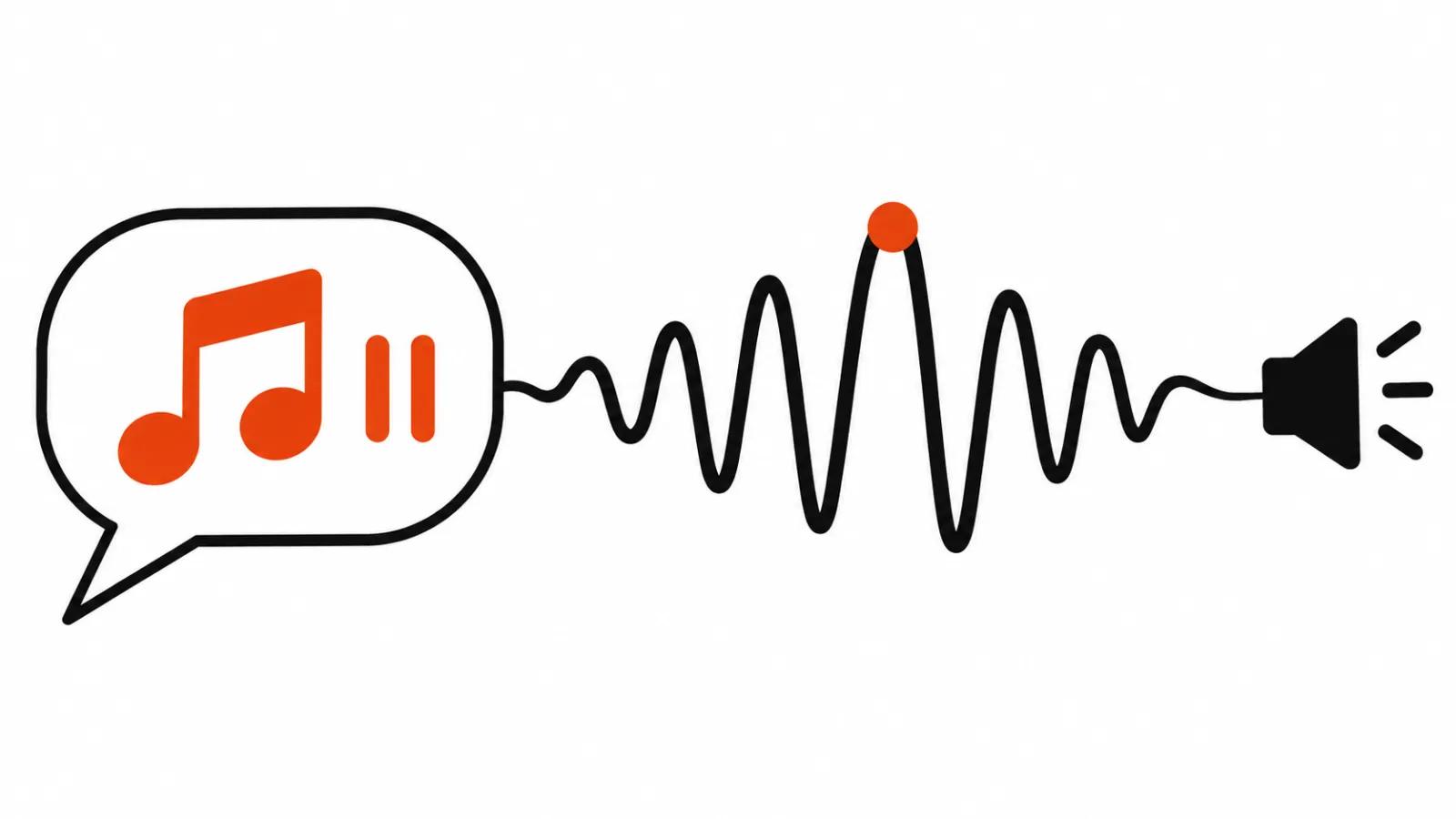
The words and the style get argued over first. The assistant rewrites a verse, swaps the genre, pushes a different chorus. Then Suno generates, and the take appears in your library.
An uploaded voice recording or loop can serve as the seed. Covers, extensions and mashups of songs already in your library are available too. That is the part I find most practical: the narrator's voice is already recorded, and a music bed gets built from it without hopping between tabs.
Songs spend plan credits. It works on every tier including the free one, with beta access handed out through early access. No API key is involved, just an account login and a permission grant. Some assistants expose connectors only on paid plans, so check on their side.
AI music for video moves into the same window
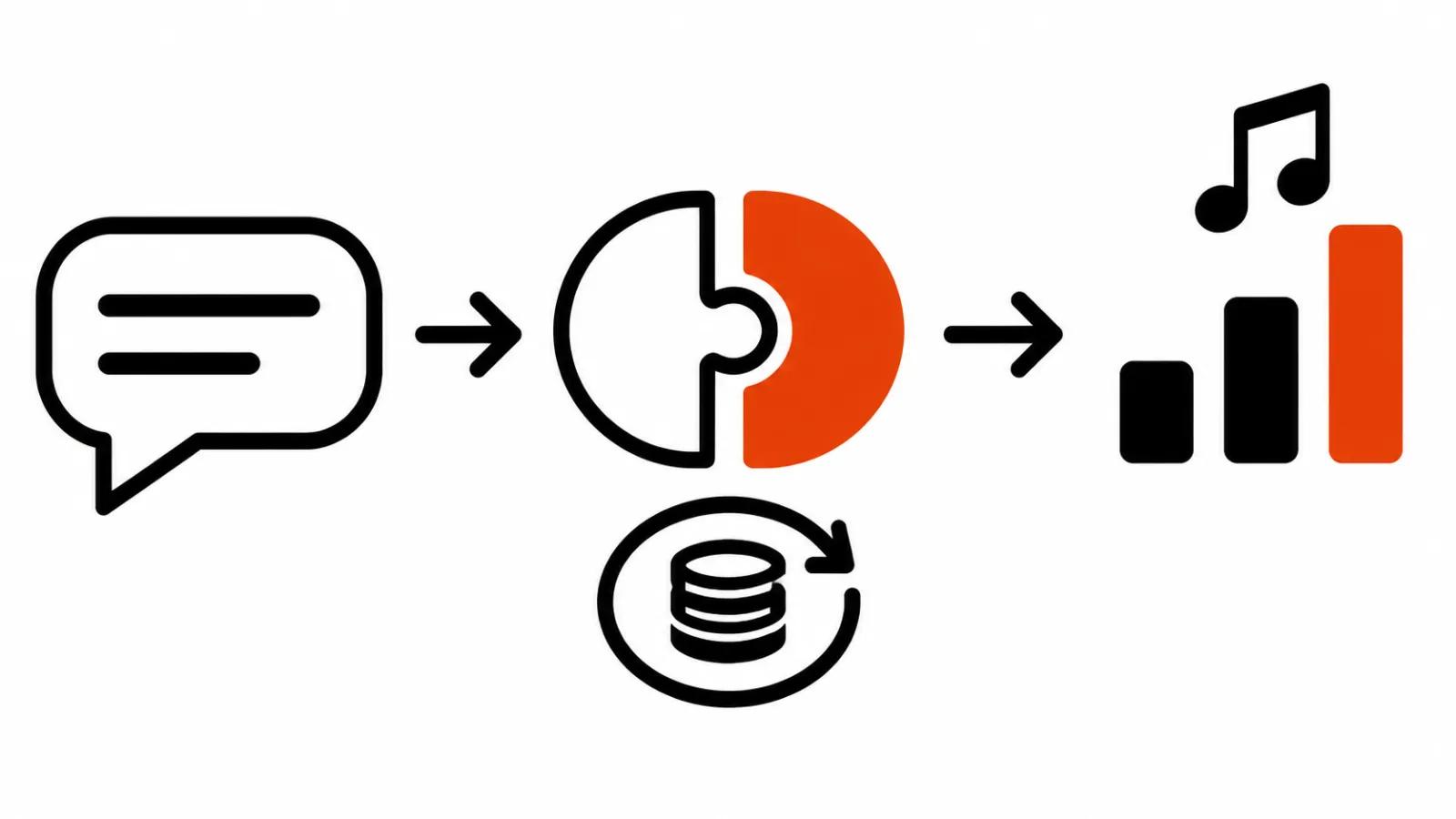
Why it matters. AI music for video used to be a separate errand: script first, then a music generator, then trimming the track to fit length and loudness. Now all of it sits in one window where the assistant can see the script and knows the cut runs 42 seconds.
The practical gain is smaller than the announcement suggests. Edits still happen in the chat: make the chorus four seconds shorter, drop the vocal at the top, push the drums under the cut. What disappears is restating the context, which is where the hours go.
For a short video the connector covers three common gaps: a sting under the logo, a bed under the voiceover, a five-second bumper. For a full song with vocals the assistant is still the weak link, since it cannot hear the result and judges its own description.
Credits and licensing: where the risk sits
Why it matters. Suno operates under heavy legal pressure. On October 22 Reservoir filed suit, claiming 1,050 compositions went into training, with a demand of up to 186 million. No ruling has landed yet.
For AI video production the same rule applies: read the plan terms before the first render, then decide whether the track can carry a client deliverable. The training question stays open and has nothing to do with your licence: a paid plan grants rights to the output, and a lawsuit elsewhere does not vanish because of it.
The money around Suno
Why it matters. In June 2026 Suno raised more than 400 million in a Series D at a 5.4 billion valuation, led by Bond Capital. That explains why the product keeps pushing into every assistant: the company is buying a habit instead of a feature.
The developer API is a separate track. It sits in beta, the portal is platform.suno.com, and early access goes to selected partners. That is the route for services embedding generation in their own product. MCP covers the other case: a person and an assistant in one chat, no code written.
Why it matters: MCP became a shared language
Anthropic introduced Model Context Protocol in November 2024 as an open standard. Since then wiring a tool into an assistant stopped being a standalone project. Video services took the same road: the Pika plugin for ChatGPT showed what a clip generated inside a dialogue looks like, and we covered that experiment in the blog.
With music the effect is sharper. Song lyrics are text, and an assistant handles text directly, so the loop of rewrite the chorus and get another take runs shorter than in a web interface.
How to make a song with AI without burning credits
Why it matters. The cheapest start is one track on the free tier. Describe the brief in the chat along with length and mood, ask for two or three drafts, pick one and extend it. Every take spends credits, so keep drafts short.
Second step is your own material. An uploaded loop or a voice recording gives the assistant a seed it would not invent, and the result sits closer to the project. Covers and mashups from your library start here.
Third is rights. A track headed into advertising needs a clean licence and no borrowed samples. Where the music carries the whole video, keep a human in the chain: handcrafted AI videos tune sound to picture, and on difficult scenes that costs less than a rebuild. When videos ship in volume, music gets produced in batches and a predictable cost per unit starts to matter, which we covered in the breakdown of an AI YouTube channel.
For a music video the order flips: the track comes first and the picture follows. Suno MCP removes one hop there, since the lyric and the song structure are born in the same dialogue where the storyboard is discussed.