What TBC maker actually does
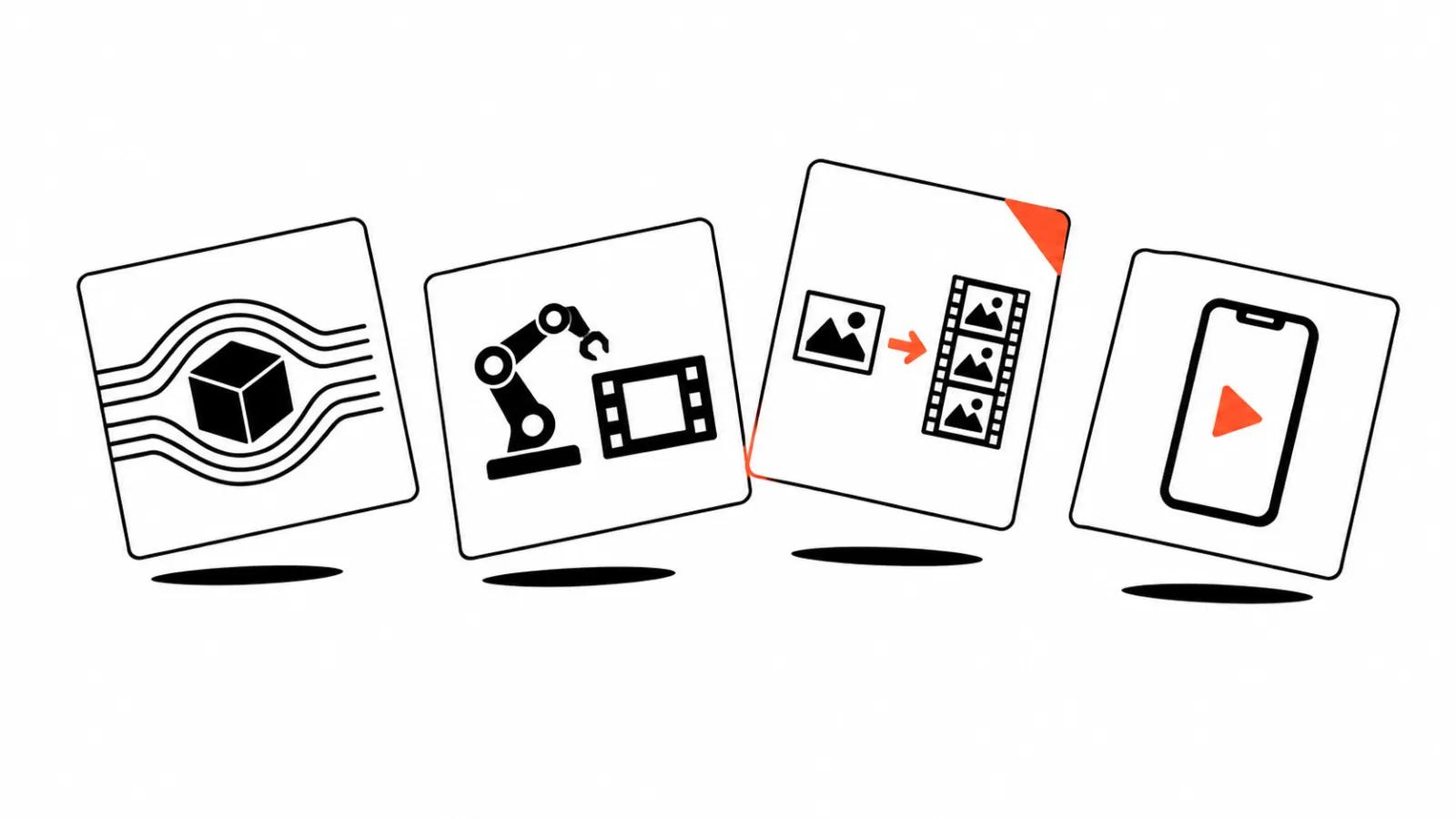
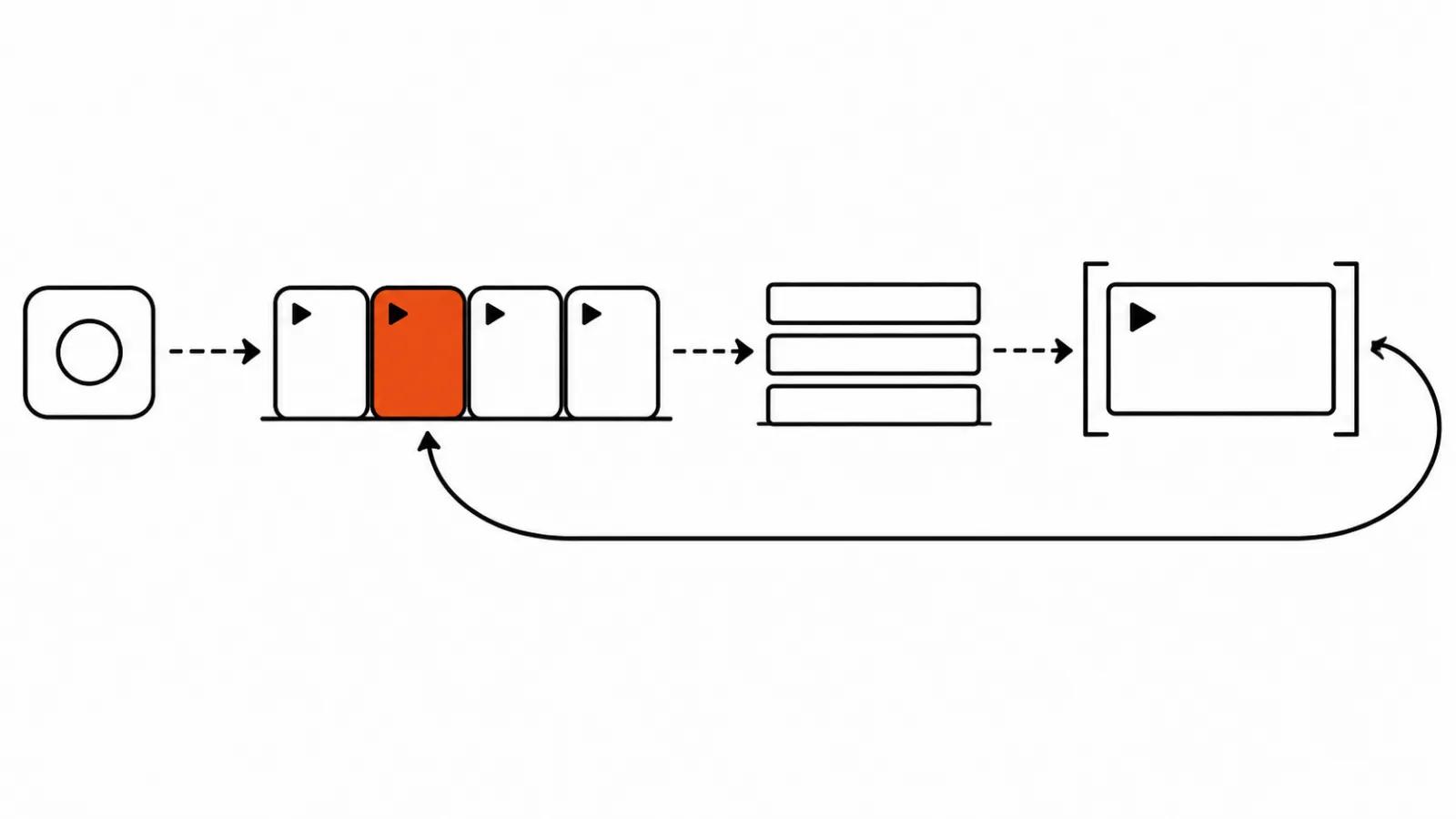
It is a whole production app, wider than a clip generator. Everything runs on one model, mischief 1, and the steps live in a single window: the idea, developing the story, choosing a visual style, storyboarding, generating shots, voice, watching the film, and regenerating any take that does not work.
The scale is stated honestly: a film of several minutes, meaning a finished story with a beginning and an end. The app was announced on November 19, 2026. A public beta is set for early December, general availability for January, and early access can be requested ahead of the beta.
Why local AI video generation is moving off the cloud
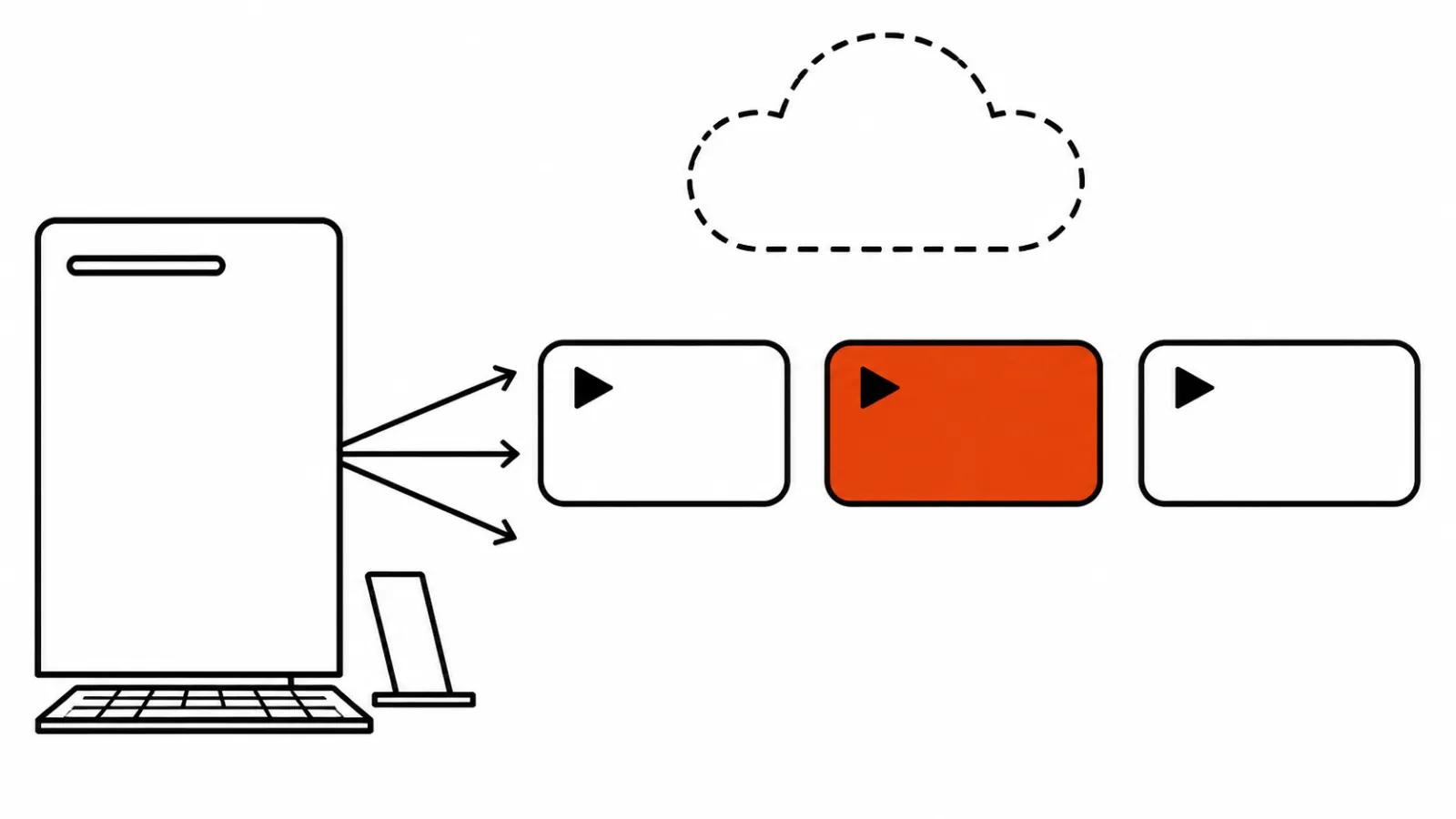
Generation runs on the graphics card of a compatible Windows 11 PC, through PyTorch or Windows ML. TBC's cloud stays in the picture when a job needs more power than the machine on your desk.
The company's argument is simple. Local rendering spends no cloud credits per generation and does not wait in a shared render queue. For someone who tries twenty versions of a single shot, that changes the economics more than any new button in the timeline.
TBC calls its model neuron-derived. The company studies living neurons in a lab and transfers what it learns into the model, while the model itself runs on ordinary chips. How much that lab method buys in the finished frame is not visible from the announcement.
Mischief 1, the model underneath
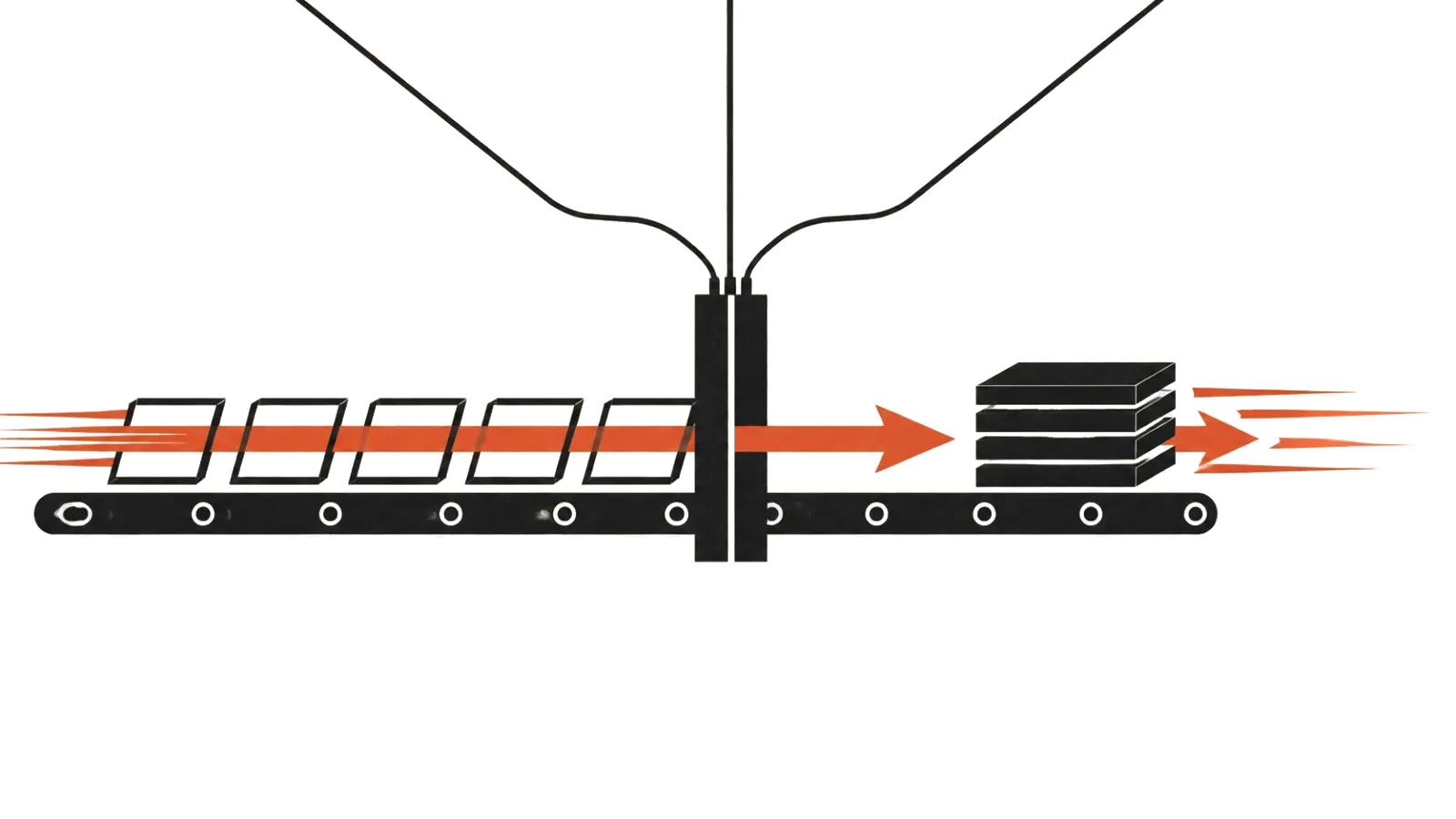
The app rests entirely on mischief 1, so the quality of the frames depends on it. The model launched on October 30, 2026 on fal and OpenRouter, is built on Wan 2.2 and, according to TBC, generates 5 times faster than the base model.
The second number is on shakier ground. Justin Hackney of Wonder Studios reported up to 12 times faster and about 88% cheaper in his own pipeline. That is a claim from the company and one client, with no independent test behind it, and I keep the figure with that caveat attached. I covered the model itself in a separate piece on mischief 1, using a frame made from a photo.
What the announcement does not say
No hardware requirements. No model size. No list of compatible PCs. No price.
For planning, those gaps matter more than half the advertised features. Until it is clear how much video memory the model needs and how much space it takes on disk, buying a graphics card for TBC maker is a bet. I put together what local video generation generally demands from a GPU, in a piece on graphics cards for AI video in 2026, and the numbers there climb faster than the prices do.
One more fact from the release: TBC is working with Microsoft to bring the app to suitable Surface devices, with other PC brands after that. The first wave of supported machines will therefore be narrow, and an older desktop may well fall outside it.
Where local AI video generation pays off
It pays off for whoever needs many drafts and takes. Twenty variants of one shot cost cloud credits and queue time, while on your own card the budget is just hours. The second case is footage that cannot leave your machines, and local rendering settles that without a legal thread about where the frames went.
It does not pay off elsewhere. If you need one finished shot a week, a local install burns setup and update time for three renders.
Quality is not free either. Wan 2.2 as a base sits behind the current leaders on complex motion and on text inside the frame, and the fair test compares it with today's cloud flagships on your own footage, ignoring comparison tables from other people's reviews. I would run the first test on the hardest shot in the project: a crowd, hands, words on a sign.
How this fits our work
For social ads and channels the speed of trying versions matters more than one expensive frame, so a local app is interesting as a machine for drafts. Final shots are still safer with per-shot control, and AI video production with a manual check of each transition is the safer route. When you need one careful video, handcrafted videos start at $190, cheaper than setting up a local stack for a single job. When volume counts for more than any single image, a short-form stream is priced at up to $2.40 per 1000 views.
My take
The idea is right, the timeline is clear, the details are missing. What TBC maker sells is the end of the queue and the credits, and for a shop with a steady flow of takes that is real money.
My rule stays simple: do not buy a graphics card for an app that has no graphics card requirements. Try the December beta on someone else's machine, test it on your worst shot, then decide about hardware. If the beta shows a minute of film rendering on a home card in reasonable time, local generation gets its first decent product for people who make video without training models.